Do I need to bring my own gear on an Oregon charter?
One of the most common questions I hear from folks heading out for a day on the water in Oregon, especially if it's their first time on a guided trip, is whether they need to lug all their own fishing gear along. It's a completely fair concern! Hauling rods, reels, and tackle boxes can be a real hassle, and you want to be prepared without overpacking. This guide will walk you through what most Oregon fishing charters typically provide, when it makes sense to bring your personal favorites, and what other essentials you should always have with you, regardless of the gear situation.
The Standard Charter Offering: What's Typically Included?
When you book an Oregon fishing charter, whether it's for salmon off the coast or steelhead on a scenic river, the expectation is generally that the guide will be providing the primary tools for the job. This isn't just about convenience; it's about expertise and ensuring you have the right equipment for the specific conditions and target species. Think of it like going to a fancy restaurant – they provide the silverware because they know what works best with their dishes.
Oregon guides and charter captains spend a lot of time and money acquiring and maintaining high-quality gear perfectly suited for the local fishery. They know what rod action is needed for fighting a powerful Chinook salmon in a strong current, or what reel size is best for battling a feisty lingcod on the reef. It's often specialized equipment that you might not own, or that you might not feel comfortable traveling with.
Moreover, providing the gear ensures consistency among all anglers on the boat. Everyone is using similar setups, which can be crucial for certain techniques, especially if the captain is trying to get a specific presentation or depth. It also takes the guesswork out of your hands, letting you focus on the excitement of the catch. Platforms like FishingBooker make it easy to see what equipment a specific charter advertises as included in their listing, so always check there first.
Rods, Reels, and Terminal Tackle
For most fishing charters in Oregon, the absolute core of your fishing experience – the rods and reels – will be provided by the guide. This is almost universal, from offshore trips chasing tuna or halibut to river excursions targeting salmon and steelhead. These aren't just any old rods; they're often high-end, purpose-built setups designed to handle the specific fish you're after and the unique challenges of Oregon's diverse waters.
Guides invest heavily in durable, sensitive rods and reels with smooth drags that can withstand the rigors of repeated use and powerful fish. Imagine trying to land a 30-pound Chinook with a flimsy trout rod – it just wouldn't work, and a good guide knows this. They also ensure their equipment is well-maintained, regularly inspected, and ready for action, saving you the headache of gear malfunctions.
Beyond the main rod and reel, the "terminal tackle" is also typically included. This refers to all the bits and pieces at the end of your fishing line: leaders, swivels, weights, hooks, and sometimes even specialized bobbers or floats. The guide has a deep understanding of what sizes and types of tackle are currently working best, adapting to water conditions, fish behavior, and specific regulations that might require barbless hooks or certain weight types. This means you don't need to worry about having the correct leader strength for Oregon Salmon Fishing Techniques or the right sinker for deep-water bottom fishing; it's all handled for you.
Bait, Lures, and Flies
Another significant benefit of fishing with an Oregon charter is that the bait, lures, or flies are almost always included in the price of your trip. This is a huge convenience and a money-saver, as quality bait and specialized lures can be surprisingly expensive, and you need to know exactly what's effective. Charters know precisely what local fish are biting on, and they've often spent hours preparing or sourcing the best options.
For ocean charters, this could mean fresh herring or anchovies for salmon, squid or artificial jigs for halibut and bottom fish, or even live bait for tuna. On river trips, it might be cured salmon eggs, sand shrimp, specialized beads, or a selection of the latest and most effective plugs and spinners for steelhead and salmon. Fly fishing guides, of course, will have an impressive array of nymphs, dry flies, and streamers tailored to the specific river and hatch you'll be encountering, such as those used for How to Fly Fish the Metolius River.
The guide's knowledge here is invaluable. They're constantly on the water, checking conditions, talking to other guides, and staying up-to-date on what fish are keying in on. They'll have a cooler full of fresh bait or a tackle box brimming with lures that have proven effective that very week, saving you from guessing or buying a bunch of gear that might not work. This expertise is part of what you're paying for in a guided trip, ensuring you have the best chance at success.
Safety Equipment and Licenses
While the fishing gear is almost universally provided, it's really important to understand that your personal fishing license is almost never included in the cost of an Oregon fishing charter. This is a common point of confusion for first-timers, and it's something you must take care of before you even step foot on the boat. You'll need to purchase your own Oregon Fishing License Guide, along with any necessary endorsements like the Combined Angling Tag for salmon and steelhead, or the Columbia River Basin Endorsement if you're fishing those waters. Charters won't sell these to you, and you can't fish without them, so make sure to plan ahead!
On the flip side, safety equipment is absolutely mandatory and is always provided by any legitimate Oregon fishing charter. This includes Coast Guard-approved life jackets (PFDs) for everyone on board, throwable flotation devices, flares, fire extinguishers, first-aid kits, and communication devices like VHF radios. Ocean charters will have even more extensive safety gear, often including emergency position indicating radio beacons (EPIRBs) and survival suits.
Your captain is responsible for your safety, and they take this very seriously. They'll likely do a brief safety orientation before leaving the dock, pointing out where the life jackets are and how to use them. While you might bring a small personal first-aid kit for minor scrapes, rest assured that the essential safety equipment required by law will be on board and easily accessible, ensuring a secure and enjoyable day on the water.
When Bringing Your Own Gear Makes Sense (and When It Doesn't)
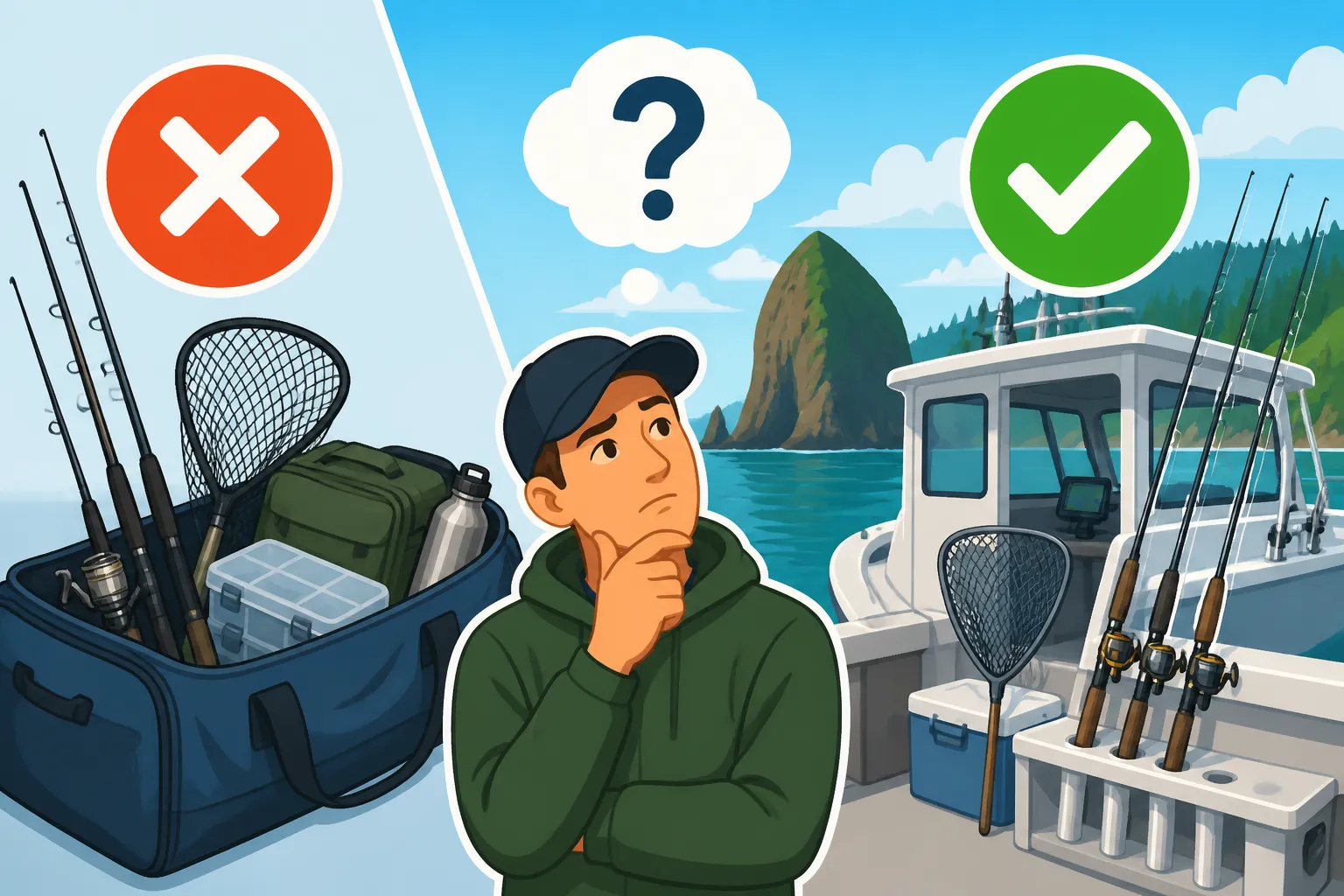
While the default is that your guide provides the gear, there are certainly situations where bringing your own rod, reel, or tackle might be appealing, or even beneficial. However, it's a decision that always warrants a conversation with your captain beforehand, as boat space and specific techniques can be factors. It's a balance between comfort and practicality, and often, less is more when you're on a charter.
Sometimes, the charter's gear just isn't quite what you're looking for. Maybe you're a hardcore fly angler hopping on a conventional gear boat, or you have a sentimental rod that's landed all your personal bests. Other times, specific techniques like spey casting for steelhead require highly specialized equipment that not every guide might have in their standard inventory.
Ultimately, the best approach is always to communicate. Don't just show up with an extra rod tube without asking. A quick phone call or email to your guide well in advance can clarify everything and prevent any awkward situations at the dock. This is also a great question to ask when you're using resources like FishingBooker to browse different charter options, as many listings offer direct messaging to captains.
Personal Preference and Familiarity
If you're an experienced angler, you probably have a favorite rod and reel that feels like an extension of your arm. There’s a certain comfort and confidence that comes with using gear you're intimately familiar with, especially when it comes to feeling subtle bites or battling a strong fish. Many anglers develop a deep connection with their equipment, and using it can genuinely enhance the enjoyment of the trip.
Perhaps you have a specific setup perfectly balanced for detecting light bites while drift fishing for steelhead, or a particular jigging rod that transmits every bump and scrape of the bottom when targeting rockfish off the coast. If your personal gear gives you a distinct advantage or simply makes you feel more connected to the fishing process, and it's appropriate for the target species and technique, it's worth considering.
However, consider the logistics. Is it easy to transport? Will it get damaged in transit or on the boat? And critically, is it truly superior or just a "lucky" rod? Most charter captains provide excellent gear, so if your personal setup isn't significantly better or specialized, the convenience of using the guide's gear often outweighs the benefit of bringing your own. Always ask your guide first if they have space and if your gear is suitable for the day's fishing.
Specialized Techniques or Target Species
While most charters cover the common fishing techniques for their area, there are instances where your personal gear might be more specialized than what the guide offers as standard. For example, if you're an avid fly angler joining a conventional gear salmon charter, you might want to bring your fly rod for some bank fishing during downtime, or if the guide offers a specific opportunity. Similarly, if you're targeting a less common species with a very particular method, your specialized equipment might be appropriate.
Think about situations like deep jigging for tuna with a specific type of heavy-duty rod and reel, or perhaps using ultra-light tackle for panfish in a back bay if the main target is larger species. Some anglers also have very specific preferences for their spey rods for Oregon Steelhead Fishing Techniques, or their surfcasting setups if the trip includes a beach component. In these cases, your gear might offer an advantage or enable a different fishing style.
It's crucial, though, to ensure that your specialized gear is actually relevant to the trip and won't be a hindrance. A guide's boat might not have rod holders for a 13-foot spey rod, or the specific terminal tackle needed for your custom rig. Always initiate a conversation with your captain, explaining your intention and the type of gear you'd like to bring, and be prepared for them to politely decline if it doesn't fit the flow or safety of the trip. They might even suggest they have similar, equally effective gear available.
Space and Logistics on Board
One of the biggest practical considerations when debating whether to bring your own gear is the limited space on most fishing vessels. Whether you're on a large ocean charter boat or a smaller drift boat on a river, space is almost always at a premium. Guides have carefully arranged their boats to optimize for fishing, safety, and passenger comfort, and extra large rod cases or tackle boxes can quickly become tripping hazards or simply get in the way.
Imagine a crowded deck on a salmon charter with six anglers, all trying to cast and fight fish. Adding personal rod tubes and large tackle bags can quickly make the experience less enjoyable and potentially unsafe for everyone. River drift boats are even more constrained, with every inch of space meticulously planned for efficiency. Your guide might have dedicated storage for their rods and tackle, but not necessarily for your personal equipment.
It’s not just about space, but also about the wear and tear your gear might endure. Boats can be bouncy, and things can get knocked around. Your expensive custom rod might be safer at home than exposed to the elements and busy fishing action on deck. Discussing this with your captain before the trip is paramount; they can advise on the best approach based on the size of their vessel and the number of anglers on board. Often, they'll simply reassure you that their gear is perfectly adequate, saving you the hassle.
Essential Personal Items to Always Pack (Beyond Fishing Gear)
Even if your charter provides all the fishing tackle you could ever need, there are still crucial personal items you should absolutely bring along for any Oregon fishing trip. The Oregon outdoors, whether on the coast or inland, can be notoriously unpredictable, and being unprepared for weather shifts or personal comfort can quickly turn a fantastic day into a miserable one. Thinking ahead about what you wear, eat, and carry in a small personal bag is key to maximizing your enjoyment.
Beyond the immediate comfort, practical items like documentation are non-negotiable. Forgetting your fishing license, for instance, can mean you can't participate, even if you've paid for a full day on the water. It’s about being self-sufficient for your personal needs, allowing the guide to focus on finding fish and ensuring a productive and safe outing for everyone.
Always envision a "just in case" scenario. What if the sun gives way to a sudden squall? What if you get a little motion sickness? What if you're out longer than expected and get hungry? A small, well-packed day bag can be your best friend, holding all those critical bits and pieces that the charter simply won't supply, and that you'll be glad you remembered.
Clothing and Weather Protection
Oregon weather is legendary for its ability to change its mind multiple times a day. Even if the forecast calls for sunshine, you need to be prepared for anything when you're out on the water. The most important rule for clothing is layering, layering, layering! Start with a moisture-wicking base layer, add an insulating fleece or wool layer, and always, always have a waterproof and windproof outer shell – both jacket and pants are ideal. This will protect you from unexpected rain, sea spray, or biting winds, especially on the coast or early morning river trips.
Think about your extremities too. A warm hat, even in summer, can be a lifesaver, as a lot of body heat escapes from your head. Waterproof gloves can make a huge difference in comfort if it's cold and wet. Footwear is also critical; wear comfortable, non-slip, waterproof boots or shoes. Open-toed sandals are usually a bad idea on a fishing boat due to hooks, slippery decks, and cold water. Sunglasses (polarized are best for spotting fish!) and sunscreen are also absolute must-haves, as glare off the water can be intense, and you can get a sunburn even on cloudy days.
It's better to bring too many layers and shed them as the day warms up than to be caught shivering and miserable. Remember that even on a beautiful, warm day, temperatures can drop rapidly in the evenings or if you head offshore. This foresight in clothing will keep you comfortable, focused, and enjoying every moment of your Oregon Fishing Seasons Explained adventure.
Food, Drinks, and Comfort Items
While some high-end charters might offer light snacks or beverages, it's generally a good practice to bring your own food and drinks for the day. Fishing can be hungry work, and a long day on the water will definitely build an appetite. Pack plenty of water to stay hydrated, and consider electrolyte drinks, especially if it's a warm day or you're prone to motion sickness. For food, think about easy-to-eat, non-messy items like sandwiches, energy bars, fruit, and trail mix. Avoid anything that requires a lot of prep or can spill easily.
Beyond food and drink, think about comfort. Many anglers find a small, soft cooler useful for keeping their provisions cool and serving as a makeshift seat. If you're susceptible to motion sickness, bring your preferred remedy, whether it's over-the-counter medication, ginger chews, or acupressure wristbands. It's much better to take preventative measures before the trip starts than to be miserable once you're out on the waves. You might find our article Is seasickness common on Oregon ocean charters? helpful for more tips on this.
Other useful comfort items include a small towel for drying hands, lip balm with SPF, and any personal medications you might need throughout the day. A small backpack or dry bag is perfect for keeping these essentials organized and protected from spray or rain. Your guide is there to help you catch fish, not to be your personal caterer or pharmacist, so be self-sufficient with your personal comfort items.
Documentation and Personal Essentials
This category is probably the most critical to remember, as forgetting key items here can mean you can't even get on the boat or participate in the fishing! First and foremost, you absolutely must have your valid Oregon Annual Angling License and any required endorsements (like the Combined Angling Tag or Columbia River Basin Endorsement) on your person. This can be a physical copy or a digital copy on your phone, but it needs to be accessible for inspection by Oregon State Police or ODFW wardens. Without it, your guide cannot legally take you fishing.
Along with your license, bring some form of identification, like a driver's license. While not always strictly required for checking your fishing license, it’s good practice to have it, especially if there are any questions about residency status for license purposes. Also, don't forget your payment for the trip (if you haven't paid in full beforehand) and some cash for tips. Tipping your guide is customary and greatly appreciated for their hard work and expertise – they're working hard to put you on fish! You can learn more about this in How much do you tip an Oregon fishing guide.
Finally, while phones are great for photos, consider bringing a waterproof case or a Ziploc bag to protect it from moisture. A small, dry notebook and pen can also be useful for jotting down notes about what worked or to record your catch, especially if you're required to fill out a Oregon Catch Record Card Requirements for salmon, steelhead, or sturgeon. Being prepared with these simple personal essentials ensures a smooth and stress-free start to your fishing adventure.
Communicating with Your Charter Captain Before the Trip
The best way to ensure a seamless and enjoyable Oregon fishing charter experience, especially regarding gear, is to simply communicate directly with your captain or guide well in advance of your trip. Don't assume anything, and don't be shy about asking questions! A good guide wants you to be prepared and comfortable, and they've heard every question under the sun before. Open communication helps set clear expectations and avoids any last-minute surprises or misunderstandings.
Think of your captain as your primary resource for all things related to your specific trip. They know their boat, their local waters, the current regulations, and what the fish are doing better than anyone. Platforms like FishingBooker often provide direct contact information or messaging systems, making it easy to reach out.
This pre-trip conversation isn't just about gear; it's also an opportunity to discuss any physical limitations you might have, any specific fish you're hoping to target, or any personal preferences that could make your trip even better. The more information you share, and the more questions you ask, the better your guide can tailor the experience to you and your group.
Confirming Gear Provisions
Even though we've outlined what's generally included, it never hurts to confirm the specific gear provisions with your charter captain before your trip. A quick call or email can clarify exactly what rods, reels, bait, and tackle they'll be supplying. This is especially important if you have a specific type of fishing in mind, or if you're targeting a particular species that might require unique equipment.
For example, while a Newport Oregon Fishing Charters for halibut will likely provide heavy-duty jigging rods, you might want to confirm if they also have lighter setups for incidental rockfish, or if a specific type of lure you've had success with is suitable. Similarly, if you're going on a multi-species trip, ask if different setups will be rotated depending on what you're targeting.
This conversation also gives you the perfect opportunity to ask about bringing your own gear. You can simply state, "I have a favorite steelhead rod I'd love to use if appropriate and if there's space. Is that something you allow?" Your guide can then give you a definitive answer based on their boat, the trip type, and current conditions. They might say yes, no, or suggest a compromise. Their answer will help you pack smart and avoid unnecessary luggage.
Discussing Specific Needs or Requests
Beyond just gear, communicating with your captain beforehand is crucial for discussing any specific needs or requests you might have. Are you traveling with young children? Ask about the availability of smaller life jackets and if the boat is generally kid-friendly – you might find Oregon Family-Friendly Fishing Charters helpful here. Do you have any mobility issues or physical limitations? Let the captain know so they can advise on accessibility or make accommodations.
Perhaps you have a particular interest in learning a specific technique, like how to properly release a wild steelhead, or you're hoping to catch a certain species if conditions allow. Mentioning these aspirations can help your guide tailor the day, within reason, to your interests. It also helps them manage expectations if certain goals aren't realistic given the season or current fishing conditions.
Some anglers have dietary restrictions or allergies, which is important to relay if the charter provides any snacks or drinks. Others might be interested in combining fishing with crabbing; you'd want to ask about Oregon Crabbing Season Timing and if that's an option for your trip. The more your guide knows about your group, the better they can personalize your experience and ensure everyone has a fantastic and memorable time on the beautiful waters of Oregon.
| Item Type | Typically Provided by Charter | Generally NOT Provided by Charter | Considerations for Bringing Your Own |
|---|---|---|---|
| Rods & Reels | Yes | Personal preference, specialized techniques; always ask first due to space. | |
| Bait & Lures | Yes | Specific "lucky" lures, but often unnecessary as guides know what's biting. | |
| Terminal Tackle | Yes | N/A, guides have specific local setups. | |
| Life Jackets/Safety Gear | Yes | Only if you have a child-specific PFD for comfort, but charter will have extras. | |
| Fishing License/Tags | No | Yes | ABSOLUTELY ESSENTIAL – purchase beforehand. |
| Food & Drinks | No (sometimes light snacks) | Yes | Bring plenty of water, snacks, and meals. |
| Appropriate Clothing | No | Yes | Layers, waterproofs, hats, sunglasses – Oregon weather is unpredictable. |
| Personal Medications | No | Yes | Motion sickness remedies, prescriptions. |
| Sunscreen/Lip Balm | No | Yes | Essential for sun protection on the water. |
| Cooler for Catch | No (sometimes they have one) | Yes | Bring a cooler to take your catch home. |
| Camera/Phone Protection | No | Yes | Waterproof cases or dry bags. |
| Cash for Tips | No | Yes | Tipping your guide is customary. |
Disclaimer
This article is for general informational purposes only and does not constitute professional advice. Laws, prices and regulations vary by location and change over time. Consult a qualified professional for guidance on your specific situation.