Women’s Fishing Guide Trips in Oregon
For women who are passionate about fishing, or those just starting to dip their toes into the angling world, finding the right guided trip can sometimes feel daunting. It’s easy to feel overlooked, or worry that a trip might not cater to your specific comfort level, learning style, or even just the simple desire to be among supportive company. This comprehensive guide is here to shed light on the wonderful world of women-focused fishing guide trips in Oregon, helping you discover options that prioritize your experience, build your confidence, and make your time on the water truly unforgettable.
Why Guided Trips for Women Anglers?
Let's be honest, the fishing world has historically been, and in some ways still feels, male-dominated. While many guides are incredibly welcoming to everyone, there can be a subtle difference when you step onto a boat or into a drift boat with a guide who truly understands and caters to the nuances of a woman's fishing experience. This isn't about exclusion; it's about creating an optimal environment for learning, comfort, and genuine enjoyment.
Addressing Common Concerns and Barriers
Many women I've spoken with, myself included, have shared similar hesitations about booking a guided fishing trip. Perhaps you're worried about being the only woman on the boat and feeling out of place. Maybe you've had experiences where you felt rushed, or that questions you had weren't taken seriously, or that the gear provided wasn't quite right for your stature or strength. These are all valid concerns! A common barrier is the fear of asking "silly" questions or not wanting to slow down a group of more experienced anglers.
Another significant hurdle can be finding gear that fits properly. Waders, boots, even some rod setups can feel cumbersome if they're not scaled for a woman's frame, leading to discomfort and detracting from the overall experience. Imagine trying to cast a heavy two-handed rod for steelhead all day when it's clearly designed for someone much taller and stronger. It's not just a minor inconvenience; it can be truly exhausting and frustrating, making you question your ability rather than the ill-fitting equipment. Specialized trips often address these practical details, making sure you have the right tools for the job without a struggle.
The Empowerment of a Dedicated Learning Environment
When a guide trip is specifically designed for women, or led by a guide with a strong reputation for working with women anglers, it often transforms into a wonderfully empowering experience. The environment tends to be more supportive, patient, and focused on teaching rather than just "getting fish in the boat" at all costs. This allows for a deeper dive into techniques, answering every question, and practicing skills without judgment.
Think about learning to cast. It's a fundamental skill, but it takes time and repetition. In a mixed group, you might feel pressured to "get it" quickly, leading to frustration. In a women-focused setting, a good guide will break down the mechanics, offer personalized feedback, and celebrate every small improvement, making the learning process enjoyable and effective. This kind of dedicated instruction fosters confidence, which is truly the biggest catch of all. It’s about building a foundation of knowledge and skill that you can take with you on future solo adventures or trips with friends and family.
Building Confidence and Skills
The ultimate goal of any great guided trip should be to leave you feeling more confident and capable than when you started. For women, especially those who might be newer to certain types of fishing, this confidence boost is invaluable. A positive experience can ignite a lifelong passion, transforming apprehension into excitement.
A good guide will not only put you on fish but will also explain why they chose that spot, what the fish are doing, and how your technique relates to their behavior. They'll teach you about reading the water, understanding fish habits, tying knots, and handling fish safely for release. These are critical skills that go far beyond just catching a fish; they build a comprehensive understanding of the sport. By the end of a trip, you'll not only have potentially landed some incredible fish but you'll also have a stronger grasp of the "hows" and "whys," empowering you to venture out more independently and share your newfound knowledge with others. It's about demystifying fishing and showing that it's a sport accessible and enjoyable for everyone. For more on what to expect, check out Beginner-Friendly Guided Fishing Trips in Oregon.
What to Look For in a Women-Focused Fishing Guide
Choosing the right guide is paramount, especially when you're looking for a specific experience. It’s not just about their fishing prowess; it’s about their interpersonal skills, teaching ability, and commitment to creating a positive atmosphere.
Prioritizing Safety and Comfort
Any reputable guide will prioritize safety, but a guide who truly understands the needs of women will often go above and beyond to ensure comfort. This means having appropriate facilities on board (or knowing where they are readily available), being mindful of personal space, and ensuring all gear fits well. It also includes subtle things, like ensuring there’s enough room to move comfortably on the boat, or offering a break when needed without judgment.
Beyond the physical, emotional comfort is key. A safe and respectful environment means you feel free to ask questions, share concerns, and simply relax and enjoy the experience without feeling scrutinized or rushed. This might also extend to thoughtful details like providing snacks or a comfortable seat. Remember, you're not just booking a boat; you're booking an experience, and comfort plays a huge role in its overall success. Don't hesitate to ask about these aspects when inquiring about a trip.
Communication Style and Patience
This is arguably one of the most important traits of a great guide, especially for a women-focused trip. Look for someone who is known for their calm demeanor, clear explanations, and boundless patience. A guide who can break down complex techniques into understandable steps, and who is willing to repeat instructions as many times as needed, is a gem.
Avoid guides who seem to bark orders, get frustrated easily, or make assumptions about your prior knowledge. The best guides are excellent educators; they listen more than they speak, observe your learning style, and adapt their teaching accordingly. They understand that not everyone learns the same way, and they celebrate progress over perfection. A conversational and encouraging tone makes all the difference, making you feel like a valued student rather than just another client on the roster. This kind of communication fosters a truly enjoyable and effective learning environment. When booking through platforms like FishingBooker, pay close attention to reviews that specifically mention a guide's patience and teaching ability.
Expertise in Specific Fisheries and Techniques
While a guide's demeanor is crucial, their knowledge of Oregon's diverse fisheries is non-negotiable. Oregon offers a vast array of fishing opportunities, from chasing salmon and steelhead in roaring rivers to fly fishing for trout in serene lakes, or battling halibut and rockfish on the Pacific. A great guide will be an expert in the specific species and techniques relevant to your chosen trip.
For instance, if you're dreaming of catching your first spring Chinook salmon, you'll want a guide intimately familiar with the Willamette River's nuances and effective Oregon Salmon Fishing Techniques. If fly fishing for trout is your goal, a guide with deep knowledge of dry fly presentations and nymphing strategies on Central Oregon's rivers like the Deschutes is essential, as detailed in How to Fly Fish in Oregon. They should not only know where the fish are but also why they're there, what they're eating, and the most effective methods to entice a bite. This expertise extends to knowing the seasonal patterns, regulations, and even alternative spots if conditions aren't ideal, ensuring you have the best possible chance for success and a truly educational experience. For a comprehensive overview of local guides, look up Oregon Fishing Guide Services.
Popular Types of Women's Fishing Trips in Oregon
Oregon's landscapes offer an incredible variety of fishing experiences, each with its own charm and challenge. Many guides now cater to these diverse preferences, making it easier than ever to find a trip that perfectly aligns with your angling dreams.
River Adventures: Salmon and Steelhead
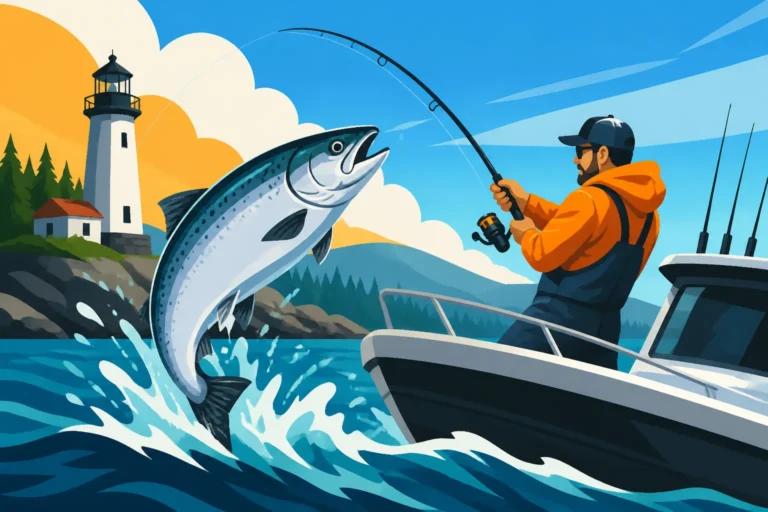
Oregon is world-renowned for its anadromous fisheries – the incredible runs of salmon and steelhead that return from the ocean to spawn in our freshwater rivers. These trips are often conducted from drift boats or power boats, navigating some of Oregon's most scenic waterways. Targeting these powerful fish can be exhilarating, and a dedicated guide can make all the difference, especially when learning the nuances of drift fishing, back-trolling, or bobber-dogging.
Imagine floating down the Clackamas River in pursuit of winter steelhead, or swinging flies on the Deschutes for summer steelhead. These experiences require a good understanding of reading water, precise casting, and often a lot of patience. A women-focused guide can patiently teach you the intricacies of Oregon Steelhead Fishing Techniques or the art of presenting bait or lures for salmon, ensuring you feel confident in your setup and approach. They'll also handle the boat, navigate rapids, and teach you about responsible fish handling and release practices. These trips are not just about catching fish; they're about experiencing the raw beauty of Oregon's rivers and connecting with nature in a profound way.
Lake and Reservoir Fishing: Trout and Warmwater Species
For those who prefer calmer waters or a different pace, Oregon's myriad lakes and reservoirs offer fantastic opportunities. From high-mountain lakes teeming with trout to large reservoirs holding bass, crappie, and kokanee salmon, there’s a lake trip for every preference. These trips often involve trolling from a boat, casting from shore, or even float tubing.
Consider a serene day on Diamond Lake, targeting feisty rainbow trout, or exploring the coves of Henry Hagg Lake for largemouth bass. A guide specializing in lake fishing can teach you about sonar readings, effective trolling patterns, bait presentations, and how to target different species based on depth and structure. They can also provide lighter tackle more suited for a relaxed day of casting for panfish or kokanee. These trips are often less physically demanding than river fishing, making them ideal for beginners, families, or those simply seeking a peaceful day on the water. They're a great way to learn fundamental fishing skills in a beautiful, often tranquil setting, and enjoy the plentiful catches these waters often provide.
Coastal and Ocean Excursions: Halibut and Rockfish
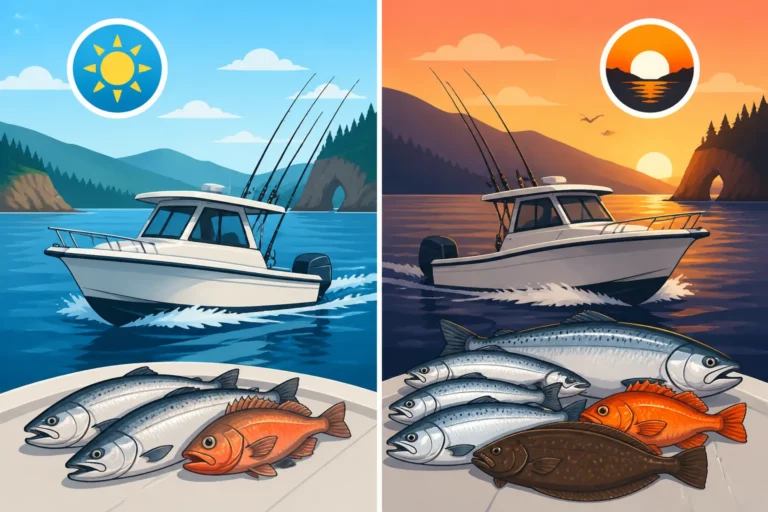
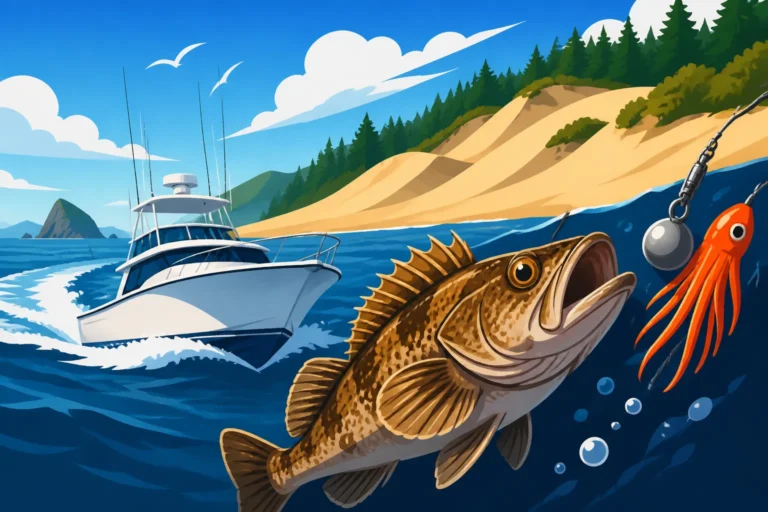
If the call of the open ocean beckons, Oregon's coast offers thrilling saltwater adventures. From bottom fishing for a variety of rockfish and lingcod to the coveted pursuit of Pacific halibut, ocean charters provide a completely different angling experience. These trips typically depart from coastal towns like Newport, Depoe Bay, or Garibaldi, heading out into the Pacific.
Ocean fishing can be a powerful experience, combining the vastness of the sea with the excitement of pulling up strong, deep-dwelling fish. A women-friendly charter captain will ensure all safety protocols are meticulously followed and that you're comfortable with the gear and techniques required, which often involve heavy rods and reels for deep-water jigging or bait fishing. They'll help you manage any seasickness concerns, ensure you're geared up for the often chilly and wet conditions, and walk you through the process of reeling in substantial fish. Knowing how to properly release non-target species and understanding daily limits are also key components of these trips. The thrill of catching a large halibut or a colorful lingcod is unforgettable, and a supportive crew can make the experience even more rewarding. Learn more about booking these adventures through Oregon Fishing Charter Guide.
Preparing for Your Guided Trip
Once you've decided on the type of trip and a guide, a little preparation goes a long way to ensure you have the best possible experience. Thinking ahead about gear, questions, and expectations can minimize stress and maximize enjoyment.
Essential Gear and What to Pack
While most guides provide the necessary fishing tackle, there are personal items you’ll want to bring to ensure your comfort and readiness. Oregon weather can be famously unpredictable, especially near the coast or in the mountains, so layering is always key.
Here’s a breakdown of essentials:
- Clothing: Think layers! Waterproof outer layers (jacket and pants) are crucial, even on sunny days, as boat spray or rain can pop up unexpectedly. Wear comfortable, non-restrictive clothing underneath. A warm hat and gloves are often welcome, even in summer, especially for early morning starts.
- Footwear: Waterproof, non-slip boots are ideal. If you're wading, the guide will likely provide waders and boots, but check beforehand.
- Sun Protection: Even on cloudy days, UV rays are strong. Bring sunscreen, a wide-brimmed hat, and polarized sunglasses to protect your eyes and help you spot fish or structure in the water.
- Food & Drink: Pack snacks and drinks. Many guides offer water, but it's always good to have your favorites.
- Personal Items: Any medications you need, a small backpack to keep your essentials handy, and a camera to capture memories.
- License & Tags: You must have a valid Oregon fishing license and any required tags or endorsements for the species you're targeting before you step on the boat. This is non-negotiable and guides cannot provide them. Make sure to understand Oregon Fishing License Types Explained and if you need an Oregon Combined Angling Tag Guide or Oregon Ocean Endorsement for your trip. You can often purchase these online easily.
A good guide will confirm what they provide and what you should bring, so don't hesitate to ask for a detailed packing list. For more specific packing advice, consider What should I bring on an Oregon fishing charter.
Asking the Right Questions Before You Go
Before you commit to a trip, have a conversation with your potential guide. This is your opportunity to ensure they are the right fit for your specific needs and expectations. Think of it as an interview, where you're both making sure it's a good match.
Here are some key questions:
- "What's your experience guiding women or beginner anglers?" This helps gauge their patience and teaching style.
- "What kind of gear do you provide, and do you have options for different body types?" This addresses comfort and fit.
- "What's a typical day like on this trip, from start to finish?" This sets expectations for timing, activities, and physical demands.
- "What species are we targeting, and what are the chances of catching them?" A realistic answer is always better than an over-promise.
- "What's the bathroom situation?" A practical question that’s often overlooked but important for comfort.
- "What's your cancellation policy for weather or other unforeseen circumstances?" Always good to know beforehand.
- "Do I need to bring anything specific beyond my license?" Confirming the packing list.
Don't be shy about asking any question that comes to mind. A truly great guide will appreciate your thoroughness and be happy to provide clear answers. This upfront communication is vital for a successful outing. For general advice, see How to Choose an Oregon Fishing Guide.
Setting Realistic Expectations
Fishing, by its very nature, is unpredictable. While guides work incredibly hard to put you on fish, there are no guarantees. Weather, water conditions, fish behavior, and even moon phases can all play a role in success. Going into a trip with an open mind and realistic expectations will greatly enhance your enjoyment, regardless of the catch count.
Focus on the experience: the beautiful scenery, the camaraderie, learning new skills, and the thrill of the chase. Celebrate every bite, every cast, and every moment spent on the water. If you land a trophy fish, that's the icing on the cake! But if the fish aren't biting, cherish the quiet moments, the wildlife sightings, and the valuable lessons learned from your guide. A good guide will also manage your expectations throughout the day, explaining conditions and adjusting strategies. Remember, sometimes the best fishing stories aren't about the biggest fish, but about the unique adventures and shared laughter.
Finding and Booking Your Perfect Guide
The growing interest in women's fishing has led to more resources and guides specializing in or being particularly welcoming to women anglers. Knowing where to look is half the battle.
Online Platforms and Directories
In today's digital age, online booking platforms and directories are fantastic resources for finding guides. Many allow you to filter by location, target species, and even read reviews that can give you insight into a guide's teaching style and how they interact with different clients.
One prominent platform where you can search for a variety of Oregon fishing guides is FishingBooker. This site often features detailed profiles of guides, including photos, available trips, and, most importantly, client reviews. When browsing on FishingBooker, make sure to read through the testimonials, specifically looking for comments that highlight patience, good communication, and a welcoming atmosphere, which are all excellent indicators of a guide who works well with women. You can often filter by "family-friendly" or "beginner-friendly" options, which often overlap with the qualities sought after in a women-focused trip. These platforms make it easy to compare options, check availability, and sometimes even book directly online, streamlining the process of finding your perfect outing. You can even reach out to guides through FishingBooker with specific questions about their approach to women anglers before booking.
Local Word-of-Mouth and Fly Shops
Sometimes, the best recommendations come from trusted local sources. Visit local fly shops, bait and tackle stores, or outdoor retailers in the area where you plan to fish. The staff often have deep connections within the guiding community and can recommend guides known for their excellent rapport with women anglers or beginners.
Don't underestimate the power of simply asking around in local angling groups or online forums. Fellow women anglers are often the best resource for honest, firsthand accounts of guides they've had positive experiences with. These personal recommendations can provide invaluable insight that you might not find in online reviews alone. A local expert might even point you towards a guide who quietly offers specialized trips or clinics for women but doesn't heavily advertise it.
Interviewing Potential Guides
As mentioned earlier, once you've narrowed down a few options, don't hesitate to "interview" them. A phone call allows you to get a feel for their personality, ask specific questions about their approach, and clarify any concerns. This is your chance to assess their communication style firsthand.
During the conversation, pay attention to how they respond. Do they listen carefully to your questions? Do they sound enthusiastic about tailoring an experience to your needs? Do they offer clear, concise answers? A good guide will make you feel comfortable and excited about the trip, not intimidated or rushed. This personal connection is key to ensuring you have a guide who will not only put you on fish but also make your experience enjoyable and empowering. This pre-trip conversation is an excellent way to ensure your Licensed Oregon Fishing Guide Requirements are met, and you feel comfortable with their expertise and approach.
Beyond the Catch: The Community Aspect
Fishing is often seen as a solitary pursuit, but for many women, it's becoming a powerful way to build community, share experiences, and support each other's growth in the sport.
The Rise of Women's Angling Groups
Across Oregon and beyond, there's been a wonderful surge in women-only fishing clubs, meet-ups, and organized trips. These groups provide a safe, supportive, and empowering space for women to learn, fish, and connect. From fly fishing clubs focused on specific rivers to groups that explore various freshwater and saltwater opportunities, these communities are thriving.
These groups often organize their own guided trips, partnering with guides who are specifically chosen for their ability to teach and cater to women. Participating in such a group can significantly reduce any apprehension about trying a new type of fishing or visiting an unfamiliar location. You're surrounded by like-minded individuals who share your passion and enthusiasm, creating an instant sense of camaraderie. Keep an eye out for local chapters of national organizations or simply search online for "women's fishing groups Oregon" to find these vibrant communities. Many guides, particularly those found on platforms like FishingBooker, are keen to work with these groups.
Mentorship and Shared Experiences
Within these groups and on women-focused guided trips, powerful mentorship opportunities often emerge. Experienced anglers are often eager to share their knowledge, tips, and encouragement with newcomers. This peer-to-peer learning environment is incredibly valuable, as it complements the guide's instruction with practical, relatable advice from those who have been in your shoes.
Shared experiences, whether it's the thrill of landing a big fish or the laughter during a snag, forge strong bonds. These moments create lasting memories and friendships, enriching the fishing experience far beyond the catch itself. There's something truly special about celebrating successes and learning from challenges alongside other women who understand and support your journey. These shared stories become part of your personal angling narrative, fueling future adventures.
Continuing Your Journey as an Angler
A women-focused guided trip can be just the beginning of a lifelong love affair with fishing. The confidence gained, the skills learned, and the connections made can propel you forward into exploring new techniques, new waters, and even taking on leadership roles within the angling community.
Many women who start with guided trips eventually become mentors themselves, passing on their knowledge and passion to others. The growth of women's fishing is not just about individual enjoyment; it's about expanding the sport, making it more inclusive, and ensuring that future generations of women feel welcome and empowered on the water. So, whether you're casting a fly on the Deschutes, trolling for kokanee on a pristine lake, or battling a halibut off the coast, remember that you're part of a growing, vibrant community of women anglers in Oregon, ready to welcome you with open arms.
| Trip Type | Target Species | Typical Location | Key Skills Learned | Best For |
|---|---|---|---|---|
| River Salmon/Steelhead | Chinook Salmon, Coho Salmon, Steelhead | Columbia, Willamette, Coastal Rivers | Drift fishing, bobber-dogging, reading water, knot tying | Anglers seeking strong fighting fish, scenic rivers |
| Lake/Reservoir Trout | Rainbow Trout, Kokanee, Brown Trout | Diamond Lake, Detroit Lake, Wallowa Lake | Trolling, casting, bait presentation, finding structure | Beginners, families, peaceful settings, consistent bites |
| Ocean Bottom Fishing | Rockfish, Lingcod | Off Newport, Depoe Bay, Garibaldi | Deep water jigging, bait fishing, heavy tackle handling | Adventurous anglers, fresh seafood, big water experience |
| Ocean Halibut | Pacific Halibut | Off Newport, Astoria | Heavy tackle, patience, deep water angling, fish fighting | Trophy hunters, patient anglers, strong fighting fish |
Disclaimer
This article is for general informational purposes only and does not constitute professional advice. Laws, prices and regulations vary by location and change over time. Consult a qualified professional for guidance on your specific situation.