Bend Oregon Fly Fishing Guides
Trying to navigate the incredible fly fishing opportunities around Bend, Oregon, can feel a bit like staring at a complex river map without a compass. With so many fantastic rivers, lakes, and streams, knowing where to go, what to use, and how to approach the water can be truly overwhelming, especially if you're new to the area or fly fishing in general. This guide is here to help you understand why a local Bend fly fishing guide is your ultimate secret weapon for unlocking these waters and making the most of your angling adventure.
Why a Fly Fishing Guide in Bend is a Game Changer
Let's be honest, Oregon's high desert and Cascade mountain streams offer some of the most rewarding, yet sometimes challenging, fly fishing experiences out there. You could spend days, even weeks, trying to figure out the local nuances on your own, battling frustrating snags, spooked fish, and the wrong fly choices. A local guide isn't just someone who rows a boat; they're a seasoned expert who has spent countless hours on these waters, reading every ripple, understanding every hatch, and knowing exactly where the fish are holding. They cut through the learning curve, transforming potential frustration into genuine success and enjoyment.
Navigating Complex Waters and Regulations
The rivers and lakes around Bend each have their own personality, unique challenges, and specific rules. Take the Deschutes River, for instance – it's world-renowned, but sections can be incredibly challenging to wade, and special regulations apply to different stretches, especially regarding wild steelhead and redband trout. Then you have the Metolius River, which is fly-fishing-only, and the Crooked River, which offers a different experience entirely. A guide understands these subtle distinctions and can lead you to the right place at the right time, safely and legally.
Imagine showing up to a river, gear in hand, only to discover you've misunderstood a specific regulation about barbless hooks or bait restrictions for that particular stretch. It happens to the best of us! A good guide acts as your living, breathing regulation handbook. They stay current on all the specific rules, closures, and emergency updates for the local waterways. They ensure you’re compliant, protecting both you from potential fines and the precious fish populations we all care so much about. This knowledge isn't just about legality; it's about ethical angling and conservation, which is at the heart of fly fishing in a place like Bend. This local expertise is invaluable for newcomers trying to understand the Oregon Fishing Regulations Explained.
Learning Local Techniques and Fly Patterns
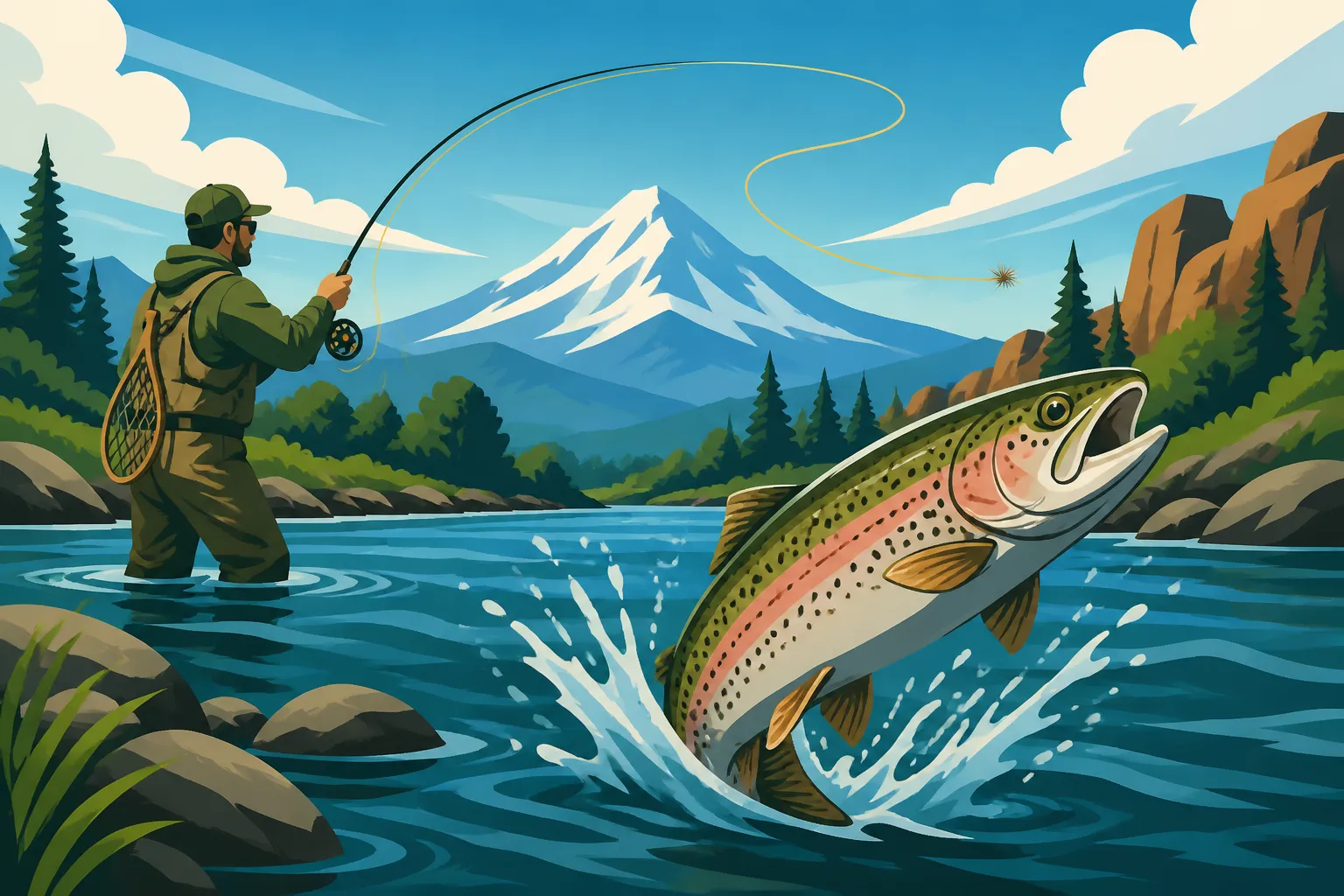
Every fishery has its secrets, and Central Oregon is no exception. What works wonders on one river might be completely ignored on another just a few miles away. Local guides have spent years perfecting techniques for the specific conditions, currents, and insect hatches prevalent here. They know which fly patterns imitate the local bugs best, from the famed Salmonflies on the Deschutes to tiny midges on a clear spring creek. They'll show you exactly how to present your fly to fool even the wariest of trout or steelhead.
Think about trying to pick the "right" fly from the hundreds in a fly shop. It's daunting! A guide will not only hand you the perfect fly but also teach you why it’s the right choice for that specific moment, hatch, and water condition. They’ll demonstrate casting techniques adapted for tight canyons or windy open stretches, and help you refine your drift to achieve that elusive drag-free presentation. This hands-on, personalized instruction is a huge advantage over trying to piece together advice from online forums or books. They can offer insights on Best Fly Patterns for Deschutes Summer Steelhead or the intricate presentation required when you How to Fly Fish the Metolius River. This kind of tailored education goes far beyond just catching fish; it empowers you with skills that will improve your fly fishing wherever you go.
Maximizing Your Limited Time on the Water
For many of us, a fishing trip to Bend is a precious escape, often limited to a few days or even a single afternoon. You don't want to spend that valuable time scouting spots, getting lost, or trying to guess what the fish are biting. A guide ensures every moment counts. They've already done the reconnaissance; they know where the fish were yesterday, where they'll likely be today, and what they're eating. This means more casting, more learning, and ultimately, more fish in the net.
Consider a typical scenario: you've driven hours to get to Bend, you've got a precious weekend, and you want to experience the legendary fishing. Without a guide, you might spend half a day driving to a spot that's overcrowded, or find the water conditions are poor, or simply struggle to locate fish. A guide eliminates this guesswork entirely. They pick you up, often with all the necessary gear, and take you directly to productive water, ready to fish. This efficiency and local knowledge are especially valuable if you're on a tight schedule or if it's your only trip of the year. It's about ensuring your investment of time and money yields the best possible experience, helping you focus on the joy of fishing rather than the logistics and frustrations. Many guides also operate on services like FishingBooker, which can streamline the booking process and help match you with the right experience.
What to Look for in a Bend Fly Fishing Guide
Choosing the right guide isn't just about finding someone with a boat and a rod. It's about finding a personality that matches yours, someone whose teaching style resonates, and who prioritizes your experience as much as, if not more than, catching fish. Bend has a fantastic community of guides, each with their own strengths, so taking the time to consider what you value in a guided trip will pay off immensely. This decision can truly make or break your day on the water.
Experience and Expertise in Central Oregon
When seeking a guide, look for someone who has a deep, intimate knowledge of the specific waters you want to fish. Central Oregon rivers like the Deschutes, Metolius, and Crooked are complex ecosystems, and a guide who spends hundreds of days a year on these particular rivers will have insights that no one else can match. Ask about their specialties – do they focus on trout, steelhead, or specific techniques like dry fly fishing or nymphing? An experienced guide isn't just about catching fish, but about understanding the river's moods and seasons, ensuring a safer and more productive outing.
A guide's experience isn't just measured in years, but in the breadth and depth of their understanding. They should know the Deschutes River Fishing Guide like the back of their hand, including seasonal changes, different hatches, and how weather patterns affect fish behavior. The best guides have a strong conservation ethic and can speak knowledgeably about the local ecosystem, teaching you about the fish and their habitat. They should be able to adapt quickly to changing conditions, whether it's a sudden weather shift or an unexpected lack of a predicted hatch. This adaptability comes only from extensive time on the water, giving them a distinct advantage in consistently finding fish and providing a valuable learning experience. Checking online reviews or platforms like FishingBooker can offer insights into other anglers' experiences with specific guides.
Communication Style and Teaching Abilities
Even the most experienced guide isn't the right fit if their communication style doesn't align with your goals. Do you want someone who's patient and thrives on teaching beginners, or are you an experienced angler looking for someone to put you on trophy fish with minimal instruction? Consider if you prefer a laid-back approach or a more direct, instructional style. A great guide is first and foremost a great communicator and teacher, able to explain complex concepts in an understandable way, offering constructive feedback without making you feel inadequate.
Before booking, it's often a good idea to have a brief conversation with a prospective guide. This allows you to gauge their personality and teaching philosophy. Are they enthusiastic about helping you improve your cast, understand the nuances of a specific river, or identify local insect life? For instance, if you're a beginner, you might want a guide who patiently explains the basics of How to Fly Fish in Oregon, from setting up your rod to reading the water. If you’re a more advanced angler, you might prefer a guide who challenges you with new techniques or takes you to more remote, demanding waters. Their ability to articulate strategies and provide clear, actionable advice is paramount to a successful and educational trip, ensuring you walk away not just with memories, but with enhanced skills.
Safety, Licensing, and Insurance
This is non-negotiable. Any legitimate fly fishing guide operating in Oregon must be properly licensed and insured. This includes state guide licenses, specific permits for operating on certain rivers (like the Deschutes), and appropriate insurance coverage. These aren't just bureaucratic hurdles; they're essential safeguards for your safety and peace of mind. Never hesitate to ask a guide for proof of their credentials. A professional guide will be proud to share them.
Licensed guides adhere to professional standards and often have certifications in first aid and CPR, which are critical when you're out in remote wilderness areas. While adventures are exciting, safety should always be the top priority. Confirming these details upfront protects you from potential liabilities and ensures you’re fishing with a reputable operation. You can learn more about these requirements in guides like Licensed Oregon Fishing Guide Requirements. It also ensures that the guide is operating legally and contributing to the responsible management of Oregon's natural resources. Don't compromise on this point; your safety and the integrity of your fishing experience depend on it.
Types of Guided Fly Fishing Trips Available
The beauty of fly fishing in Bend is the sheer variety of experiences you can have, and guides are adept at tailoring trips to suit different preferences and skill levels. From a quick half-day introduction to an immersive multi-day expedition, there's a guided trip designed to match your angling dreams. Understanding the options will help you articulate your perfect day on the water when you're speaking with potential guides.
Full-Day vs. Half-Day Adventures
Deciding between a full-day or half-day trip largely depends on your time constraints, budget, and stamina. A half-day trip is a fantastic option for beginners or those with limited time, offering a taste of the local fishing without the full commitment. It's often a more budget-friendly introduction to guided fly fishing. Full-day trips, on the other hand, provide a more immersive experience, allowing for deeper exploration of the river, more time to learn and practice techniques, and often include a streamside lunch.
For a true deep dive into a river system, a full-day trip is almost always recommended. It gives you the chance to fish different sections of the river, adapt to changing conditions throughout the day, and really dial in your technique. On a full-day trip, your guide can explore multiple spots, perhaps starting with nymphing in the morning and transitioning to dry flies if a hatch comes off in the afternoon. This extended time allows for a more relaxed pace and a more comprehensive learning experience. However, if you’re fishing with young children or have never fly fished before, a half-day might be perfect to test the waters and see if you fall in love with it. Many guides offer both options, and platforms like FishingBooker can help you sort by trip duration.
Walk-and-Wade vs. Drift Boat Trips
The choice between walk-and-wade and drift boat trips is often dictated by the specific river and your physical capabilities, as well as your desired experience. Walk-and-wade trips are perfect for accessing smaller streams, headwaters, or sections of larger rivers where a boat isn't feasible. They offer a more intimate connection with the water, requiring you to actively move and navigate the riverbank and shallow stretches. Drift boat trips, commonly found on larger rivers like the Deschutes, allow you to cover significant stretches of water efficiently, accessing prime spots that might be difficult or impossible to reach on foot.
| Trip Type | Best For | Key Advantages | Considerations |
|---|---|---|---|
| Walk-and-Wade | Smaller streams, technical water, physical activity | Intimate experience, stealthy approach, focused instruction | Limited water covered, more physical exertion |
| Drift Boat | Larger rivers, covering distance, comfort | Cover vast stretches, access remote spots, less walking | Less intimate connection, sometimes faster pace |
A drift boat trip typically offers a comfortable platform for fishing, especially for those with mobility concerns or if you simply prefer a less strenuous day. Your guide rows the boat, positioning you perfectly for drifts through prime riffles and runs. This means more time with your fly in the water and less time walking. On the other hand, a walk-and-wade trip offers a more "hunter-gatherer" style of fishing, where you actively seek out fish in smaller pockets and pools. It can be incredibly rewarding and provides a unique perspective on the river. For beginners, the question Is a wading trip or drift boat trip better for beginners? is common; often, a drift boat offers a gentler introduction while a wade trip offers more focused casting instruction. It's truly about matching the experience to your preference and the specific river.
Specialty Trips: High Lakes or Specific Species
Beyond the classic river experiences, many Bend fly fishing guides offer specialty trips designed for unique adventures. This could include trips to the high Cascade lakes, targeting brook trout, rainbow trout, or even elusive mackinaw, often involving a hike or even an overnight stay. Other specialty trips might focus on specific fish species, like targeting bull trout in certain areas (with proper permits and strict catch-and-release rules) or pursuing elusive summer steelhead on the Deschutes.
These specialty trips are often for more adventurous anglers looking for a distinct challenge or a unique scenic experience. Imagine a crisp morning high in the Cascades, casting dry flies to rising trout in a pristine alpine lake, far from the crowds. This is the kind of experience a specialty guide can facilitate. They know the remote access points, the seasonal windows, and the specific patterns needed for these unique environments. Make sure to discuss your interests with your guide; they might have just the perfect off-the-beaten-path adventure in mind. For example, a guide specializing in Crooked River trout fishing near Prineville will have different expertise than one focusing on How to Fly Fish the Metolius River in the colder months.
Understanding the Costs and What's Included
Let's talk brass tacks: what does a guided fly fishing trip in Bend cost? It’s a common question, and one that deserves a clear, realistic answer. While specific figures are always best confirmed directly with the guide or outfitter, understanding the general structure of fees and what you can expect to be included will help you budget and manage expectations. Remember, you’re not just paying for a day of fishing; you’re investing in expertise, equipment, safety, and a potentially unforgettable experience.
Breaking Down Typical Guide Fees
The cost of a guided fly fishing trip in Bend can vary widely based on several factors: whether it's a half-day or full-day, a walk-and-wade or drift boat trip, the number of anglers, and the guide's experience level. Generally, you’ll find half-day trips are a more affordable entry point, while full-day excursions naturally command a higher price due to the extended time, resources, and typically more comprehensive experience. It’s important to remember that these fees often cover far more than just the guide's time on the water.
These fees contribute to the guide's operational costs, including boat maintenance, vehicle fuel, insurance, licensing, and constant investment in new gear, flies, and tackle. Highly sought-after guides with years of local expertise, who consistently put clients on fish and provide an exceptional experience, might have a higher rate. This isn't just about their skill; it's also about their reputation and the demand for their services. Don't be shy to ask a prospective guide for a detailed breakdown of their fees and what specifically is included. Many guides list their rates clearly on their websites or booking platforms, which can also be found through services like FishingBooker, providing transparency. You can also explore options like Cost of a full day fly fishing guide trip near Sisters to get a sense of regional pricing.
What to Expect: Gear, Flies, and Meals
One of the major benefits of hiring a fly fishing guide, particularly for beginners or travelers, is that they typically provide most, if not all, of the necessary gear. This often includes high-quality rods, reels, waders, boots, and all the flies and terminal tackle you’ll need for the day. This saves you the expense and hassle of purchasing or transporting bulky equipment, especially if you’re flying in. On full-day trips, a delicious streamside lunch, snacks, and non-alcoholic beverages are usually part of the package.
Before your trip, always confirm with your guide exactly what they provide. This prevents any surprises and ensures you know what you need to bring yourself. While most guides supply the essentials, some might ask you to bring your own specific items, or if you prefer using your own lucky rod, that's often welcome too. The inclusion of meals and drinks adds significantly to the overall experience, making the day seamless and enjoyable without needing to pack your own provisions. It means you can fully immerse yourself in the fishing experience, knowing all the details are taken care of by your professional guide.
The Importance of Tipping Your Guide
Tipping your fly fishing guide is customary and very much appreciated in the industry, much like tipping in a restaurant or for other service-based professions. It’s a way to acknowledge the hard work, expertise, and personalized service your guide provides, especially when they go above and beyond to make your day special, put you on fish, and teach you new skills. Guides often work long hours, with significant preparation and cleanup before and after your time on the water.
A typical tip for a good full-day guided trip is generally 15-20% of the trip cost, though this can vary based on your experience and satisfaction. If your guide was exceptional, consider tipping more. If you felt the service was adequate but not outstanding, adjust accordingly. Always tip in cash if possible, directly to your guide at the end of the trip. This gesture shows your appreciation for their efforts, their knowledge, and their commitment to providing you with a memorable experience. It’s a small way to say thank you for a great day on the water and helps them continue doing what they love. For more detailed insights, check out How much do you tip an Oregon fishing guide.
Preparing for Your Guided Fly Fishing Trip
You've booked your guide, you're excited, and now it's time to get ready! A little preparation on your part can go a long way in ensuring your trip is as smooth, comfortable, and productive as possible. Being prepared demonstrates respect for your guide's time and allows you to fully focus on the fishing adventure ahead.
Essential Gear and Clothing to Bring
While your guide will likely provide much of the fishing gear, there are essential personal items you’ll need to bring to ensure your comfort and safety. Layers are key in Central Oregon, as weather conditions can change rapidly from chilly mornings to warm afternoons, sometimes with sudden gusts of wind or rain. Think moisture-wicking base layers, a fleece or insulated mid-layer, and a waterproof/breathable outer shell. Sun protection, including a wide-brimmed hat, sunglasses (polarized are a must for seeing fish!), and sunscreen, is crucial, especially on bright, reflective rivers.
Don't forget essentials like any personal medications, a small backpack for your layers and snacks (even if lunch is provided), and a camera to capture those memorable catches. Your guide can advise on specific clothing recommendations based on the season and expected weather. Good quality fishing socks can make a huge difference in comfort inside waders. And remember, leave the cotton at home; synthetic or wool fabrics are far superior for warmth and moisture management when you're out on the water.
Physical Preparation and Expectations
Fly fishing, especially walk-and-wade trips, can be more physically demanding than some people anticipate. Wading in swift currents over uneven, slippery riverbeds requires balance, core strength, and stamina. Even drift boat trips involve some standing, casting, and potentially scrambling on and off the boat. While you don't need to be an Olympic athlete, a reasonable level of fitness will significantly enhance your enjoyment and reduce fatigue.
Communicate any physical limitations or concerns with your guide in advance. They are professionals and can adjust the trip to accommodate you, perhaps choosing less strenuous wading sections or focusing more on drift boat fishing. Managing your expectations is also important. While a guide dramatically increases your chances of success, fly fishing is still fishing – there are no guarantees. Focus on the experience, the learning, and the beauty of Central Oregon's wild places. Catching fish is a bonus! Remember, the goal is to enjoy the process and perhaps learn Oregon Fishing Techniques for Beginners along the way.
Booking Your Trip and Finalizing Details
Once you've chosen your guide, the final steps involve booking your trip and confirming all the details. Be clear about your desired dates, the number of anglers, and any specific goals or preferences you have for the trip. Most guides require a deposit to secure your booking, with the balance due on the day of the trip. Always confirm their cancellation policy, especially regarding weather, as unforeseen circumstances can arise.
Confirming a meeting time and location, and double-checking what you need to bring (including your Oregon fishing license and any necessary endorsements like a Oregon Combined Angling Tag Guide) are crucial final steps. Don't hesitate to ask any last-minute questions that come to mind. A good guide will appreciate your thoroughness and be happy to put your mind at ease. Platforms like FishingBooker can often facilitate this entire booking and communication process, making it simpler to connect with reputable Oregon Fly Fishing Guides and confirm all the specifics for your Central Oregon adventure.
Disclaimer
This article is for general informational purposes only and does not constitute professional advice. Laws, prices and regulations vary by location and change over time. Consult a qualified professional for guidance on your specific situation.