Crabbing Charter Trips in Oregon
There's nothing quite like the thrill of pulling up a crab pot, anticipating a bounty of fresh Dungeness crab, but for many, the logistics of owning a boat, gear, and knowing the best spots can feel like a huge barrier. If you've ever dreamt of experiencing that quintessential Oregon crabbing adventure without the hassle, this comprehensive guide is for you. We're going to dive deep into everything you need to know about crabbing charter trips in Oregon, making it easy for you to plan your next delicious outing on the water.
Why Choose a Crabbing Charter in Oregon?
Let's be honest, crabbing can be an intimidating endeavor if you're new to it or don't have all the specialized equipment. Buying crab pots, ropes, floats, bait, and a boat to deploy them can add up quickly, not to mention finding the right spots and understanding the tides. That's where a crabbing charter really shines, offering an accessible and enjoyable way to get straight to the good stuff: catching those delicious Dungeness crabs!
Ease and Accessibility for Everyone
One of the biggest frustrations for aspiring crabbers is simply not knowing where to start. You might live inland, or perhaps you're visiting Oregon and don't want to invest in a full setup for a single trip. Crabbing charters eliminate all these barriers. They provide everything – the boat, the gear, the bait, and most importantly, the expertise. This means families with young children, groups of friends, or even solo adventurers can enjoy a day on the water without any prior experience or equipment investment. It levels the playing field, ensuring everyone has a shot at bringing home dinner. Think of it as your all-inclusive ticket to a successful crabbing trip, where all you need to do is show up ready for some fun.
It's a fantastic option for those who want to try crabbing before committing to buying their own gear, or for tourists who simply want an authentic Oregon experience without lugging equipment on a plane. The charter captains are also well-versed in handling all the heavy lifting, literally, which can be a huge relief for anyone not accustomed to wrestling with heavy, muddy crab pots. You get to enjoy the scenic beauty of Oregon's bays and estuaries, breathe in the fresh sea air, and partake in a beloved local tradition with minimal effort on your part.
Expert Knowledge and Gear Provided
Attempting to crab on your own often involves a lot of guesswork. Where are the crabs hiding today? What bait are they hitting? How deep should I drop my pots? Charter captains have years, sometimes decades, of experience on the local waters. They know the bays like the back of their hand – where the currents run, where the crab move with the tides, and the secret spots that consistently produce good hauls. This local knowledge is invaluable and drastically increases your chances of a successful trip.
Beyond just knowing the best locations, charters come equipped with top-notch gear. We're talking commercial-grade crab pots, quality ropes, and the freshest bait, often herring or chicken, which are proven crab magnets. You won't have to worry about a broken pot or a cheap line spoiling your day. They also handle all the maintenance and storage, which, let's face it, is a huge chore if you own your own gear. Their equipment is specifically chosen for efficiency and effectiveness, designed to maximize your chances of a great catch. This means less frustration with tangled lines or empty pots and more time enjoying the process and the company.
Maximizing Your Catch Potential
Let's be real, while the experience is fun, bringing home a delicious feed of fresh crab is a major goal for most people. A crabbing charter is often the most efficient way to achieve this. With the captain's expertise and professional gear, your chances of hitting your Oregon Daily Bag Limits Explained are significantly higher than if you were just dropping a couple of pots off a public dock. They often have multiple pots soaking, giving you more opportunities to check and reset throughout the trip.
Furthermore, these experienced guides are masters at quickly identifying legal-sized Dungeness crabs, ensuring you're only retaining the keepers and releasing the rest responsibly. They can guide you through the process of How to Measure a Legal Dungeness Crab quickly and accurately, preventing any accidental violations of fishing regulations. This efficiency not only leads to a better catch but also helps you learn proper crabbing techniques, should you decide to pursue the hobby independently later on. It’s not just about catching; it’s about learning to catch smart and ethically.
What to Expect on an Oregon Crabbing Charter
So, you're sold on the idea of a charter! But what does a typical crabbing trip actually look like? It's not just sitting around waiting for crabs to climb into a pot. It's an active and engaging experience from start to finish, often combined with beautiful scenery and marine wildlife viewing.
The Crabbing Process Explained
Your crabbing charter adventure will usually begin at the dock, where you'll meet your captain and crew. After a brief safety talk and an overview of the day, you'll head out into one of Oregon's beautiful bays. The captain will typically have pre-baited pots soaking in prime crabbing areas, or they might instruct you on how to bait and deploy them yourself, giving you a hands-on experience. This initial soaking period is crucial, allowing the scent of the bait to attract crabs into the pots.
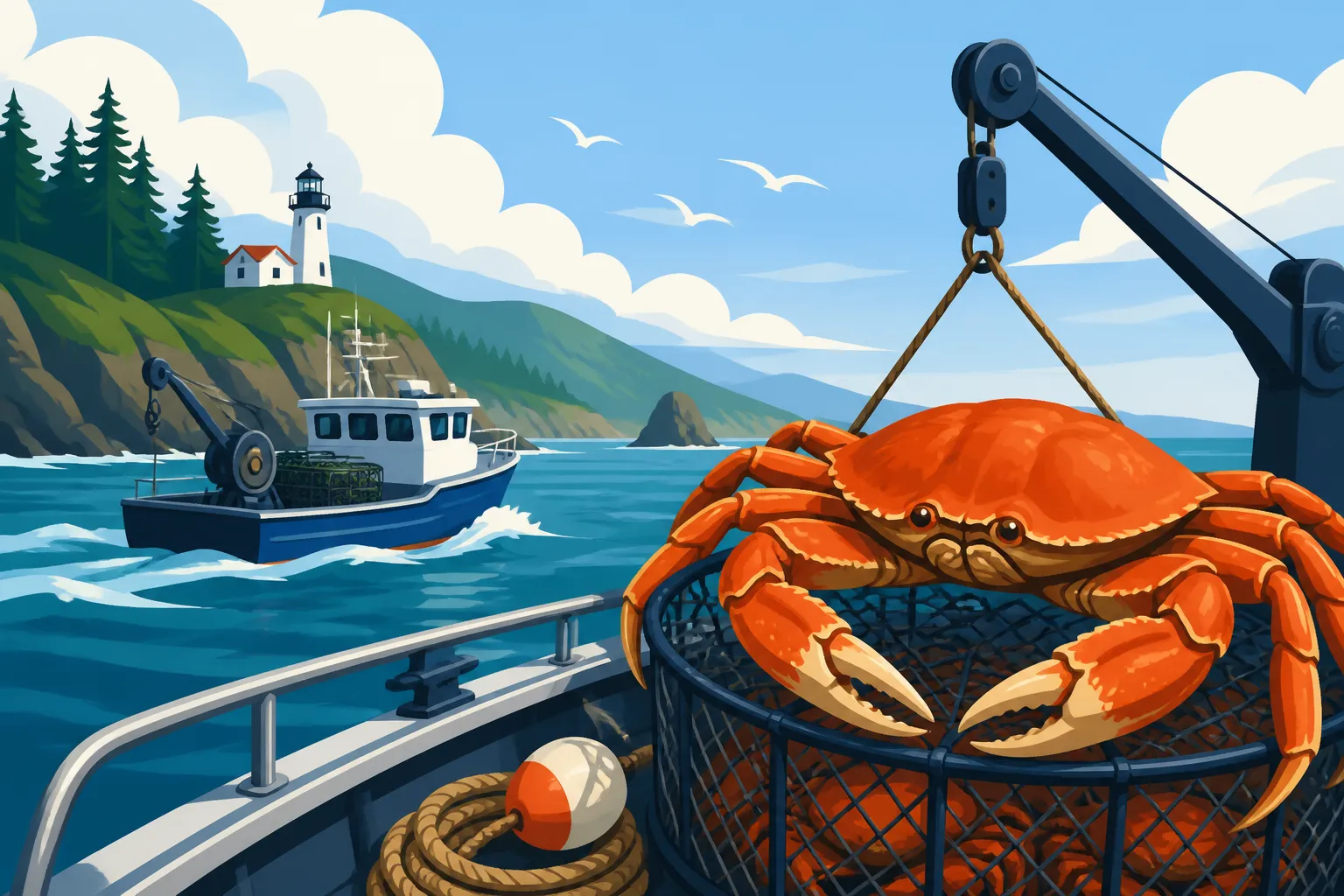
Once the pots have had enough time to work their magic (usually 30 minutes to an hour, sometimes longer), the real fun begins: pulling them up! Depending on the boat and the depth, this might involve a hydraulic davit, or for smaller operations, it could be a good old-fashioned arm workout. As the pot breaks the surface, there's always an exhilarating moment of anticipation. Once on deck, the crew will help you sort through the catch, measure the crabs, and release any undersized, soft-shelled, or female crabs. This process repeats several times, moving to different pot locations or resetting pots to give new areas a chance. It’s a rhythmic, exciting dance between deployment and retrieval, all guided by the captain's knowledge of the tides and currents.
Typical Trip Duration and Destinations
Most crabbing charter trips are designed to be a comfortable half-day excursion, typically lasting around 3 to 4 hours. This duration allows for multiple pot pulls, ensuring a good chance at a substantial catch, without being an overly long day on the water. Some charters might offer shorter 2-hour trips, especially for families with very young children, or longer 5-6 hour trips if combined with fishing. The exact duration often depends on the specific bay, the captain's strategy, and the time of year.
Oregon boasts several fantastic bays for crabbing, each with its own charm and popularity. Tillamook Bay Fishing Guide is renowned for its vast crabbing grounds, offering plenty of space for many pots. Yaquina Bay Crabbing and Fishing Spots, located in Newport, is another prime location, known for its consistent Dungeness crab populations and easy access to ocean crabbing when conditions allow. Other excellent destinations include Coos Bay, Nehalem Bay, and Winchester Bay, each providing unique scenic backdrops and ample crabbing opportunities. Your choice of charter location might depend on where you're staying along the coast, or which bay offers the specific type of experience you're seeking.
Beyond Crabbing: Combo Trips
If you're looking to make the most of your time on the water, many Oregon charters offer fantastic combo trips that pair crabbing with other angling adventures. This is a brilliant way to experience more of what Oregon's coastal waters have to offer and maximize your chances of bringing home a diverse bounty. Imagine pulling up a pot full of Dungeness, and then immediately dropping a line for some delicious bottom fish!
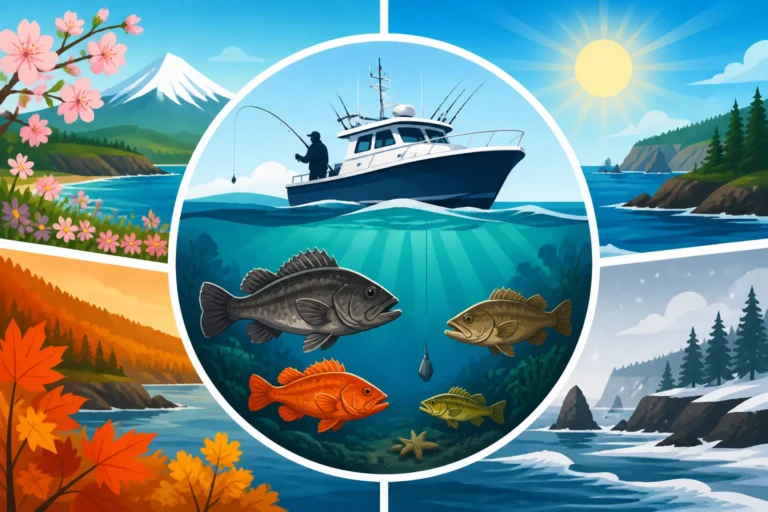
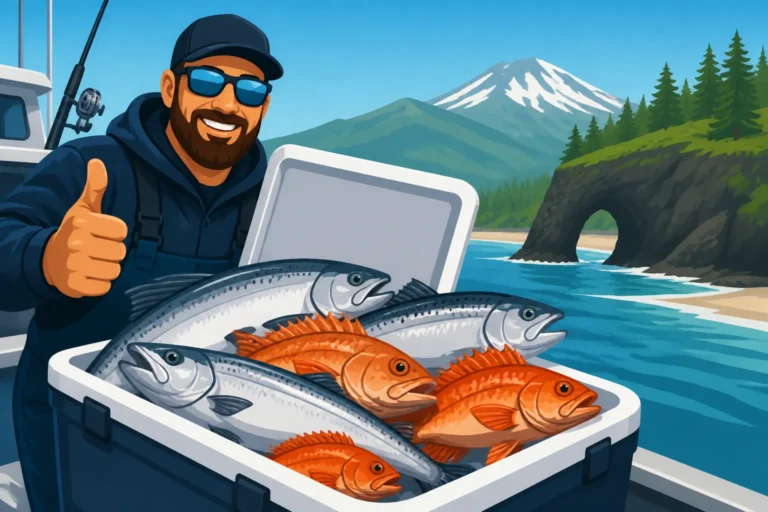
One popular combination is crabbing and bottom fishing. After you've had your fill of pulling crab pots, the captain can take you to nearby reefs or rocky structures where you can jig for lingcod, rockfish, or even sea bass. It's a great way to add variety to your catch and enjoy two distinct types of fishing in one outing. Another appealing option, especially during specific seasons, is to combine crabbing with salmon fishing. While salmon fishing requires different techniques and sometimes different areas, some charters are set up to do both, particularly during the peak Oregon Salmon Fishing Techniques seasons in the bays. Be sure to discuss combo options when booking your trip; sites like FishingBooker often list detailed itineraries, helping you find a charter that perfectly matches your multi-species ambitions. These combo trips often last longer than a standalone crabbing trip, so prepare for a full day of adventure!
Essential Preparations for Your Crabbing Adventure
Even though a charter handles most of the heavy lifting, there are still a few key things you'll need to sort out beforehand to ensure a smooth and enjoyable day. Getting these small details right can make all the difference for a stress-free trip.
Licenses and Regulations You'll Need
This is perhaps the most crucial pre-trip detail: your license. Yes, even on a charter, you are responsible for having the proper licensing. For crabbing in Oregon, you'll need an Oregon Shellfish License. This is separate from a general angling license, although sometimes they can be purchased together. If you're planning a combo trip that includes fin fishing, you'll also need a valid Oregon Fishing License Guide in addition to your shellfish license.
It’s always a good idea to check the current Oregon Fishing Regulations Explained for Dungeness crab, specifically focusing on size limits, daily bag limits, and gear restrictions. The good news is that your charter captain will be an expert on these rules and will guide you through measuring and sorting your catch to ensure compliance. However, understanding the basics yourself adds to the experience and responsibility. Licenses can be purchased online through the Oregon Department of Fish and Wildlife (ODFW) website, at licensed vendors like sporting goods stores, or sometimes directly from the charter office. Don't wait until the last minute – get your license squared away before your trip.
What to Bring (and What Not To)
Packing smart for your crabbing charter will enhance your comfort and enjoyment. While the charter provides the core gear, personal items are up to you.
Here’s a helpful list:
- Warm Layers: Even on a sunny day, it can get chilly on the water, especially with sea breezes. Dress in layers, including a waterproof outer shell, even if rain isn't in the forecast.
- Sun Protection: Sunscreen, a hat, and sunglasses are non-negotiable. The reflection off the water intensifies the sun's rays.
- Food and Drinks: Most charters don't provide meals, so pack snacks, lunch, and plenty of water or other beverages. Alcohol policies vary, so check with your charter beforehand.
- Cooler: Bring a cooler to transport your catch home. Some charters might have ice, but it's best to confirm.
- Camera: Capture those memorable moments and your impressive haul!
- Seasickness Medication: If you're prone to motion sickness, take preventative medication well before the trip begins. While crabbing often occurs in calmer bays, some ocean-side areas or rougher days can still be a challenge.
What not to bring? Leave your own crab pots, heavy tackle boxes (unless it's a specific combo fishing trip), and anything that might get easily damaged by water or crab claws at home. The charter has all the necessary professional gear. Also, avoid bringing excessive baggage; boat space is often limited.
Booking Your Charter: Tips and Considerations
Booking your crabbing charter is exciting! To ensure you get the best experience, consider a few factors. First, popular charters, especially during peak Oregon Crabbing Season Timing and holidays, book up quickly. It's wise to reserve your spot well in advance, sometimes months ahead for prime dates.
When researching charters, read reviews from past customers. Look for captains who are known for their professionalism, good equipment, and friendly demeanor. Websites like FishingBooker are excellent resources for finding and comparing various Oregon Ocean Charter Fishing options, allowing you to filter by location, trip type, and customer ratings. Don't hesitate to call the charter company directly if you have specific questions about group size, kids' policies, or what's included in the Oregon Fishing Charter Costs. Always confirm the meeting location, departure time, and what payment methods they accept. Being prepared with these details will help ensure a smooth start to your crabbing adventure. Additionally, ask about their cancellation policy, especially regarding weather, as conditions on the Oregon coast can change rapidly. A good charter will have a clear policy for rescheduling or refunds in case of unsafe conditions.
Popular Oregon Bays for Crabbing Charters
Oregon's coastline is dotted with incredible bays and estuaries, many of which are prime habitats for Dungeness crab. While a charter can take you to the best spots within any given bay, knowing the general characteristics of these popular crabbing destinations can help you choose the ideal location for your trip.
Tillamook Bay: A Crabbing Hotspot
Tillamook Bay, a vast estuary located on the northern Oregon coast, is often hailed as one of the state's premier crabbing destinations. Its sheer size, diverse underwater structure, and abundant food sources create an ideal environment for Dungeness crab to thrive. This means consistent crabbing opportunities and a good chance at hitting those daily limits. The bay is fed by five major rivers, bringing in nutrients and creating a rich ecosystem that supports healthy crab populations.
Charters operating out of communities like Garibaldi or Bay City have direct access to these productive waters. The captains here have intimate knowledge of the bay's numerous channels, flats, and deep holes where crabs tend to congregate, especially with varying tides. The vastness of Tillamook Bay Fishing Guide also means that even on busy weekends, there's usually enough room for everyone to spread out without feeling overcrowded. You'll often see commercial crabbers working the same waters, a testament to the bay's consistent productivity. A trip here not only offers great crabbing but also stunning views of the surrounding coastal mountains and wetlands, making for a truly memorable day out.
Yaquina Bay: Newport's Bountiful Waters
Further south, Yaquina Bay, centered around the bustling fishing port of Newport, offers another fantastic crabbing experience. This bay is not only scenic, with its iconic Yaquina Bay Bridge, but it's also incredibly productive. Yaquina Bay consistently ranks among the top spots for Dungeness crab, attracting both recreational and commercial crabbers year-round. The bay's entrance to the Pacific Ocean also offers unique opportunities for charters to transition to ocean crabbing during calm weather, which can sometimes yield larger crabs.
Charters in Newport benefit from the bay's natural characteristics – a relatively deep channel and numerous sandy flats that provide excellent habitat. They are experts at navigating the bay's currents and knowing exactly where to drop pots for optimal results. When you book a charter here, you're tapping into generations of local knowledge specific to Yaquina Bay Crabbing and Fishing Spots. Plus, Newport itself is a vibrant coastal town with plenty of attractions, fresh seafood restaurants, and comfortable lodging, making it an ideal base for a crabbing getaway. After your charter, you can even have some of your fresh catch prepared at a local eatery, or simply enjoy the lively atmosphere of the bayfront.
Other Great Crabbing Locations
While Tillamook and Yaquina Bays are arguably the most famous, Oregon has several other excellent bays that offer fantastic crabbing charter opportunities. Each bay has its own unique character and often attracts a slightly different crowd, from the more secluded to the bustling.
- Coos Bay: As Oregon's largest natural coastal bay, Coos Bay in Southern Oregon provides extensive crabbing grounds. Charters operating out of Charleston or Coos Bay itself can explore vast mudflats and channels known for holding large numbers of Dungeness Crab in Oregon. It's a bit further south for many, but the rewards can be substantial.
- Nehalem Bay: North of Tillamook, Nehalem Bay is a smaller, often less crowded option, but still very productive. The charming town of Wheeler is a popular launch point, and charters here offer a more tranquil crabbing experience amidst beautiful scenery.
- Winchester Bay: Located at the mouth of the Umpqua River, Winchester Bay is known for both its salmon runs and excellent crabbing. It’s a favorite among those who appreciate the wilder, dune-backed landscapes of the central coast.
- Depoe Bay: While famous for whale watching and deep-sea fishing, some Depoe Bay charters also offer crabbing, particularly focusing on ocean pots outside the bay when conditions permit. This can be an exciting option for those seeking a true ocean adventure combined with their crabbing.
No matter which bay you choose, your charter captain will be the best resource for current conditions and optimal crabbing areas. Using a service like FishingBooker can help you sort through charters by location, allowing you to pick the perfect bay for your Oregon crabbing adventure.
Understanding Crabbing Seasons and Best Times
Timing is everything when it comes to crabbing, and while Oregon's Dungeness crab season has some general guidelines, specific conditions and regulations can greatly influence your success. Knowing when to go and what factors play a role can help you plan the most productive trip.
Peak Seasons for Dungeness Crab
While recreational crabbing for Dungeness crab is technically open year-round in Oregon's bays and estuaries, there are definitely peak times when the crabs are more abundant and fuller, meaning they have more meat. The commercial Dungeness crab season typically starts in December, and this often signals the beginning of prime crabbing for everyone. However, for recreational crabbers, the months from September through December are widely considered the absolute best. During this period, the crabs have molted, grown larger, and filled out their new shells with sweet, delicious meat. The water temperatures are also starting to cool, which stimulates their feeding activity.
Another excellent window is late spring and early summer (April to June), especially for bays. As the water warms, crabs become more active. However, you might encounter more "soft-shelled" crabs during this time, as some crabs will have just molted and haven't fully filled out their shells yet. The captain of your Oregon Crabbing Season Timing charter will be adept at identifying these soft-shelled crabs, which are usually released, ensuring you only take home the plumpest, most delicious ones. Always remember that regulations can change, so a quick check of the ODFW website or a chat with your charter captain is a must before planning your trip.
Tidal Influences and Weather Wisdom
Beyond the general season, understanding daily tidal cycles is incredibly important for successful crabbing. Crabs are highly influenced by tides, moving with the water to feed and seek shelter. Most experienced crabbers will tell you that the incoming tide and the slack high tide are the most productive times. As the tide comes in, it brings fresh food and often stirs up the bottom, making crabs more active and likely to move into your pots. The slack high tide, the period of minimal water movement before the tide starts to recede, is also excellent because crabs are generally settled and less likely to swim out of your pots.
Weather also plays a significant role. While crabbing can be done in light rain, strong winds and rough seas can make for an uncomfortable and even unsafe trip, especially in more exposed bay entrances or if an ocean crabbing component is planned. Charters will prioritize safety above all else and will cancel or reschedule trips if weather conditions are deemed too hazardous. Always check the marine forecast before your trip, and communicate with your charter captain about any concerns. They are the experts on navigating Oregon's ever-changing coastal weather and will advise you accordingly. Don't be disappointed if a trip is called off for weather; it's always for your safety and comfort.
Crabbing Year-Round: Opportunities Beyond Peak
While there are peak seasons, recreational crabbing can be enjoyed year-round in Oregon's bays and estuaries, offering opportunities even outside the busiest months. Don't let the idea of "peak season" deter you if your travel plans fall outside those windows; you can still have a successful and enjoyable trip. For instance, winter crabbing can be excellent, though the weather can be more challenging. Many local crabbers swear by the winter months for large, meat-filled Dungeness, as the colder water helps firm up their shells.
During the summer, while some crabs might be soft-shelled from molting, there are still plenty of hard-shelled keepers to be found. Plus, summer often brings calmer weather, making for a more comfortable day on the water, especially if you're bringing kids or are prone to seasickness. The key during these "off-peak" times is to go with an experienced charter. Their local knowledge becomes even more critical, as they know where crabs tend to hide when they're less active or undergoing biological changes. So, no matter when you visit the Oregon coast, there's likely a crabbing adventure waiting for you. Just be sure to consult with your chosen charter about current conditions and expected catch rates for the time of your visit.
Making the Most of Your Catch
Congratulations, you've had a fantastic time on your crabbing charter and brought home a cooler full of fresh Dungeness! Now comes the satisfying part: preparing and enjoying your bounty. Proper handling and cooking techniques ensure that every bite is as delicious as possible.
Measuring and Cleaning Your Crabs
Before you even think about cooking, it's crucial to confirm that all your crabs meet the legal requirements. Your charter captain will have already guided you through this on the boat, but it's good practice to double-check. How to Measure a Legal Dungeness Crab involves measuring the crab across its back, just in front of the widest points of the shell. In Oregon, Dungeness crab must be at least a certain size (check current ODFW regulations, as this can change) and, importantly, only male Dungeness crabs can be retained. Females and soft-shelled crabs must be immediately returned to the water.
Once you've confirmed your keepers, it's time to clean them. Many charters offer cleaning services right at the dock, sometimes for an additional fee, which is a huge convenience. If not, cleaning a crab at home is straightforward:
- Separate the Carapace: Hold the crab from behind, near its swimming legs. Use your thumb to push up on the top shell (carapace) from the underside, near the rear of the crab. It should pop off relatively easily.
- Remove Gills and Guts: Discard the carapace. On the body (or "crab butter") now exposed, you'll see feathery gray gills on both sides – these are not edible. Scrape them off. Also, remove the mouthparts and any yellowish-green digestive matter. A quick rinse under cold running water helps clean out the cavity.
- Break in Half: You'll be left with clean crab sections. You can leave them whole or break them in half for easier cooking and serving.
This process removes the non-edible parts and ensures you're left with pure, sweet crab meat.
Cooking and Enjoying Your Fresh Dungeness
There are many delicious ways to cook Dungeness crab, but the most common and arguably the best for showcasing its natural flavor is simply boiling or steaming. This method keeps the meat tender and succulent.
Boiling:
Bring a large pot of heavily salted water to a rolling boil. If you have sea water available, even better! Add the cleaned crab sections (or whole crabs if you prefer, though cleaning first is often easier). Once the water returns to a boil, cook for about 8-12 minutes for cleaned sections, or 15-20 minutes for whole crabs, depending on their size. The shells will turn a vibrant orange-red.
Steaming:
Place cleaned crab sections in a steamer basket over about an inch of boiling water. Cover tightly and steam for 8-15 minutes, or until the shells are bright orange-red. Steaming is often preferred by connoisseurs as it preserves more of the crab's natural juices and flavor compared to boiling.
Once cooked, immediately plunge the crabs into an ice bath to stop the cooking process and preserve the tenderness of the meat. Serve hot or cold with melted butter, lemon wedges, or a simple garlic aioli. The sweet, rich flavor of freshly caught Dungeness crab is unparalleled and the perfect reward for your crabbing adventure. Don't forget to crack those claws for the prized meat!
Responsible Crabbing Practices
As a veteran lifestyle blogger for Oregon Fishing, I always emphasize the importance of responsible practices, not just for the environment but for the sustainability of our fisheries. When you're out on a crabbing charter, your captain will lead by example, but it's good for you to understand the principles too.
- Know and Follow Regulations: Always adhere to current ODFW regulations regarding size limits, bag limits, and gear restrictions. These rules are in place to protect the crab population and ensure future crabbing opportunities.
- Release Females and Soft Shells: Female Dungeness crabs are the breeding stock, and releasing them ensures the continuation of the species. Soft-shelled crabs are still growing and haven't filled out with meat, so releasing them allows them to mature.
- Minimize Impact: When handling crabs, do so gently and return non-keepers to the water quickly and carefully. Avoid unnecessary stress or injury.
- Proper Disposal: Ensure all bait remnants, lines, and any other trash are properly disposed of on shore. Never discard anything overboard.
- Report Violations: If you ever witness poaching or other violations, report them to the Oregon State Police fish and wildlife division. Protecting our resources is a shared responsibility.
By following these guidelines, you're not just enjoying a great day out; you're also contributing to the health and sustainability of Oregon's incredible Dungeness crab fishery for generations to come.
| Aspect | Self-Guided Crabbing | Crabbing Charter Trip |
|---|---|---|
| Equipment & Gear | Requires purchase/rental of pots, ropes, floats, bait, boat | All professional gear provided (pots, bait, boat, safety) |
| Local Knowledge | Requires personal research and trial-and-error | Captain provides expert knowledge of best spots & tides |
| Experience Level | Best for experienced boaters/crabbers, steep learning curve | Ideal for all levels, from beginners to seasoned anglers |
| Trip Duration | Flexible, but often involves more setup/travel time | Typically 3-4 hours, efficient use of time |
| Cost | High initial investment, recurring bait/fuel | Upfront charter fee, no hidden gear costs |
| Likelihood of Catch | Varies greatly with experience and effort | High, due to captain's expertise and multiple pots |
| Safety | Personal responsibility for boat/water safety | Captain responsible for boat safety, professionally managed |
| Convenience | Low, involves planning, prep, cleaning, storage | High, show up, crab, take home your cleaned catch |
| Learning Opportunity | Hands-on learning, potentially slow | Learn from experts, efficient and guided |
Disclaimer
This article is for general informational purposes only and does not constitute professional advice. Laws, prices and regulations vary by location and change over time. Consult a qualified professional for guidance on your specific situation.