How much is the pikeminnow reward per fish
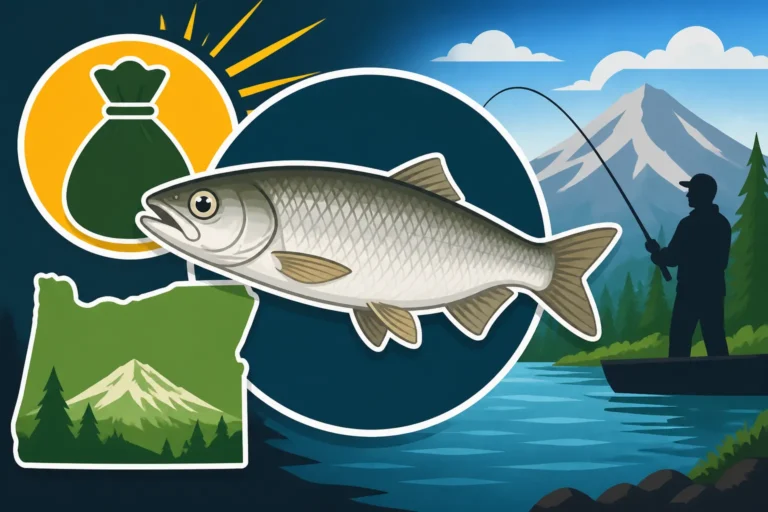
It's incredibly frustrating when you're trying to enjoy Oregon's beautiful waters, hoping to catch a native salmon or a feisty steelhead, only to find invasive species making it harder for our treasured fish to thrive. If you've ever felt that tug on your line and been disappointed to reel in a northern pikeminnow instead of your target, you're not alone. This guide is here to shed light on the Northern Pikeminnow Sport Reward Program, explaining exactly how much you can earn per fish and how you can actively contribute to protecting Oregon's precious native fish populations while putting a little extra cash in your pocket.
Understanding the Northern Pikeminnow Sport Reward Program
The Northern Pikeminnow Sport Reward Program isn't just about catching fish; it's a vital conservation effort aimed at reducing the population of an invasive predator in the Columbia and Snake River basins. For decades, anglers have been on the front lines, helping to protect native salmon and steelhead, and this program acknowledges their crucial role. It’s a win-win: you get to fish, and you get rewarded for helping the ecosystem.
The Invasive Threat to Native Salmon and Steelhead
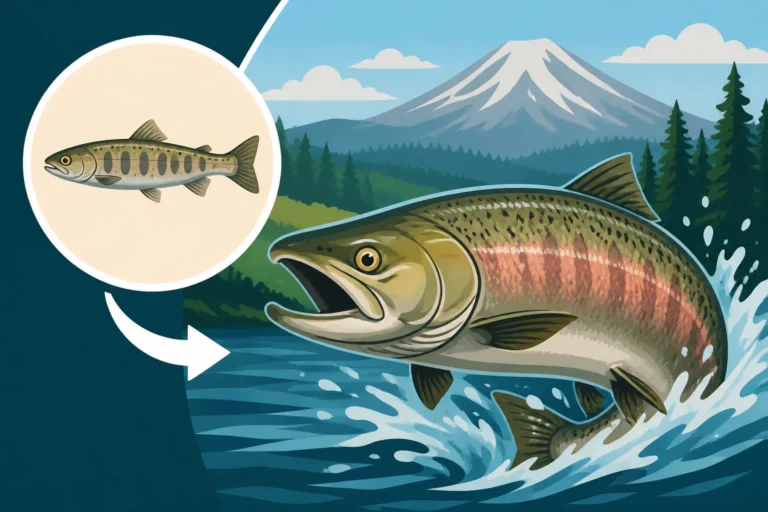
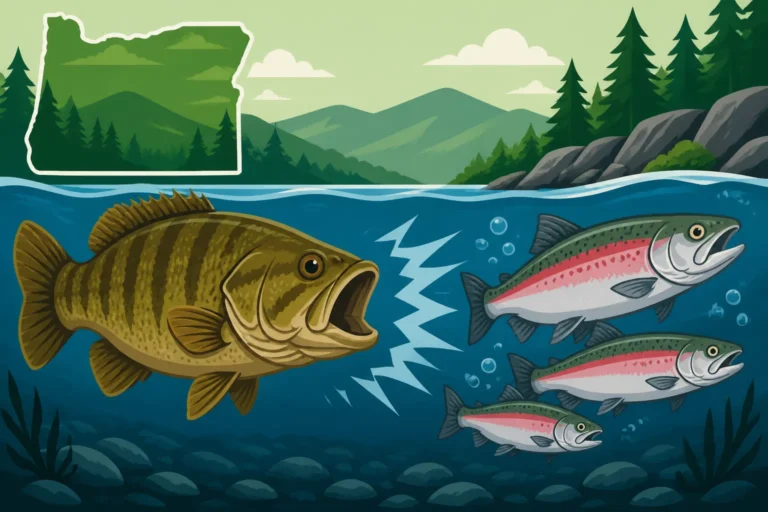
The northern pikeminnow, a native fish to the Columbia and Snake River systems, has experienced a population explosion in some areas, particularly in the lower Columbia River and its major tributaries. What makes them a problem? They are voracious predators, and their diet largely consists of juvenile salmon and steelhead. Imagine young salmon smolts, just beginning their journey to the ocean, encountering a gauntlet of hungry pikeminnow. It significantly impacts the survival rates of these iconic native fish, which are already facing numerous challenges from habitat loss to dams. The program focuses on reducing pikeminnow numbers in specific areas where their predation on juvenile salmon and steelhead is most intense. It's a targeted effort to give our native fish a fighting chance to make it to the ocean and, eventually, return to spawn.
A History of Conservation Efforts
The idea of a sport reward program for pikeminnow isn't new; it’s a strategy that has evolved over time as part of broader conservation initiatives. Historically, various methods have been explored to manage invasive species and protect native populations. The Northern Pikeminnow Sport Reward Program emerged from a need for a large-scale, cost-effective way to address the issue. It leverages the enthusiasm and skill of recreational anglers, turning a potential nuisance catch into a valuable contribution to conservation. This approach has proven effective by mobilizing a large number of participants across a vast river system, making a noticeable dent in the pikeminnow population and, consequently, giving native species a better chance at survival. It's a testament to how recreational fishing can directly contribute to ecological health. For those interested in the bigger picture, understanding Oregon Fishing Regulations Explained can provide further context on how various rules contribute to conservation.
How the Reward System Works
Now, let's get down to the brass tacks: how much money can you actually make by catching northern pikeminnow? The program is designed to incentivize anglers to catch as many of these fish as possible, with a tiered reward structure that increases the payment per fish as your total catch grows. This encourages dedicated effort and consistent participation throughout the season.
Reward Tiers and Payment Structure
The Northern Pikeminnow Sport Reward Program offers tiered payments, meaning the more pikeminnow you turn in, the more you get paid per fish. This structure aims to reward consistent and high-volume anglers. Typically, the base rate is for your first 25 fish, with the payment per fish increasing significantly once you hit higher numbers like 26-200 fish, and then again for any fish over 200. This sliding scale is a brilliant way to keep participants motivated, ensuring that those who put in the most effort see the greatest returns. It’s not just a flat fee; it’s a progressive system designed to make a real impact on the pikeminnow population. For instance, you might earn one amount for your first 25 fish, a higher amount for the next 175, and an even higher amount for every fish beyond that. These tiers are what make the program particularly appealing to serious anglers who can commit to multiple outings.
Here’s a simplified breakdown of the typical reward structure, though exact figures can vary by program year and should always be checked on the official program website:
| Tier Level | Number of Fish | Reward Per Fish (Example) |
|---|---|---|
| Tier 1 | 1-25 | Base amount |
| Tier 2 | 26-200 | Higher amount |
| Tier 3 | 201+ | Highest amount |
Note: These are illustrative examples. Always check the official program website for the specific reward amounts and rules for the current season.
This tiered system ensures that whether you catch a handful or hundreds, your efforts are valued, with greater rewards for greater impact.
Bonus Fish and Tagged Pikeminnow
Beyond the standard tiered payments, the program also incorporates an exciting bonus element: tagged pikeminnow. Certain pikeminnow are caught, tagged with a small, visible identification tag, and then released back into the water. If you catch a tagged pikeminnow, you could be in for a substantial bonus payment! These tags are designed to track pikeminnow movement and population dynamics, but they also serve as a thrilling incentive for anglers. The bonus for a tagged fish is significantly higher than the standard per-fish reward, sometimes reaching a very generous sum. Imagine reeling in a pikeminnow and spotting that tag – it’s like hitting a mini-jackpot! This bonus system adds an element of excitement and discovery to every catch, encouraging anglers to pay close attention to each fish they reel in. It also provides valuable data for researchers managing the program. Don't forget, you'll need a valid Oregon Fishing License Guide to participate.
Participating and Maximizing Your Catch
Getting involved in the Northern Pikeminnow Sport Reward Program is fairly straightforward, but like any fishing endeavor, a little preparation and strategy can go a long way. This isn't just about luck; it's about understanding the fish, knowing the right techniques, and following the program's guidelines.
Gear and Techniques for Success
When targeting northern pikeminnow, you don't necessarily need highly specialized gear, which is great for accessibility. Many anglers find success using standard bass fishing setups. A medium-action spinning rod paired with a reel spooled with 8-12 pound test line is often sufficient. The key is to have tackle that can handle strong, aggressive strikes, as pikeminnow can put up a decent fight.
For lures, anything that mimics small fish or crawfish can be effective. Spinners, spoons, and soft plastic swimbaits are popular choices. Many anglers prefer bright, flashy colors or natural baitfish patterns. For bait fishing, cut bait (like pieces of anchovy or sardine) or even worms can be quite effective, especially when fished near the bottom. The presentation is often more important than the exact lure, so consider how you’re retrieving and if it’s appealing to a hungry predator. You can often find great deals on these items, from specialized hooks to robust landing nets, on platforms like Amazon, making it easy to stock up before your next trip. Exploring Oregon Fishing Techniques for Beginners might give you some great starting points for casting and retrieving.
Locating Pikeminnow Hotspots
Northern pikeminnow tend to congregate in certain types of habitat within the Columbia and Snake River systems. They often prefer warmer, slower-moving water, especially around submerged structures like fallen trees, rock piles, or bridge pilings. Look for areas where tributaries meet the main river, creating current seams and eddies. These spots often concentrate baitfish, which in turn attracts pikeminnow.
Reservoir environments, such as those behind dams on the Columbia, can also be prime locations. Pay attention to changes in depth, as pikeminnow will often hold near drop-offs or shelves. Fishing from docks, jetties, or even accessible riverbanks in these areas can yield good results. Checking local fishing reports or asking at bait and tackle shops can also provide invaluable, up-to-date information on where the fish are biting. Remember, understanding Oregon Fishing Zones Explained can help you pinpoint specific areas with higher concentrations of fish.
Registration and Check-in Procedures
To participate in the reward program, you'll need to register. This typically involves registering online or at a designated check-in station. Once registered, you'll be given a unique angler ID. It's crucial to have a valid Oregon fishing license before you even cast a line.
After a successful day of fishing, you'll bring your catches to an official pikeminnow check-in station. These stations are usually located conveniently near popular fishing spots along the Columbia and Snake rivers. At the station, program staff will count, measure, and process your fish, confirming they meet the minimum size requirement for the program. They'll also record your catch under your angler ID and process your payment. Payments are often issued periodically throughout the season or at its conclusion, typically via check or direct deposit. Keeping track of your catches and knowing the check-in station locations and operating hours are key to a smooth and rewarding experience.
Why the Pikeminnow Program Matters for Oregon's Fisheries
The Northern Pikeminnow Sport Reward Program is more than just a way for anglers to earn money; it's a critical component of a larger conservation strategy. Its impact extends far beyond the immediate reduction of pikeminnow populations, contributing to the overall health and future of Oregon's invaluable native fisheries.
Protecting Oregon's Iconic Fisheries
Oregon is renowned for its incredible salmon and steelhead runs, which are not only vital to the state's ecosystem but also hold significant cultural and economic importance. These fish face an uphill battle, from habitat degradation to changing ocean conditions. The pikeminnow program directly addresses one controllable factor: predation on juvenile salmon and steelhead. By reducing the number of these predatory fish, the program helps more young salmon and steelhead survive their journey to the ocean, increasing the likelihood of successful adult returns. This intervention is a targeted effort to bolster populations that are cherished by anglers and crucial to the natural balance of the region. Many anglers enjoy Oregon Salmon Fishing Techniques and Oregon Steelhead Fishing Techniques precisely because these efforts help protect these iconic species.
The Program's Impact and Future
Since its inception, the Northern Pikeminnow Sport Reward Program has removed millions of pikeminnow from the Columbia and Snake River systems. This massive effort has translated into increased survival rates for juvenile salmon and steelhead. The data collected through the program, including catch rates and the tracking of tagged fish, provides valuable insights for fisheries managers, helping them to refine conservation strategies and understand fish behavior.
The program continues to adapt and evolve based on scientific findings and angler participation. Its ongoing success relies on the dedication of anglers willing to hit the water and contribute to this vital cause. As long as invasive pikeminnow pose a threat to native populations, programs like this will remain essential. It’s a powerful example of how public participation, coupled with science-based management, can make a tangible difference in conservation efforts, securing a healthier future for Oregon's native fish and the generations of anglers who will pursue them. For a deeper dive into the specific species benefiting, check out our guides on Chinook Salmon in Oregon and Summer Steelhead in Oregon.
Disclaimer
This article is for general informational purposes only and does not constitute professional advice. Laws, prices and regulations vary by location and change over time. Consult a qualified professional for guidance on your specific situation.