How can you tell a hatchery fish by its fin
There’s nothing quite like the thrill of feeling a fish tugging on your line in one of Oregon’s incredible rivers or lakes. But once that fish is in hand, a new challenge often arises, especially for those of us who care deeply about conservation and following the rules: is this a hatchery fish or a wild one? This distinction isn't just academic; it’s crucial for every angler in Oregon, as regulations often dictate whether you can keep a fish or if it needs to be released immediately. This guide will walk you through the tell-tale signs, focusing on fin clips, so you can confidently identify hatchery fish and make the right choices on the water.
The Basics of Fin Clipping: Why It Matters for Oregon Anglers
It might seem like a small detail, a tiny missing fin, but that little clip holds a world of information for fisheries biologists and, by extension, for us anglers. Understanding why certain fish have their fins clipped is the first step to becoming a more informed and responsible participant in Oregon’s rich fishing culture. It's not just a random mark; it's a deliberate signal.
Understanding the Purpose Behind Fin Clips
The practice of fin clipping, primarily removing the adipose fin, is a cornerstone of fisheries management here in Oregon. The Oregon Department of Fish and Wildlife (ODFW) uses this method to differentiate between hatchery-raised fish and their wild counterparts. Why is this so important? Well, for several critical reasons. Hatcheries play a vital role in supplementing fish populations, especially for species like salmon and steelhead, which face numerous challenges in their natural habitats. By clipping the adipose fin (that small, fleshy fin located on the back between the dorsal fin and the tail), ODFW can easily identify these hatchery fish.
This identification allows them to manage fishing seasons and bag limits much more precisely. For instance, in many parts of Oregon, regulations are designed to protect wild fish populations, which are often more vulnerable. Anglers might be allowed to keep hatchery fish but are strictly required to release all wild fish unharmed. Without these fin clips, distinguishing between the two would be nearly impossible for the average angler, leading to unintentional harvest of wild stocks. It's a pragmatic tool for conservation, ensuring that while we enjoy the bounty of our waters, we're also actively contributing to the long-term health of our native fish. You can learn more about these guidelines in our comprehensive guide Oregon Fishing Regulations Explained.
The Importance of Accurate Identification on the Water
Imagine you're out on the Deschutes River Fishing Guide casting for steelhead, and you hook into a beautiful specimen. Your heart races, the fight is on, and eventually, you bring it to the net. Now comes the moment of truth. Is it a hatchery fish, or is it wild? The answer determines whether that fish goes into your cooler or back into the river. Making an incorrect identification can lead to serious consequences, including significant fines and penalties for fishing without a license in Oregon, or for keeping a fish that should have been released.
Beyond the legal ramifications, there's a strong ethical component. Many anglers are passionate about conservation and want to do their part to protect wild fish populations. Being able to quickly and accurately identify a hatchery fish by its fin allows you to make an informed decision and handle the fish appropriately, especially if it's a wild fish destined for release. Proper catch-and-release techniques are crucial to minimize stress and ensure the survival of wild fish, which is a topic we delve into in Oregon Catch-and-Release Rules. It’s about being a responsible steward of the resource, ensuring that future generations can enjoy the same incredible fishing experiences we do today.
Deciphering the Dorsal Fin and Adipose Fin
When you're inspecting a fish, your eyes should immediately dart to a couple of key areas on its back. These are the most common places you'll find the evidence you need to determine if it's a hatchery fish or one born and raised in the wild. While fish can sometimes suffer injuries in the wild that might mimic a clip, knowing exactly what to look for makes all the difference.
The Tell-Tale Adipose Fin Clip
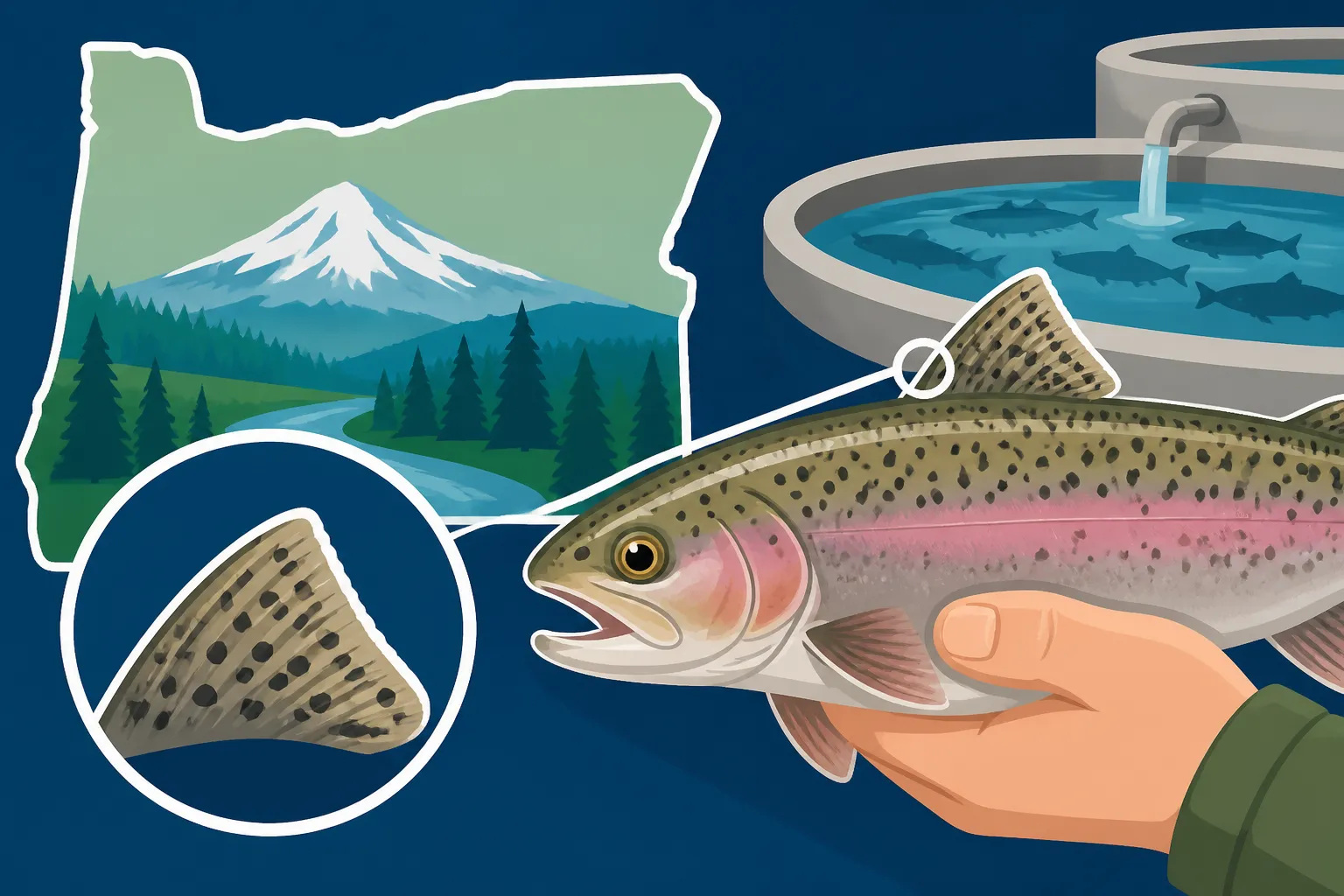
The adipose fin is truly the most reliable indicator when it comes to identifying hatchery fish in Oregon. This little fin is relatively small, fleshy, and has no bone or rays. You'll find it nestled on the fish's back, usually between the dorsal fin (the large fin on its back) and the caudal fin (the tail fin). For many salmon and steelhead species released from Oregon hatcheries, this adipose fin is surgically removed shortly after they hatch, long before they're released into the wild.
When you're holding a fish, carefully examine this spot. A hatchery fish that has been adipose fin-clipped will have a smooth, clean scar or simply a missing space where that fin should be. It will look distinctly different from any natural tear or injury a wild fish might sustain. Sometimes, especially if the clip was done very young or if the fish has spent a long time in the wild, there might be a small stub or a partially regenerated, irregular piece of tissue in its place, but it will still be clearly distinguishable from a fully intact, naturally formed adipose fin. A wild fish, on the other hand, will always have a perfectly formed, natural adipose fin. It's a subtle difference, but once you know what to look for, it becomes second nature. Think of it like comparing a perfectly manicured hedge to one that’s been gnawed by deer – one is deliberate, the other is accidental. This practice is specifically implemented for species like Chinook and Coho salmon, and various steelhead runs, which are covered in detail in our guides like Chinook Salmon in Oregon and Summer Steelhead in Oregon. This systematic clipping is a major part of Why are hatchery fish fin-clipped in Oregon.
Other Fin Clips: Less Common, Still Important
While the adipose fin clip is the most widespread and recognized method for marking hatchery fish, it's worth noting that other fins can occasionally be clipped for different purposes. These are far less common for the general purpose of distinguishing catch-and-keep fish from catch-and-release fish, but you might encounter them, especially if you're fishing in areas with specific research or management programs.
For instance, sometimes a pectoral fin (one of the paired fins on the side of the fish, just behind the gills) or a ventral fin (one of the paired fins on the underside of the fish) might be clipped. These clips are usually part of more localized scientific studies or specific hatchery programs designed to track individual groups of fish. If you encounter a fish with one of these other fins clipped, it's a good indication that it's a hatchery-origin fish, even if its adipose fin is intact. However, always double-check the current regulations for the specific body of water you're fishing, as rules regarding these less common clips can vary. The key takeaway here is to always inspect all fins if you're in doubt, but prioritize checking for that missing adipose fin first, as it's the primary indicator for general angling regulations. A great way to stay informed about these nuances is by regularly checking the official ODFW regulations booklet, which you can often find through retailers or resources like Amazon if you prefer a printed copy delivered to your door.
Beyond the Fin Clip: Other Indicators of a Hatchery Fish
While the adipose fin clip is your go-to identifier, a fish's story isn't told by that alone. There are other, more subtle clues that can help you piece together whether you’re holding a hatchery-raised fish or a truly wild one. These aren't always definitive on their own, but when combined with the fin clip check, they paint a clearer picture.
Visual Cues on the Body and Coloration
Hatchery life is different from river life, and these differences can often be seen in the fish's appearance. Wild fish, constantly navigating currents, foraging for natural food, and evading predators, tend to be more streamlined, muscular, and often exhibit more vibrant, varied coloration. Their fins are usually perfectly formed, sharp, and intact, reflecting a life of constant use and adaptation. They'll have a certain wild grace to them, a powerful aesthetic.
Hatchery fish, on the other hand, might show some subtle physical differences. Due to the confined environment and the often-abrasive surfaces of hatchery tanks, their fins can sometimes appear worn, tattered, or rounded, even if they haven't been intentionally clipped. Their scales might be a bit duller, and their overall body shape can sometimes be a little less sleek, a bit more "stocky" or "uniform" compared to their wild brethren. The coloring can sometimes be less intense, more muted, as they haven't had to develop the same camouflage or stress coloration as fish living in diverse natural environments. These visual cues are often best appreciated after you've handled a good number of both wild and hatchery fish, allowing your eye to pick up on the subtle nuances. For example, if you're learning Oregon Salmon Fishing Techniques, you'll notice these differences more clearly over time.
Behavior and Handling Differences
While harder to quantify, some experienced anglers will tell you there can even be slight differences in how hatchery fish behave, both when hooked and when handled. Wild fish, having survived in a natural, competitive environment, often display a more powerful, erratic, and sustained fight. They're typically warier, harder to approach, and might be more skittish in the net. They've honed their survival instincts.
Hatchery fish, being accustomed to a less challenging upbringing, might sometimes fight with less endurance or be a bit less frantic when brought to hand. This isn't a hard and fast rule, as any fish can put up a spectacular fight, but it's another piece of the puzzle that veteran anglers often observe. Regardless of whether you suspect it's a hatchery or wild fish, it's absolutely paramount to handle all fish with the utmost care, especially if you intend to release them. Minimize their time out of water, use wet hands, and support their body properly. You can learn proper handling techniques from resources found on Amazon or local tackle shops. The goal is always to ensure the fish has the best chance of survival, whether it’s a protected wild fish or a hatchery fish you’re deciding to release.
What to Do If You're Unsure: Angler Best Practices
We've all been there – that moment of hesitation, the quick glance at the fin, and still, that nagging doubt. When the regulations are strict and the consequences for making a mistake are real, it's important to have a clear plan for what to do. Being a responsible angler means prioritizing conservation, especially when the identity of your catch isn't crystal clear.
When in Doubt, Release: A Golden Rule
This is arguably the most important piece of advice any seasoned angler in Oregon can give you: When in doubt, let it out. If you’ve hooked a fish and you’ve inspected its fins carefully, and you’re still not 100% sure if that adipose fin is missing due to a clip or if it’s a natural anomaly or injury, the safest and most responsible action is to release that fish immediately and gently.
The penalties for accidentally keeping a wild fish, especially protected species like wild steelhead or salmon, can be severe. It’s simply not worth the risk. More importantly, releasing a potentially wild fish ensures that it can continue its journey, reproduce, and contribute to the genetic diversity and strength of Oregon's native populations. This principle underpins much of what we discuss in guides like Oregon Steelhead Fishing Techniques, where careful identification can literally mean the difference between a successful, legal outing and a costly mistake. Always have your release tools ready—pliers for de-barbing hooks, and a net that's gentle on fish, easily found on Amazon, can make a big difference.
Checking Regulations and Resources
To minimize those "in doubt" moments, it’s absolutely essential to do your homework before you even hit the water. The Oregon Department of Fish and Wildlife (ODFW) publishes incredibly detailed and specific regulations that cover everything from open seasons and bag limits to specific identification rules for different species and even particular river sections.
Always, always carry a copy of the current Oregon Sport Fishing Regulations with you, either physically or digitally on your phone. These regulations are updated frequently, and what was permissible last year might not be this year. They will clearly state which species require an adipose fin clip to be kept, and which must be released regardless. If you have questions about specific identification or rules, don't hesitate to consult the ODFW website or call your local ODFW office. They are there to help anglers understand and comply with the rules. Staying informed is your best defense against accidental violations and your greatest asset in contributing to healthy fish populations. Remember, knowing what fish you're targeting and what their specific rules are, whether it's Oregon Trout Fishing Techniques or Oregon Salmon Species Guide, will make your time on the water much more enjoyable and worry-free.
Here’s a quick comparison to help solidify these points:
| Feature | Wild Fish | Hatchery Fish (Adipose Fin Clipped) |
|---|---|---|
| Adipose Fin | Always present, fully formed, natural. | Missing, or a clean scar in its place. |
| Other Fins | Typically intact, sharp, and well-formed. | May show wear, tattered edges, or other clips. |
| Body Shape | Often more streamlined, athletic, muscular. | Can be stockier, sometimes less refined. |
| Coloration | More vibrant, varied, and camouflaged. | Often paler, more uniform, sometimes duller. |
| Behavior | Generally warier, stronger fight. | Can be less wary, potentially shorter fight. |
| Legality | Often catch-and-release only (check regulations). | Often legal to retain (check regulations). |
Disclaimer
This article is for general informational purposes only and does not constitute professional advice. Laws, prices and regulations vary by location and change over time. Consult a qualified professional for guidance on your specific situation.