What do walleye eat in Oregon reservoirs
If you've spent any time chasing walleye in Oregon's reservoirs, you know they can be a bit enigmatic. One day they're hitting everything you throw, and the next, it feels like they've vanished into thin air. A huge part of cracking the walleye code, and frankly, a common frustration for many anglers, comes down to truly understanding what these cunning predators are putting on their menu. This guide is all about peeling back the layers to reveal the intricate dining habits of walleye in Oregon's diverse reservoir systems, helping you align your efforts with their natural instincts.
Understanding Walleye as a Predator
Walleye are fascinating fish, and their reputation as a prized catch in places like the Columbia River and various reservoirs isn't just because of their delicious fillets. It's also due to their cunning nature and specific feeding habits. To consistently catch them, we first need to appreciate them for the efficient predators they are.
Opportunistic Feeders
At their core, walleye are opportunistic feeders, but with a strategic edge. They're not generally chasing baitfish wildly across open water in broad daylight. Instead, they prefer to ambush their meals, often lurking in low-light conditions or in areas with structure that offers cover. Think about the big walleye that hangs out near a submerged stump field or along a deep, rocky drop-off in a reservoir like Lake Umatilla or the John Day Pool. They're waiting for an unsuspecting baitfish to swim by, then it's a quick strike.
Their impressive, large eyes are specially adapted for seeing in dim light, giving them a distinct advantage over many of their prey species, especially during dawn, dusk, or under cloudy skies, and in deeper, darker waters. Combine this with a highly developed lateral line system that detects vibrations in the water, and you've got a fish that can sense and pinpoint prey even when visibility is poor. This adaptation means they can actively feed when other predators are less effective, making early morning, late evening, and even night fishing incredibly productive for them. It also means that a subtle jig presentation or a slowly trolled crankbait that mimics a struggling baitfish can be irresistible.
Factors Influencing Diet
A walleye's diet isn't static; it's a dynamic smorgasbord influenced by a variety of environmental and biological factors. Think of it like us deciding what to eat – sometimes we crave comfort food, other times we're just looking for something quick and easy, and sometimes we're trying to be healthy. For a walleye, these "cravings" are driven by instinct and survival.
Their size and age play a huge role. Juvenile walleye will start with smaller fare like zooplankton and insect larvae, gradually moving up to larger aquatic insects and then small minnows as they grow. A trophy walleye, on the other hand, is looking for a substantial meal to sustain its larger body mass. What is the Oregon state record walleye is a question many anglers ponder, and catching one often means understanding what those big fish prefer to eat.
Season is another critical factor. As water temperatures change from spring to winter, so does the metabolism of the walleye and the availability of their prey. In warmer months, they might be more active and willing to chase, while in colder water, they conserve energy, preferring a slower, easier meal. Water temperature directly affects their activity levels and digestion. Cooler water generally means a slower metabolism, leading to less frequent but often larger meals. Finally, prey availability is perhaps the most significant influencer. Walleye will primarily feast on whatever is most abundant and easiest to catch in their immediate environment. If a reservoir is teeming with yellow perch, you can bet perch will be a staple. If it's full of shiners, those become the target. This adaptability is what makes them such successful predators in diverse habitats.
Primary Forage in Oregon Reservoirs
When we talk about what walleye eat, we're really delving into the ecosystem of Oregon's reservoirs. These aren't just hungry fish looking for anything; they're keyed into specific food sources that are abundant and easy to ambush.
Small Fish Species
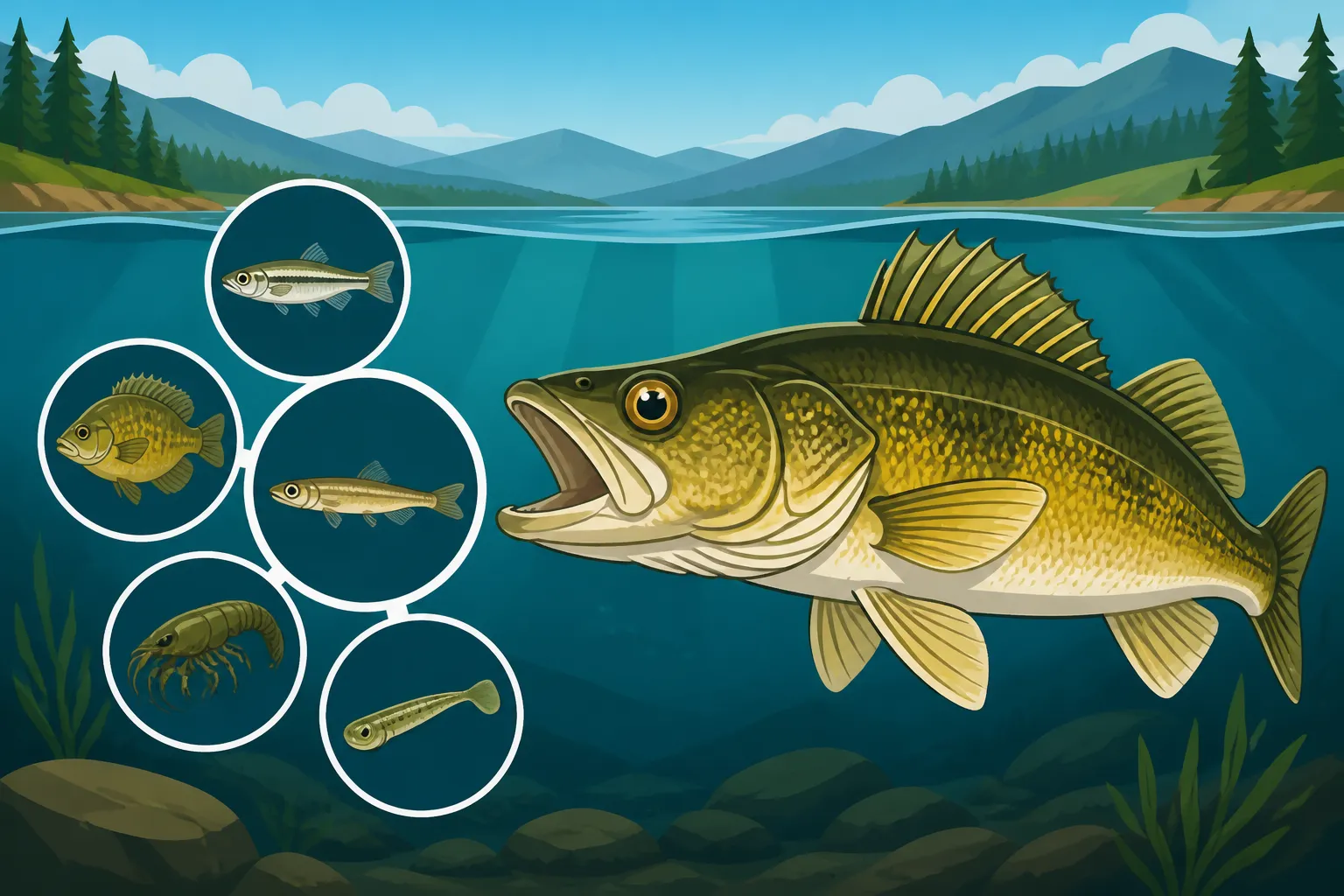
By far, the most significant portion of an adult walleye's diet consists of smaller fish. These are typically species that are plentiful, relatively easy to catch, and provide a good caloric return for the effort. In Oregon's walleye-holding reservoirs like the Umatilla River section of the Columbia or the John Day River, certain species stand out.
Yellow perch are absolutely prime forage for walleye. They're abundant, form schools, and are just the right size for a hungry walleye. If you've ever cleaned a walleye from an Oregon reservoir, finding a half-digested perch in its stomach is a common occurrence. Walleye absolutely gorge themselves on these smaller, often juvenile, perch. Beyond perch, northern pikeminnow are also a significant food source, especially for larger walleye. While pikeminnow are often seen as a nuisance by anglers targeting salmon and steelhead, they serve a vital role in the walleye's diet, offering a high-protein meal. Crappie, various species of shiners, and even small, stocked rainbow trout can also make it onto the walleye's menu, especially in reservoirs where trout are regularly introduced. The walleye's long, toothy mouth is perfectly designed to snatch and hold onto these slippery, finned meals. Understanding What does the Columbia River Basin Endorsement for Oregon anglers covers includes knowledge of species like these that move within its waters.
Aquatic Invertebrates
While larger walleye primarily focus on fish, aquatic invertebrates play a crucial role, especially for younger walleye, and during times when finned prey might be less available or harder to catch. These small creatures are essential building blocks of the food chain.
Insect larvae are a constant source of nutrition. Think about the larvae of chironomids (midge larvae), mayflies, and caddisflies. These tiny creatures live on the bottom, under rocks, or in vegetation, and while they might seem insignificant, they are a rich source of protein for juvenile walleye. Even adult walleye will opportunistically slurp up a mouthful of these larvae if they're abundant. Crayfish are another significant invertebrate prey item. Found in many Oregon reservoirs, these crustaceans are a favorite meal for many predatory fish, including walleye. Walleye will actively seek out crayfish, especially when they are molting and their shells are soft, making them an easy and nutritious snack. Leeches are also on the menu. These slimy creatures are found in aquatic vegetation and on the bottom and are slow-moving, making them an easy target. Often overlooked by anglers, the presence of leeches in a walleye's diet is a testament to their opportunistic nature.
Other Prey
Walleye are not picky when hunger strikes, and their diet can extend beyond just fish and common invertebrates, sometimes surprising anglers with the sheer variety of their culinary tastes. While less common, these other prey items highlight just how opportunistic these fish truly are.
In certain conditions, walleye might consume small amphibians like frogs, particularly smaller ones or tadpoles, if they venture into the water near shore where walleye are hunting. They are not a primary food source, but if a frog happens to cross paths with a hungry walleye, it won't hesitate. You might also find evidence of small rodents, particularly mice or voles, that have accidentally fallen into the water and are struggling near the surface or along the bank. This is more of a rare, chance encounter, but it demonstrates the walleye's willingness to consume almost anything that presents itself as an easy meal. Perhaps one of the more surprising, yet well-documented, aspects of walleye feeding behavior is cannibalism. Larger walleye will, at times, prey on smaller walleye. This usually happens when other preferred food sources are scarce, or if a smaller walleye is injured or struggling. It’s a harsh reality of nature, but it ensures the survival of the fittest within the population. It's a reminder that anything that swims and is smaller than them is potentially fair game.
Seasonal and Environmental Shifts in Walleye Diet
Just like our appetites change with the seasons – craving hot stew in winter and crisp salads in summer – a walleye's diet and feeding intensity shift throughout the year. Understanding these patterns is absolutely critical for successful walleye fishing in Oregon's reservoirs. Best Time of Year to Fish in Oregon is a broad topic, but for walleye, it's all about these seasonal nuances.
Spring and Early Summer Feeding
Ah, springtime! After the rigors of spawning and the cold, lean winter months, walleye emerge with a voracious appetite. This period, from late spring into early summer, often presents some of the best fishing opportunities. Post-spawn, their primary instinct is to regain energy, making them incredibly aggressive feeders. They'll actively pursue schools of baitfish that are also becoming more active in the warming, shallower waters.
As water temperatures begin to rise, many baitfish species are spawning or have newly hatched fry, creating a buffet for hungry walleye. You'll often find walleye migrating from deeper spawning grounds to shallower flats, points, and weed lines, which are bustling with activity. During this time, they are very willing to hit moving baits that imitate baitfish, like crankbaits or swimbaits. They're also quite partial to live bait such as nightcrawlers or leeches, which are easily found by sight and scent in these warmer, more productive areas. Fishing with a simple jig tipped with a worm can be incredibly effective during this period.
Mid-Summer Patterns
As summer truly sets in and water temperatures peak, walleye fishing can become a bit more challenging, and their diet becomes more selective. The warmer surface temperatures push many walleye into deeper, cooler water where oxygen levels are often better, and they can find thermal refuge. This means they often relate to main lake points, submerged humps, channel edges, and deep structure.
While they still feed on fish, their activity often shifts to periods of low light – dawn, dusk, and especially at night. In some reservoirs, you might find them migrating from deep water at night to hunt in shallower flats, only to retreat to the depths again as the sun rises. They're also keenly aware of any insect hatches occurring, and while not a primary food source for larger fish, these hatches can influence the behavior of smaller baitfish, which in turn attracts the walleye. This is a time when understanding How to fish for walleye on the John Day River often means focusing on deeper presentations and night fishing strategies. Presentation becomes key; often, slower trolling with deep-diving crankbaits or vertical jigging over structure with baits like blade baits or jigs tipped with plastic are more effective than fast-moving presentations.
Fall and Winter Feeding
As autumn arrives and water temperatures begin to drop again, walleye enter a crucial "fattening up" phase. They know winter is coming, and they need to build up their energy reserves. This can lead to another surge in aggressive feeding, often on larger baitfish. They might move back into shallower areas during low light to actively hunt schools of bait, but they will still be found relating to deeper contours as well. They're still very much predators of opportunity, but they might be looking for a more substantial meal now that their metabolism is slowing down.
During winter, once ice forms on some Oregon reservoirs, or in open-water situations where temperatures are frigid, walleye become much less active. Their metabolism slows significantly, and they feed less frequently. When they do eat, they're looking for an easy, energy-efficient meal. This is typically a time for vertical presentations, like slow jigging with spoons or specialized ice fishing jigs tipped with a minnow or piece of worm. They won't chase much, so putting the bait right in front of them and imparting subtle movements is crucial. Their diet during winter will almost exclusively consist of whatever small fish are slow enough to catch or invertebrates that are easily picked off the bottom.
Mimicking Walleye Prey: Angler's Strategy
Knowing what walleye eat is only half the battle; the real trick is to present something they think is on their menu. This is where the art and science of angling truly come together.
Best Baits and Lures
Successfully catching walleye in Oregon reservoirs hinges on selecting baits and lures that closely imitate their natural prey. When you walk into a tackle shop, or browse online retailers like Amazon, the sheer volume of options can be overwhelming, but keeping their diet in mind helps narrow it down significantly.
For many seasoned walleye anglers, live bait is king. Nothing quite beats the natural appeal of a live nightcrawler, a frisky leech, or a struggling minnow. Nightcrawlers are fantastic for a wide range of situations, from drifting on a bottom bouncer to floating under a bobber. Leeches, often overlooked, are incredibly effective, especially in stained water, as they present a natural, slow-moving meal. Minnows, particularly shiners or small yellow perch (where legal and available), are perhaps the ultimate walleye bait, directly mimicking their preferred fish diet. These can be fished still, trolled, or jigged. When you're choosing live bait, think about what's naturally present in the water you're fishing.
When it comes to artificial lures, the goal is to imitate either the look, action, or vibration of their natural food.
- Jigs are incredibly versatile and can mimic anything from a crippled baitfish to a crayfish. Tipping a jig with a plastic grub, minnow, or a piece of nightcrawler adds scent and bulk. Colors like chartreuse, white, and various greens are often very productive, especially in stained water.
- Crankbaits come in various diving depths and actions. Shallow-running crankbaits are great for spring and fall in shallower waters, while deep-diving models are essential for summer trolling. Colors that imitate perch, shiners, or even crayfish patterns are excellent choices.
- Swimbaits and other soft plastics rigged on a jig head offer a realistic baitfish profile and can be deadly when retrieved slowly or vertically jigged.
- Blade baits and spoons are fantastic for vertical jigging, especially in deeper water or through the ice, as their flash and vibration effectively attract walleye.
The key is to always think about the "match the hatch" concept – if walleye are primarily feeding on small perch, a lure that looks and swims like a small perch is going to be far more effective than something wildly different.
Presentation Techniques
Even with the perfect bait or lure, proper presentation is what truly seals the deal. Walleye are often particular about how their meal is presented, reflecting their opportunistic and often low-light feeding habits.
Vertical jigging is a go-to technique, especially when walleye are holding tight to structure or suspended in deeper water. This involves dropping a jig, spoon, or blade bait directly down to the fish's level and imparting short, sharp lifts and drops. The goal is to make the bait appear like a struggling, injured, or dying prey item. This is incredibly effective when you've located a school of walleye on your sonar.
Slow trolling is another highly effective method, particularly in large Oregon reservoirs like the Columbia River pools. This allows you to cover a lot of water and present your lure at a consistent depth where walleye are actively feeding. You might use crankbaits, spinner rigs tipped with nightcrawlers, or even live bait rigs. The slow speed mimics the natural movement of baitfish and allows the walleye to easily intercept the offering.
Casting is often used when walleye are in shallower water, near weed edges, or along rocky shorelines, especially during low-light periods. Jigs, crankbaits, or swimbaits can be cast out and retrieved to mimic fleeing baitfish or crawling crayfish. Sometimes, a slow, steady retrieve is all it takes, other times a stop-and-go retrieve can trigger a strike. It really depends on the mood of the fish and the specific prey you're trying to imitate. Oregon Fishing Techniques for Beginners will often touch on these fundamental approaches that are crucial for walleye.
| Forage Type | Common Oregon Species | Effective Baits/Lures | Key Presentation |
|---|---|---|---|
| Small Fish | Yellow Perch, Pikeminnow, Shiners, Small Trout | Live Minnows, Crankbaits, Swimbaits, Jigs with plastic tails | Trolling, Vertical Jigging, Casting & Retrieving |
| Aquatic Invertebrates | Crayfish, Leeches, Insect Larvae | Live Leeches, Nightcrawlers, Jig-N-Craws, Jig-Worm combos | Drifting, Bottom Bouncing, Slow Vertical Jigging |
| Amphibians/Rodents | Frogs, Mice (rare) | Topwater lures (rare), Frogs imitations (rare) | Casting near cover (mostly opportunistic) |
Remember, observation is key. If you're catching fish, take a moment to see what they might have regurgitated or if there's any visible prey in the water. This information, combined with knowing How often do Oregon fishing regulations change for specific areas, can quickly help you adapt your strategy. A good angler is always learning, always adapting, and always paying attention to what the walleye are telling them through their behavior and their diet.
Disclaimer
This article is for general informational purposes only and does not constitute professional advice. Laws, prices and regulations vary by location and change over time. Consult a qualified professional for guidance on your specific situation.