Why is there no limit on smallmouth bass in Oregon
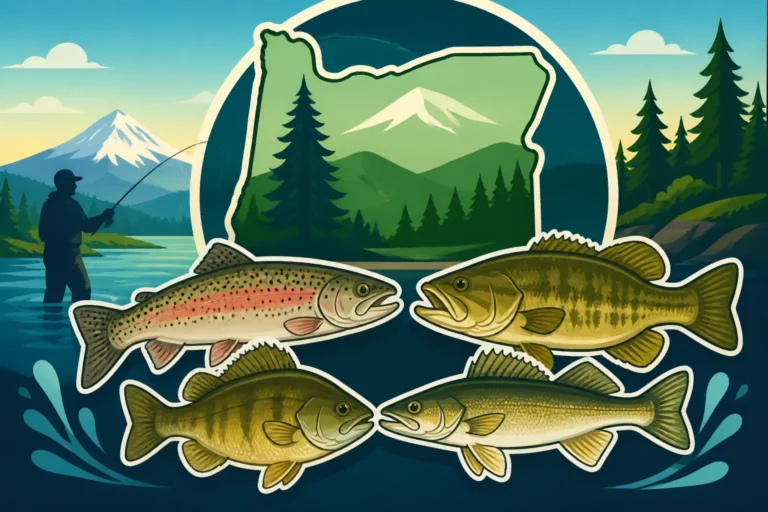
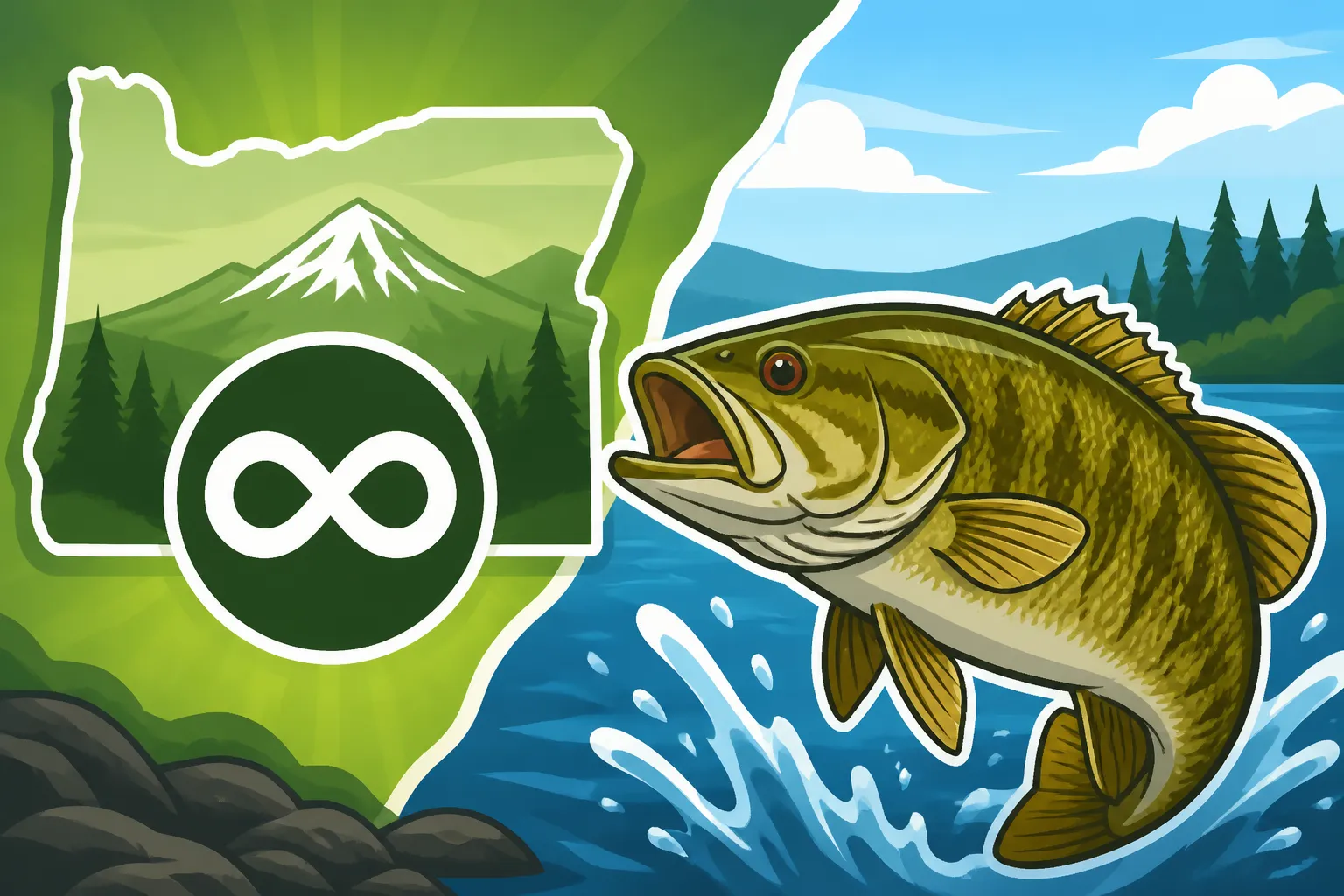
It's a question many anglers new to Oregon or just starting to explore our diverse waterways often ask: "Why is there no daily bag limit on smallmouth bass in certain areas?" It can feel a bit counterintuitive when you're used to strict regulations for other popular species. This isn't an oversight or a lack of care; it's a deliberate and strategic management decision by the Oregon Department of Fish and Wildlife (ODFW) to protect our precious native fish populations, particularly salmon and steelhead. Understanding this policy requires diving into the ecological balance of Oregon's rivers and the specific impact smallmouth bass can have.
The Ecological Impact of Smallmouth Bass in Oregon
When we talk about smallmouth bass in Oregon, it's crucial to understand that they are not native to many of our pristine river systems. While a fantastic sport fish in their native ranges, their introduction into certain Oregon waters has created significant challenges for the delicate ecosystems that support our iconic salmon and steelhead runs. This isn't about shaming a species; it's about managing a complex natural environment where every introduced species has a ripple effect.
Smallmouth Bass as an Invasive Species
In many of Oregon's rivers, particularly those west of the Cascade Mountains, smallmouth bass are considered an invasive species. They thrive in warmer waters and have a voracious appetite. When they establish populations in rivers that are historically cold-water fisheries, they become direct competitors and predators for native species. Imagine a river system that has evolved over millennia with a specific set of predators and prey, and then suddenly, a new, highly efficient predator is introduced. That's the scenario with smallmouth bass in many Oregon waterways. They can outcompete native fish for food and habitat, and, more critically, they prey on the young of salmon, steelhead, and other native fish. Do smallmouth bass hurt salmon populations? is a question often asked, and the answer, unfortunately, is yes, particularly when the salmon and steelhead are in their vulnerable juvenile stages. This predation can severely impact the survival rates of these already struggling native populations.
Disrupting Native Fish Ecosystems
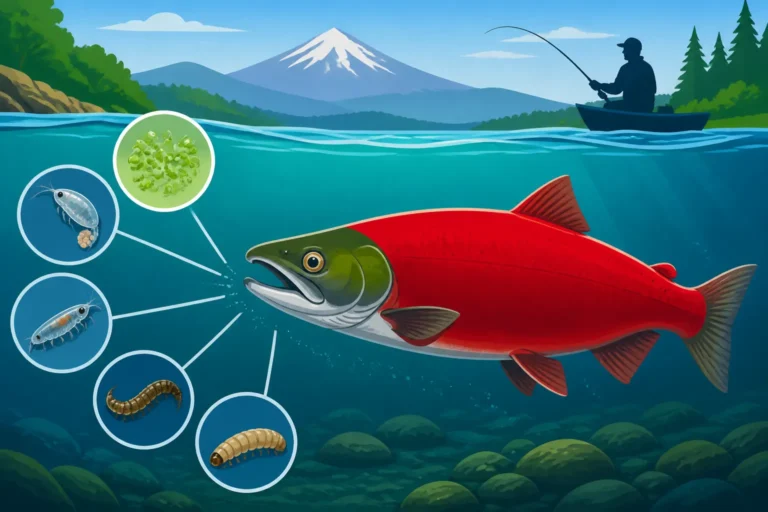
The impact goes beyond just eating juvenile salmon. Smallmouth bass can alter the entire food web. They consume a wide variety of prey, including insects, crustaceans, and other small fish, often outcompeting native predators for these resources. This shift in the ecosystem can stress native fish populations further, making them more susceptible to disease or environmental changes. When you look at rivers like the Willamette or parts of the Umpqua, where smallmouth bass have really taken hold, you can see how they change the dynamic of the fishery. The ODFW's goal is to maintain and restore healthy populations of native species, and when an introduced species poses a significant threat to that goal, management strategies must adapt. This is why you'll often see specific regulations for different zones, as detailed in the Oregon Fishing Zones Explained guide.
How Fishing Regulations are Determined for Smallmouth Bass
It's natural to wonder why a fish that provides so much angling fun is treated with such a stark regulatory difference. The ODFW's decisions are based on extensive scientific research, population assessments, and a deep understanding of ecological principles. They aren't just pulling rules out of a hat; they're working to preserve Oregon's incredible natural heritage.
The Role of Conservation and Native Species Protection
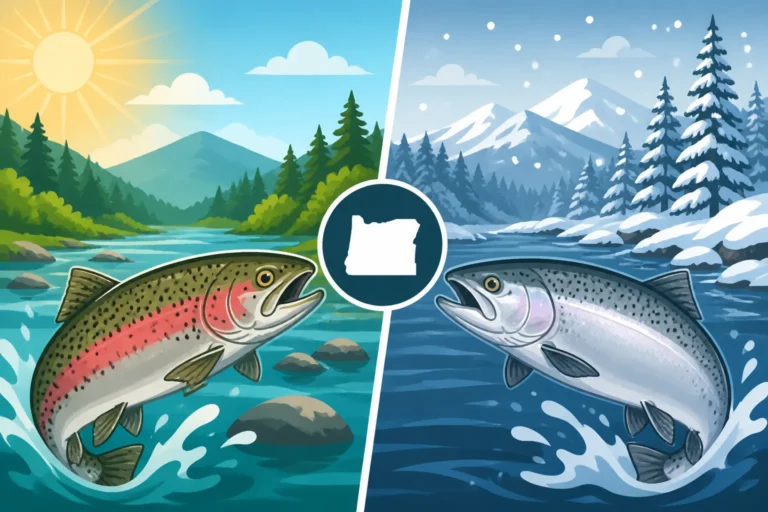
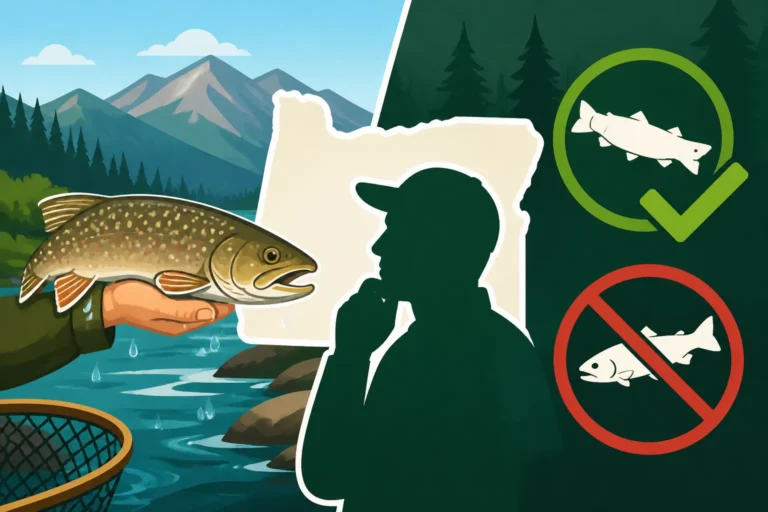
The primary driver behind the "no limit" policy for smallmouth bass in many areas is conservation – specifically, the protection and recovery of native salmon and steelhead. These species are not only culturally and economically vital to Oregon but also critically important to the health of the entire ecosystem. They are indicator species, and their decline signals broader environmental issues. When smallmouth bass flourish in waters crucial for native fish spawning and rearing, they become a direct impediment to conservation efforts. Therefore, encouraging anglers to remove smallmouth bass, rather than restricting their take, serves as a form of biological control, helping to reduce their numbers and lessen their impact on vulnerable native species. This aggressive approach is a clear indication of how serious the threat is perceived. You can learn more about specific native fish protections in the Oregon Salmon Species Guide and Oregon Steelhead Guide.
Management Zones and Varying Regulations
It's important to note that the "no limit" policy isn't blanket statewide. Oregon is divided into various fishing zones, and regulations can differ significantly from one river basin to another, or even within different stretches of the same river. For instance, in areas where smallmouth bass are considered naturalized and don't pose a significant threat to endangered native species, or in reservoirs specifically managed for warmwater fisheries, there might be different regulations or even bag limits in place.
Here's a simplified look at how regulations might differ:
| Factor | Rivers with Native Salmon/Steelhead Concerns | Warmwater-Managed Lakes/Reservoirs (e.g., Owyhee Reservoir) |
|---|---|---|
| Smallmouth Bass Status | Invasive, detrimental to native species | Naturalized, part of desired fishery |
| Bag Limit | No limit (encouraged removal) | May have a daily bag limit and/or size restrictions |
| Conservation Goal | Reduce smallmouth bass predation/competition | Maintain healthy smallmouth bass population |
| Example Areas | Lower Willamette River, John Day River (in some sections) | Owyhee Reservoir, Umatilla River (in some sections) |
Always, always, always check the current ODFW fishing regulations for the specific body of water you plan to fish. These regulations can change based on scientific data, environmental conditions, and the ongoing health of native fish runs. Ignorance of the law is not an excuse for violations, and you'll want to avoid any penalties, as covered in Oregon Fishing Violations and Penalties.
Fishing for Smallmouth Bass: Practices and Gear
Given the "no limit" policy in many areas, anglers have a unique opportunity to enjoy an exciting sport while also contributing to conservation efforts. This isn't about eradicating smallmouth bass entirely from Oregon, which would likely be an impossible task in many established areas. Instead, it's about reducing their impact where it matters most for native species.
Embracing the "No Limit" Opportunity
For many anglers, the "no limit" policy means more chances to catch and keep a delicious fish. Smallmouth bass are known for their feisty fight and are excellent table fare. Instead of just catching and releasing, anglers can feel good about keeping their catch, knowing they are helping local ecosystems. This approach helps in two ways: it reduces the number of predators on native fish, and it provides a sustainable food source for anglers.
When you head out, think about gear that allows you to effectively target smallmouth. Lightweight spinning rods paired with 6-10 lb test line are perfect for throwing smaller crankbaits, jigs, and soft plastics. For those who enjoy fly fishing, streamers and poppers can be incredibly effective. Make sure you have a variety of lures, as smallmouth can be finicky. You can find a fantastic selection of smallmouth bass specific lures, rods, and reels on Amazon, often with detailed reviews from other anglers that can help you pick the best gear for Oregon's rivers. If you're wondering How to catch smallmouth bass in Oregon rivers, a good start is often focusing on rocky areas, current breaks, and submerged structure where they like to ambush prey.
Recommended Gear and Techniques
Successful smallmouth bass fishing in Oregon, especially in rivers where they're plentiful, involves understanding their habits. They love structure – rocky bottoms, submerged logs, and current seams are all prime spots. When fishing from the bank, look for eddies and slower water near faster currents. From a boat or kayak, you can target deeper pools and submerged structures more effectively.
Here's a quick look at some effective gear and techniques:
- Lures: Small crankbaits (diving and square bills), spinnerbaits, plastic worms (Texas-rigged or wacky-rigged), tube jigs, and small swimbaits are all great choices. Often, bright colors or natural patterns imitating crawfish or minnows work well. You can stock up on these versatile options through retailers like Amazon before your trip.
- Baits: Live worms or crawfish can be incredibly effective if legal in your chosen fishing spot (always check regulations!).
- Rods & Reels: A medium-light to medium power spinning rod, about 6 to 7 feet long, with a fast action tip, is ideal. Pair it with a 2000 or 2500 series spinning reel spooled with 6-10 pound monofilament or fluorocarbon line. Braided line with a fluorocarbon leader is also a popular choice for sensitivity and strength.
- Techniques:
- Casting and Retrieving: Covering water efficiently with crankbaits or spinnerbaits.
- Pitching and Flipping: Targeting specific structures with jigs or soft plastics.
- Drift Fishing: Allowing baits or lures to tumble naturally with the current in river sections. This can be especially effective for smallmouth bass that are holding in current breaks.
- Topwater: In low light conditions or during warmer months, topwater lures like poppers or walk-the-dog baits can provoke exciting strikes.
Remember, the goal isn't just to catch them, but to remove them from the system where they are deemed detrimental. So, bring a cooler with ice! For more detailed advice on specific tactics, check out resources like Oregon Bass Fishing Guide or How to catch smallmouth bass in Oregon rivers.
Contributing to Oregon's Native Fish Recovery
Anglers have a unique and vital role to play in the management and recovery of Oregon's native fisheries. By understanding the reasoning behind regulations, we can become active participants in conservation. Fishing for smallmouth bass without a limit in designated areas is one clear way to make a positive impact.
Supporting ODFW Initiatives
The ODFW has several programs aimed at managing invasive species and restoring native populations. By participating in the smallmouth bass fishery, especially in systems where they are problematic, you are directly supporting these initiatives. Every bass removed potentially means one less predator on juvenile salmon and steelhead. It's an opportunity to turn a fun day of fishing into a tangible contribution to the health of Oregon's rivers.
You can also stay informed by regularly checking the ODFW website for regulation updates and news on their conservation efforts. They often publish information about which species they are actively managing and Why does Oregon encourage removing smallmouth bass from particular drainages. Understanding the "why" behind these rules is key to being a responsible and effective angler.
Beyond Smallmouth Bass: Broader Angler Responsibility
While smallmouth bass are a specific example, the principle of angler responsibility extends to all aspects of fishing. This includes properly disposing of fishing line, not introducing non-native species (even baitfish!) into new waters, and adhering to all fishing regulations. Always practice "Leave No Trace" principles. If you're unsure about specific bait or tackle restrictions, especially in areas with sensitive native populations, consult the Oregon Fishing Regulations Explained guide or the official ODFW booklet. Many local tackle shops and guides, like those you might find on Amazon selling specific fishing gear, also have great knowledge of regional rules and best practices.
By actively engaging in responsible angling and supporting the conservation goals behind regulations like the "no limit" for smallmouth bass, you become a crucial part of preserving Oregon's incredible fishing opportunities for future generations.
Disclaimer
This article is for general informational purposes only and does not constitute professional advice. Laws, prices and regulations vary by location and change over time. Consult a qualified professional for guidance on your specific situation.