Why are bull trout protected in Oregon
It can be really puzzling for anglers, especially those new to Oregon's incredible waterways, to hear about certain fish species being strictly protected. You might wonder why a particular species, like the bull trout, is off-limits when others have generous bag limits. It often feels like there are invisible rules, and understanding the "why" behind these protections can be the difference between a great day on the water and a potentially costly mistake. This guide is here to unravel the complex reasons behind the stringent protection of bull trout in Oregon, explaining their unique needs, the threats they face, and how dedicated conservation efforts are working to ensure their survival for future generations.
Why Bull Trout Are Protected in Oregon: The Core Story
The protection of bull trout in Oregon isn't just about one simple rule; it's a comprehensive approach born from their precarious status as a native species. These aren't your typical rainbow or cutthroat trout. Bull trout are a unique type of char, and their specific needs and ecological role make them incredibly vulnerable to changes in their environment. Anglers often assume that all trout are created equal, but bull trout stand apart, requiring pristine habitats that are increasingly rare.
Federal and State Protections: A Dual Approach
Bull trout in certain populations, particularly those found in the Columbia River and Klamath River basins, are listed as threatened under the federal Endangered Species Act (ESA). This federal designation is a big deal, casting a wide net of protection that mandates recovery plans and strict rules against harming the species or its habitat. It's not a light decision; it comes after extensive scientific review and acknowledges a serious risk to the species' long-term survival. This federal umbrella often means that even if state regulations seem more lenient in some areas for other species, the ESA overrides when it comes to bull trout, ensuring their protection is paramount. You'll find that these protections influence everything from land management practices to fishing seasons and gear restrictions, all designed to give these fish a fighting chance.
On top of federal protection, the State of Oregon, through the Oregon Department of Fish and Wildlife (ODFW), implements its own robust regulations to complement federal efforts. These state rules are often more localized and specific to Oregon's unique watersheds. For instance, while some areas might be entirely closed to bull trout fishing, others might allow incidental catch-and-release under very specific conditions, like requiring barbless hooks. The state's role is crucial in managing day-to-day enforcement and spearheading local habitat restoration projects. This dual approach ensures a powerful safety net for these sensitive fish, recognizing their importance to Oregon's natural heritage. Understanding the specific Oregon Fishing Regulations Explained is vital, as ignoring them can lead to significant Oregon Fishing Violations and Penalties.
The Ecological Role of Bull Trout
Bull trout are what we call an "indicator species," which means their health and presence are strong indicators of the overall health of an aquatic ecosystem. They need exceptionally cold, clean water, complex river habitats with deep pools and large woody debris, and undisturbed spawning grounds. If you find a thriving bull trout population, it's a good sign that the entire watershed is in excellent shape, supporting a diverse array of other aquatic life. They are apex predators in their native cold-water environments, helping to maintain balance by preying on smaller fish and aquatic insects.
Their migratory patterns are also fascinating and ecologically important. Some bull trout migrate long distances from large rivers or lakes up into smaller, colder headwater streams to spawn, acting as natural nutrient transporters within the ecosystem. This connection between different parts of a watershed is crucial for ecosystem health. When these connections are broken by dams, culverts, or degraded habitat, the entire system suffers, and bull trout are often the first to show the signs of distress. Their very existence reminds us of the interconnectedness of nature and why preserving these wild, native species is so important, not just for the fish themselves but for the entire web of life they support. For a deeper dive, check out our guide on Bull Trout in Oregon.
Understanding the Unique Biology and Habitat of Bull Trout
To truly appreciate why bull trout need such vigilant protection, it helps to understand what makes them tick – their distinct biology and the very specific environmental conditions they absolutely require to survive and thrive. They're not just any trout; they are a species with very particular preferences.
The "Char" Distinction: More Than Just a Trout
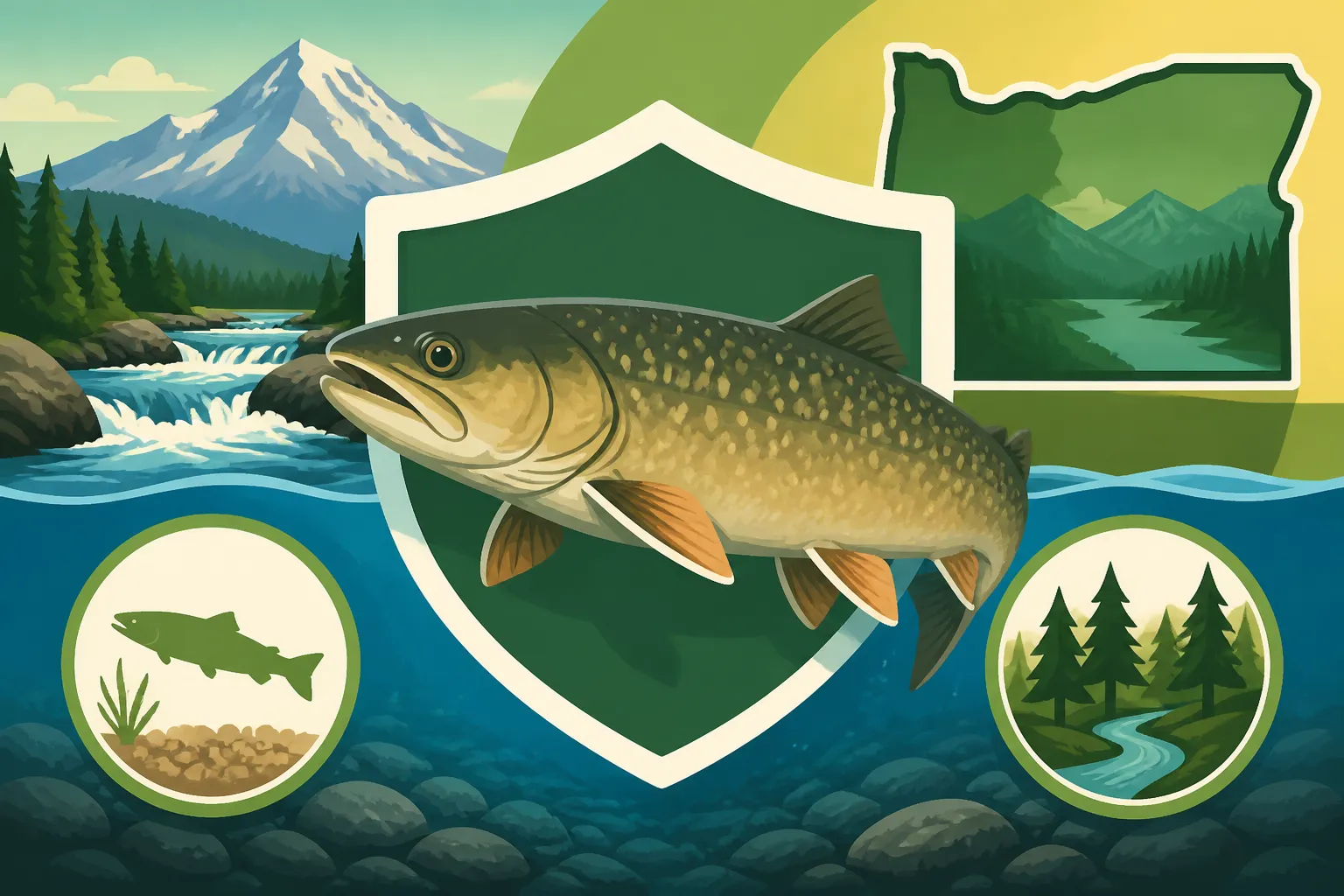
First off, it's important to clarify that bull trout aren't actually true trout; they belong to the Salvelinus genus, which makes them char, a close cousin. Other well-known chars include brook trout and lake trout. One key difference you might notice if you're lucky enough to see one is their distinctive appearance: they typically have light spots (yellow, orange, or red) on a darker background (olive green to bluish-gray), rather than dark spots on a lighter background as seen in true trout like rainbows. They also lack teeth on the roof of their mouth (vomerine teeth) where true trout have them, and they possess a larger head and mouth, giving them a more predatory look.
This taxonomic difference isn't just for biologists; it hints at their unique life history. Chars, especially bull trout, are generally adapted to colder water temperatures than most trout species. This inherent need for cold water dictates where they can live and successfully reproduce. While you might find a rainbow trout tolerating slightly warmer water, a bull trout simply won't. This specialized adaptation makes them incredibly sensitive to climate change and habitat alterations that increase water temperatures. Understanding these subtle but critical differences helps explain why their conservation is so focused on preserving specific cold-water refuges. If you're keen on identifying various fish, a good field guide, easily found on Amazon, can be an invaluable tool.
Cold, Clean Water and Specific Spawning Needs
Bull trout are truly cold-water specialists. They require water temperatures that rarely exceed 59°F (15°C) and prefer temperatures much colder for sustained health and growth. When water temperatures rise, bull trout become stressed, making them more susceptible to disease and less able to reproduce. They also need very clean, well-oxygenated water, free from silt and pollution, which is critical for their eggs and fry. Siltation, often caused by logging, road building, or agricultural runoff, can smother their eggs, reducing reproductive success drastically.
Their spawning requirements are even more precise. Unlike many other salmonids that spawn in the fall or spring, bull trout typically spawn in the late summer and fall (August through November) in very cold, pristine headwater streams. They create redds (nests) in gravel beds where groundwater upwelling provides consistent, cold, oxygenated water. These specific conditions are paramount for the incubation of their eggs through the winter. If these spawning grounds are disturbed, or if water quality and temperature are compromised during this sensitive period, an entire year's reproduction can be wiped out. This is why knowing Oregon Fishing Zones Explained and their specific regulations is so important, as certain areas might be closed during spawning seasons to protect these vulnerable fish.
Historical Decline: The Road to Protection
The journey of the bull trout from a widespread native species to one requiring significant protection is a classic cautionary tale of human impact on natural ecosystems. Their decline wasn't sudden but a gradual erosion of their habitat and population numbers over many decades.
Habitat Loss and Degradation
One of the primary drivers of the bull trout's decline has been extensive habitat loss and degradation. In the early days of westward expansion, Oregon's rivers and streams were drastically altered to support human development. Dams were built for hydropower, irrigation, and flood control, fragmenting river systems and blocking migratory routes to crucial spawning and rearing habitats. A bull trout that needs to travel dozens of miles upstream to spawn simply cannot do so if a dam stands in its way. These dams also create warmer reservoirs, further diminishing the cold-water habitat they depend on. Many anglers might not realize that these structures, which provide us with power and water, come with significant ecological trade-offs for native species.
Beyond dams, widespread logging, mining, road construction, and agricultural practices have profoundly impacted water quality and riparian zones. Logging, especially without proper buffers, can lead to increased water temperatures due to loss of shade, and soil erosion that washes sediment into streams, smothering spawning gravels. Grazing livestock in riparian areas can destabilize banks, further increasing sedimentation. These cumulative impacts chipped away at the complex, cold, and clean habitat that bull trout desperately need. It's a tough reality to face, but the landscapes we've shaped have inadvertently put immense pressure on these sensitive fish.
Competition with Non-Native Species and Past Fishing Practices
Another significant factor in the bull trout's decline is competition and predation from non-native fish species. Historically, many non-native species, particularly brook trout and various bass species, were introduced into Oregon's waterways, sometimes for sport fishing or mistakenly. Brook trout, for example, are highly competitive with bull trout and can hybridize with them, diluting the native gene pool and outcompeting young bull trout for food and space. Other non-native predators can feast on bull trout eggs and fry, further crippling their populations. This introduction of non-native species, often done with good intentions but without understanding the long-term ecological consequences, created an uphill battle for native fish. A good resource for understanding these dynamics can be found in books on Pacific Northwest fisheries, often available on Amazon.
Furthermore, past fishing practices also contributed to their decline. Before their protected status, bull trout were often targeted by anglers. Because they are large, predatory fish, they were seen as a trophy species. With limited knowledge of their unique vulnerability and slow reproductive rates, populations were overfished in many areas. It wasn't until scientific studies revealed the dramatic decrease in their numbers and the fragility of their remaining populations that widespread protection was enacted. This combination of habitat destruction, non-native species competition, and historical overfishing painted a bleak picture for bull trout, ultimately leading to their federal and state protected status. You can often find details on various Oregon Trout Species Guide and their current status within ODFW publications.
Conservation Efforts and What Anglers Can Do
Protecting bull trout is an ongoing, collaborative effort that involves federal agencies, state wildlife departments, local communities, and, crucially, anglers themselves. It's not a lost cause, but it requires continuous vigilance and adaptation.
Current Management and Recovery Plans
Today, extensive management and recovery plans are in place to help bull trout populations rebound. These plans often focus on several key strategies. Habitat restoration is paramount, involving projects like removing old dams and culverts to reconnect fragmented habitats, planting native vegetation along stream banks to provide shade and reduce erosion, and introducing large woody debris to create complex in-stream cover and pools. These efforts aim to restore the cold, clean, and complex habitats that bull trout need for every stage of their life cycle.
Stocking non-native fish species is now carefully managed, with efforts made to prevent further introductions into bull trout strongholds. In some areas, targeted removal of competing non-native species, like brook trout, is even undertaken to give bull trout a better chance. Research and monitoring are also continuous, with scientists tracking population trends, genetic health, and migration patterns to better understand the species and adapt conservation strategies. These recovery plans are long-term commitments, recognizing that restoring complex ecosystems takes time and patience. Anyone interested in getting involved can often find volunteer opportunities with local conservation groups, or even just ensure they are familiar with current regulations like Oregon Catch-and-Release Rules.
Angler Responsibilities and Ethical Practices
For anglers, understanding and adhering to bull trout regulations is not just a legal obligation but an ethical responsibility. In most areas of Oregon, bull trout fishing is strictly catch-and-release, often requiring barbless hooks to minimize harm. In many bull trout waters, fishing for them specifically is illegal, and if you accidentally catch one while targeting another species, you must release it immediately and unharmed. This means knowing how to identify a bull trout quickly and accurately – a skill that can be honed with good fish identification guides (many available on Amazon).
| Bull Trout Identification Feature | Description | Why It Matters for Anglers |
|---|---|---|
| Spots | Light (yellow, orange, red) on a dark background | Helps distinguish from most trout (dark spots on light body). |
| Dorsal Fin | No dark spots (usually) | Another key visual clue for identification. |
| Head & Mouth | Relatively large, with a long, flat snout and large jaw | Gives them a distinct predatory appearance. |
| Lack of Vomerine Teeth | No teeth on the roof of the mouth (or very small) | A more advanced identification, but crucial for certainty. |
| Habitat | Primarily very cold, clear, unpolluted water | If you're in prime bull trout habitat, be extra cautious. |
| Coloration | Olive green to bluish-gray, often with pink/orange flanks when spawning | Can vary, but distinct from other salmonids' typical hues. |
Beyond regulations, practicing responsible angling is key. This includes using appropriate gear that minimizes stress on fish, like soft, knotless nets; minimizing handling time; and wetting your hands before touching fish to protect their delicate slime coat. Avoiding sensitive spawning areas, especially during the late summer and fall, can prevent unintentional disturbance to their reproductive efforts. Always check the latest ODFW fishing regulations before heading out, as rules can change seasonally or by specific river section. Knowing Can you legally catch bull trout in Oregon and whether you need a bull trout permit are crucial questions to answer before you even cast a line. Your actions on the water truly make a difference in the ongoing effort to protect these remarkable native fish.
Disclaimer
This article is for general informational purposes only and does not constitute professional advice. Laws, prices and regulations vary by location and change over time. Consult a qualified professional for guidance on your specific situation.