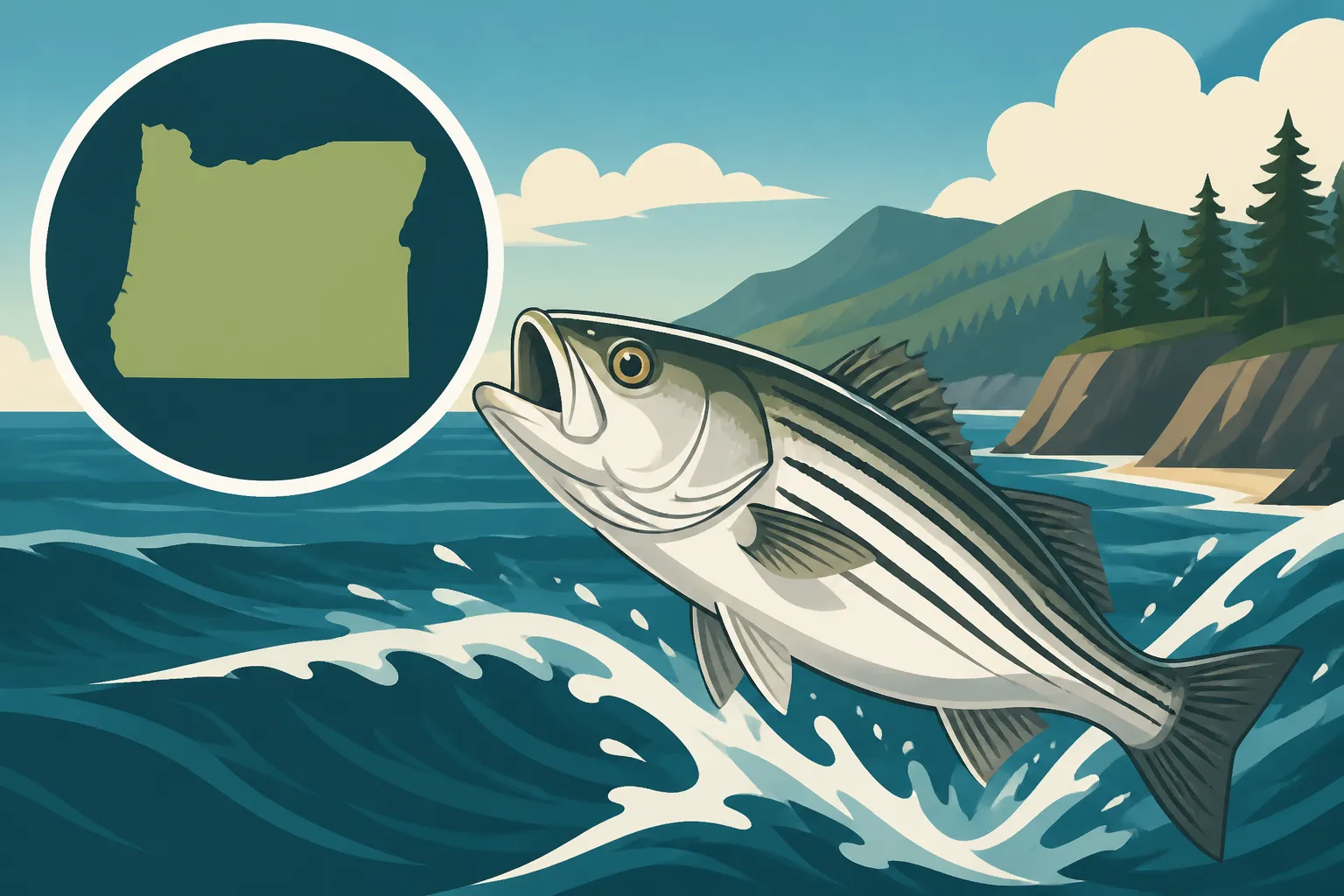
Striped Bass Status on the West Coast
If you're an angler who's heard tales of monstrous striped bass tearing up lines on the East Coast, or perhaps you’ve seen the impressive catches coming out of California, you might be wondering about their status here on the West Coast, especially in Oregon. It’s easy to assume such a popular sport fish would thrive everywhere, but the reality for striped bass west of the Rockies is quite different. This guide will dive deep into the fascinating, complex, and sometimes controversial story of striped bass on the West Coast, clarifying why they're a celebrated icon in some areas and a rare visitor in others.
The Intriguing History of Striped Bass on the West Coast
The story of striped bass on the West Coast isn't one of natural migration; it's a testament to human intervention and the unpredictable nature of species introduction. Their journey across the continent is a critical piece of understanding their current status.
East Coast Origins and West Coast Introduction
Striped bass, or "stripers" as they're affectionately known, are native to the Atlantic coast of North America, ranging from the St. Lawrence River in Canada down to Florida. They are anadromous fish, meaning they spend most of their lives in saltwater but migrate into freshwater rivers to spawn. Their size, fighting spirit, and delicious flavor made them a highly sought-after game fish for centuries.
The idea to introduce them to the West Coast sprang from a desire to establish new fisheries in a rapidly developing region. In 1879, a bold experiment took place. A batch of 132 fingerling striped bass, caught from the Navesink River in New Jersey, were transported across the country by train in barrels of fresh water. These intrepid travelers were released into California's Carquinez Strait, an arm of the San Francisco Bay, which connects to the vast Sacramento-San Joaquin River Delta system. Just three years later, in 1882, another 300 fingerlings were added to the mix. This introduction was incredibly successful, perhaps even too successful, marking the beginning of the striped bass's controversial legacy on the West Coast.
The Golden Age of California Stripers
Following their introduction, the striped bass found the Sacramento-San Joaquin Delta to be an incredibly fertile and welcoming environment. The estuary's vast network of sloughs, channels, and rich food sources, coupled with suitable freshwater spawning habitat in the rivers, allowed them to flourish. Their population exploded with remarkable speed. By the early 1900s, barely two decades after their introduction, striped bass were already supporting a thriving commercial fishery in California, with catches in the millions of pounds annually.
For decades, California's striped bass fishery was legendary. Anglers flocked to the Delta and San Francisco Bay to pursue these powerful fish, often catching trophy-sized stripers. This "golden age" saw striped bass become a quintessential part of California's angling culture, revered for their aggressive strikes and strong fights. They were seen as a fantastic recreational resource, providing countless hours of enjoyment for both shore anglers and boaters alike. The sheer numbers and size of the fish caught were astounding, solidifying their place as one of the premier sport fish in the region.
Striped Bass: A Tale of Two Coasts – West Coast vs. East Coast
While striped bass flourished in California for many years, their overall presence and cultural significance across the entire West Coast are fundamentally different from their native East Coast dominance. It's a tale of contrasting fortunes and ecological roles.
East Coast Abundance and Management
On the East Coast, striped bass are a native species, deeply ingrained in the ecosystems of countless rivers, estuaries, and coastal waters. From Maine to North Carolina, they are a primary target for recreational and commercial fisheries, supporting a massive industry and a passionate angling community. Their populations are widespread and resilient, though certainly not without their own management challenges over the years. Different states, like Maryland, Massachusetts, and Virginia, all have significant striped bass fisheries with specific regulations tailored to their regional populations. The Chesapeake Bay, in particular, is a historic stronghold and a critical spawning ground.
East Coast anglers rely on diverse techniques, from surf casting on sandy beaches to trolling in bays and jigging in deep channels. The sheer scale of the fishery means that management often involves complex interstate agreements and federal oversight to ensure sustainable populations across their vast range. For many East Coasters, a "striper" fishing trip is a birthright, a seasonal ritual that defines their angling year. Their abundance is a given, their presence woven into the very fabric of coastal life.
The Limited Reach on the West Coast
Despite their initial success in California, the striped bass did not replicate their East Coast ubiquity further north on the Pacific coast. While they established a robust, self-sustaining population primarily within California's central valley river system and San Francisco Bay, their spread into states like Oregon, Washington, and British Columbia has been extremely limited and, crucially, has not resulted in self-sustaining populations.
The primary reasons for this restricted range are environmental. Striped bass require specific conditions for successful spawning: large, tidal freshwater rivers with sufficient current and temperature. While California's Delta provided this, most rivers further north, including those in Oregon, often have colder water temperatures and different hydrological patterns that are less conducive to successful striped bass reproduction. Furthermore, even if some fish manage to migrate north, the lack of consistent, suitable spawning habitat prevents them from establishing breeding populations. This means that any striped bass found in Oregon are almost certainly strays or isolated individuals that have migrated from California's main population, not part of a local breeding stock. This stark difference is why you'll rarely find a dedicated Oregon Fishing Charter Guide for stripers, unlike for salmon or steelhead.
The Elusive Striped Bass in Oregon Waters
For Oregon anglers, the idea of catching a striped bass is often met with a mix of curiosity and skepticism. Unlike California, where they are a celebrated target, in Oregon, they remain an exceptionally rare and elusive catch.
Rare Sightings and Historical Records
Let's be clear: catching a striped bass in Oregon is a highly unusual event. While there have been sporadic, isolated reports over the decades, these are far from regular occurrences and certainly don't indicate a thriving population. Most sightings or catches have been single fish, often smaller in size, and usually found in the lower reaches of major river systems or coastal estuaries. The Columbia River, especially its lower stretches near Astoria, might see an occasional wanderer, as could bays like Coos Bay or the lower Umpqua River.
These rare encounters are often a surprise for the angler involved. Imagine casting for Chinook Salmon in Oregon or Steelhead in Oregon on a misty morning, only to hook into something with broad stripes and a powerful run that doesn't quite fit the typical Pacific Northwest profile. These fish are almost certainly individuals that have migrated north from California's breeding grounds, possibly following schools of baitfish along the coast. They are survivors, making an extraordinary journey, but they aren't establishing a new home. The absence of a consistent historical record of significant catches highlights their transient status here.
Why Oregon Isn't Striper Country
There are several compelling reasons why Oregon has not become "striper country" like California or the East Coast. The primary factor is the lack of suitable spawning and rearing habitat. As mentioned, striped bass need specific conditions for reproduction:
- Warm, Flowing Freshwater: They require long stretches of relatively warm (but not too warm) freshwater rivers with sufficient current to keep their semi-buoyant eggs suspended until they hatch. Oregon's major rivers, while magnificent, often run colder and have different flow dynamics than the vast, intricate network of the Sacramento-San Joaquin Delta.
- Estuarine Nurseries: Young striped bass thrive in brackish estuarine environments, rich in food and protected from strong ocean currents. While Oregon has numerous estuaries, they don't seem to offer the ideal combination of size, temperature, and prey density that the California Delta does for sustained striped bass recruitment.
- Competition and Predation: Even if a few eggs were to hatch, the survival rate of juvenile striped bass in Oregon's ecosystems, already optimized for native species like salmon and trout, would likely be very low due to competition for food and predation from indigenous fish and birds.
Essentially, Oregon's aquatic environments, while perfect for its native fisheries, simply do not provide the complete life cycle requirements for striped bass to establish a self-sustaining population. This is why you won't find specific Oregon Fishing Season Dates and Limits for striped bass, unlike for virtually every other game fish in the state.
Ecological Impact and Management Perspectives
The story of striped bass on the West Coast isn't just about angling; it's also about ecosystem dynamics and the delicate balance of native species. The differing philosophies in California versus Oregon reflect a broader conversation about introduced species.
Predation Concerns in California
While beloved by many anglers, the striped bass in California's Sacramento-San Joaquin Delta quickly became a formidable predator, and not without controversy. Their diet is broad, including many smaller fish, but critically, they also prey on juvenile salmon and steelhead, which are native to the system and many of which are endangered or threatened. This has created a significant ecological dilemma.
For decades, there has been an ongoing debate among scientists, anglers, and conservationists in California about the impact of striped bass on native anadromous fish populations. Some argue that their predation is a major impediment to the recovery of salmon and steelhead, which are already facing immense pressure from habitat loss, water diversions, and climate change. Others contend that striped bass are simply another part of a complex, altered ecosystem, and that focusing solely on them distracts from larger environmental issues. Regardless of where one stands on the debate, it's undeniable that striped bass exert significant predatory pressure, contributing to the challenges faced by native fish. This complex issue informs California's management strategies, which often aim to manage the striped bass population while still providing recreational opportunities. For those looking to understand the broader context of California's fisheries, resources on Amazon might include books on the ecological history of the Delta.
Oregon's Proactive Stance
Given the ecological challenges seen in California, Oregon's management approach to non-native species, especially predators, tends to be cautious and protective of its native fish populations. The Oregon Department of Fish and Wildlife (ODFW) places a strong emphasis on conserving and restoring native salmon, steelhead, and trout runs. Therefore, the widespread establishment of a powerful predatory non-native species like the striped bass would likely be viewed with significant concern and met with management efforts to prevent its spread.
Oregon's fishing regulations are designed to protect its endemic species, and any fish that poses a threat to these populations would be treated very differently than a native game fish. While Oregon does have non-native species that have established populations, like smallmouth bass in some river systems (and sometimes even encouraged to be harvested without limits, see How to Fish for Smallmouth Bass in Oregon), the potential impact of striped bass on Oregon's already fragile salmon and steelhead runs would be a major management headache. Essentially, Oregon actively works to prevent invasive species from establishing footholds that could harm its natural ecosystems and the native fisheries that are so vital to the state's identity and economy. This protective stance means that any striped bass found in Oregon waters are best admired, perhaps photographed, and certainly not encouraged to establish a breeding population.
What This Means for Oregon Anglers (and Beyond)
So, what does this all mean for you, the angler, especially if you're casting your lines in Oregon? It means understanding where to focus your efforts and appreciating the unique fisheries each region offers.
Targeting Striped Bass in California
If your heart is set on catching striped bass on the West Coast, California is where you'll need to go. The Sacramento-San Joaquin Delta system, along with San Francisco Bay and some of its tributaries, remains the stronghold for these fish. Anglers in California pursue stripers using a variety of methods, including bait fishing with anchovies, shad, or sardines; casting artificial lures like swimbaits, jerkbaits, and topwater plugs; and trolling large plugs or bait. The fishing can be phenomenal, especially during peak seasons when large schools of stripers move into the shallower areas or up the rivers to spawn.
A trip to the California Delta offers a vastly different angling experience than most of Oregon's freshwater fishing. It's a vast, intricate network of waterways, often requiring specialized knowledge of tides, currents, and specific fishing holes. Many anglers invest in boats specifically rigged for striper fishing, while others find success from shore or by hiring a local guide. If you're planning such a trip, you might want to browse Amazon for specialized striper tackle, ranging from heavy casting rods to various striper-specific lures that you won't commonly find in Oregon fishing shops.
The Oregon Focus: Embracing Local Fisheries
For anglers in Oregon, the message is clear: focus on the incredible diversity and abundance of fish species that do thrive here. Oregon offers world-class fishing for native and hatchery salmon, steelhead, trout, sturgeon, and a variety of panfish and warmwater species. The state’s rivers, lakes, and coastal waters provide opportunities for every type of angler, from fly-fishing enthusiasts on the Deschutes River to salmon chasers on the Columbia, or those seeking bottom fish off the coast.
Instead of looking for striped bass, embrace the opportunities to catch species like Rainbow Trout in Oregon in a serene mountain lake, or experience the exhilarating fight of a Coho Salmon in Oregon on a coastal river. Learn about Oregon Fishing Techniques for Beginners for these native species, and delve into the specific Oregon Fishing Regulations Explained for your target catch. You'll find a rich and rewarding angling experience without needing to chase an elusive non-native species. The gear you'll typically find on Amazon for Oregon fishing will be tailored to these abundant species, from specialized fly rods for trout to heavy-duty setups for sturgeon and tuna. Our state’s true treasures are its magnificent native fish, and there are endless adventures to be had pursuing them.
Ultimately, while the thought of a new, exciting sport fish can be enticing, the West Coast’s relationship with striped bass is a nuanced one. In Oregon, it’s a story of rare encounters and a clear focus on protecting and promoting our treasured native fish, ensuring their health for generations of anglers to come.
| Feature | East Coast Striped Bass Fishery | California Striped Bass Fishery | Oregon Striped Bass Status |
|---|---|---|---|
| Native/Introduced | Native | Introduced (1879, 1882) | Non-native, extremely rare/transient |
| Population | Widespread, self-sustaining, abundant | Self-sustaining in Sacramento-San Joaquin Delta | No self-sustaining population |
| Primary Habitat | Coastal rivers, estuaries, open ocean | Sacramento-San Joaquin Delta, San Francisco Bay | Isolated sightings in lower Columbia, coastal bays |
| Spawning | Numerous large freshwater rivers | Sacramento, San Joaquin Rivers | Not present, unsuitable conditions |
| Angler Interest | Iconic, extremely popular, dedicated fishery | Very popular, major sport fishery | Minimal, curiosity for extremely rare catches |
| Ecological Role | Native predator, integral to ecosystem | Invasive predator, significant impact on natives | No established role, limited ecological effect |
| Management | Extensive state & federal regulations | Managed fishery, balance with native species | Focus on preventing establishment |
Disclaimer
This article is for general informational purposes only and does not constitute professional advice. Laws, prices and regulations vary by location and change over time. Consult a qualified professional for guidance on your specific situation.