What do brown bullhead catfish eat
You’ve cast your line into a tranquil Oregon pond, the sun is setting, and you’re hoping for the satisfying tug of a brown bullhead catfish. But sometimes, they just aren’t biting, or you're left wondering if you're offering them the right meal. It’s a common frustration for many anglers, whether you’re a seasoned veteran or just starting out. Understanding what these opportunistic eaters really go for can make all the difference between a quiet evening and a cooler full of delicious fish. This guide is here to unravel the mystery of the brown bullhead’s appetite, helping you choose and present the perfect bait to entice these fantastic fighters in Oregon's diverse waters.
Understanding the Brown Bullhead's Diet Habits in Oregon
Brown bullhead catfish are truly fascinating creatures, especially when you consider their dietary habits. They're not picky eaters, which is a huge part of their success in so many different Oregon waterways, from the sluggish backwaters of the Columbia to countless ponds and slow-moving rivers. Their diet is incredibly varied, making them a fun challenge to target because so many different baits can work!
Natural Foraging in Oregon's Waters
Imagine a brown bullhead cruising along the bottom of a murky pond in the Willamette Valley. What's it looking for? Well, pretty much anything edible it can find! These fish are classic bottom-feeders and scavengers, meaning they’re not usually chasing down fast-moving prey in open water. Instead, they rely heavily on their acute sense of smell and touch, thanks to those distinctive whiskers (barbels), to locate food in low visibility conditions. They’re like underwater vacuum cleaners, hoovering up whatever looks and smells appealing.
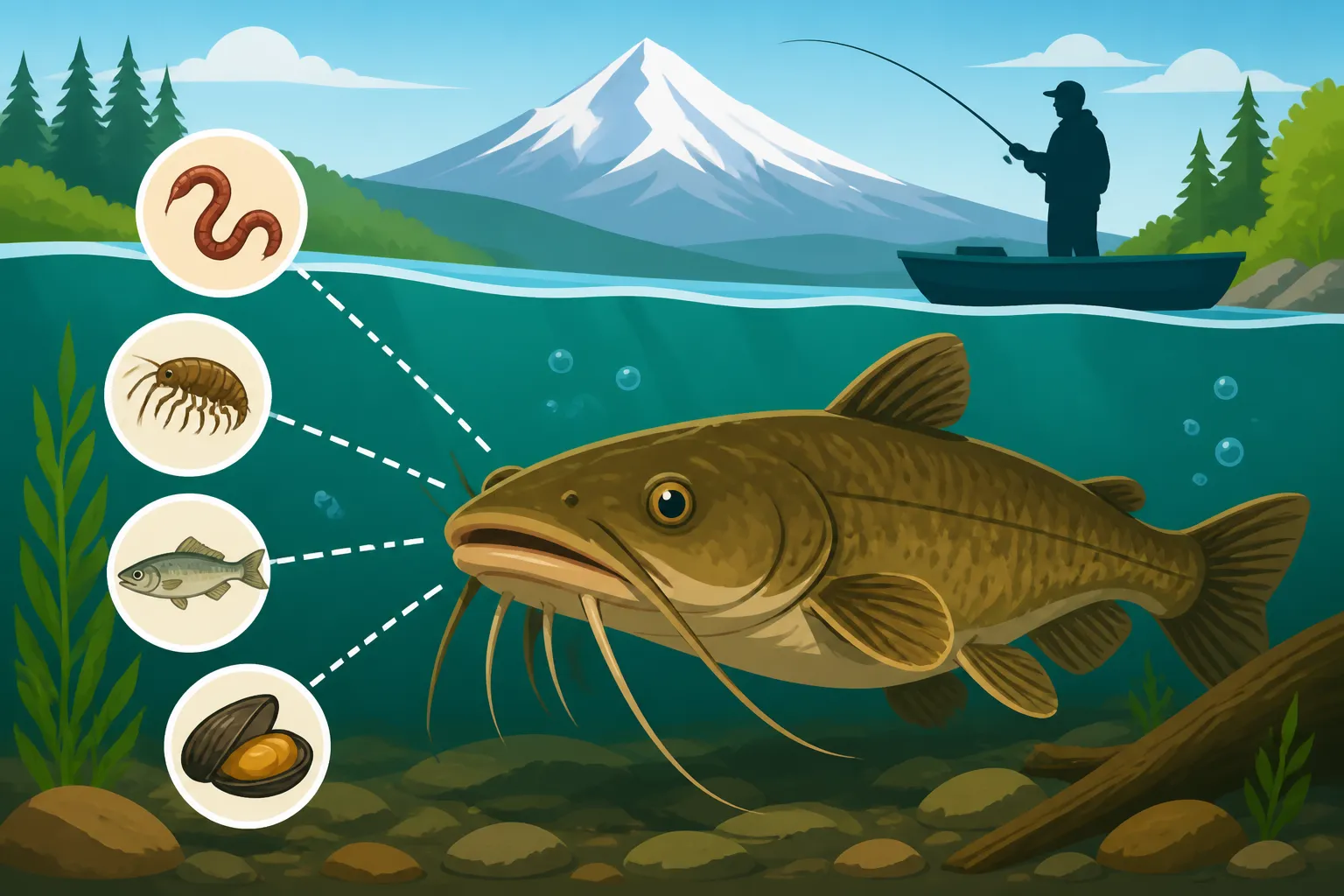
Their natural diet is a smorgasbord of aquatic life. This includes a huge variety of insect larvae, like those found clinging to submerged logs or burrowed in the mud. Small crustaceans, such as freshwater shrimp or crayfish, are also high on their menu, especially if they’re abundant in a particular lake or slow stretch of river. You'll also find them munching on small fish, often minnows or fry that aren't quite quick enough to escape. And don't forget the occasional snail or clam, adding to their diverse palette. This opportunistic nature means that if something smells good and is easy to swallow, a brown bullhead is probably going to give it a try. They are truly one of Oregon's most adaptable Oregon Warmwater Fish Species.
Seasonal Dietary Shifts and Availability
Just like us, a brown bullhead’s diet isn’t static; it shifts with the seasons and what's available in their environment. In the warmer months of late spring and summer, when insect hatches are booming and everything is reproducing, you'll find them gorging on abundant insects and their larvae. This is when the water is warm, their metabolism is higher, and they're actively feeding. They'll also be more likely to pursue smaller, slower fish or easily accessible crustaceans during these periods of high activity.
As the water cools in fall and winter, their metabolism slows down, and many insect populations dwindle. During these colder periods, bullheads might become less active, but they still need to eat. Their diet tends to shift towards more substantial, protein-rich items that are easier to find, such as dead or dying baitfish, or even bits of vegetation that have settled on the bottom. Understanding these seasonal shifts can give you a real edge, helping you choose a bait that mimics what they're naturally encountering and desiring at that specific time of year. Knowing a bit about Oregon Fishing Season Dates and Limits can help you plan your bullhead excursions to coincide with prime feeding times.
Best Baits for Catching Brown Bullhead in Oregon
When it comes to baiting brown bullheads, you're in luck because they're not finicky eaters. This means you have a wide array of choices, from traditional favorites to some surprisingly effective options. The key is often scent and presentation, making sure your offering is easily detected and irresistible to their keen senses. If you're looking for an overall guide on what to use, check out our Oregon Bait and Lure Guide.
Classic and Proven Baits
Let's start with the undisputed champions of bullhead bait: worms. Nightcrawlers are fantastic because they're big, juicy, and squirm enticingly. Red wigglers, while smaller, are also excellent, often preferred for their active wiggling and strong scent. You can rig them whole, or if you're finding bites are light, try cutting them into smaller pieces to expose more of that irresistible earthy smell. The strong, natural scent of worms is a bullhead magnet, signaling an easy meal digging around in the mud. You can often find a good supply of these at local bait shops or sometimes even through online retailers like Amazon if you're looking to stock up on larger quantities or specific types.
Another perennial favorite, especially for anglers targeting larger bullheads, is chicken liver. This bait is the king of stink! Its soft, bloody texture and potent smell are exactly what a bullhead’s sensitive olfactory system is tuned into. The challenge with chicken liver is keeping it on the hook, as it’s quite soft. Many anglers will let it "cure" in the sun for a bit to toughen it up, or wrap it in a small piece of mesh or pantyhose to secure it. The mess is totally worth it when you feel that solid strike.
Finally, commercial "stink baits" are specifically designed to appeal to catfish, and brown bullheads are no exception. These often come in paste, dip, or punch bait forms, packed with pungent odors that imitate decaying organic matter – pure gourmet for a bullhead. Some anglers even experiment with their own homemade concoctions, mixing things like cheese, cornmeal, and various strong-smelling oils.
Unexpected and Effective Baits
Beyond the classics, there are some lesser-known baits that can really shine for brown bullhead, especially when they're being a bit finicky or when you want to try something different. These often leverage the bullhead's scavenger nature and their incredible sense of smell.
Hot dogs, believe it or not, can be incredibly effective. The cheap, processed kind works best, often soaked in garlic powder or red Kool-Aid for added attraction. Cut them into bite-sized chunks, and their processed smell seems to trigger a feeding response. They're also relatively firm, staying on the hook better than chicken livers. This is an easy bait to pack for a family outing and can be surprisingly successful in many of Oregon's ponds.
Pieces of fresh or frozen shrimp, particularly the smaller salad shrimp, are another excellent choice. Whether cooked or raw, shrimp offers a potent, appealing scent that bullheads find hard to resist. The texture is firm enough to stay on the hook, and the marine smell is a novel attractant in freshwater environments. You might even find specialized bait shrimp available on platforms like Amazon that are designed to be more durable for fishing.
Then there are dough balls. These are incredibly versatile and can be customized with various scents and flavors. A basic recipe involves flour, water, and perhaps some cornmeal, then you can add anything from vanilla extract to garlic powder, anise oil, or even a bit of cheese. The beauty of dough balls is that you can make them as soft or firm as you need and infuse them with the precise aroma you think will work best on a given day. Rigging them on a small treble hook or bait holder hook works wonders.
Where and When to Present Your Bait for Success
Even with the best bait, knowing where and when to cast your line is paramount for successful brown bullhead fishing in Oregon. These fish have distinct preferences for habitat and feeding times, and understanding these can significantly increase your chances of a hook-up. Remember, for any fishing adventure, it's always wise to familiarize yourself with the Oregon Fishing License Guide and Oregon Fishing Regulations Explained.
Prime Oregon Habitats for Brown Bullhead
Brown bullheads are survivors, and they thrive in environments that might be less appealing to other game fish. Their preferred habitats are typically slow-moving or stagnant waters with soft, muddy bottoms and plenty of submerged cover. Think about those languid sloughs and backwaters off the main channels of rivers like the Willamette or the Columbia. These areas often have less current, allowing organic matter to settle and create a rich feeding ground.
Many of Oregon's smaller lakes and farm ponds are also brown bullhead havens. Look for spots with an abundance of aquatic vegetation, fallen trees, or brush piles. These features provide vital cover for the bullheads, offering protection from predators and a place to ambush unsuspecting prey or scavenge for food. Areas where creeks flow into a larger body of water can also be hotspots, as these confluences often concentrate food sources and provide slightly different water temperatures or oxygen levels that bullheads appreciate. When exploring new spots, consult resources like Best Lakes to Fish in Oregon or Best Rivers to Fish in Oregon to find promising waters that fit this description.
Ideal Times for Bullhead Feeding
Brown bullheads are largely nocturnal, meaning they are most active during the hours of darkness. This isn't to say you can't catch them during the day – you absolutely can, especially on overcast days or in heavily shaded areas – but dawn, dusk, and throughout the night are typically your prime windows of opportunity. Their excellent sense of smell and touch gives them a distinct advantage in low-light conditions, allowing them to forage effectively when visual predators are less active.
Water temperature also plays a significant role. Bullheads are warmwater fish, and their feeding activity really ramps up when the water is warm, generally between 65-75 degrees Fahrenheit. This means late spring, summer, and early fall are fantastic times to target them. After a warm rain can also be an excellent time to fish, as the rain often washes new food sources into the water and can stir up the bottom, releasing scent trails that attract hungry bullheads. During colder months, they might still bite, but their activity will be greatly reduced, requiring more patience and sometimes a more subtle presentation.
Enhancing Your Bait and Attracting More Bites
You've picked a great bait and found the perfect spot, but there's always a little extra magic you can work to make your offering truly irresistible to those Oregon brown bullheads. It's all about playing into their powerful sense of smell and presenting your bait in a way that just screams "easy meal!"
Scent and Chumming Strategies
For brown bullheads, scent is king. Their barbels and skin are covered in chemoreceptors, making them incredibly adept at detecting even minute traces of odors in the water. This is why "stinky" baits are so effective! To really amp up your game, consider enhancing your chosen bait. Many anglers will add drops of concentrated scents like anise oil, garlic oil, or even commercial fish attractants directly to their worms, chicken livers, or dough balls. You can buy these scents at most sporting goods stores or even through online retailers like Amazon, giving you a wider variety to experiment with. Just a few drops can disperse a powerful scent trail that leads bullheads right to your hook.
Chumming is another fantastic strategy to draw bullheads to your fishing area. Chum involves scattering small amounts of attractive food into the water to create a scent slick and hold fish in the vicinity. You don't need to go overboard; a little can go a long way. Ground-up stale bread, cornmeal mixed with a bit of fish oil, or even small pieces of the bait you're using can work wonders. The idea isn't to feed them full, but to create an enticing aroma that makes them curious and more likely to investigate your baited hook. Just be mindful of local regulations regarding chumming, as some areas may have restrictions.
Presentation Tips and Gear Considerations
How you present your bait can be just as crucial as what bait you're using. Since brown bullheads are bottom feeders, a rig that keeps your bait near the bottom is essential. A simple Carolina rig or a slip sinker rig are excellent choices. These rigs allow the fish to take the bait without feeling the resistance of the sinker right away, leading to more confident bites. For a slip sinker rig, you'd use an egg sinker threaded onto your main line, followed by a small swivel, and then a 12-18 inch leader tied to your hook. The sinker slides freely, letting the fish pull the line without detecting the weight.
When it comes to hooks, remember that bullheads have relatively small mouths compared to other catfish species. A size 4 to 8 octopus or bait holder hook is often ideal. You want something sharp, strong, but not so large it intimidates the fish or makes it difficult for them to get the bait into their mouth. As for line, a 6-10 pound test monofilament or fluorocarbon line is usually sufficient. It offers a good balance of strength and sensitivity. For your rod and reel, a medium-light to medium action spinning rod around 6-7 feet long, paired with a matching spinning reel, is perfect. This setup provides enough backbone to fight a decent bullhead, but enough sensitivity to detect those subtle nibbles. You can find a wide range of suitable hooks, sinkers, and even complete rod and reel combos for catfishing on platforms like Amazon, offering convenience and variety for your fishing needs. If you're new to fishing, exploring Oregon Fishing Techniques for Beginners can give you a solid foundation for rigging.
Disclaimer
This article is for general informational purposes only and does not constitute professional advice. Laws, prices and regulations vary by location and change over time. Consult a qualified professional for guidance on your specific situation.