Can you transfer an Oregon fishing license to someone else?
It's a common thought, especially when plans go awry or you're trying to be generous, to wonder if you can just hand off an unused Oregon fishing license to a buddy or family member. You've paid for it, it's valid, why not, right? Unfortunately, for very specific and important reasons, an Oregon fishing license is strictly personal and cannot be transferred to someone else once it's been issued. This guide will delve into why that's the case, what it means for your fishing plans, and some helpful alternatives for those looking to share the joy of Oregon's incredible fisheries.
The Straight Answer: No, You Cannot Transfer an Oregon Fishing License
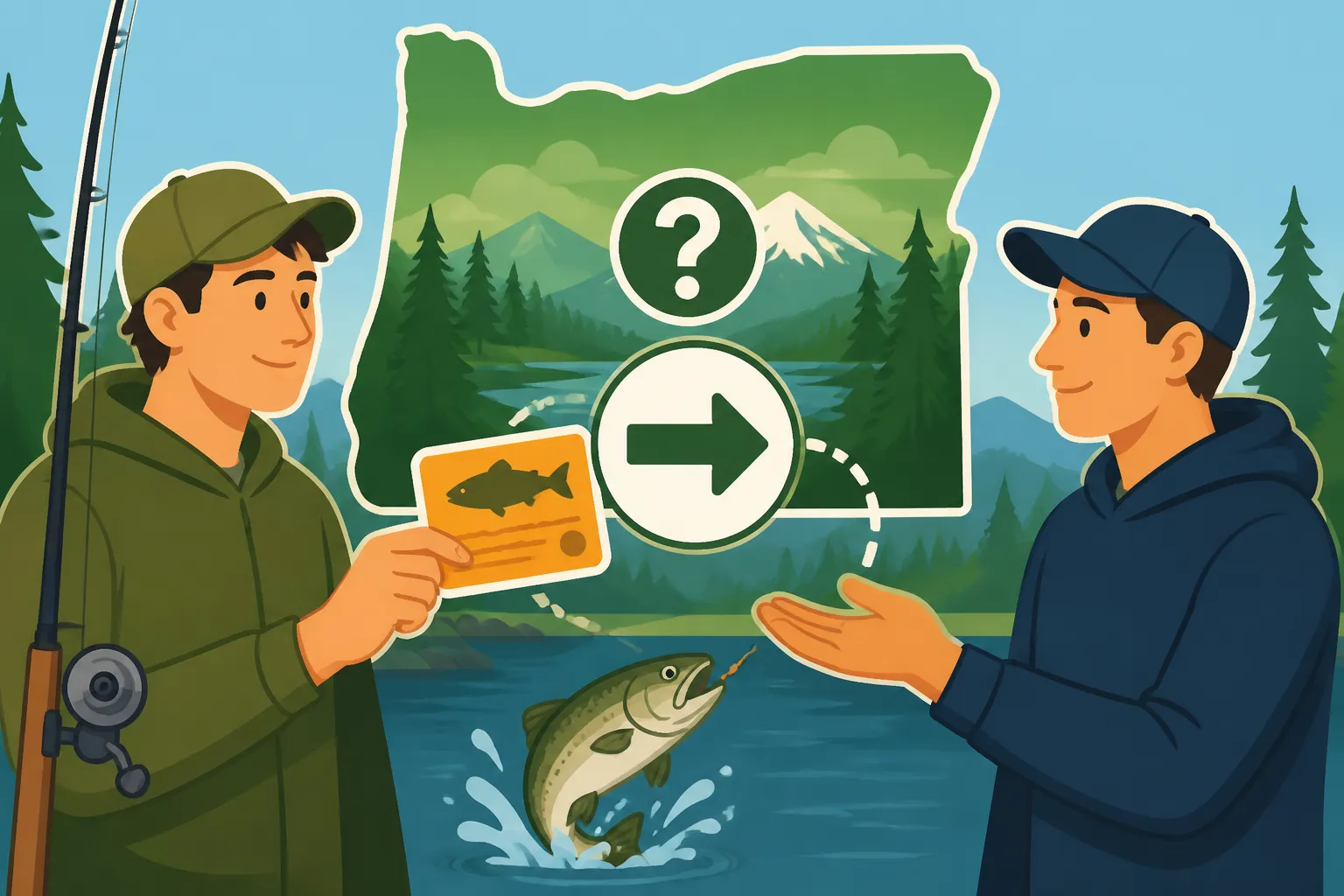
Let's cut right to the chase because it’s a question that comes up a lot, often leading to frustration: no, you absolutely cannot transfer an Oregon fishing license to another person. This isn't just a quirky rule; it's a fundamental principle of how fishing and hunting licenses work, not just in Oregon but across the country. Each license is tied directly to the individual who purchased it, making it uniquely theirs and no one else's.
Why Licenses Are Non-Transferable
The reason behind this strict non-transferability isn't to be difficult or to inconvenience anglers. In fact, it's rooted in very practical and critical aspects of wildlife management, conservation, and law enforcement. When you purchase an Oregon fishing license, you're not just buying a piece of paper or a digital record; you're entering into a system designed to protect and manage the state's natural resources for everyone.
First and foremost, licenses are personal identification documents for anglers. Just like your driver's license identifies you as a legal driver, your fishing license identifies you as a legal angler. It’s tied to your unique Oregon Department of Fish and Wildlife (ODFW) ID number, which includes your name, date of birth, and other identifying details. This allows wildlife officers to verify who is fishing and whether they are legally permitted to do so. If licenses were transferable, it would create an administrative nightmare and open the door wide to fraud and abuse. Imagine if one person could buy a license and then share it with a dozen friends throughout the year, effectively undermining the entire licensing system.
Beyond identification, the funds generated from license sales are absolutely crucial for conservation efforts. Every single dollar from your license purchase goes directly towards supporting ODFW programs, including fish stocking, habitat restoration, scientific research, enforcement of regulations, and access site maintenance. If licenses could be shared or transferred freely, the revenue stream for these vital programs would be severely impacted. It ensures that everyone who benefits from the resource contributes to its sustainability.
Lastly, non-transferable licenses ensure individual accountability. When you hold your own license, you are personally responsible for understanding and adhering to the Oregon Fishing Regulations Explained. This includes knowing bag limits, season dates, and specific rules for different water bodies. If someone else could use your license, it would blur the lines of responsibility and make enforcement incredibly difficult. Each angler is expected to educate themselves and follow the rules, and a personal license is a key part of that accountability.
Common Scenarios Where Anglers Wish They Could Transfer
It's completely understandable why this rule can be frustrating. We've all been there: you plan a fantastic fishing trip with friends or family, everyone buys their licenses, and then bam – life happens. Someone gets sick, a last-minute work commitment pops up, or an unexpected emergency derails their plans. Suddenly, you have an unused license, and you think, "Can't I just give this to my cousin who can make it?"
Another common scenario involves gifting. Perhaps you, with the best intentions, bought a license for a friend's birthday, hoping to surprise them with a year of fishing adventures. Or maybe you're visiting Oregon with family, and one person decides they don't want to fish after all, and you wish you could give their unused one-day license to another family member. The thought process is always the same: it's paid for, it's going to waste, someone else could use it! Unfortunately, the system isn't designed for this kind of flexibility precisely because of the critical reasons outlined above. It's a bummer, for sure, but the integrity of the resource management system depends on it.
Understanding Oregon's Licensing System for Individuals
To truly grasp why transferring a fishing license isn't an option, it helps to understand how the system is set up in Oregon from the ground up. It's designed to be precise, ensuring that every angler is properly accounted for and that the state's natural resources are managed effectively.
How Oregon Fishing Licenses Are Issued
When you buy an Oregon fishing license, whether it's an annual license, a daily permit, or a youth license, it's immediately linked to your individual profile within the ODFW system. This profile is identified by your unique ODFW ID number. To get this ID, you provide personal information such as your full name, physical address, date of birth, and often a physical description. This isn't just bureaucracy; it's a foundational element for conservation and enforcement.
Once purchased, your license information is stored digitally. You'll typically receive a digital copy you can display on your phone, or you can print a physical copy. Both methods are valid proof of your license. However, regardless of the format, the critical point is that this license record is indelibly tied to your personal data and your ODFW ID. When a wildlife officer approaches you on the river or lake, they will ask for your license. They can quickly look up your ODFW ID, verify your identity, and confirm that the license you're presenting is indeed registered to you. This seamless verification process is vital for ensuring compliance with all Oregon Fishing Regulations Explained.
The Purpose of Individual Licenses
The individual nature of fishing licenses serves several crucial purposes that extend far beyond simply granting permission to fish.
Firstly, it's about conservation funding. As mentioned, the revenue generated from each license sale is directed towards the ODFW's fish and wildlife management programs. These programs are vast, covering everything from operating fish hatcheries that stock lakes and rivers with trout, like in Diamond Lake or Henry Hagg Lake, to restoring critical salmon and steelhead habitat on rivers like the Deschutes or Rogue. Without a robust and individually accountable licensing system, the funding for these essential activities would be unpredictable and inadequate. When you buy your Oregon Annual Angling License, you're directly contributing to the health and future of Oregon's fisheries.
Secondly, individual licenses are vital for data collection and resource management. By tracking how many licenses are sold, what types of licenses (resident vs. nonresident, annual vs. daily) are most popular, and which endorsements are purchased, ODFW can gather valuable data on angler participation. This data helps biologists and policymakers make informed decisions about fish populations, stocking levels, and regulation changes. For example, if there's a surge in demand for the Oregon Combined Angling Tag Guide in a particular year, it might indicate increased interest in salmon and steelhead fishing, prompting further resource allocation or monitoring in those areas.
Finally, and perhaps most importantly from an enforcement perspective, individual licenses ensure accountability. Each angler is personally responsible for adhering to the specific rules and regulations. This means understanding daily bag limits, size restrictions, and specific gear requirements for the waters they are fishing. If someone is found to be in violation of fishing laws – say, they're caught with an over-limit of trout or fishing during a closed season – the violation is recorded against their ODFW ID. This system allows for proper penalties, which can range from fines to license suspension, ultimately promoting ethical and legal angling practices. If licenses were transferable, it would be nearly impossible to hold individuals accountable for their actions on the water, leading to potential exploitation of fish populations.
Gifting a Fishing Experience, Not a License
So, what do you do if you really want to share the joy of fishing with someone, or you feel bad about an unused license? While you can't transfer a license, you absolutely can facilitate a fishing experience for someone. It’s a common misconception that gifting a license is the only way to introduce someone to fishing.
Instead of trying to transfer an existing license, which isn't allowed, consider these thoughtful alternatives:
- Pre-pay for their purchase: You can offer to cover the cost of a new license for them. They'll still need to go through the process of purchasing it themselves, ensuring it's tied to their unique ODFW ID. You can simply give them the cash or a gift card for a sporting goods store like Bi-Mart or Cabela's (which are often places Where to Buy an Oregon Fishing License) where they can complete the purchase. This ensures they have a legally valid license in their own name.
- Gift certificates for gear: Every angler, new or seasoned, loves new gear! A gift certificate to their favorite local tackle shop, or even a general retailer that sells fishing supplies like Amazon, can be a fantastic way to show you care. They can pick out a new reel, some lures, waders, or even a good fishing book. This avoids the license transfer issue entirely while still fueling their angling passion.
- Book a guided trip: This is an excellent way to introduce someone to fishing, especially if they're a beginner. Many reputable guides offer gift certificates for their services. A professional guide will take care of most of the logistics, often including gear, and they'll ensure everyone has the correct licenses and understands the rules. This offers an unforgettable experience without the headache of license logistics. Consider looking into guides for Oregon Salmon Fishing Techniques or even specific experiences like Sturgeon Guide Trips on the Columbia.
- An "experience voucher": Create a custom voucher for a "Day of Guided Fishing with Me!" You can cover their license cost as part of the package. The key is that they will ultimately be the one purchasing their own license, even if you’re footing the bill.
These alternatives not only circumvent the non-transferability rule but often provide a more personalized and exciting gift, focusing on the adventure rather than just the administrative document.
What Happens If Your Plans Change or You Don't Use Your License?
Life is unpredictable, and fishing plans can absolutely fall through. It’s natural to wonder about what happens to your investment if you’ve purchased a license and then can’t use it, or if you simply don’t fish as much as you thought you would.
Oregon's Refund Policy
This is another area where many anglers face disappointment: generally speaking, Oregon fishing licenses are non-refundable. Once you've purchased a license, it’s considered valid and active from the moment of purchase for its designated period (e.g., a year, or a specific number of days). The Oregon Department of Fish and Wildlife operates under the assumption that by purchasing the license, you have gained the legal privilege to fish, regardless of whether you exercise that privilege.
There are several sound reasons for this policy. Administratively, processing refunds for millions of licenses would be an immense and costly undertaking, diverting valuable resources away from actual conservation efforts. Furthermore, a license's validity begins immediately. If refunds were easily granted, it could create loopholes where individuals might "rent" or share licenses, as one person could buy it, use it for a day, and then return it for a refund, which would go against the principles of individual accountability and revenue generation.
While ODFW does not typically offer refunds for unused licenses, there might be extremely rare exceptions in cases of agency error (e.g., if you were accidentally sold the wrong type of license due to a mistake on their end). However, you should not count on this. The burden is on the angler to ensure they are purchasing the correct license type and duration for their needs. This makes it particularly important to understand the Oregon Fishing License Costs and various Oregon Fishing License Types Explained before making a purchase.
The Best Approach for Future Angling
Given that licenses are non-transferable and generally non-refundable, planning ahead becomes incredibly important. You want to make sure your investment in an Oregon fishing license is well-spent, contributing to both your enjoyment and the state's conservation efforts.
Here are some tips to approach future angling plans:
- Confirm Plans Meticulously: Before purchasing an annual license for yourself or others, be as certain as possible about fishing dates and who will be participating. If you’re unsure about an individual’s commitment, it might be better for them to purchase their own license closer to the trip date.
- Consider Shorter-Duration Licenses for Visitors: If you have friends or family visiting who might only fish for a day or a few days, Oregon offers flexible options like the Oregon 1-Day Fishing License or Oregon Multi-Day Fishing License Options. These can be much more cost-effective and less risky than buying a full annual nonresident license if their plans are uncertain. They still need to buy it themselves, but it saves money if they only fish briefly.
- Utilize Your Own Annual License: If you purchased an annual license for yourself and one specific trip falls through, remember that your license is still valid for the entire calendar year (or 365 days from purchase, depending on the type)! Oregon has an incredible diversity of fisheries, from the salmon runs on the Columbia River to trout fishing in the Cascade Lakes. Take advantage of other opportunities that may arise. Perhaps explore some Best Places to Fish in Oregon that weren't originally on your radar, or try a new technique like How to Fly Fish in Oregon in a local pond. Your license is a key to a whole year of possibilities!
Navigating License Requirements and Common Misconceptions
Understanding the nuances of Oregon's fishing license requirements can sometimes feel like navigating a maze. It's not just about the main angling license; there are specific age rules, endorsements, and common myths that can trip up even experienced anglers. Clarifying these points helps emphasize why individual licensing is so critical.
Who Needs an Oregon Fishing License
The question of "who needs a license?" might seem straightforward, but it has a few important details that anglers often overlook, reinforcing the need for each individual to have their own.
- Age Requirements: In Oregon, most youth under a certain age are exempt from needing a license. However, there's a specific cutoff. You might wonder, Do kids need a fishing license in Oregon?? Generally, children under 12 years old do not need an angling license. However, once they hit that 12-year mark, they do. The exact details for What age do you need a fishing license in Oregon are important to check each year, as regulations can occasionally shift. While younger children are exempt from the general license, they still often need to comply with catch limits and other regulations, and if they plan to fish for species requiring specific tags (like salmon or steelhead), they might need to purchase those specific tags even if their general license is free.
- Residents vs. Non-residents: Oregon maintains distinct pricing and license types for residents and non-residents. Residency status is based on specific criteria, usually involving how long you’ve lived in the state. Non-residents typically pay a higher fee, which is a common practice to help manage resources that are primarily supported by resident taxpayers.
- Catch-and-Release Only: This is a huge one. Many people mistakenly believe that if they only plan to catch and release fish, they don't need a license. This is incorrect. The act of angling (attempting to take fish) requires a license, regardless of your intention to keep them. So, to answer Is an Oregon fishing license required for catch-and-release only?, the resounding answer is yes. This ensures that all participants contribute to conservation and are subject to regulatory oversight.
- Fishing from a Dock: Another common misconception is that fishing from publicly accessible docks or piers doesn't require a license. Again, this is generally false. If you are fishing in waters where a license is required, then whether you're in a boat, wading in a river, or casting from a dock, you need the proper license. So, if you're asking Do you need a fishing license to fish from a dock in Oregon?, assume yes, unless that specific dock is explicitly designated as a "free fishing zone" during a specific event, like a Oregon Free Fishing Days event. Always check the local regulations for any exceptions.
Important Endorsements and Tags
Beyond the base angling license, Oregon requires additional endorsements or tags for certain species or fishing activities. These are also non-transferable and are tied directly to your individual angling license.
- Combined Angling Tag: This is arguably the most critical addition for many anglers. If you plan to fish for salmon, steelhead, or sturgeon, you must purchase a Oregon Combined Angling Tag Guide in addition to your base angling license. This tag is where you record your harvest of these species. It's vital for ODFW to collect data on how many of these prized fish are being caught, which directly informs conservation and management decisions. Without it, you cannot legally retain these fish.
- Columbia River Basin Endorsement: If you're going to fish in the mainstem Columbia River or its tributaries within the Columbia River Basin, you'll need this specific endorsement. It's an additional cost but crucial for those waters. To understand What is the Columbia River Basin Endorsement for Oregon anglers, know that it supports management and conservation efforts specifically within this significant fishery.
- Shellfish License: If your plans include crabbing, clamming, or harvesting other shellfish along the coast, you'll need an Oregon Shellfish License. This is separate from your general angling license, although often purchased concurrently. Like angling licenses, it’s personal and non-transferable.
- Other Species-Specific Tags: Depending on the species, like halibut or sometimes specific sturgeon fisheries, additional tags might be required. These are always purchased individually and tied to your angler profile.
Each of these endorsements and tags serves a specific purpose for data collection, funding, and management, further solidifying why the entire licensing structure is built around the individual angler. They contribute to a comprehensive system that protects Oregon's amazing fisheries for everyone, now and in the future.
Summary of Licensing Rules and Gifting Alternatives
To make things clear, here’s a quick rundown of what we’ve covered regarding Oregon fishing licenses:
| Feature | Status | Explanation |
|---|---|---|
| License Transferability | NOT Allowed | Licenses are personal identification documents tied to a unique ODFW ID. Transferring them would undermine conservation funding, data collection, and individual accountability. |
| Refunds for Unused | Generally NO | Oregon fishing licenses are typically non-refundable once purchased, regardless of whether they are used. Exceptions are rare and usually only for agency error. |
| Who Needs a License | Most Anglers | Anyone aged 12 and older needs a base angling license to fish in Oregon, even for catch-and-release. Specific exemptions exist for younger children and during designated Oregon Free Fishing Days. |
| Required Endorsements | Species-Specific | Additional tags (like the Combined Angling Tag for salmon/steelhead/sturgeon), the Columbia River Basin Endorsement, or a Shellfish License are often required depending on what you're fishing for and where. These are also non-transferable. |
| Gifting Options | Indirect Support | Instead of transferring, you can: 1. Pre-pay for a new license for someone (they purchase it). 2. Gift fishing gear or gift cards (e.g., to Amazon or local tackle shops). 3. Book a guided fishing trip voucher for them. These methods ensure legal compliance and a great experience. |
Disclaimer
Please remember that fishing regulations and license requirements in Oregon can change. While this guide provides comprehensive and up-to-date information, it is always your responsibility to consult the official Oregon Department of Fish and Wildlife (ODFW) regulations website or booklet before you head out on the water. This ensures you have the most current and accurate information for a safe and legal fishing experience.