Brown Bullhead Catfish Fishing
For many anglers in Oregon, the thought of fishing immediately conjures images of majestic salmon leaping in coastal rivers or battling powerful steelhead in clear mountain streams. But what about the unsung heroes of our waterways? The humble brown bullhead catfish often gets overlooked, yet it offers incredible fun, delicious table fare, and some of the most accessible fishing experiences, especially for beginners or families. This guide will dive deep into everything you need to know about targeting brown bullhead catfish, from understanding their habits to the best baits and techniques, ensuring your next fishing trip is both enjoyable and successful.
Understanding the Brown Bullhead Catfish: Oregon's Often Overlooked Fighter
Let's face it, when you think "catfish," you might imagine monstrous flatheads or channel cats from the Midwest. But here in Oregon, our most common catfish species is the brown bullhead. They might not be the biggest, but what they lack in size, they make up for in fight and accessibility. These fish are true survivors, thriving in conditions where many other species would struggle, making them a fantastic target when you just want to bend a rod and relax.
What Makes Brown Bullheads Unique?
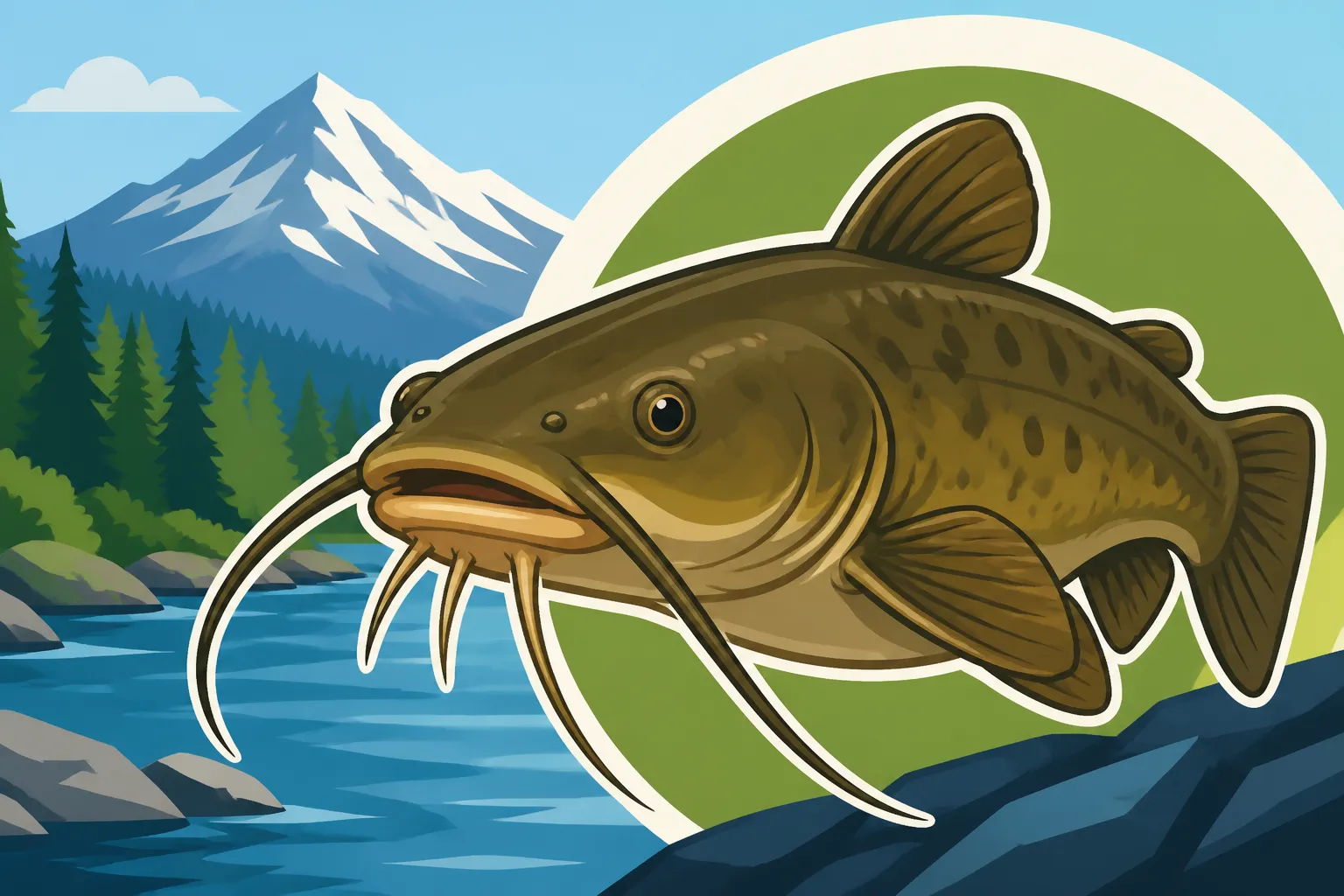
Brown bullheads, Ameiurus nebulosus, are easily recognized by their dark, mottled brown to black bodies, sometimes with a yellowish belly. They have eight barbels (whiskers) around their mouths, which are packed with taste buds and help them locate food in murky waters or low light. Unlike some of their larger catfish cousins, bullheads typically don't grow much bigger than 1 to 2 pounds in Oregon, though occasionally you'll find a chunky 3-pounder that feels like a tank on the end of your line. Their skin is smooth, without scales, and they possess sharp, serrated spines on their dorsal and pectoral fins, which can deliver a painful poke if you're not careful. These spines can actually lock into an upright position as a defense mechanism, so handling them with a firm grip behind the head, or better yet, with a pair of pliers for hook removal, is key to avoiding an unpleasant surprise.
They're incredibly hardy fish, able to tolerate a wide range of water conditions, including warmer temperatures, lower oxygen levels, and murkier waters that other game fish might avoid. This adaptability is precisely why you can find them in so many different ponds, lakes, and slower-moving river sections across the state. They're bottom feeders, constantly grubbing around for anything edible, which makes them relatively easy to catch once you know what they like. They might not have the acrobatic leaps of a trout, but they pull hard and stubbornly, providing a satisfying fight.
Where Do Brown Bullheads Thrive in Oregon?
Brown bullhead catfish are remarkably widespread throughout Oregon, primarily inhabiting warmwater lakes, ponds, reservoirs, and the slower, muddier sections of rivers. You won't typically find them in fast-flowing, crystal-clear trout streams; they prefer the quieter, weedier, and often murkier environments. This makes them an excellent target for urban and suburban anglers who might not have access to remote wilderness areas.
Think about the smaller, local ponds in parks or community lakes – chances are, brown bullheads are living there. Larger warmwater reservoirs like Henry Hagg Lake are prime locations, as are many of the smaller impoundments and sloughs off the Willamette River. Oregon Lakes to Fish in Oregon is a great resource if you're looking for general lake information. Farm ponds, irrigation canals, and even some of the slower sections of the Columbia River basin also hold healthy populations. They really are the everyman's fish, accessible to almost anyone with a rod and reel, and don't require fancy boats or specialized gear to find success. Their resilience means they can withstand fishing pressure and changing environmental conditions, making them a reliable species to target when other fish might be finicky.
Gear Up for Success: Essential Tackle for Brown Bullhead Catfish
You don't need to break the bank to get into brown bullhead fishing. In fact, one of the beauties of targeting these fish is how simple and affordable the gear can be. Most of what you probably already have for general panfish or trout fishing will work perfectly. The key is to have tackle that's sensitive enough to detect their often subtle bites, yet strong enough to handle their surprising pulling power and the occasional snags you might encounter on the bottom.
Rod and Reel Combinations for Catfish
For brown bullhead, a medium-light to medium action spinning rod, about 6 to 7 feet long, is usually ideal. This length gives you enough leverage for casting and fighting, while the medium-light action provides good sensitivity to feel those light taps. A good old ugly stick, or something similar in a graphite composite, works wonderfully. You don't need anything high-end or overly stiff; a rod with a bit of flex in the tip will actually help cushion those stubborn head shakes that bullheads are known for. Many anglers find a basic combo from a brand like Shakespeare or Zebco perfect for the job. You can often find great beginner combos for a very reasonable price on Amazon, which makes getting started super easy.
Pair your rod with a reliable spinning reel in the 2000 to 3000 size range. This size offers a good balance of line capacity and smooth drag. A smooth drag is essential, especially when a bigger bullhead makes a run for the weeds. While baitcasting setups can certainly be used, spinning gear is generally more user-friendly for beginners and makes casting lighter baits much easier. The goal is comfort and functionality, not necessarily power, because even a 3-pound bullhead isn't going to spool your reel unless you're using ultralight tackle.
Line, Hooks, and Terminal Tackle Choices
When it comes to fishing line, a monofilament line in the 6 to 10-pound test range is perfect. Monofilament has a bit of stretch, which acts as a shock absorber when a fish bites hard, and it's generally more abrasion-resistant than braid when fishing around snags. While braided line offers superior sensitivity, it can sometimes be overkill for bullheads and might be more prone to tangling in weedy areas. If you prefer braid, consider a 15 to 20-pound test with a fluorocarbon leader for added stealth and abrasion resistance.
For hooks, you'll want something sharp and strong. Circle hooks are a fantastic choice, especially if you plan on catch-and-release or want to minimize gut-hooking. A size 4 to 1/0 circle hook works well for most bullheads, allowing them to hook themselves in the corner of the mouth. If you prefer J-hooks, a similar size bait holder hook (with barbs on the shank to hold your bait) is effective. Make sure they are sturdy enough not to straighten out when you're pulling a bullhead out of heavy cover. You can grab a variety pack of hooks from Amazon to see what works best for your specific baits and locations.
As for terminal tackle, you'll need an assortment of sinkers, swivels, and possibly bobbers. Egg sinkers or flat bell sinkers in 1/4 to 1/2 ounce sizes are good for bottom fishing, allowing your bait to settle on the bottom without too much resistance. Barrel swivels help prevent line twist, and a good set of pliers for hook removal and cutting line is invaluable. Don't forget a stringer or a cooler if you plan on keeping your catch, as bullheads are excellent eating!
Bait and Scent: The Secret to Luring Oregon's Brown Bullheads
Brown bullheads are not picky eaters, which is fantastic news for anglers. They're opportunistic scavengers, constantly on the prowl for anything remotely edible. This means you don't need exotic or expensive baits to find success. In fact, some of the most common and affordable options are often the best. The real secret lies in knowing what they really can't resist and how to present it.
Top Baits for Brown Bullhead Catfish
When it comes to bullhead bait, think stinky and natural. Their keen sense of smell, amplified by those barbels, is their primary tool for finding food in dark or murky water. Here are some of the tried-and-true favorites:
- Worms: The undisputed king of bullhead baits. Nightcrawlers, red wigglers, or even garden worms are irresistible. Thread a whole worm onto your hook, or break off pieces if the fish are smaller. Worms are natural, readily available, and incredibly effective. You can typically find them at any bait shop or even order them in bulk from Amazon if you're planning a serious fishing session.
- Chicken Livers: This is a classic catfish bait for a reason. Chicken livers are incredibly potent, releasing a strong scent trail that bullheads follow directly to your hook. The only downside is they can be a bit messy and soft, so make sure to use a bait holder hook or even wrap them with a bit of thread to keep them on.
- Prepared Baits: Many commercial catfish baits are specifically formulated for bullheads and other catfish species. These often come in dough ball form or as soft pellets that adhere to your hook. Some anglers swear by them, and they can be convenient. Brands like Berkley PowerBait have offerings that are designed for scent dispersion, which is exactly what a bullhead is looking for.
- Cut Bait: Small pieces of cut fish, especially oily species like shad or mackerel, can be highly effective. The oils and blood create a fantastic scent trail. Just remember to check Oregon Fishing Regulations Explained to ensure you're using legal baitfish in your specific fishing area.
- Shrimp: Raw shrimp, especially those that have been sitting out for a little while (making them extra stinky), are another excellent choice. Cut them into bite-sized pieces and present them on the bottom.
| Bait Type | Pros | Cons | Ideal Usage |
|---|---|---|---|
| Worms | Widely available, natural, effective, easy to use | Can be picked off by smaller fish, some find them "icky" | All situations, especially for beginners or when unsure what to use |
| Chicken Liver | Strong scent, highly attractive to catfish | Very messy, soft texture can be hard to keep on hook, perishable | When targeting actively feeding catfish, in murky water |
| Prepared Baits | Convenient, specifically formulated scent, good for holding on hook | Can be less effective than natural baits, artificial scent might deter | Quick trips, when live bait isn't available, for consistent hook-ups |
| Cut Bait | Powerful scent trail, good for larger bullheads if present | Requires preparation, can attract other unwanted species, regulations | When targeting actively feeding fish, to maximize scent in larger water bodies |
| Shrimp | Good scent, relatively clean, readily available in grocery stores | Can be a bit pricey, may attract non-target species | Versatile, good alternative to chicken liver for scent |
The Power of Scent and Presentation
Beyond just what bait you use, how you use it makes a big difference. Scent is paramount for bullheads. The more scent your bait releases, the better. This is why worms and chicken livers are so effective – they naturally ooze attractive smells into the water.
Consider chumming if allowed by local regulations. Tossing a handful of chopped worms, corn, or even stale bread into your fishing spot can create a scent trail that draws bullheads in. Just be mindful of rules, as some areas prohibit chumming. Another trick is to soak your baits in commercial scent attractants, particularly those designed for catfish or with a strong garlic or anise flavor. A little extra boost can sometimes make all the difference, especially on tougher days.
When presenting your bait, remember that bullheads are bottom feeders. Your bait needs to be on or very close to the bottom where they forage. This is why bottom fishing rigs are so popular. However, don't just cast it out and forget it. Bullheads often take their time mouthing the bait before committing. They might nudge it, nibble it, or even swim off with it a short distance before really swallowing. Pay attention to those subtle bumps and taps on your rod tip. Give them a moment to fully commit to the bait before setting the hook. Patient observation is key, and understanding Oregon Fishing Techniques for Beginners can help you refine your approach.
Mastering the Techniques: How to Catch Brown Bullhead Catfish
Brown bullhead fishing is wonderfully straightforward, making it perfect for anglers of all skill levels. While they aren't overly complicated, a few tried-and-true techniques will significantly increase your chances of success. It's all about getting your bait into their strike zone and waiting for that tell-tale tug.
Bottom Fishing Rigs
Bottom fishing is by far the most popular and effective method for targeting brown bullheads, mainly because they spend their lives rooting around on the lake or riverbed. The goal is to get your bait down to them and keep it there.
- Carolina Rig (or Slip Sinker Rig): This is arguably the most versatile and effective bottom rig. You thread an egg sinker (1/4 to 1/2 ounce is usually plenty) onto your main line, followed by a small bead (to protect your knot), then tie on a barrel swivel. To the other end of the swivel, attach a 12-18 inch leader of monofilament (same or slightly lighter test than your main line) and then your hook. The beauty of this rig is that the line can slip freely through the sinker. When a bullhead takes the bait, it feels less resistance, allowing it to mouth the bait and move off without immediately feeling the weight of the sinker. This often results in a more confident bite.
- Basic Ledger Rig: This is even simpler. Tie your hook directly to your main line, then attach a split shot or small bell sinker a foot or so above the hook. This is a quick and dirty way to get bait to the bottom, though it offers more resistance to a biting fish compared to a slip sinker rig. It's great for still ponds or slow-moving water where snags aren't a major concern.
- Using Multiple Rods: If regulations allow (always check Oregon Fishing Regulations Explained first!), using two or three rods spread out can cover more water and increase your chances. Rig them with slightly different baits or at varying distances from shore to see what the fish prefer on that particular day. Just make sure you can manage all the rods if they start biting!
Float Fishing and Still Fishing
While bottom fishing is king, there are times when other techniques can shine, especially in certain conditions or for a different kind of angling experience.
- Float Fishing (Bobber Fishing): This method is fantastic for suspending your bait just off the bottom, above weeds, or in areas where the bottom is very snaggy. It's also incredibly fun to watch a bobber suddenly disappear! You'll use a slip bobber or a fixed bobber, depending on the depth you're fishing. Attach a sinker (split shot works well) above your hook to get the bait down, and adjust the bobber stop to position your bait a few inches to a foot or two off the bottom. This allows the scent to drift a bit and keeps your bait visible to cruising bullheads without getting stuck in the muck. It's also a great technique for kids, as the visual aspect of the bobber is very engaging.
- Still Fishing: This term is often used interchangeably with bottom fishing, but it specifically refers to casting out your bait and letting it sit motionless. Unlike active techniques like trolling or casting lures, still fishing for bullheads requires patience. You'll cast your chosen bait (like worms or chicken liver) into a promising spot, set your rod in a rod holder or prop it up on a branch, and wait. Watch your rod tip for subtle taps or a steady bend. Many anglers prefer to fish for bullheads during the evening or night hours, as they are often more active feeders then. This calm, patient approach is one of the joys of bullhead fishing, allowing you to relax and enjoy the surroundings while waiting for that exciting bite. Remember to bring a headlight if you're fishing after dark!
Finding the Hot Spots: Where and When to Target Brown Bullheads in Oregon
Knowing how to fish for brown bullheads is only half the battle; knowing where and when to find them makes all the difference. These fish have distinct preferences for habitat and feeding times, and understanding these patterns will help you put more fish in your cooler (or release them carefully, of course!).
Best Times of Day and Year
Brown bullheads are primarily nocturnal feeders, meaning they are most active from dusk through the night and into the early morning hours. Their excellent sense of smell and ability to navigate in low light give them an advantage over many other species during these times. While you can certainly catch them during the day, especially on cloudy days or in deeper, darker water, the action often really picks up as the sun sets. If you've never experienced night fishing, bullheads are a perfect species to start with – the stillness, the quiet, and the sudden, unexpected tug on your line make for a truly memorable experience. Just be sure to bring a headlamp or lantern, and tell someone where you're going!
Seasonally, brown bullheads are most active during the warmer months, typically from late spring through early fall. As water temperatures rise, their metabolism increases, and they feed more aggressively. Peak activity often occurs when water temperatures are consistently in the 60s and 70s Fahrenheit. During the colder winter months, they become much less active, often burying themselves in mud or dense cover and feeding very little. So, if you're planning a dedicated bullhead trip, aim for June, July, August, and September for the best chances. Oregon Fishing Seasons Explained can offer general guidance on overall fishing seasons, though bullheads often fall outside specific game fish regulations due to their hardy nature.
Locating Catfish Structure
Brown bullheads are not open-water cruisers. They prefer to hang out in areas with cover and structure, which provide both shelter from predators and abundant feeding opportunities. When scouting a location, look for these key features:
- Weed Lines and Aquatic Vegetation: Dense beds of lily pads, submerged grasses, or cattails along the shoreline are prime bullhead habitat. These areas offer cover, cooler water, and a rich ecosystem of insects, worms, and small baitfish that bullheads prey on. Cast your bait right along the edges of these weed lines or into small pockets within them.
- Submerged Timber and Brush Piles: Fallen trees, stumps, and sunken brush provide excellent cover and ambush points for bullheads. These structures also attract other aquatic life, creating a buffet for hungry catfish. Be prepared for snags when fishing these areas, so bring extra terminal tackle.
- Transition Areas and Channels: In lakes and reservoirs, look for areas where a shallow flat drops off into deeper water, or where a creek channel meanders through. These "breaks" are often highways for fish moving between feeding and resting areas.
- Inflow and Outflow Points: Where a small stream or ditch flows into a larger lake or pond, it can create a current that delivers food. Similarly, outflow points can concentrate baitfish, attracting bullheads.
- Muddy Bottoms: Unlike trout or salmon that prefer rocky or gravel bottoms, bullheads absolutely love soft, muddy, or silty bottoms. These areas are rich in the worms, insect larvae, and detritus that make up a large part of their diet.
Remember, bullheads are often found in relatively shallow water, especially at night when they move into the margins to feed. Don't be afraid to fish close to shore, even within a few feet of the bank. Using the information from Best Places to Fish in Oregon can help you identify local ponds and lakes that are known for warmwater species, and then apply these structure-finding tips.
Handling Your Catch: Safety and Regulations for Brown Bullhead Catfish
So, you've landed your first brown bullhead! Now what? These fish, while relatively small, require a bit of care in handling due to their sharp spines. And, like all fishing in Oregon, there are regulations to be aware of, even for these common bottom dwellers.
Safe Handling and Cleaning
First and foremost, be mindful of those dorsal and pectoral fins. They each contain a stiff, sharp spine that can deliver a painful, though rarely serious, puncture wound. The spines can also inject a mild venom, leading to localized swelling and discomfort. To avoid this:
- Use Pliers: The safest way to handle a bullhead is to use a pair of long-nosed pliers to remove the hook while the fish is still in the water or held gently in a net.
- Firm Grip: If you need to handle the fish directly, grip it firmly with one hand over its back, just behind the head, pressing its pectoral fins flat against its body. This immobilizes the dangerous spines. Some anglers wear gloves for added protection.
- Net: A small landing net is invaluable for scooping up your catch and controlling it while you unhook it.
- Stringer or Cooler: If you plan on keeping fish for dinner (and bullheads are delicious!), put them on a stringer in the water or immediately on ice in a cooler. This keeps them fresh and prevents them from flopping around, which can be dangerous for you and stressful for the fish.
Cleaning bullheads can seem daunting because of their lack of scales and slimy skin, but it's actually quite easy once you get the hang of it. Many anglers simply skin them. You can make a cut behind the head, then use pliers to peel the skin off from head to tail. Once skinned, filleting is straightforward. The meat is firm, white, and flaky, with a mild flavor that stands up well to frying, baking, or grilling.
Oregon Regulations and Limits
While brown bullheads are incredibly hardy and often don't have the same strict regulations as salmon or steelhead, it's absolutely crucial to always check the current Oregon Department of Fish and Wildlife (ODFW) regulations for the specific body of water you're fishing. Oregon Fishing Regulations Explained is your go-to resource.
Generally, for brown bullheads in many warmwater lakes and ponds, there may not be a specific size or bag limit, or the limits are very generous. This is often because they are prolific breeders and are not a species of conservation concern. However, this is not always the case, and regulations can vary by zone and water body. For instance, specific local ponds might have unique rules, or there could be restrictions if bullheads are found in waters also inhabited by sensitive native species.
- License Required: Regardless of the species, if you are 12 years or older, you absolutely need an Oregon fishing license to fish in public waters. Ensure you have your Oregon Fishing License Guide sorted out before you head to the water.
- Warmwater Fish Category: Brown bullheads fall under the "warmwater game fish" category in Oregon, alongside species like bass, crappie, and perch. Many of these species have very liberal limits or no limits at all, as ODFW often encourages their harvest to manage populations and reduce competition with native species.
- Catch Record Cards: While you likely won't need a salmon or steelhead tag for bullheads, understanding Oregon Catch Record Card Requirements for other species is vital if you're fishing in waters where multiple species are present.
Always remember that regulations can change, so a quick check of the ODFW website or the annual synopsis before each trip is a responsible and necessary step for any angler in Oregon. Happy fishing, and enjoy those delicious brown bullheads!
Disclaimer
This article is for general informational purposes only and does not constitute professional advice. Laws, prices and regulations vary by location and change over time. Consult a qualified professional for guidance on your specific situation.