How to catch shad with a dart lure
The spring and early summer can be a frustrating time for many Oregon anglers, watching countless shimmering schools of American Shad migrate up our rivers, yet struggling to entice a bite. These prolific, hard-fighting fish offer some of the most consistent action around, but they demand a specific approach. If you've been bewildered by their abundance but baffled by their elusiveness, this comprehensive guide will show you precisely how to turn those silver flashes into exhilarating hook-ups, focusing on the incredibly effective and surprisingly simple shad dart lure.
The Annual Shad Run: A Gift to Oregon Anglers
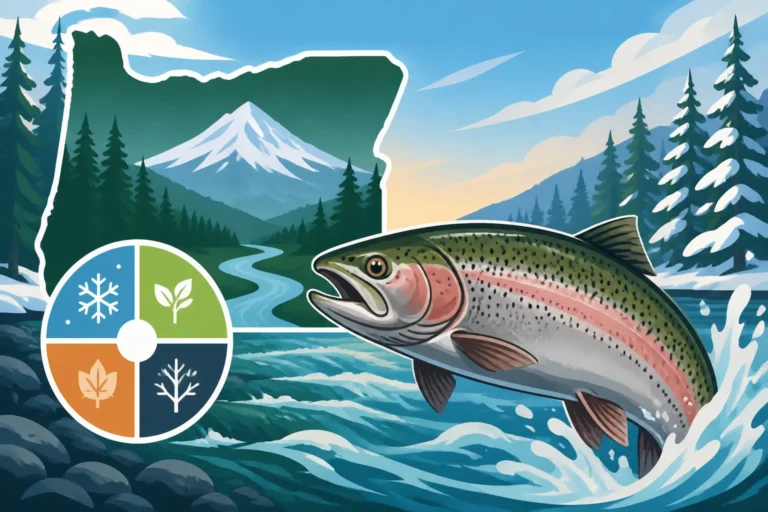
Oregon's rivers, particularly the mighty Willamette and Columbia, play host to one of the most spectacular freshwater migrations each year: the return of the American Shad. These aren't your typical Pacific Northwest salmonids; they're an anadromous species, meaning they spend most of their lives in the ocean before returning to freshwater to spawn. For anglers, this means a fantastic opportunity to experience fast and furious fishing action, often just a stone's throw from major metropolitan areas.
Why American Shad Matter
American Shad are often called "poor man's salmon" or "the everyman's fish" because of their sheer numbers and willingness to bite once you figure them out. Unlike some of our more iconic salmon and steelhead species, shad fishing doesn't always require specialized gear or distant wilderness trips. They are incredibly abundant, and during the peak of their run, you can often find them by the hundreds, if not thousands, in popular spots. This makes them an ideal target for beginners, families, or seasoned anglers just looking for some consistent, exciting action without the pressure of a trophy hunt. They put up a surprisingly strong fight for their size, with powerful headshakes and runs that can test light tackle. Plus, Are shad good to eat?, they're a delicious and sustainable table fare, though their bony nature often means they're better smoked or filleted with extra care.
The Willamette River's Silver Swarm
When we talk about American Shad in Oregon, the conversation inevitably turns to the Willamette River. This river is arguably the epicenter of the shad run in the state, offering unparalleled access and opportunities from its lower stretches all the way up past Oregon City. Every year, starting around late April and peaking through May and into June, the Willamette becomes a highway for these silvery torpedoes. The sheer volume of fish is astounding. You'll often hear tales of anglers catching dozens in a single outing, sometimes even experiencing double or triple hook-ups.
The river's characteristics, with its dam at Oregon City acting as a natural bottleneck, concentrate the fish, making them easier to locate and target. Other rivers, like the main stem of the Columbia, also see significant shad runs, especially in the Bonneville Dam area, but for sheer accessibility and consistent numbers in a river setting, the Willamette is hard to beat. Understanding the Shad in the Willamette River is key to timing your trips for maximum success. This annual migration provides a vibrant, accessible, and often overlooked fishery that truly is a gift to Oregon anglers.
Decoding the Dart: Why This Lure Dominates for Shad
When it comes to catching American Shad, there are a few tried-and-true methods, but one lure consistently outperforms the rest: the shad dart. Its simplicity belies its effectiveness, and once you understand why it works so well, you'll feel much more confident tying one on.
Anatomy of a Shad Dart
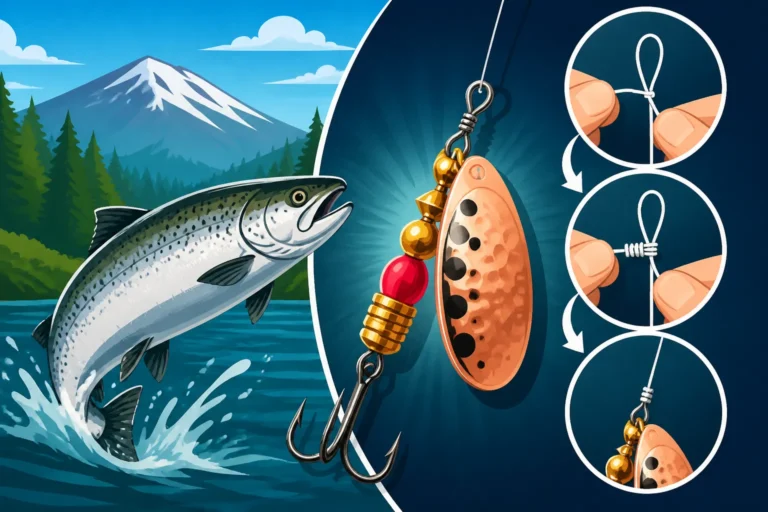
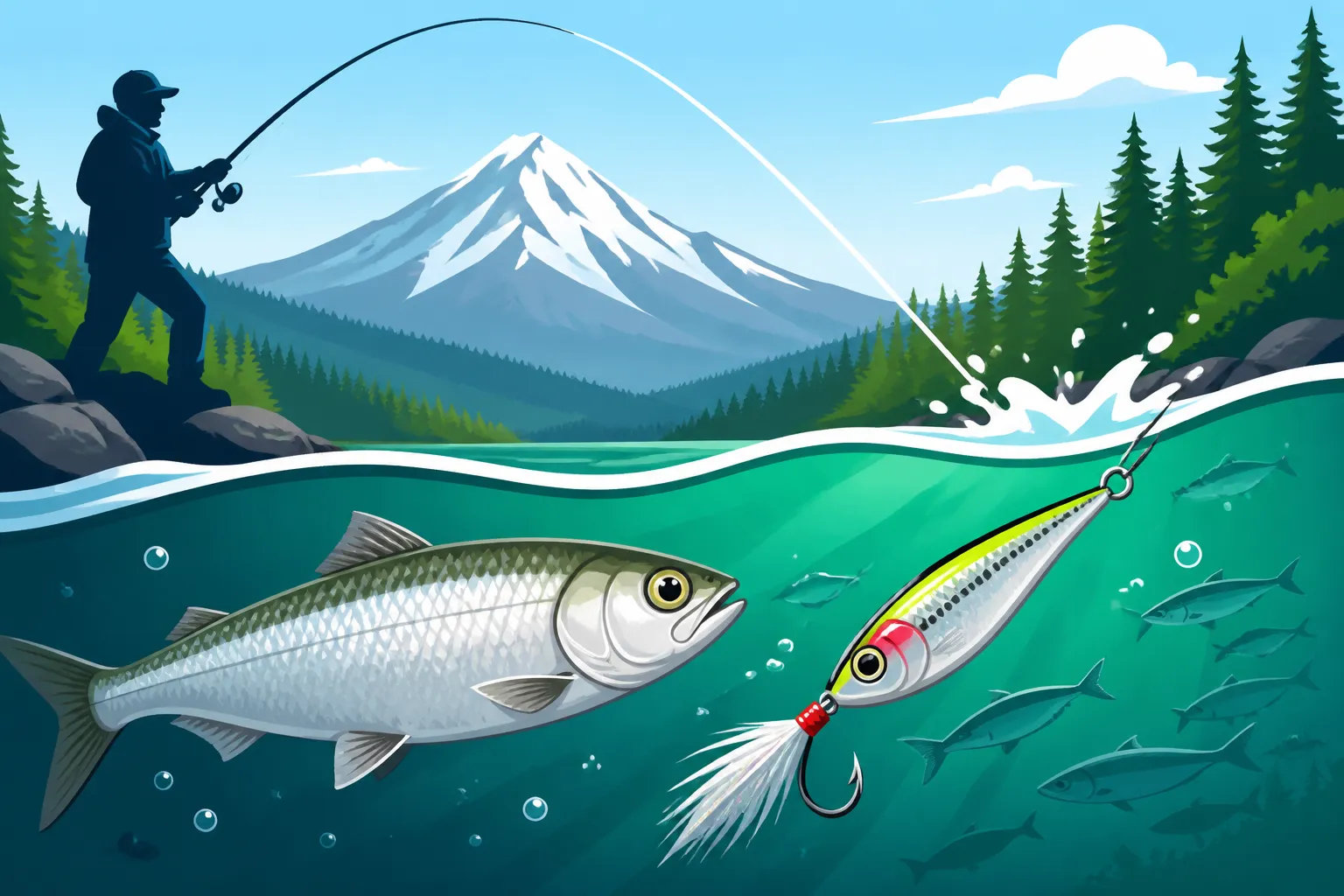
A shad dart is a deceptively simple lure. It typically consists of a small, weighted lead head molded onto a hook, often dressed with a small, brightly colored skirt of bucktail, synthetic hair, or even a simple piece of plastic tubing. The weight of the head, combined with its distinct shape, gives the dart its characteristic jigging action when retrieved through the water. They come in various weights, from tiny 1/32 ounce to heavier 1/4 ounce or more, designed to get down to the fish in different current conditions. The colors are usually vibrant – chartreuse, pink, white, orange, and yellow are classic shad catchers.
The magic of the dart lies in its subtle but erratic movement. When jigged or retrieved with a slight twitch, it mimics a fleeing baitfish or insect, a movement that seems to drive shad absolutely wild. They aren't always looking for a big meal; sometimes, it's that small, darting action that triggers their predatory instinct. It's a lure designed specifically for these fish, honed over decades of shad fishing traditions in rivers across the country.
Choosing the Right Dart for the Conditions
Selecting the right shad dart isn't overly complicated, but a few considerations can drastically improve your success.
- Weight Matters: This is crucial. In slower, shallower water, lighter darts (1/32 to 1/16 ounce) are perfect. They flutter naturally and stay in the strike zone longer. In faster currents, deeper water, or when fishing from a bank where you need to cast further, you'll want heavier darts (1/8 to 1/4 ounce). The goal is to get the dart down to where the shad are schooling, which is often near the bottom in the main current lanes. You might need to experiment with several weights throughout the day as river levels and current speeds change.
- Color Cues: Shad are notoriously finicky about color on any given day. What worked yesterday might not work today. It's always a good idea to have an assortment of colors:
- Bright & Bold: Chartreuse, bright pink, and orange are phenomenal on sunny days or in clear water. They offer high visibility.
- Subtle & Natural: White, yellow, or even unpainted lead heads can be effective in overcast conditions or murkier water, offering a more subdued presentation.
- Two-Tone: Darts with two colors, like a chartreuse head with a white tail, can also be very enticing.
- Material: While traditional bucktail darts are excellent, many modern darts use synthetic materials that are very durable. Some anglers even prefer bare lead heads, adding their own soft plastic grub or tail for extra action. You can find a wide variety of these darts on platforms like Amazon, making it easy to stock up on different options.
A good strategy is to start with a popular color and weight, then adjust as needed. If you're not getting bites, try a heavier dart, then a lighter one. If still nothing, switch colors dramatically. Often, finding the "hot" color of the day is the key to unlocking consistent action.
Mastering the Darting Technique: Rigging for Success
The beauty of fishing with shad darts is its relative simplicity, but there are a few crucial steps in rigging and retrieving that can make all the difference between a frustrating day and a phenomenal one. This is definitely one of those Oregon Fishing Techniques for Beginners that can provide instant gratification.
Setting Up Your Line: The Simple System
For shad fishing with darts, a light-tackle setup is your best friend. This not only makes the fight more exciting but also allows for better lure presentation.
- Rod and Reel: A light to medium-light spinning rod, typically 6 to 7.5 feet long, paired with a small to medium spinning reel (like a 1000-2500 series) is ideal. This setup provides the sensitivity to feel the subtle taps of a shad and the backbone to handle their spirited runs.
- Line Choice: Monofilament line in the 4 to 8-pound test range is a classic choice. It has a bit of stretch, which can be forgiving with shad's soft mouths, and it's easy to tie. However, braided line (6-10 pound test) can offer superior sensitivity, which is great for detecting light bites, especially in current. If using braid, a short fluorocarbon or monofilament leader (2-3 feet of 6-8 pound test) tied with an FG or double uni knot can add a bit of shock absorption and make your presentation a little less visible.
- The Dart Rig: The most common and effective way to rig a shad dart is with a simple direct tie. However, sometimes a two-lure rig can double your chances.
- Single Dart: Tie your chosen dart directly to your main line or leader using a Palomar knot or improved clinch knot. This is straightforward and effective.
- Two-Dart Rig (the "Shad Rig"): This is a popular and often deadly setup, especially when shad are thick.
- Start with your main line.
- Tie on a small, three-way swivel.
- From one eye of the swivel, tie a 6-12 inch leader to your first shad dart.
- From the second eye, tie a slightly longer leader (18-36 inches) to your second shad dart.
- From the third eye of the swivel, tie a short leader (6-12 inches) to a small bell sinker or lead weight. The weight should be heavy enough to keep your darts near the bottom in the current, usually 1/2 to 1 ounce, sometimes more in heavy current.
- The idea here is that the weight keeps your lures in the strike zone, while the darts flutter freely in the current. If the current is strong, you might even consider a lighter dart on the shorter leader and a slightly heavier one on the longer leader to give them different actions.
- Alternatively, you can skip the swivel and tie a droplight rig: tie a surgeon's loop or dropper loop in your main line, leaving a small loop where you can attach a dart. Then, tie a second loop above that one, and finally, tie your sinker to the end of the line. The length of these dropper loops and the distance between them can be experimented with.
Remember to regularly check your knots and line for fraying, especially after catching a few fish or getting snagged. Shad have surprisingly sharp gill plates and can abrade your line.
The Art of the Retrieve: Presenting the Dart Perfectly
Once your rig is set, it's all about the presentation. Shad fishing with darts isn't about casting and reeling fast; it's about subtle control and working the current.
- The Cast: Cast upstream and slightly across the current. This allows your darts to sink and drift naturally down towards where the shad are holding. You're trying to present the lure just ahead of the school.
- The Drift: Let your dart or darts drift downstream with the current. The goal is to keep them near the bottom, but not dragging on it constantly. If you're constantly snagging, your weight might be too heavy, or you're not lifting it enough. If you're not feeling bottom, it might be too light.
- The Jig: This is where the "dart" comes in. As your lure drifts, gently raise your rod tip a few inches and then let it fall. This gives the dart its irresistible fluttering, jigging action. It's not a violent yank; think of it more as a gentle lift and drop, letting the current do some of the work. This subtle movement is key to triggering a strike. Some anglers prefer a steady, slow retrieve with occasional twitches, while others rely more on the current to impart action, simply keeping a tight line and feeling for bites. Experiment to see what the fish prefer on any given day.
- The Strike: Shad bites can range from a light tap to a solid thunk or even a sudden feeling of weight. Because they're often in current, it can sometimes feel like a snag. If you feel anything out of the ordinary, set the hook! A quick, firm sweep of the rod tip is usually enough. Their mouths are somewhat delicate, so avoid overly aggressive hook sets, especially on lighter tackle.
- Fan Casting: Don't just cast to one spot. Fan cast, moving your casts slightly left or right with each retrieve. This allows you to cover more water and locate the schools. Shad tend to move in specific lanes or holding areas, and finding that sweet spot is crucial. Focus on current breaks, seams, and deeper channels.
Practicing your retrieve will become second nature, and soon you'll be able to feel the difference between a dart bumping bottom and a shad's gentle inquiry. With a bit of patience and adjustment, you'll be consistently hooking into these spirited fighters.
When and Where to Find That Hot Shad Bite
Timing and location are paramount for consistent success when targeting American Shad in Oregon. While they are abundant, knowing when they're most active and where they prefer to hang out will dramatically increase your catch rate.
Timing is Everything: Peak Seasons and Daily Rhythms
The American Shad run in Oregon is a seasonal event, typically kicking off in late April, reaching its zenith in May, and tapering off through June. However, these dates can shift slightly year to year based on water temperatures and river flows. A good rule of thumb is to start watching river reports and local fishing forums as early as mid-April.
- Peak Season: May is generally the prime month for shad fishing on the Willamette and Columbia rivers. During this window, fish are entering the rivers in massive numbers, fresh from the ocean, and are actively moving upstream to spawn.
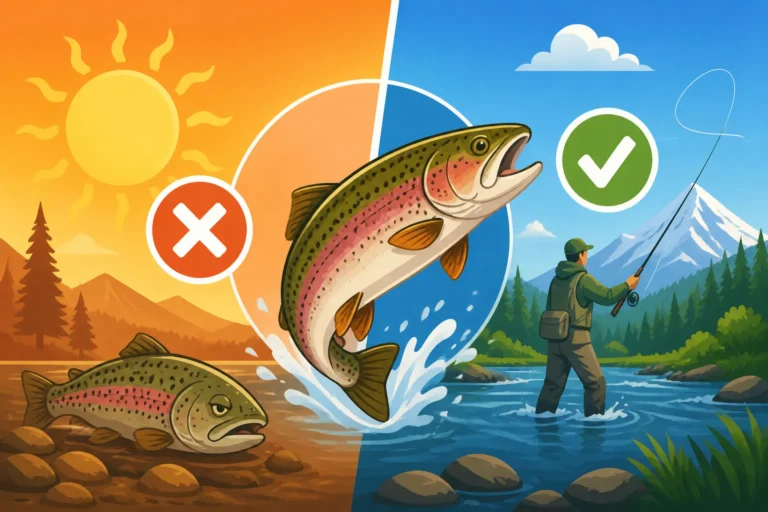
- Water Temperature: Shad prefer water temperatures in the 55-65°F range for spawning. As the water warms, their activity increases.
- Daily Rhythms: Shad can be caught throughout the day, but often the early morning and late afternoon/early evening hours tend to be the most productive. These low-light periods can sometimes make them more aggressive. However, if you find a hot spot, they might bite all day long. Overcast days can also extend the "prime time" throughout the middle of the day.
- Tides (on the lower Columbia): If you're fishing closer to the ocean, particularly on the lower Columbia River or even the very bottom of the Willamette near Portland, pay attention to the tides. Incoming tides can push fresh schools of fish into the river, and the movement of water can concentrate fish in certain areas. Conversely, a strong outgoing tide can make fishing more challenging as the current becomes very powerful.
Staying informed about Best time of year to fish for shad on the Willamette is your best bet for planning a successful trip. Local tackle shops are also an invaluable resource for current conditions and what's biting.
Prime Locations: Reading the Water for Shad
Shad, like many anadromous fish, will follow certain patterns as they migrate upstream. Knowing where to focus your efforts can make a huge difference.
- Current Seams and Eddies: Shad love to travel and rest in current seams – the boundary where fast-moving water meets slower water. They'll use the slower water to conserve energy but will often dart into the faster current to feed. Look for these transition zones. Eddies, which are pockets of reverse current, are also excellent holding areas where shad can rest before pushing upstream.
- Congestion Points: Dams and waterfalls act as natural funnel points, concentrating fish. The area just below the Oregon City Falls on the Willamette River is legendary for its shad fishing. Fish pile up here, making them very accessible from the bank. Similarly, below Bonneville Dam on the Columbia River is a known hot spot.
- Depth: Shad often travel and hold closer to the bottom, especially during their upstream migration. Your goal is to get your dart down to their level. However, they can move up in the water column, especially during low light or when actively feeding. Don't be afraid to experiment with different depths, but generally, start near the bottom.
- Bank Access vs. Boat: Many prime shad spots, especially on the Willamette, are fantastic for bank fishing. Do you need a boat to catch shad? The answer is often no! Parks like Meldrum Bar Park or Sportcraft Landing offer excellent public access for shore anglers. If you do have a boat, you can reach more obscure channels and cover more water, but it's by no means a necessity. Best technique for bank fishing without a boat often involves using slightly heavier darts to cast further and get to the fish.
- The Willamette River Specifics:
- Oregon City Area: The stretch below the falls is perhaps the most famous. Look for the main channels and current breaks.
- Clackamas River Mouth: Where the Clackamas meets the Willamette, the confluence often holds fish.
- Portland Metro Area: Even within Portland, spots like Cathedral Park or Ross Island can produce fish as they move through. While these aren't as famous as Oregon City, they can offer surprising opportunities close to home. You can find more details in a comprehensive Willamette River Fishing Guide.
By combining knowledge of the seasonal timing with an understanding of where shad prefer to hold in the river, you'll be well on your way to a fantastic day of dart fishing. Always be mindful of other anglers, especially in popular bank access areas, and practice good etiquette.
Beyond the Dart: Essential Gear and Tips for a Great Day
While the shad dart is undoubtedly the star of the show for this type of fishing, having the right supporting gear and adhering to general best practices will make your outing much more enjoyable and successful. It’s not just about the lure; it’s about the whole experience.
Rod, Reel, and Line: Matching Your Setup
We've touched on this already, but it bears repeating: light tackle makes shad fishing a blast.
- Rod: A 6-foot to 7.5-foot light or medium-light action rod is perfect. It needs enough backbone to cast your darts, but enough sensitivity in the tip to detect those subtle bites and absorb the shad's head shakes without tearing the hook out. Graphite rods offer excellent sensitivity.
- Reel: A small spinning reel (size 1000-2500) spooled with good quality line is ideal. Ensure your drag system is smooth, as shad can make surprisingly fast short runs. You can find reliable options for both rods and reels on Amazon that won't break the bank.
- Line: As discussed, 4-8 pound monofilament or 6-10 pound braided line with a fluorocarbon leader are your primary choices. If you're a beginner, mono is more forgiving. If you want maximum feel, go with braid. The Best Bait and Lure Guide often suggests lighter lines for smaller lures, which certainly applies to darts.
Having a properly balanced setup means you'll be able to cast accurately, feel every tap, and truly enjoy the fight of these energetic fish.
Handling Your Catch and Regulations
Even though shad are abundant, responsible angling is crucial. Plus, you need to know what you can and can't do.
- Regulations: Always check the current Oregon Fishing Regulations Explained before heading out. While shad typically have very generous or no daily bag limits, it's vital to confirm any specific rules for the waterbody you're fishing. For instance, sometimes emergency regulations can change, or there might be special rules for certain areas. You can also review general Oregon Daily Bag Limits Explained to understand the typical structure of limits.
- Handling Shad: Shad have soft mouths, so be gentle when unhooking them, especially if you plan to release them. Using a pair of needle-nose pliers can make hook removal easier and safer for both you and the fish. If you plan to keep shad for consumption, dispatch them quickly and humanely, then place them on ice.
- Waders and Footwear: If you're bank fishing, especially in areas with current, sturdy waterproof boots or waders are often a good idea. This allows you to safely access slightly further out spots and stay dry. Always be mindful of slippery rocks and uneven riverbanks.
- Sun Protection: Even on overcast days, spending hours on the water means sun exposure. A good hat, sunglasses, and sunscreen are absolute essentials to protect yourself.
- Hydration and Snacks: Fishing can be demanding, so bring plenty of water and some snacks to keep your energy up.
- Nets: A small landing net can be very helpful, especially if you're fishing with lighter line. It helps land the fish quickly and reduces stress on the fish and your tackle.
- License: Don't forget your Oregon Fishing License Guide! Fishing without a valid license is never worth the risk. You can purchase them online or at various license agents throughout the state.
Shad fishing with darts offers a unique, exciting, and accessible fishing experience in Oregon. It’s a chance to enjoy consistent action, hone your light tackle skills, and connect with the natural rhythms of our rivers. So grab some darts, head to the Willamette, and get ready for some serious fun!
Disclaimer
This article is for general informational purposes only and does not constitute professional advice. Laws, prices and regulations vary by location and change over time. Consult a qualified professional for guidance on your specific situation.