What gear do you need for ocean bottom fishing
Oh, the allure of ocean bottom fishing! There’s nothing quite like the feeling of dropping your line into the deep blue, hoping to connect with a hefty lingcod, a colorful rockfish, or even a prized halibut. But let's be real, you can't just head out with your trout rod and expect success. The ocean is a powerful, unforgiving environment, and if you don't have the right gear, you're going to end up frustrated, fishless, and potentially losing a lot of expensive tackle. This guide is all about equipping you with the knowledge to pick the perfect setup for reeling in those bottom dwellers off the incredible Oregon coast.
The Foundation: Rods, Reels, and Line for Ocean Bottom Fishing
When you’re staring down at the vast Pacific, ready to drop a heavy lead down to the bottom, your freshwater gear simply won't cut it. Ocean bottom fishing demands robust equipment that can handle deep water, strong currents, heavy weights, and powerful fish. It's a whole different ballgame.
Choosing the Right Rod: Power and Action are Key
For ocean bottom fishing, you're not looking for finesse; you're looking for strength. Think about it: you're often dropping heavy sinkers, sometimes a pound or more, in depths that can range from 50 to several hundred feet, all while fighting currents. A flimsy rod will quickly become a noodle, offering little control or power.
You'll want a rod that's categorized as "heavy" or "extra-heavy" in terms of power. This describes the rod's lifting strength. As for action, a "moderate" or "moderate-fast" action is often preferred. This means the rod bends more towards the middle, giving you enough sensitivity to feel subtle bites but enough backbone to absorb the shock of a strike and muscle a big fish off the bottom. A rod that's too fast (bends only at the tip) might be too stiff for jigging or feeling those lighter bites, while one that's too slow (bends deeply into the handle) might not have the power to lift a heavy fish. Length-wise, a 6 to 7.5-foot rod is pretty standard, offering a good balance between casting ability (if needed) and leverage for fighting fish.
Pairing Your Rod with a Robust Reel
Your reel is just as crucial, if not more so, than your rod when you’re venturing out into the ocean. For bottom fishing, most anglers gravitate towards conventional (or baitcasting) reels rather than spinning reels. Why? Because conventional reels typically offer more cranking power, better line capacity for heavy lines, and a more robust drag system.
Look for a reel with a strong, smooth drag system – this is non-negotiable. When a lingcod decides to bury itself in the rocks or a halibut makes a powerful run, a consistent drag is what prevents snapped lines and lost fish. Line capacity is another big factor; you'll often be fishing in 100-300 feet of water, and you need enough line to reach the bottom comfortably, plus a significant reserve for fighting fish or getting snagged. A reel capable of holding at least 300 yards of 50-80 pound braided line is a good starting point. Brands like Penn, Shimano, and Daiwa offer excellent options that are built to withstand saltwater corrosion and the rigors of heavy-duty fishing. You can often find a wide selection of these workhorse reels on platforms like Amazon, making it easy to compare models and features.
The Lifeline: Choosing the Right Fishing Line
The connection between you and the fish is your line, and in the ocean, it needs to be incredibly strong and reliable. For bottom fishing, braided line has become the dominant choice for many anglers, and for good reason.
Braided line offers superior strength-to-diameter ratio compared to monofilament, meaning you can use a much thinner line for the same breaking strength. This thinner diameter creates less drag in the water, allowing your heavy sinkers to drop faster and hold the bottom better in strong currents. Perhaps most importantly, braid has almost zero stretch, which gives you incredible sensitivity to feel those subtle bites hundreds of feet down and a powerful, direct connection for hooksets. For typical Oregon bottom fishing, a braided line in the 50-80 pound test range is common. You'll then attach a monofilament or fluorocarbon leader, usually 50-100 pound test, to the end of your braid. The leader provides abrasion resistance against rocks and fish teeth, and it's less visible to the fish than braid. Using a heavy leader also gives you something to grab onto when landing a large fish, or a sacrificial break-off point if you get snagged, saving your main braided line. Remember, proper knots are vital here; a strong connection between your braid and leader is crucial.
Essential Terminal Tackle: Getting Your Bait Down Deep
Once you have your rod, reel, and line sorted, it's time to focus on what actually goes in the water to attract and catch fish. This is where your terminal tackle comes into play – everything from the sinkers that get your bait to the bottom, to the hooks that secure your catch.
Sinkers and Weights: The Deep Dive Essential
Getting your bait to the bottom and keeping it there is the first challenge of ocean bottom fishing. Currents, sometimes deceptively strong even on calm days, can quickly sweep lighter weights away from your target zone. This means you'll need a range of heavy sinkers.
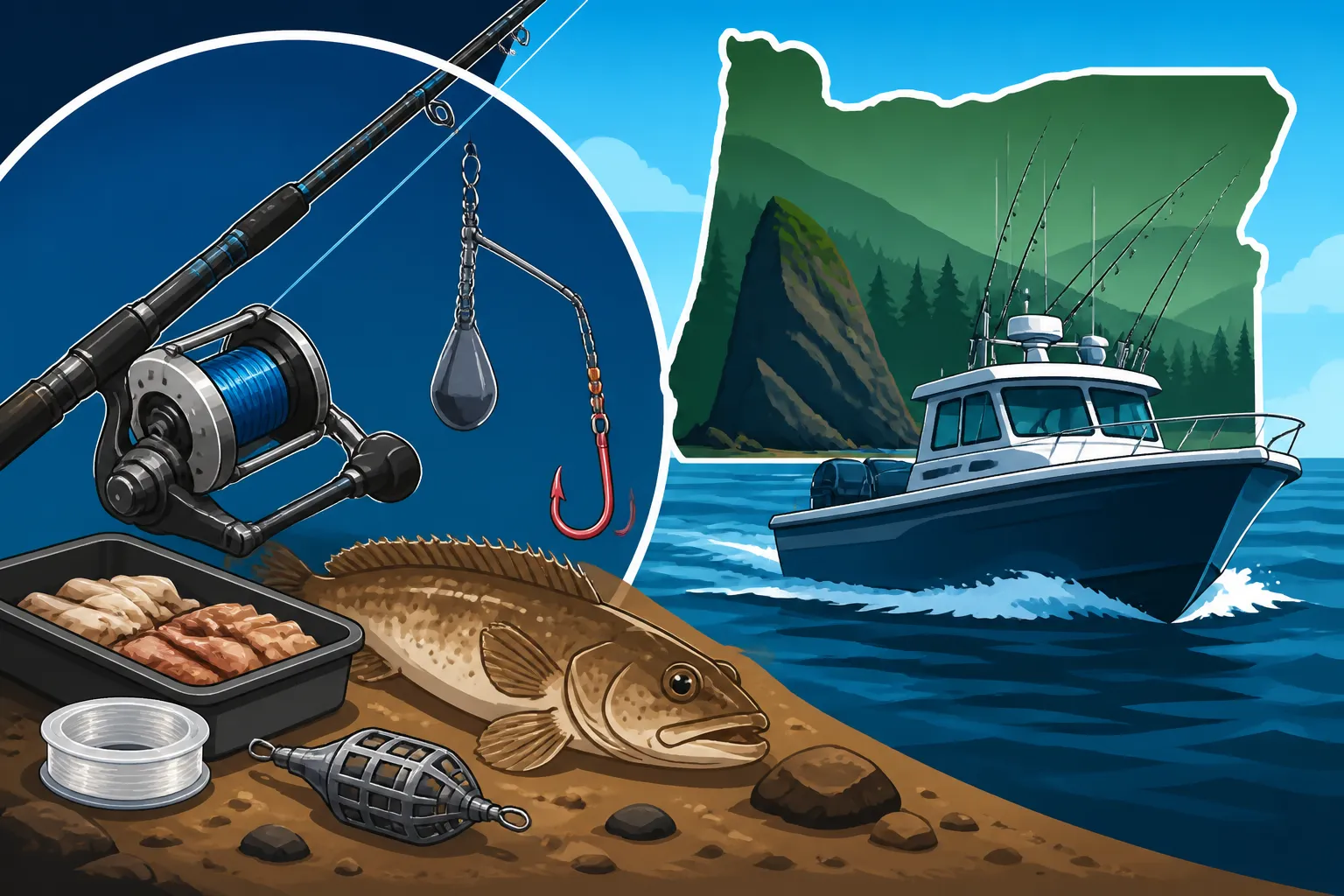
Pyramid, bank, and cannonball sinkers are common choices, often ranging from 8 ounces all the way up to 2 pounds or more, depending on the depth and current. It's smart to have a variety on hand because conditions can change quickly. Many anglers prefer to use a "breakaway" system where the sinker is tied with a lighter test line than your main leader. This way, if your sinker gets hopelessly snagged on the bottom (a very common occurrence), you only lose the sinker and not your entire rig and fish. You might be surprised at how much weight you need to truly hold bottom in some areas off the Oregon coast. Don't be shy about going heavy; it's better to be on the bottom than constantly drifting.
Hooks, Swivels, and Snaps: The Business End of Your Line
The business end of your line, where the fish actually interact with your tackle, needs to be robust. For bottom fishing, you'll generally be using large, strong hooks. Circle hooks have become incredibly popular and are often mandatory for certain species, especially for rockfish, due to their ability to hook fish in the corner of the mouth, reducing gut-hooking and improving survival rates for released fish.
Sizes can range from 5/0 to 10/0, depending on your target species and bait size. For lingcod and larger rockfish, larger hooks are definitely the way to go. You'll also need heavy-duty barrel swivels to prevent line twist, especially when using cut bait that might spin in the current. Snaps can be useful for quickly changing out leaders or sinkers, but ensure they are rated for heavy use and saltwater conditions. Pre-tied "gangion" or "sabra" rigs, often featuring multiple hooks, are also popular and can be very effective, especially for targeting multiple rockfish at once. When selecting these, prioritize quality components that won't fail under pressure.
Ready-to-Fish Rigs and Lures
While many anglers prefer to tie their own rigs, there's no shame in using pre-made setups, especially when you're starting out. These can save you time and frustration on the water. Common bottom fishing rigs include "Dropper Loop Rigs" or "High-Low Rigs," which position your bait at different depths off the bottom, increasing your chances of a bite. These are typically tied with a heavy leader material.
Beyond bait, artificial lures can be incredibly effective for ocean bottom fishing. Heavy jigs, often referred to as "butterfly jigs" or "diamond jigs," are fantastic for provoking aggressive strikes from lingcod and rockfish. Soft plastic swimbaits rigged on heavy jig heads can also be deadly. Metal spoons and lead-head jigs dressed with plastic grubs are also staples. The key with artificials is to get them down to the bottom quickly and work them with an enticing retrieve, mimicking injured baitfish. For deep water, glow-in-the-dark lures can be particularly effective, especially on overcast days or in the deeper, darker reaches of the ocean where light doesn't penetrate well. You'll find a wide array of these specialized lures available, and sometimes finding the right color or action for the day can make all the difference. Remember to check the Oregon Fishing Regulations Explained before you head out, as some areas may have specific rules regarding terminal tackle, like single point hooks for certain species.
Beyond the Basics: Apparel, Accessories, and Safety Gear
Fishing in the ocean isn't just about rods and reels; it's an adventure, and like any good adventure, preparation extends to what you wear, what you carry, and how you stay safe. The Oregon coast can be beautiful, but it can also be wild and unpredictable.
Weather-Appropriate Apparel: Staying Warm and Dry
The Oregon coast is notoriously fickle when it comes to weather. A sunny morning can quickly turn into a foggy, misty, or even rainy afternoon, often accompanied by a stiff breeze. Staying warm and dry is paramount to enjoying your trip, and frankly, to staying safe.
Layering is your best friend. Start with a moisture-wicking base layer, add insulating layers like fleece or wool, and top it off with waterproof and windproof outerwear. A good quality waterproof jacket and bib pants are essential – think of it as an investment in your comfort. Insulated, waterproof boots are also a must; nothing ruins a day faster than cold, wet feet. Don’t forget a warm hat, even in summer, as a lot of body heat is lost through your head. Sunglasses are also important to protect your eyes from glare off the water, and fingerless gloves can provide warmth and grip without sacrificing dexterity. Many anglers browse for high-quality rain gear and layering options on Amazon before hitting the water.
Essential Accessories for a Smooth Trip
Once you’re dressed for success, consider the smaller items that make a big difference on the boat. A sturdy tackle box or bag is crucial for organizing your multitude of sinkers, hooks, and lures. Losing track of your gear in rough seas is a quick route to frustration.
A good pair of pliers with a line cutter is indispensable for managing hooks, split rings, and cutting heavy leader material. A sharp filleting knife (and a cutting board) will be appreciated if you plan on processing your catch at sea or immediately after returning to shore. Don’t forget a fish measuring tape or board to ensure your catch meets the legal Oregon Fishing Season Dates and Limits. A reliable cooler with plenty of ice is vital for preserving your fish. For specific species like halibut and lingcod, a sturdy gaff or a large, strong landing net is often necessary to safely bring larger fish aboard. Always have a few rags or towels on hand for cleaning up fish slime and blood, because trust me, there will be fish slime and blood.
Safety First: Preparing for the Unexpected
Ocean fishing, even on calm days, carries inherent risks. Being prepared for the unexpected is not just smart; it's crucial. While your charter boat captain will have extensive safety gear, if you're venturing out on your own boat, ensure you have all required safety equipment, including properly fitting personal flotation devices (PFDs) for everyone on board.
A marine radio, flares, an emergency kill switch lanyard for your motor, and basic first-aid supplies should be standard. It’s also wise to let someone know your float plan – where you’re going and when you expect to return. Many anglers also carry a personal emergency beacon (PLB) for added peace of mind. Getting an Oregon Fishing License Guide is your first step in legal fishing, but understanding safety protocols is equally important for a successful and safe outing. Don't forget that if you're targeting specific ocean species, you'll also need an Oregon Ocean Endorsement in addition to your regular angling license.
Prepping for Success: Bait, Best Practices, and Maintenance
Having the right gear is a huge step, but knowing how to use it, what to put on your hooks, and how to care for your equipment makes all the difference in turning a good trip into a great one.
The Allure of Bait and Lures
For ocean bottom fishing, the choice of bait can be as important as your rig. Many anglers swear by natural baits, and for good reason. Fresh squid is a perennial favorite for a wide variety of bottom fish, from rockfish to lingcod, and even halibut. Its scent, texture, and durability make it hard to beat.
Cut bait, such as chunks of herring, anchovy, or even mackerel, can also be highly effective. The scent trail these baits leave in the water can attract fish from a distance. Some anglers prefer to tip their jigs or artificial lures with a small piece of bait for added scent and appeal. When it comes to artificials, as mentioned earlier, heavy metal jigs, large curly-tail grubs on lead heads, and paddle-tail swimbaits are excellent choices. Often, a combination approach works best: a bait-tipped jig can be irresistible. Experimentation is key; sometimes fish prefer a fast-moving jig, other times a slowly presented, heavily scented bait. Check out our Oregon Bait and Lure Guide for more detailed information on what works best for different species.
Best Practices on the Water
Once you're on the water, there are a few practices that can significantly improve your chances of success. First, pay attention to the depth sounder. Identifying structures like reefs, rock piles, or ledges where fish congregate is critical. Fish love structure! Secondly, learn to "read" your rod tip. Those subtle taps and nudges aren't always current; they could be a fish inspecting your bait.
When you feel a bite, don't just set the hook wildly. For bottom fish, especially with circle hooks, often a steady retrieve or simply lifting the rod until you feel resistance is enough to engage the hook. If you're drifting, keeping your line as vertical as possible will help you stay on the bottom and feel bites better. This is where the thinner diameter of braided line really shines. Also, be mindful of your boat's drift. If you're drifting too fast, your gear will be swept away from the bottom, so consider adding more weight or adjusting your drift speed. Remember to consult our guides on How to Fish for Lingcod and Rockfish in Oregon and How to Fish for Halibut off the Oregon Coast for species-specific tips.
Post-Trip Maintenance: Protecting Your Investment
Saltwater is incredibly corrosive, and neglecting your gear after a trip is a surefire way to shorten its lifespan. After every single outing, whether you caught fish or not, thoroughly rinse your rod and reel with fresh water. Pay special attention to the reel, making sure to flush out any salt residue.
Allow your gear to air dry completely before storing it. It's also a good idea to periodically lubricate your reel according to the manufacturer's instructions. Check your line for any nicks or fraying, especially the leader, and replace it if necessary. Store your tackle in a dry environment. Taking a few minutes for proper maintenance will ensure your gear is ready for your next adventure and will save you money in the long run by extending the life of your expensive equipment. Many anglers swear by specialized reel oils and cleaners, which you can often find readily available on Amazon.
Ocean bottom fishing in Oregon is an exhilarating experience, offering the chance to hook into some truly impressive fish. With the right heavy-duty gear, a little knowledge, and a lot of patience, you'll be well on your way to bringing home a fantastic catch from the Pacific depths. Good luck out there, and tight lines! If you're thinking about exploring more options, remember there are many Oregon Fishing Charter Guide services available, particularly from ports like Newport Oregon Fishing Charters, that can provide all the necessary gear and expertise.
Disclaimer
This article is for general informational purposes only and does not constitute professional advice. Laws, prices and regulations vary by location and change over time. Consult a qualified professional for guidance on your specific situation.