How to fly fish nymphs versus dry flies
If you've ever stood riverside with a fly rod in hand, staring at the water and wondering whether to tie on something that floats or something that sinks, you're not alone. It's a classic dilemma for fly anglers in Oregon, and the choice between nymphs and dry flies can feel like a make-or-break decision. This guide will help you understand the fundamental differences, ideal conditions, and essential techniques for effectively fishing both nymphs and dry flies, especially here in the diverse waters of the Pacific Northwest.
What are Nymphs and Dry Flies in Fly Fishing? Understanding the Core Distinction
Before we dive into the "when and where," it’s crucial to understand what nymphs and dry flies actually are, and why they behave so differently in the water. It’s all about mimicking different stages of an insect’s life cycle, and that dictates everything from your presentation to the fish’s reaction.
Understanding Nymphs: The Subsurface World
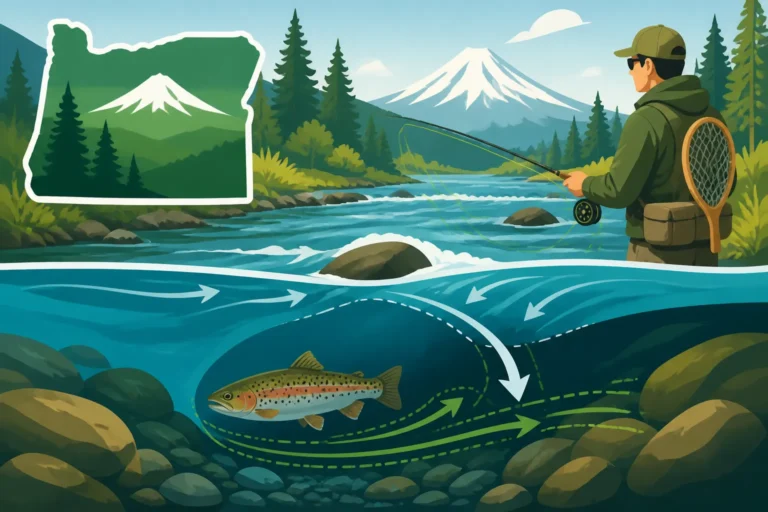
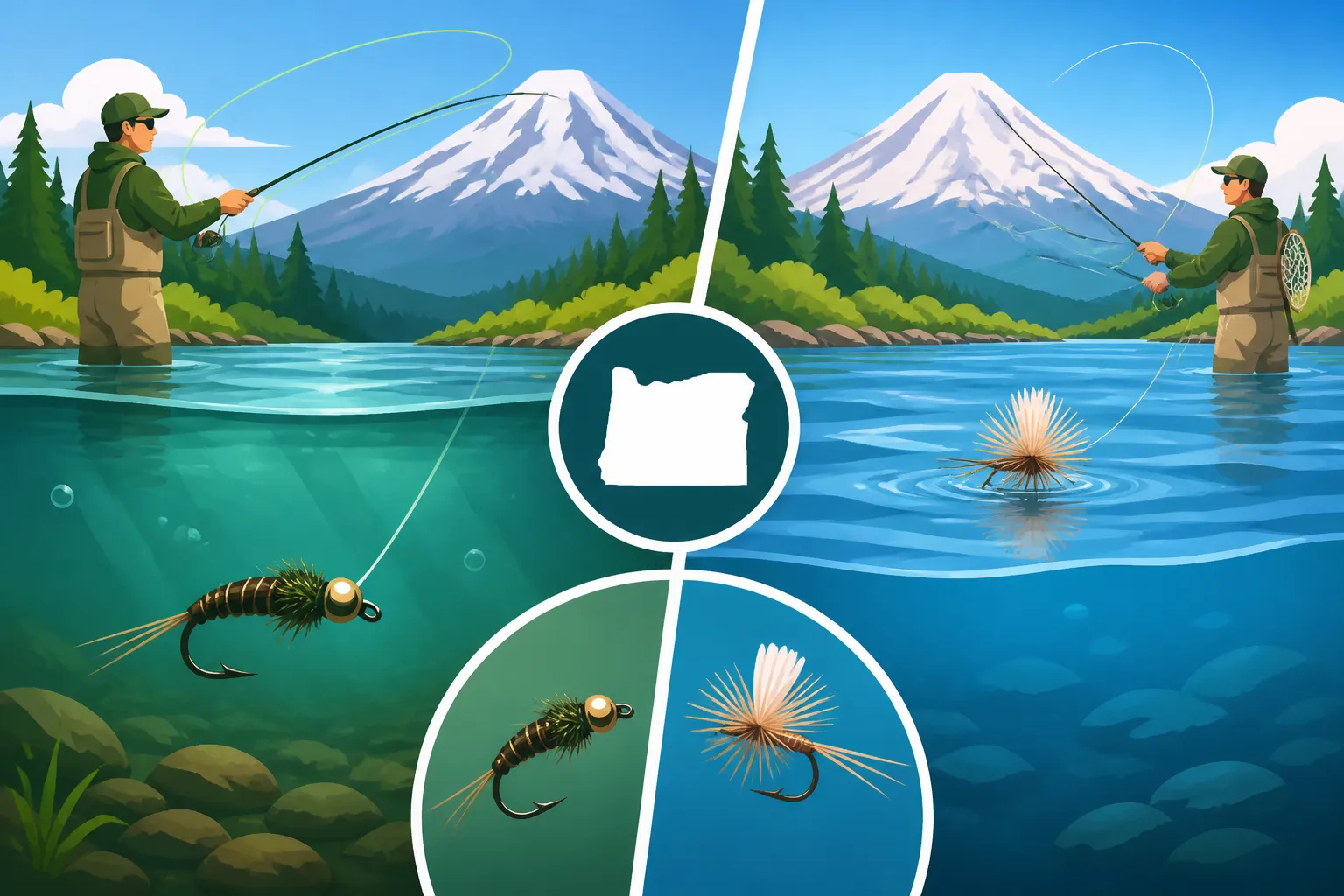
Nymphs are imitations of aquatic insects in their immature, larval, or pupal stages. Think about all those bugs that live under rocks, in the gravel, or clinging to submerged vegetation in a river or lake. Mayflies, caddisflies, stoneflies, midges – they all start their lives underwater, and for a significant portion of their existence, they are nymphs. Fish, especially trout, spend a huge amount of their feeding time eating these subsurface insects because they're a consistent, calorie-rich food source. A nymph pattern, therefore, is designed to sink and drift naturally through the water column, imitating these vulnerable creatures.
When you're nymphing, you're essentially trying to present a small, edible morsel directly into the fish's feeding lane, often near the bottom where these insects reside. This means your flies need to get down quickly and stay down, which often involves adding weight to your leader or using weighted fly patterns. It's a method that often requires keen observation and a feel for subtle takes, as you're not seeing the fish explicitly rise to your fly. Many anglers find high-quality nymph patterns and specialized fly boxes on sites like Amazon, ensuring they have a good selection for various water conditions and insect imitations.
Understanding Dry Flies: The Surface Presentation
Dry flies, on the other hand, imitate adult aquatic insects that have hatched and are now floating on the surface of the water, either resting, egg-laying, or struggling before they die. They can also imitate terrestrial insects like grasshoppers, ants, or beetles that have fallen into the water. The defining characteristic of a dry fly is its buoyancy – it's designed to float on the surface film, mimicking a natural insect struggling or resting there. The magic of dry fly fishing is the visual strike; watching a fish rise from the depths to sip or smash your fly off the surface is arguably one of the most exciting experiences in fly fishing.
When a river or lake is experiencing a "hatch," meaning a mass emergence of adult insects, dry flies can be incredibly effective. Fish will often key in specifically on these surface-drifting insects. This means your presentation needs to be delicate and precise, creating minimal disturbance on the water to fool a wary fish. The choice between a parachute Adams and an Elk Hair Caddis often depends on the specific insects observed on the water, making insect identification a key skill.
When to Fish Nymphs: Reading the Water Below the Surface
The vast majority of a fish's diet, especially for trout, comes from subsurface food sources. Nymphing is often considered the bread and butter of fly fishing because it's consistently effective, even when you don't see any surface activity. It's all about understanding what's happening beneath the water's surface.
Decoding Subsurface Activity
Even if you don't see fish rising, that doesn't mean they aren't feeding. In fact, most of their feeding occurs underwater. Fish are opportunistic eaters, constantly scanning for nymphs, larvae, and other invertebrates drifting in the current. This makes nymphing incredibly productive year-round. Think about those cold, grey winter days on an Oregon coastal river, when the water is high and murky from recent rains. You're certainly not seeing dry fly hatches, but winter steelhead are still in the river, and they're often tucked into slower seams, feeding on large stonefly nymphs or caddis larvae dislodged by the current. It's during these times that a properly presented nymph becomes an irresistible meal.
Similarly, during the heat of summer, when trout activity slows down in the middle of the day, they might retreat to deeper, cooler pockets. Here, subsurface nymphs still offer an easy meal without expending too much energy. Learning to read the water – identifying runs, riffles, pools, and current seams – is paramount to effective nymphing. You're looking for those places where fish will hold, waiting for food to drift by. For more insights on reading water, you might find our guide on How to read water for trout fishing particularly helpful.
Essential Nymphing Techniques for Oregon Waters
Nymphing isn't a single technique; it's a broad category with several effective approaches. The most common is the indicator nymphing method, where you attach a strike indicator (a small, buoyant bobber) to your leader. This indicator floats on the surface and signals a take when it dips, pauses, or moves unnaturally. This is particularly effective in varied water types, from the riffles of the Deschutes River to the deeper pockets of the McKenzie. You're trying to achieve a "dead drift," where your nymph moves at the same speed as the natural current, appearing completely unattached and natural.
Another popular technique, especially for stealthier presentations or when fishing clear, shallow water, is tightline nymphing (often called Euro Nymphing). This method foregoes the traditional indicator, relying instead on a sensitive leader and the feel of your rod tip to detect strikes. It’s incredibly effective for getting flies into tight spots and maintaining direct contact with your flies, allowing for very subtle strike detection. Imagine fishing small streams in the Cascades, targeting native cutthroat trout, where delicate presentations are key. You're essentially feeling for the fish, rather than seeing a visual cue. When browsing for specific nymph patterns or specialized leader materials, many anglers find a good selection of products on Amazon.
Weighting Your Nymph Rig: Getting Down to the Fish
One of the biggest challenges with nymphing is getting your fly (or flies) down to the correct depth where the fish are feeding. This involves a delicate balance of fly weight, leader setup, and sometimes, added external weight. Heavily weighted nymphs, often tied with tungsten beads or lead wraps, are great for fast, deep water, like the main stem of the Willamette River during high flows. These flies sink quickly and stay near the bottom.
Sometimes, though, you need to add extra weight to a lighter nymph pattern. This is where split shot or moldable tungsten putty comes in. The key is to add just enough weight to get your flies drifting naturally near the bottom without constantly snagging. Placing the weight strategically on your leader, typically 6-12 inches above your first fly, helps achieve a more natural drift. Experimentation is crucial here. What works in one section of the river may not work in another, even a few yards upstream or downstream. Always be prepared to adjust your weight and leader length to match the water conditions and ensure your nymphs are tumbling along the bottom where fish are actively feeding. You might consider specific patterns like the Copper John or Prince Nymph for general trout fishing, or larger Stonefly Nymphs when targeting Oregon Steelhead Fishing Techniques.
| Feature | Nymphs | Dry Flies |
|---|---|---|
| Life Stage | Immature (larva, pupa, emerger) | Adult (hatched, on surface) |
| Presentation | Subsurface, drift with current | Surface, float on film |
| Visibility | Strike indicator or feel for strikes | Visual rise/take on surface |
| Primary Diet | Accounts for 80-90% of a fish's diet | Opportunistic, during hatches or terrestrials |
| Ideal Conditions | Anytime, especially cold/murky water | During hatches, calm water, warm weather |
| Detection | Subtle dips of indicator, feel | Explosive or subtle sips on surface |
When to Fish Dry Flies: The Thrill of the Surface Take
While nymphs are often the consistent producers, dry fly fishing offers a unique kind of excitement. There's nothing quite like seeing a trout or steelhead break the surface to engulf your fly. It's a truly visual and often thrilling experience.
Identifying Surface Hatches
Dry fly fishing really shines during insect hatches. A "hatch" is when a large number of aquatic insects emerge from the water simultaneously, transform into their adult winged stage, and become vulnerable on the surface. Mayflies, caddisflies, and midges are common hatch-formers in Oregon. When a hatch is in full swing, fish will often shift their feeding focus entirely to the surface, ignoring subsurface offerings. You'll see them "rising" – either gently sipping insects from the surface or aggressively jumping for them.
Observing the water and the air around you is key to identifying a hatch. Look for specific insects flying, floating, or even struggling to escape their shuck on the surface. Pay attention to the size, color, and silhouette of these naturals, and try to "match the hatch" with your dry fly pattern. On smaller rivers, or even on certain stretches of the Metolius River, understanding the local insect populations is crucial for success. During prime times, like a spring caddis hatch or a summer mayfly emergence, a well-placed dry fly can lead to incredibly rewarding fishing. Consider our guide on Oregon Fishing Seasons Explained to get a better idea of when different hatches might occur throughout the year.
Mastering the Dry Fly Cast
Dry fly fishing demands a different casting approach than nymphing. The goal is a delicate, accurate presentation that lands your fly softly on the water, minimizing disturbance. This means avoiding "splatting" your fly down and instead, aiming for a gentle, almost silent landing. False casting (the repetitive back-and-forth motion of the line in the air) is often used to dry the fly and to accurately measure your distance before the final presentation.
Achieving a "drag-free" drift is paramount. Drag occurs when your fly line pulls your dry fly unnaturally across the current, signaling to a wary fish that it's a fake. Mending your line – repositioning it upstream or downstream with a subtle flick of the wrist – helps to counteract the effects of different current speeds and maintain that crucial drag-free drift. A good quality floating fly line and a supple leader are essential for delicate dry fly presentations. For a beginner looking to get started, picking up a good introductory fly casting guide or even some basic fly patterns from Amazon can be a great first step.
Reading the Rise: When Fish Feed on Top
Not all rises are created equal, and learning to interpret them can tell you a lot about what the fish are feeding on. A gentle "sip" or a slow dimple on the surface often indicates a fish feeding on tiny, emerging insects or spent adults (those that have already laid eggs and are dying). This calls for smaller, more imitative dry flies and a very subtle presentation.
On the other hand, a splashy, aggressive "boil" or jump usually means the fish is chasing something more substantial, like a struggling caddisfly, a large mayfly, or even a terrestrial like a grasshopper. For these active rises, a larger, more visible dry fly pattern might be more appropriate. Knowing how to read these subtle cues is a skill that comes with time and observation, but it dramatically increases your chances of success when dry fly fishing. It’s not just about seeing a rise, but understanding why that fish is rising and how it's feeding, which informs your fly choice and presentation. Understanding these nuances is a key part of mastering Oregon Fishing Techniques for Beginners.
Choosing Between Nymphs and Dry Flies: Factors to Consider
Deciding between nymphs and dry flies isn't always straightforward. Often, the best approach is to let the conditions and the fish's behavior dictate your strategy. There are several key factors to consider that will help you make the right call.
Environmental Factors: Water Temperature and Clarity
Water temperature plays a huge role in insect activity and fish behavior. In colder water, insects are less active and hatches are less frequent. During the early spring or late fall in Oregon, when water temperatures are low, fish are often lethargic and less likely to expend energy chasing surface food. They'll typically hold in deeper, slower water, feeding primarily on nymphs drifting by. Conversely, as water temperatures rise in late spring and summer, insect activity increases, leading to more frequent and intense hatches, making dry fly fishing more viable.
Water clarity is another major factor. If the water is murky after heavy rains, visibility is low, and fish rely more on scent and vibrations to find food. In these conditions, a larger, darker nymph pattern that displaces more water can be more effective. When the water is crystal clear, especially on rivers like the Deschutes during lower flows, fish become incredibly spooky. Delicate presentations with small, natural-looking dry flies or sparsely tied nymphs are often necessary to avoid spooking them. Understanding these environmental cues is part of being a successful angler in places like the Best Rivers to Fish in Oregon.
Fish Behavior and Feeding Patterns
Ultimately, the fish will tell you what they want. Are you seeing consistent rises on the surface? Then it's probably time for a dry fly. Are you seeing no surface activity at all, but know fish are present? Nymphing is likely your best bet. Sometimes, fish will "flash" underwater, showing a glint of their side as they turn to grab a subsurface nymph. These subtle flashes are a strong indicator that you should be nymphing, even without a visible rise.
Consider the time of day as well. Early mornings and late evenings often see increased surface activity during hatches. Midday, especially during brighter, warmer periods, might push fish deeper, making nymphs more productive. Observing how fish are moving, where they are holding, and what they seem to be keying in on is the most crucial skill you can develop. It’s a bit like being a detective, piecing together clues to understand the underwater world. For example, if you're trying to figure out How to Fish for Summer Steelhead on the Deschutes, you'll quickly learn that their feeding patterns can be highly variable depending on time and conditions.
The Hybrid Approach: Dry-Dropper Rigs
Sometimes, you don't have to choose between nymphs and dry flies; you can use both! A "dry-dropper" rig is a fantastic way to cover multiple water columns simultaneously. This setup involves tying a nymph (the "dropper") off the bend of a dry fly hook. The dry fly acts as your strike indicator, floating on the surface while the nymph drifts below. When the dry fly dips, pauses, or gets pulled under, you know a fish has taken your nymph.
This approach offers the best of both worlds. You get the visual excitement of a potential dry fly take, combined with the consistent effectiveness of a subsurface nymph. It's particularly useful when there's sporadic surface activity, or when you suspect fish are feeding both on top and below. A heavier nymph on the dropper can also help turn over a lighter dry fly, aiding in casting. You can even find specialized dry-dropper kits or individual fly components on Amazon, making it easy to experiment with different combinations. This versatile setup can be a game-changer when targeting various species or when conditions are unpredictable.
Disclaimer
This article is for general informational purposes only and does not constitute professional advice. Laws, prices and regulations vary by location and change over time. Consult a qualified professional for guidance on your specific situation.