Why are ponds too warm for trout stocking in summer
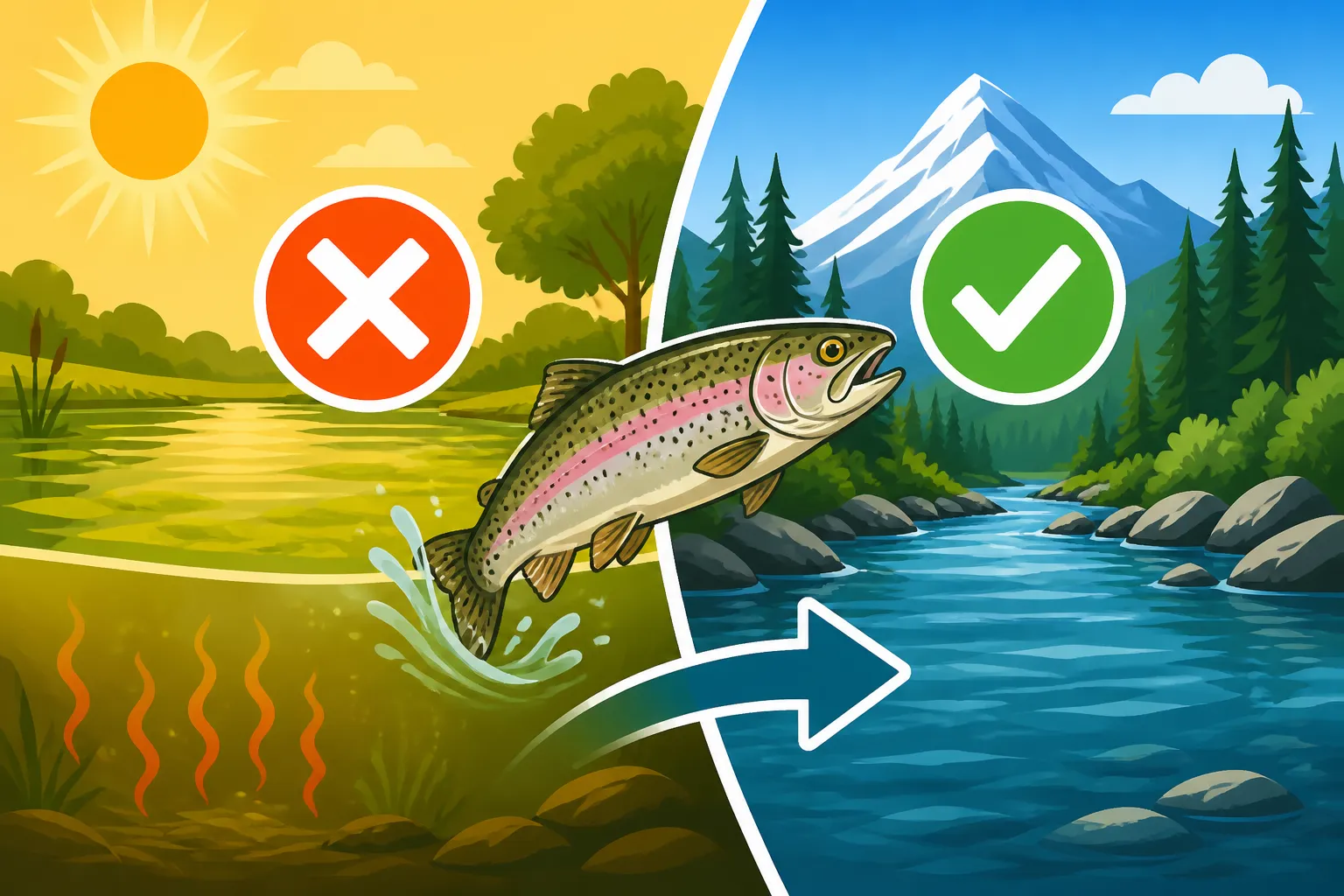
It’s a classic summer dilemma for many of us who love chasing trout in Oregon: you've got the kids excited, the gear all packed, and you head to your favorite local pond, only to find the stocking schedule has dried up for the season. It’s frustrating, isn't it? You might wonder why those eager, hatchery-raised trout suddenly disappear from the stocking lists when the sun shines brightest. The simple truth is, most smaller, accessible ponds get too warm for trout to survive, let alone thrive, during Oregon's summer months. This guide will dive deep into the science behind why these cherished cold-water fish can't handle the heat, why our beloved ponds warm up so quickly, and where you can find trout fishing opportunities even when the mercury rises.
The Biology of Trout and Water Temperature
Trout are incredibly beautiful and powerful fish, but they're also highly sensitive creatures, particularly when it comes to the water they live in. Unlike some other fish species that can tolerate a wider range of conditions, trout are biologically wired for cold, clean water. When the temperature creeps up, it's not just uncomfortable for them; it becomes a matter of life and death.
Trout's Temperature Sweet Spot
Imagine yourself trying to run a marathon in a sauna. That's a bit like what warm water feels like to a trout. These fish, whether we're talking about native cutthroat, vibrant rainbows, or the elusive bull trout, have evolved to thrive in specific, cool environments. Their ideal temperature range is typically between 45°F and 65°F (about 7°C to 18°C). Within this "sweet spot," their metabolism functions optimally, they can digest food efficiently, and they have the energy to pursue prey and evade predators.
The crucial factor here isn't just the warmth itself, but what that warmth does to the water. As water temperatures rise, its ability to hold dissolved oxygen decreases dramatically. Trout, with their high metabolic rates, require a lot of oxygen to breathe. In warmer water, there's less oxygen available, and their bodies simultaneously demand more of it. It’s a double whammy: less air to breathe when you need it most. This is a fundamental reason why you'll find different species in different habitats – you wouldn't expect to find a Oregon Trout Species Guide listing a lot of trout in a warm, sluggish slough.
Stress and Mortality from Warm Water
When water temperatures climb above that 65°F mark and start pushing into the 70s, trout enter a danger zone. Their metabolic rates soar even higher, but without enough oxygen, they can't produce the energy they need. They become lethargic, struggling to move or feed. Their immune systems weaken, making them highly susceptible to diseases and parasites that might not bother them in cooler, healthier conditions.
You might see them "gasping" at the surface, which isn't them trying to breathe air, but rather seeking out any slightly cooler, more oxygenated layer of water that might exist. In some cases, fish will congregate around the mouths of cold springs or small feeder creeks if they can find them, seeking refuge. Eventually, if the heat persists, the stress becomes too much. Their bodies simply can't cope, leading to organ failure and, sadly, death. This is why the Oregon Department of Fish and Wildlife (ODFW) is so cautious about stocking trout in ponds that are projected to warm up; they want to ensure the fish have a fighting chance and that their efforts (and your fishing license dollars) aren't wasted on a doomed population.
How Ponds Heat Up So Quickly in Summer
It might seem unfair that some of our favorite local fishing ponds get too hot while a big river like the Deschutes still holds trout. But there are very specific reasons why smaller, more contained bodies of water behave so differently when the sun beats down during the summer months in Oregon.
Shallow Depths and Sunlight Absorption
Think about a puddle on a hot day versus a deep swimming pool. Which one heats up faster? The puddle, right? The same principle applies to ponds. Most of the ponds that ODFW stocks for recreational fishing, especially near populated areas, are relatively shallow. This shallow depth means there's less water volume to absorb the sun's energy. Sunlight penetrates easily to the bottom, warming the entire water column.
Unlike deep lakes or rivers where a vast amount of water can act as a thermal buffer, shallow ponds lack this protection. Every ray of sunshine contributes to raising the overall water temperature, and there's no deep, dark, cold refuge for trout to escape to. This makes these ponds excellent for swimming on a hot day, but less so for cold-water fish.
Lack of Cold Water Inflow and Thermal Stratification
Another critical factor is the source of water for these ponds. Many are fed by surface runoff, small seasonal creeks, or sometimes even groundwater that isn't particularly cold. They don't typically have significant inflows from large, icy mountain springs or glaciers, which constantly replenish and cool many of Oregon's major rivers and high-mountain lakes.
In summer, as the surface water heats up, a phenomenon called thermal stratification can occur, especially in slightly deeper ponds. The warmest, least dense water stays on top, while cooler, denser water sinks. However, in smaller ponds, this stratification often isn't strong enough or persistent enough to create a truly cold-water layer that trout can comfortably survive in. Instead, the entire pond becomes warm, or any cooler water at the bottom quickly loses its oxygen, rendering it uninhabitable. You can often see this with a simple floating thermometer you might pick up from Amazon for your own pond observations – the surface readings are usually a good indicator.
Reduced Water Movement
Rivers and streams, by their very nature, are constantly moving. This flow helps to mix water, preventing stagnant pockets from overheating. It also often carries cooler water from upstream sources. Ponds, on the other hand, are essentially still bodies of water. Without significant currents or strong winds to stir and circulate the water, heat can build up and become trapped.
This lack of movement further contributes to the depletion of dissolved oxygen, as oxygen isn't being constantly introduced and mixed in from the atmosphere or from turbulent flows. The combination of shallow water, limited cold inflow, and reduced water movement creates a perfect storm for dangerously high water temperatures in summer, making them unsuitable for stocking or sustaining trout.
The Role of ODFW in Stocking Decisions
The Oregon Department of Fish and Wildlife (ODFW) plays a vital role in managing our state's fisheries, and their stocking programs are a huge part of providing accessible fishing opportunities. When it comes to trout stocking, they operate with a deep understanding of fish biology and environmental conditions, which directly impacts why certain ponds aren't stocked in summer.
Prioritizing Fish Health and Survival
ODFW’s primary goal with its stocking programs isn't just to put fish in the water, but to put fish in the water where they have a reasonable chance of survival and can provide quality recreational fishing. Stocking trout into ponds that are too warm would be irresponsible and wasteful. The fish would experience extreme stress, leading to high mortality rates shortly after being released. This isn't just bad for the fish; it's a poor use of public resources, including the funds generated from fishing license sales.
They are essentially trying to balance the desire to provide abundant fishing opportunities with their ethical and biological responsibility to the fish. They know that a pond that's fantastic for catching rainbow trout in April might be a death trap for them by July. Their decisions are based on science and years of monitoring, ensuring that the trout stocked contribute positively to the angling experience. This commitment helps maintain the overall health of our fisheries and ensures that when you do go fishing, the fish you encounter are vibrant and healthy.
Monitoring Water Temperatures
You might wonder how ODFW knows which ponds are too warm. It's not a guessing game! They have dedicated staff who regularly monitor water temperatures in key stocking locations across the state, especially as the seasons change. This isn't just about reading a thermometer once; it involves understanding seasonal trends, anticipating heat waves, and often using remote sensors that can provide continuous data.
They track these temperatures meticulously and use this information to create their stocking schedules. If a pond consistently shows temperatures above the safe threshold for trout, it will be removed from the stocking list until conditions improve, typically in the fall when cooler weather returns. This careful monitoring allows them to adapt their plans, sometimes even canceling a planned stocking last minute if an unexpected heat spike occurs. It's all about making sure that when you check the Oregon Fishing Season Dates and Limits for trout, you know that ODFW has done their homework to ensure those fish are there and thriving.
Where to Find Trout in Oregon During Summer
Just because many lowland ponds become too warm doesn't mean your summer trout fishing dreams are dashed in Oregon! You just need to adjust your expectations and aim for different types of water bodies that naturally stay cooler. There are still plenty of fantastic opportunities to hook into some beautiful trout.
High Elevation Lakes and Mountain Streams
This is often the go-to solution for summer trout fishing. As you gain elevation, ambient air temperatures drop, and water sources are often fed by snowmelt or cold springs. Oregon's Cascade Range, Wallowa Mountains, and other high-country areas are dotted with countless pristine lakes and sparkling streams that remain wonderfully cold throughout the summer.
Places like the high lakes around Bend in Central Oregon, or those in the Eagle Cap Wilderness, are prime examples. These waters often hold wild trout populations, including rainbow, brook, and even some native cutthroat, that thrive in these conditions. Access might require a hike, but the reward of cooler air, stunning scenery, and eager trout is often well worth the effort. Always check the specific regulations for these areas, as some high-mountain lakes might have different rules for Oregon daily bag limits explained or Are there size limits for trout in Oregon?. For your hike, a good insulated water bottle, maybe one you found on Amazon, is essential to keep your drinks cool.
Deeper, Larger Lakes and Reservoirs
While shallow ponds heat up quickly, larger and deeper lakes and reservoirs can retain cooler temperatures, especially in their deeper sections. Lakes like Odell Lake, Paulina Lake, or East Lake, for instance, are substantial bodies of water where trout can retreat to the cooler depths when the surface warms up.
These lakes often support a variety of trout species, including rainbow trout, and sometimes even larger species like Mackinaw (lake trout). To fish these deeper sections, you might need a boat and some specialized gear, like downriggers or heavy jigs, to present your bait or lures effectively at depth. Exploring these larger water bodies can open up excellent summer fishing opportunities that aren't available in smaller, more exposed ponds. This is where mastering Oregon Trout Fishing Techniques for trolling or deep jigging becomes key.
Early Morning or Late Evening Fishing
Even in waters that might warm up during the middle of the day, trout can become more active during the cooler parts of the day. This applies to both rivers and some of the larger, lower-elevation lakes that might not have extreme temperature spikes.
Fishing at dawn or dusk often means significantly cooler water temperatures, which makes trout more comfortable and willing to feed. These are also prime times for insect hatches, making it a fantastic opportunity for fly anglers. You might be surprised at how much more success you have if you adjust your fishing hours to align with the coolest parts of the day. This also ties into the concept of Best time of day to fish for trout in summer, which is almost always first light or last light. A reliable headlamp, like one from Amazon, can be invaluable for navigating in the low light.
Here's a quick look at how water temperature impacts trout:
| Temperature Range (°F) | Trout Behavior / Status | Oxygen Levels | Fishing Outlook |
|---|---|---|---|
| 45-65 | Ideal, Active, Feeding | High | Excellent |
| 66-70 | Stressed, Less Active | Decreasing | Challenging |
| 70+ | Critical, Lethargic, Mortalities Likely | Low | Avoid Fishing |
Ultimately, while the desire to fish for trout in every convenient pond during the summer is strong, understanding the biological needs of these incredible fish and the dynamics of water temperature in Oregon's diverse environments helps us become more responsible and successful anglers. By seeking out cooler, higher-elevation waters or adjusting our fishing times, we can still enjoy fantastic trout fishing adventures all summer long. Remember to check Oregon Fishing Regulations Explained before you head out, no matter where you plan to fish!
Disclaimer
This article is for general informational purposes only and does not constitute professional advice. Laws, prices and regulations vary by location and change over time. Consult a qualified professional for guidance on your specific situation.