How to Fish for Halibut off the Oregon Coast
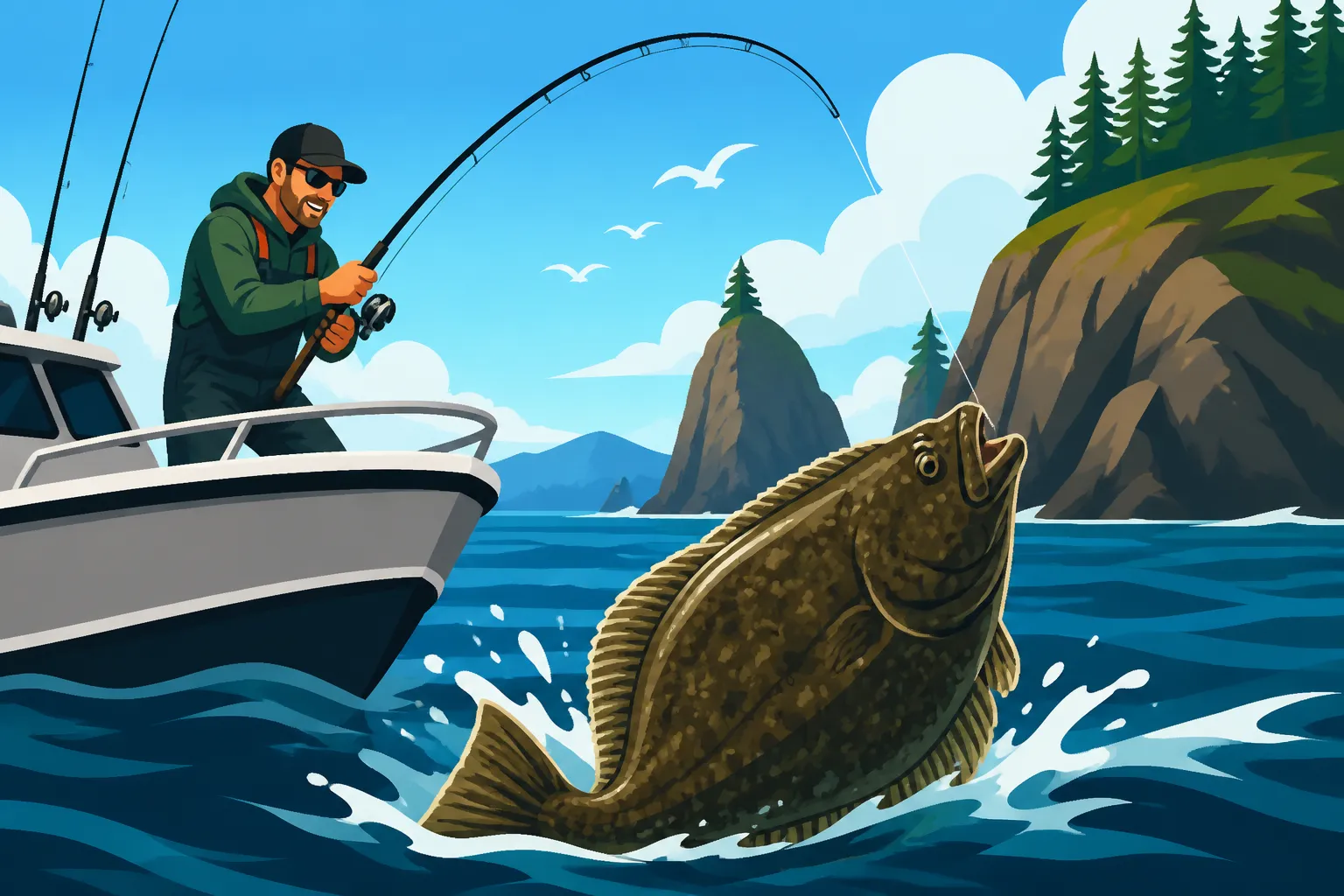
Fishing for halibut off the Oregon Coast is a dream for many anglers, but it comes with a unique set of challenges. From navigating complex regulations and fickle weather to understanding the vast deepwater playgrounds where these elusive flatfish hide, it can feel like a daunting task. This comprehensive guide will arm you with the knowledge and strategies you need to confidently pursue Pacific halibut, transforming your frustration into triumph.
Understanding Oregon's Halibut Fishery
Oregon's halibut fishery is highly coveted, and for good reason—these are incredible eating fish and powerful fighters. However, this popularity means the fishery is also one of the most rigorously managed by the Oregon Department of Fish and Wildlife (ODFW) and federal agencies. You can't just head out whenever you please; there are specific windows, depth restrictions, and catch limits that demand careful attention. Failing to understand these rules can quickly turn an exciting day into a costly one, and nobody wants that kind of headache.
Deciphering Halibut Seasons and Regulations
The biggest hurdle for many recreational halibut anglers is understanding when and where they can actually fish. Unlike some other species, halibut seasons are often very short and determined by quota. This means the dates can shift year to year, sometimes even month to month, based on catch rates and projections. You might find a spring "all-depth" season open for just a few days in May, followed by a more prolonged "nearshore" season later in the summer, or even a fall season, depending on how the quota is met.
It's absolutely critical to consult the most current ODFW Sport Fishing Regulations for marine zones before planning your trip. These regulations detail the specific dates, open areas (often defined by depth restrictions, like "inside the 40-fathom curve"), daily bag limits, and any other special conditions. Sometimes, certain areas might be closed entirely, or specific days of the week might be designated as "open." Staying on top of these updates is paramount, and it often involves checking the ODFW website or calling their hotline right up until the day before you plan to go. It's a bit of a dance, but catching one of these magnificent fish makes all that effort worthwhile. For a deeper dive into the general rules, check out our Oregon Fishing Regulations Explained post.
The Challenge of Limited Entry and Quotas
Because Pacific halibut are a shared resource managed internationally and domestically, recreational anglers in Oregon operate under a strict quota system. This means that once a certain poundage of halibut has been harvested by sport anglers, the season closes, regardless of the calendar. This is why the "all-depth" seasons are often so short and intense – everyone is trying to get out and catch their fish before the quota is met.
This system creates a unique challenge. You might have your gear ready, your boat fueled, and a perfect weather window on the forecast, only to find the season has abruptly closed due to rapid quota attainment. It’s a frustrating reality for many, requiring flexibility and quick decision-making. Charter boats and savvy private anglers constantly monitor ODFW announcements to ensure they don't miss these fleeting opportunities. It also means that when the season is open, everyone tries to go at once, which can lead to crowded boat ramps and fishing grounds, especially around popular ports like Newport or Depoe Bay.
The Importance of the Combined Angling Tag and Ocean Endorsement
Before you even think about dropping a line for halibut, you need to ensure your licensing is in order. In Oregon, a standard annual angling license is your baseline. However, for many of the highly sought-after species, additional tags or endorsements are required. For halibut, specifically, you'll need the Oregon Ocean Endorsement. This isn't just a suggestion; it's a legal requirement for anyone fishing in the ocean.
Beyond the Ocean Endorsement, if you plan on targeting any species like salmon, steelhead, sturgeon, or even some larger game fish (and frankly, when you're out there, you never know what might bite!), you'll also need a Combined Angling Tag. This tag covers a multitude of species and is crucial for proper catch reporting. Without both your base license and the Ocean Endorsement, you could face hefty fines if checked by an Oregon State Police trooper. It’s always best to be overly prepared. You can learn more about these requirements in our Oregon Combined Angling Tag Guide and Oregon Ocean Endorsement articles.
Essential Gear for Oregon Halibut Fishing
Halibut fishing off the Oregon Coast isn't like casting for trout in a tranquil stream. This is a battle against strong currents, deep water, and a powerful, determined fish that can weigh over a hundred pounds. Your gear needs to be up to the task, or you'll find yourself heartbroken with snapped lines and bent rods. Investing in quality equipment isn't just about catching fish; it's about making sure your trip is safe, enjoyable, and successful.
Heavy-Duty Rods and Reels for Deepwater Battles
When targeting halibut in the deep, often 200 to 600 feet of water, your rod and reel combo needs to be robust. Think heavy-duty boat rods, typically 6 to 7.5 feet long, with a fast action and a strong backbone capable of lifting heavy lead and fighting powerful fish. Fiberglass or composite blanks are common, offering durability and parabolic action to absorb head shakes. For reels, you'll want a conventional star-drag or lever-drag reel, sized for offshore fishing, like a Penn Squall or Shimano TLD series. These reels need to hold a significant amount of heavy braided line, at least 300-500 yards of 60-100 lb test.
Braided line is almost universally preferred for deepwater halibut due to its minimal stretch, which provides excellent sensitivity for detecting subtle bites and superior power for lifting fish from the depths. A long top shot of monofilament (e.g., 50-100 feet of 80-120 lb test) is often tied to the braid to provide some shock absorption and abrasion resistance near the terminal tackle. You can find a fantastic selection of these heavy-duty setups on platforms like Amazon, often with reviews from other offshore anglers to help guide your choice.
Terminal Tackle: Rigs, Weights, and Hooks
The business end of your line for halibut fishing is arguably the most critical component. Halibut are bottom dwellers, so your rig needs to get down to them and stay there, often in significant current. The most common setup is a "lead-head jig" or a "sliding sinker rig."
A sliding sinker rig typically consists of a heavy lead sinker (often 1-3 pounds, sometimes more!) on a slider, above a heavy-duty swivel. Below the swivel, a leader of 60-120 lb monofilament or fluorocarbon (3-6 feet long) leads to a stout hook. Circle hooks are highly recommended, especially if catch-and-release is a possibility, as they tend to hook fish in the corner of the mouth, reducing gut-hooking. Sizes typically range from 12/0 to 16/0. Often, a second hook can be added on a dropper loop or snelled above the main hook for a larger bait presentation. Another popular option is a large metal jig, often tipped with bait, which can be vertically jigged near the bottom. Many anglers source their lead weights and heavy terminal tackle from dedicated fishing shops or, again, find competitive pricing and convenience through retailers like Amazon.
Safety Equipment and Vessel Essentials
While not strictly "fishing gear," safety equipment is absolutely non-negotiable for offshore halibut trips. The Pacific Ocean off Oregon can be unpredictable, and conditions can change rapidly. Beyond the standard Coast Guard requirements (life jackets for everyone, flares, sound-producing device), consider additional safety measures. A VHF marine radio is essential for communication, and a satellite messenger or EPIRB (Emergency Position Indicating Radio Beacon) provides a critical lifeline in areas without cell service.
Your vessel itself needs to be seaworthy and appropriately sized for offshore conditions. Make sure your engine is well-maintained and consider having a kicker motor for backup. A good anchor system with plenty of chain and rode is vital, especially if you plan to anchor on a productive spot. Furthermore, a well-stocked first-aid kit, extra fuel, plenty of water, and enough food for longer-than-expected trips are all necessities. Fishing offshore is an incredible experience, but it demands respect for the ocean and thorough preparation.
Prime Halibut Fishing Grounds Off the Oregon Coast
Halibut are big, flat, predatory fish that spend their lives hugging the ocean floor. Finding them isn't about looking for surface activity; it's about understanding underwater topography, depth, and currents. The Oregon Coast is blessed with a diverse seafloor, offering various productive areas, but you need to know where to start your search.
Identifying Productive Depth and Structure
Halibut aren't usually found in flat, featureless sandy bottoms. They prefer areas with structure that offers ambush points and holds baitfish. Think rockpiles, ledges, pinnacles, canyons, and abrupt changes in depth. These features create eddies and current breaks where baitfish congregate, and where halibut can lie in wait, camouflaged against the seafloor.
The ideal depth for halibut fishing can vary significantly, often tied to the specific season and regulatory "all-depth" or "nearshore" rules. During "all-depth" seasons, anglers often target fish in 200 to 600 feet of water, sometimes even deeper. In "nearshore" seasons, the focus shifts to shallower waters, typically inside the 40-fathom (240-foot) curve, where rockfish and lingcod also thrive. Understanding bathymetric charts (nautical charts that show underwater contours) is crucial for identifying these promising structures and depths. Many modern chartplotters have detailed maps that highlight these features, making them invaluable tools for the halibut hunter.
Key Offshore Banks and Reefs
The Oregon Coast is dotted with well-known offshore banks and reefs that consistently produce halibut, along with a host of other bottom fish. These locations are often significant distances offshore, sometimes 20 to 50 miles or more, so they require a capable boat and a good weather window.
- Heceta Bank: Located west of Florence, this is arguably Oregon's most famous offshore fishing ground. Heceta Bank is a massive, complex area of pinnacles, shelves, and humps that rises from the deep ocean floor. It's a halibut magnet, but also a long run for most boats.
- Stonewall Bank: Situated west of Newport, Stonewall Bank is another highly productive area. It's known for its varied bottom structure and is a popular destination for both halibut and bottom fish. It can be a slightly shorter run than Heceta for some boats, making it a favorite.
- Daisy Bank: Further south, off the Coos Bay/Charleston area, Daisy Bank offers similar deepwater opportunities.
- The "Halibut Hole" (and other local secrets): Many coastal ports have their own localized "halibut holes" or productive ledges that are known to local guides. These spots might not be prominently named on charts but are passed down through generations of anglers. Engaging with local tackle shops or a reputable charter (such as those offering Newport Oregon Fishing Charters or Depoe Bay Oregon Fishing Charters) can sometimes unlock access to this invaluable local knowledge.
Nearshore Halibut Opportunities
While the deep offshore banks get a lot of attention, don't overlook nearshore halibut opportunities, especially during specific "nearshore" open seasons. These fisheries typically occur inside the 40-fathom curve and can offer fantastic fishing closer to shore, making them more accessible for smaller boats or those hesitant to make long offshore runs.
Nearshore halibut often congregate around rocky reefs, subtidal ledges, and transition zones where rock meets sand. These areas are also prime habitat for various rockfish species and lingcod, so you might end up with a diverse cooler. Fishing in shallower water also means less lead is needed to hold bottom, making the fishing a bit less physically demanding. Popular nearshore zones can be found off almost every major coastal port, including Astoria, Tillamook Bay, Pacific City, Lincoln City, Newport, Depoe Bay, Florence, Coos Bay, and Brookings. Always check the regulations carefully, as "nearshore" seasons can have different daily limits or even size restrictions compared to the "all-depth" seasons.
Effective Halibut Fishing Techniques and Strategies
Once you've navigated the regulations and found a promising spot, it's time to get your bait in front of a halibut. These fish are opportunistic predators, but they can also be surprisingly finicky. Employing the right techniques and understanding their behavior will dramatically increase your chances of success.
Anchoring vs. Drifting: When and Why
There are two primary methods for targeting halibut: anchoring and drifting. Both have their advantages and disadvantages, and the best choice often depends on the conditions and the specific fishing ground.
- Anchoring: When you find a specific piece of structure (like a rockpile or ledge) that you know holds halibut, anchoring directly on or slightly up-current from it can be incredibly effective. This allows you to present your bait precisely in the strike zone for an extended period. The challenge with anchoring in deep water with strong currents is the sheer amount of anchor rode required (often 7:1 scope, meaning 7 times the depth in line, plus chain). A good anchor system, plenty of line, and a watchful eye on your GPS to ensure you're holding position are crucial. The benefit is you can soak multiple baits, attracting fish to your static presentation.
- Drifting: Drifting is often preferred when searching for fish over a wider area or when currents are too strong to effectively anchor. The boat drifts with the wind and current, allowing your bait to cover more ground. You'll constantly be monitoring your depth and bottom contours on your sonar. The challenge here is keeping your line vertical enough to feel the bite, which often means using heavier lead and correcting your drift with the boat's motor if needed. Many anglers prefer a slow drift over a sandy transition area adjacent to rocks, as halibut will often patrol these edges. This method allows you to explore an area, and once a fish is caught, you can often repeat the drift for more action.
Best Baits and Lures for Enticing Halibut
Halibut are primarily sight and scent feeders, so both natural baits and artificial lures can be highly effective. The key is presenting something appealing that gets their attention.
- Natural Baits: Fresh bait is almost always king for halibut. Herring, anchovies (similar to what you might use for Oregon Salmon Fishing Techniques), sardines, squid, and octopus are all excellent choices. Many anglers prefer to use large chunks of these baits, often pinned to a large circle hook. Some will even use salmon heads or entire small fish like mackerel if available. The scent trail created by fresh bait is a powerful attractant in the deep. Rigging bait properly, ensuring it spins naturally or lies flat, is important to prevent line twist and present it appealingly. You can often purchase frozen bait at local tackle shops or even in bulk from suppliers found on Amazon.
- Artificial Lures: Large lead-head jigs, sometimes tipped with a strip of bait or a plastic grub, are incredibly popular. Popular colors include white, glow-in-the-dark, chartreuse, and blue/silver. Metal jigs designed for vertical jigging are also effective. These lures create flash and vibration, mimicking injured baitfish. The technique involves dropping the jig to the bottom, then lifting and dropping it ("jigging") to make it dance. Halibut often hit on the fall or when the jig is paused near the bottom. Scented soft plastics can also be effective when fished on heavy jig heads.
Using Sonar and GPS to Locate Fish
Modern electronics are invaluable tools for halibut fishing. You're essentially blind in hundreds of feet of water, so a good fish finder (sonar) and GPS system are your eyes and memory.
- Sonar (Fish Finder): A high-quality sonar unit with a powerful transducer is essential for identifying bottom structure. Look for changes in depth, rocky areas, and even individual fish marks or "streaks" that might indicate halibut. Chirp sonar technology offers excellent target separation and detail, allowing you to discern fish close to the bottom. Don't just look for fish; pay close attention to the bottom composition. If your sonar shows a sudden shift from sand to rock, that's often a prime area to focus your efforts.
- GPS (Global Positioning System): Your GPS unit is critical for navigation, but also for marking productive spots. When you catch a halibut, mark the exact location as a waypoint. Over time, you'll build a personal library of honey holes. The GPS also allows you to accurately position your boat for drifts or anchor exactly where you want to be. Many anglers use their GPS to track their drift lines, allowing them to repeat successful paths or adjust for wind and current. Combining both sonar and GPS data gives you a comprehensive understanding of the underwater environment, drastically improving your chances.
Handling Your Catch and Ensuring a Successful Trip
The moment that massive halibut hits your line, the adrenaline surge is incredible. But landing the fish is only half the battle. Proper handling, storage, and safety practices ensure you not only keep your catch in prime condition but also enjoy a safe and memorable trip. Nobody wants to lose a prize fish at the boat or, worse, compromise safety.
Proper Fish Handling and Storage
Once you've brought that magnificent halibut to the boat, the next steps are crucial for preserving its quality. Halibut are large, powerful fish, even when exhausted, so handle them with care to avoid injury to yourself or damage to the fish.
- Subduing the Fish: A large gaff is typically used to secure the fish at the boat. Aim for the head or gill plate to minimize damage to the meat. For truly massive halibut, a "harpoon" or flying gaff might be employed. Once gaffed, it’s often best to quickly dispatch the fish. A sharp blow to the head with a priest or club, or severing the spinal cord behind the head (a process called "iki jime"), will humanely kill the fish and minimize stress, which helps preserve meat quality.
- Bleeding and Chilling: This is paramount. Halibut should be bled immediately by cutting the gills or the artery just behind the pectoral fin. This process removes blood from the flesh, resulting in whiter, better-tasting meat with a longer shelf life. After bleeding for several minutes, the fish should be placed in a large cooler packed with ice slurry (ice and saltwater). Keeping the fish cold and wet is the single most important factor for maintaining prime quality. Large fish bags filled with ice are also a great option to keep the fish immersed and chilled.
Safety on the Water: Weather and Emergency Preparedness
Fishing offshore in the Pacific Ocean demands the utmost respect for the weather and thorough safety preparedness. Conditions can change rapidly, and what starts as a calm morning can quickly turn into a rough, dangerous afternoon.
- Monitoring Marine Forecasts: Never, ever head out without meticulously checking the most up-to-date marine weather forecast. Look beyond just wind speed; pay attention to swell height and period. Short, steep swells can be far more uncomfortable and dangerous than long, rolling ones. Sources like the National Weather Service Marine Forecast (NOAA Weather Radio) or reputable marine weather apps are your best friends. If there's any doubt, it's always better to stay at the dock. "You can always go tomorrow" is a mantra many seasoned captains live by.
- Emergency Gear and Plan: As mentioned earlier, having all required Coast Guard safety gear is just the beginning. Make sure everyone on board knows where safety equipment is located (life jackets, flares, first-aid kit) and how to use it. Have a float plan – tell someone on shore where you're going, when you expect to return, and what to do if you don't check in. Consider investing in a life raft for longer offshore trips. Even the most experienced anglers can encounter unexpected problems, and having a solid emergency plan can be the difference between a close call and a disaster.
Maximizing Your Halibut Harvest: Cleaning and Filleting
Once you're back on shore and your halibut is properly chilled, the final step is processing your catch. Halibut offer large, thick fillets of delicious white meat, but filleting such a large, flat fish takes a bit of practice and a very sharp knife.
- Filleting Technique: Halibut yield four primary fillets – two from the top side and two from the bottom. Start by making a cut down the lateral line from head to tail on one side. Then, make cuts from the lateral line out to the edge of the fish, following the rib cage. Work your way along the backbone, slowly separating the fillet. Repeat this for all four sides. Many online tutorials and videos can guide you through the process step-by-step.
- Skinning and Portioning: After filleting, you'll need to remove the skin. This is often done by laying the fillet skin-side down, making a small cut to separate a corner of the skin from the meat, gripping the skin firmly, and carefully slicing the meat away from the skin with your knife at a shallow angle. Once skinned, the fillets can be portioned into meal-sized pieces. Remember that the "cheeks" (meat from the head) are also a delicacy!
- Storage: For long-term storage, vacuum-sealing the fillets is ideal. This removes air, preventing freezer burn and keeping the meat fresh for months. Otherwise, wrap tightly in plastic wrap and then freezer paper or place in freezer-safe bags, removing as much air as possible. Proper cleaning and storage ensure that every delicious bite of your hard-earned halibut is enjoyed to its fullest. Be sure to understand your Oregon Daily Bag Limits Explained so you keep within legal limits. Don't forget, you'll also need to fulfill your Oregon Catch Record Card Requirements.
Seasonal Considerations and Best Times for Halibut
Timing is everything when it comes to halibut fishing off the Oregon Coast. Due to the quota system and marine conditions, knowing when to go, what weather to look for, and how tides and currents play a role can significantly impact your success. It’s a complex puzzle, but understanding the pieces makes it easier to solve.
Peak Seasons and Weather Windows
As discussed, Oregon's recreational halibut seasons are dictated by ODFW and federal quotas, not fixed calendar dates. However, there are general patterns.
- Spring "All-Depth" Seasons (May/June): These are often the most anticipated but also the shortest windows. Early spring sees halibut moving into shallower, more accessible depths for feeding and spawning. The challenge here is balancing the often-fickle spring weather with these brief openings. When a good weather window aligns with an open season, boats will flock to the offshore banks.
- Summer "Nearshore" Seasons (July/August): These seasons typically occur closer to shore (inside the 40-fathom curve) and can sometimes last longer, offering more consistent opportunities. The weather tends to be more stable in the summer, making these trips generally more comfortable. While the fish might not be as large as those found offshore, nearshore halibut are still excellent table fare.
- Fall Seasons (September/October): Occasionally, if quotas haven't been met, additional "all-depth" or "nearshore" seasons may open in the fall. These can offer some fantastic fishing, but the weather becomes increasingly unpredictable with the approach of winter storms.
Regardless of the specific season, the number one factor is the weather window. You need calm seas with minimal wind and swell. A clear, sunny day might look nice, but if the ocean is churned up, it's not worth the risk or discomfort. Focus on long-period swells and light winds for the best and safest experience. If you’re considering a fishing trip, our guide on the Best Time of Year to Fish in Oregon offers a broader perspective.
Tidal Influence and Current Dynamics
While tides have a more direct impact on inshore fisheries, they still play a role in offshore halibut fishing, primarily through their influence on currents. Strong currents can make it incredibly difficult to get your bait to the bottom and hold it there, even with heavy lead.
- Slack Tide: Many halibut anglers prefer to fish around the slack tide, which is the period of minimal current flow during the change from incoming to outgoing, or vice versa. During slack tide, your bait can more easily reach and stay on the bottom, and your boat's drift will be more controlled. This can be a prime bite window, as halibut may become more active without having to fight strong currents.
- Currents: Strong currents can be a double-edged sword. While they can make fishing challenging, they also move baitfish and can stimulate halibut to feed. If the current is too strong, you might need to use extremely heavy lead (3-5 lbs or more!) or opt for a different fishing area with less current. Understanding the local current charts and observing sea conditions will help you adjust your strategy. Remember, fishing in areas with strong currents also means your anchor system needs to be robust if you choose to anchor.
Monitoring Marine Forecasts and ODFW Updates
We can't stress this enough: successful halibut fishing in Oregon hinges on constant vigilance regarding both weather and regulations.
- Official ODFW Announcements: These are your bible. The ODFW website is updated regularly with season announcements, quota updates, and emergency closures. Sign up for email alerts if available, and check the site frequently as your trip approaches. Social media channels from ODFW or local fishing groups can also provide timely updates.
- Marine Weather Sources: Beyond the primary marine forecasts, consider checking buoy data from the National Data Buoy Center (NDBC). Buoys provide real-time information on wave height, period, wind speed, and sea temperature, giving you a clearer picture of actual ocean conditions. Comparing forecasts with buoy data can help you make more informed decisions about safety. Remember, even if the forecast looks good, always visually assess conditions from shore or a protected area before committing to an offshore run. Fishing for halibut off the Oregon Coast is a dynamic endeavor, but with careful planning and monitoring, it offers one of the most rewarding angling experiences available.
| Gear Category | Recommended Specifications | Why it's Important | Where to Look (Example) |
|---|---|---|---|
| Rods | Heavy-duty conventional boat rods, 6-7.5 feet, fast action, strong backbone | To handle heavy lead, fight powerful fish, and withstand deepwater pressures. | Fenwick HMX Salmon & Steelhead, Okuma Cedros Speed Jig, Ugly Stik Bigwater |
| Reels | Conventional star or lever drag, offshore-rated, capacity for 300-500 yds of 60-100 lb braid | Power to retrieve heavy weights and fight large fish from deep water; durable construction. | Penn Squall, Shimano TLD, Daiwa Saltist |
| Main Line | 60-100 lb braided line (e.g., PowerPro, Tuf-Line) | Minimal stretch for sensitivity and lifting power; thinner diameter for less water resistance. | Amazon, local tackle shops |
| Leader | 60-120 lb monofilament or fluorocarbon, 3-6 feet | Abrasion resistance against teeth/structure, shock absorption, less visible to fish. | Seaguar Fluorocarbon, Berkley Big Game |
| Sinker | 1-3 lb lead sinkers (pyramid, cannonball, bank) or lead-head jigs | Essential for getting bait to the bottom quickly and holding it in current. | Amazon, local tackle shops |
| Hooks | 12/0 – 16/0 stout circle hooks (e.g., Owner Mutu Light, Gamakatsu Big River) | Effective for lip-hooking (safer for fish release), strong enough for large halibut. | Amazon, local tackle shops |
| Gaff / Harpoon | Heavy-duty flying gaff or harpoon with detachable head | Safely and humanely secure large halibut at the boat to prevent loss or injury. | West Marine, local tackle shops |
| Cooler / Fish Bag | Large insulated cooler (150+ qt) or insulated fish bag with ice | Critical for bleeding, chilling, and preserving meat quality immediately after catch. | Yeti Tundra, Cordova Coolers, Reliable Fishing Products |
| Electronics | High-resolution sonar/fish finder with GPS and marine charts | Locate bottom structure, identify fish, navigate safely, mark productive spots. | Garmin, Lowrance, Humminbird (various models available on Amazon) |
Disclaimer
The information provided in this guide is for informational purposes only and is based on general knowledge and common fishing practices. Fishing regulations, seasons, and conditions can change frequently. Always consult the most current Oregon Department of Fish and Wildlife (ODFW) regulations and marine weather forecasts before heading out on the water. Safety should always be your top priority.