How to Fish for Coho Salmon in Oregon
Trying to figure out the best way to tackle Oregon's elusive and feisty coho salmon can feel like chasing a silver ghost. These incredible fish offer some of the most exciting angling experiences, but they can also be notoriously tricky to locate and entice. This guide is here to demystify coho fishing in Oregon, walking you through everything from identifying these magnificent fish to mastering the techniques and gear needed to successfully bring one to the net.
Understanding Oregon Coho Salmon: The Silver Bullet of the Northwest
Coho salmon, often affectionately called "silvers" by anglers, are truly one of Oregon's most anticipated game fish. Their aggressive nature, acrobatic fights, and delicious table fare make them a top target. But before you can catch them, it helps to understand what makes them tick, how to tell them apart, and where they fit into the larger salmon family.
Identifying Coho vs. Other Salmon Species
When you're out on the water, especially in a bay or estuary where multiple salmon species might be present, knowing how to distinguish a coho from a Chinook or a chum is crucial, particularly when different regulations apply. Coho salmon typically have a more slender body shape compared to the bulkier Chinook. One of the most reliable visual cues for adult coho is their mouth: they generally have white gums along the base of their teeth in the lower jaw, but with black coloration at the very tip of the gum line. Their tails are also less spotted than a Chinook's, often with spots only on the upper lobe, and they have a slightly forked or squared tail rather than the deeply forked tail of a sockeye or the heavily spotted, rounded tail of a Chinook.
Another distinct feature is their dorsal fin and adipose fin (the small, fleshy fin between the dorsal and tail). Coho typically have a less pronounced spotting pattern on their backs and tail than a Chinook, with a more uniform, shimmering silver appearance that gives them their "silver" nickname. When they start to enter freshwater and get closer to spawning, their silver flanks turn a vibrant red, and males develop a pronounced kype (hooked jaw). It's a striking transformation that showcases their incredible journey. Knowing these nuances is essential, not just for identification, but for adhering to species-specific rules outlined in the Oregon Fishing Regulations Explained guide.
The Coho Life Cycle and Migration Patterns
The life cycle of an Oregon coho salmon is a remarkable journey of survival and instinct. After hatching from eggs in the gravel beds of freshwater rivers and streams, juvenile coho spend one to two years in their natal waters, feeding on insects and small aquatic organisms, growing stronger before their journey to the ocean. These young fish, known as smolts, undergo a physiological change that allows them to adapt from freshwater to saltwater. This process, called smoltification, prepares them for their oceanic migration.
Once in the Pacific, coho salmon spend another one to three years growing rapidly, feeding primarily on baitfish like herring, anchovies, and squid. They range widely across the ocean, but eventually, an innate drive calls them back to their birth rivers to spawn. This homeward migration typically occurs in late summer and fall, peaking from August through October, although precise timings can vary by river system and year. They stage in bays and estuaries for a period, feeding aggressively and building up energy before making their final push upstream. This period of staging and initial river entry is often the prime time for anglers to intercept them, as these fish are still actively biting and are in peak physical condition. Understanding these patterns is key to timing your fishing trips effectively and knowing Oregon Fishing Season Dates and Limits.
Why Coho are a Prized Catch for Oregon Anglers
Coho salmon hold a special place in the hearts of Oregon anglers, and for good reason. First and foremost, their fighting prowess is legendary. Unlike the powerful, bulldogging runs of a Chinook, a coho will often leap clear of the water multiple times, shaking its head violently in an attempt to dislodge the hook. This acrobatic display makes for an incredibly exciting and memorable fight, even on lighter tackle. The sudden, explosive takes are enough to get any angler's heart pumping.
Beyond the thrill of the fight, coho are also highly regarded for their culinary qualities. Their flesh is firm, flavorful, and has a beautiful orange-red hue, making them excellent for grilling, baking, smoking, or pan-searing. Many anglers specifically target coho not just for sport, but to fill their freezers with delicious, wild-caught salmon. Additionally, coho fishing offers diverse opportunities, from ocean trolling to river fishing, making it accessible to a wide range of anglers with different preferences and equipment. The combination of their thrilling fight, delicious meat, and varied fishing environments truly cements their status as a prized catch in Oregon.
When and Where to Find Coho Salmon in Oregon
Timing and location are absolutely everything when it comes to successfully targeting coho salmon. These fish are migratory, so understanding their movements is paramount. Whether you're planning an offshore adventure or a serene river trip, knowing when and where to drop your line will dramatically increase your chances of success.
Prime Coho Fishing Seasons and Run Timing
The coho salmon season in Oregon generally kicks off in the ocean in late spring or early summer, typically starting in June or July, depending on the specific ocean management zones and quotas. This early season is often referred to as the "ocean bright" fishery, where coho are chrome-bright and aggressively feeding. As summer progresses into August and September, the coho begin their migration towards the coast and into the bays and estuaries. This is a fantastic time for bay fisheries, particularly in places like Tillamook Bay or Yaquina Bay, where fish are staging before heading upstream.
By late September through October, and sometimes even into November, the bulk of the coho run is pushing into the freshwater rivers. This is when river anglers truly shine, targeting fish in their natal streams. The exact timing can vary year to year based on ocean conditions, river flows, and rainfall. A good rain can often trigger a fresh push of fish into the rivers from the bays. Always check the latest Oregon Department of Fish and Wildlife (ODFW) regulations and fish counts, as these can fluctuate significantly and dictate retention limits and open dates. For more detailed information on specific run timings, refer to our comprehensive guide on Oregon Salmon Fishing Techniques.
Top Rivers and Bays for Coho Salmon Fishing
Oregon is blessed with an abundance of fantastic coho fishing opportunities, both in its coastal bays and its numerous river systems. Along the coast, several bays stand out as prime locations for staging coho. Tillamook Bay is legendary, offering excellent fishing from boats trolling or mooching for these aggressive biters. Yaquina Bay and Nestucca Bay are also consistent producers, especially as the season progresses. Anglers often find success in these estuaries using divers and herring or by casting spinners and spoons.
Once coho move into freshwater, many of Oregon's coastal rivers become hotbeds of activity. Rivers like the Nestucca River, Trask River, Wilson River, Siletz River, and the Alsea River are renowned for their coho runs. The lower and middle stretches of these rivers, particularly those with good holding water like deeper pools, current breaks, and log jams, are often productive. Further north, the Sandy River and Clackamas River, tributaries to the Willamette, also see strong coho returns, offering excellent opportunities closer to Portland. Anglers on these rivers utilize techniques like bobber and jig, drift fishing, or casting spinners and twitching jigs to entice strikes. Each river system has its own unique characteristics, so it's always wise to consult local bait shops for the most up-to-date conditions and hot spots.
Ocean Coho Fishing Opportunities
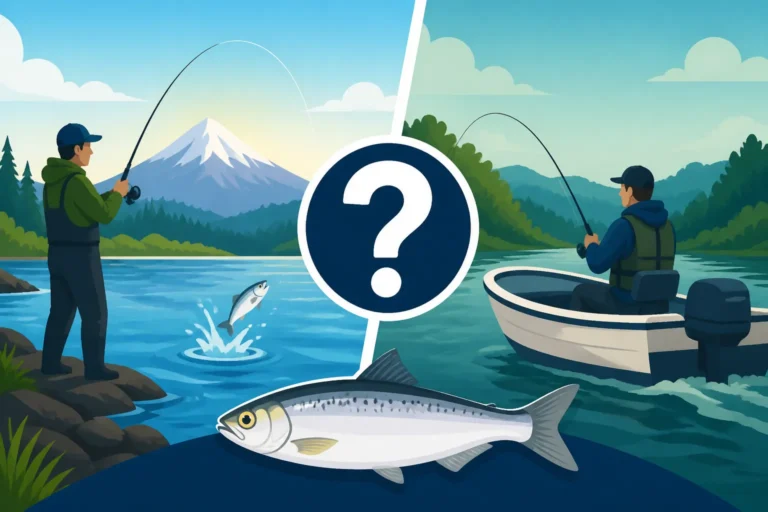
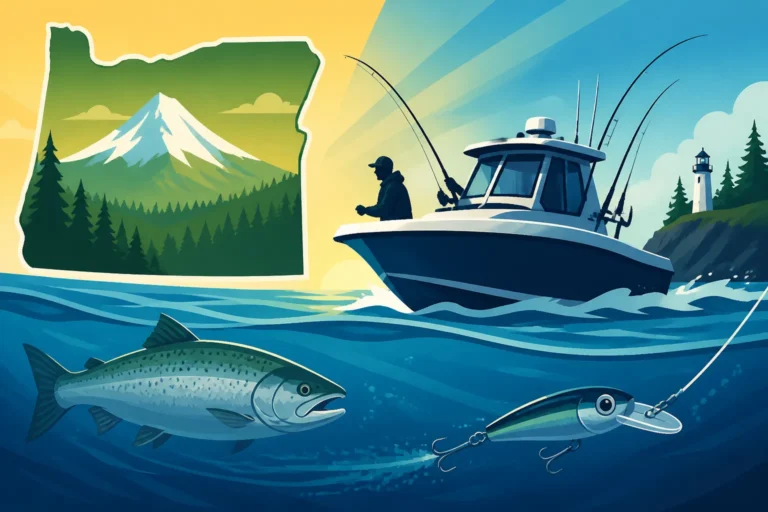
Before they enter the bays and rivers, coho salmon spend their lives in the Pacific Ocean, where they grow to impressive sizes and develop their incredible fighting strength. Ocean coho fishing is a major draw for many Oregon anglers, typically starting in late spring or early summer, contingent on federal and state regulations. The ocean fishery primarily takes place off ports like Newport, Depoe Bay, Garibaldi, and Astoria. These locations serve as launch points for charter boats and private vessels targeting coho.
Anglers venturing into the ocean will usually employ trolling techniques, often using downriggers to present baits and lures at specific depths where coho are feeding. Look for areas where baitfish are abundant, often indicated by diving birds or concentrations of other marine life. The nearshore waters, typically within a few miles of the coastline, are usually productive, but coho can be found further out depending on bait concentrations. It's crucial to pay close attention to marine forecasts, as ocean conditions can change rapidly and safely navigating the bar crossings and offshore waters requires experience and preparation. For a more detailed look at these thrilling offshore adventures, explore our Oregon Coast Fishing Spots guide.
Essential Gear and Tackle for Oregon Coho
Having the right tools for the job can make all the difference, and coho salmon fishing is no exception. These fish hit hard and fight dirty, so your gear needs to be up to the task. From the right rod and reel combination to the specific lines and terminal tackle, being prepared means less frustration and more fish landed.
Rod and Reel Setups for River and Ocean Coho
The type of rod and reel you'll need depends heavily on whether you're chasing coho in the ocean or in a river. For ocean fishing, especially when trolling with downriggers, a medium-heavy to heavy action rod, typically 8 to 10 feet in length, is ideal. These rods need enough backbone to handle a large fish while still offering a forgiving tip to absorb the shock of a strike and the headshakes during a fight. Paired with this, a level-wind baitcasting reel, such as those from reputable brands like Shimano or Abu Garcia, spooled with a robust line (more on that next) is common. The reel should have a smooth drag system and enough line capacity for strong runs. You can find a wide range of suitable rods and reels on Amazon, often with detailed reviews to help you choose.
For river fishing, versatility is key. A medium-heavy spinning or casting rod, usually 8.5 to 10.5 feet long, works well for most techniques like bobber and jig or drift fishing. A longer rod provides better line control, easier mending, and increased casting distance. A good quality spinning reel in the 3000-4000 size range, or a baitcasting reel designed for lighter lures, will pair nicely. Look for reels with a fast retrieve rate to keep up with a charging coho and a smooth, consistent drag. Lighter tackle adds to the thrill of the fight in the river''s confined spaces, but ensure it's strong enough to turn a determined coho.
Line Choices: Braided, Monofilament, and Fluorocarbon
Choosing the right fishing line is a critical, yet often overlooked, aspect of coho fishing. Each type of line has its strengths and weaknesses, and understanding them will improve your success.
- Braided Line: This is a popular choice for both ocean and river applications, especially as a main line. Braided line offers superior strength-to-diameter ratio, no stretch (which translates to incredible sensitivity for detecting subtle bites), and excellent knot strength. For ocean trolling, 30-50 lb test braid is common. For river fishing, 20-30 lb test can be ideal. However, braid is visible in clear water, so it's almost always paired with a fluorocarbon or monofilament leader. You can find durable braided lines from brands like PowerPro or Seaguar on Amazon.
- Monofilament Line: Monofilament, or "mono," is a classic for a reason. It has more stretch than braid, which can act as a shock absorber during violent headshakes, and it's generally more forgiving for beginners. It's also less visible than braid in water. Many anglers still prefer mono for certain river applications, or as a top shot over braid for ocean fishing. Popular choices range from 15-25 lb test for rivers and 25-40 lb for ocean.
- Fluorocarbon Line: Fluorocarbon is highly valued for its near-invisibility in water, low stretch compared to mono, and excellent abrasion resistance. It sinks faster than mono and braid, which can be advantageous in certain situations. Fluorocarbon is almost universally used for leaders in coho fishing, regardless of the main line choice. Leaders typically range from 15-30 lb test, depending on water clarity and conditions. Using a high-quality fluorocarbon leader, like those offered by Seaguar or Berkley, is non-negotiable for wary coho.
Terminal Tackle Essentials: Leaders, Swivels, and Weights
The small components at the business end of your line are just as important as your rod and reel. These terminal tackle items directly impact how your bait or lure behaves and how effectively you can land a fish.
- Leaders: As mentioned, fluorocarbon leaders are paramount for coho. Their low visibility helps fool wary fish, especially in clear water. Leader length can vary; for trolling in the ocean or bays, leaders can be 4-6 feet long. For river fishing with bobber and jig or drift gear, leaders might be shorter, ranging from 2-4 feet. The ideal strength typically falls between 15-30 lb test, chosen based on water conditions and the size of fish expected.
- Swivels: High-quality barrel swivels or ball-bearing swivels are essential to prevent line twist, especially when using rotating lures like spinners or when trolling with bait. Line twist can weaken your line and lead to tangles. Use swivels rated for a higher breaking strength than your main line or leader to ensure they don't become the weak link. Snap swivels are convenient for quickly changing lures, but ensure they are robust.
- Weights: Weights are crucial for getting your bait or lure down to the fish. For ocean trolling, downriggers are often used, but lead cannonballs (4-16 oz) or dive planes like Luhr-Jensen Dipsy Divers can also achieve depth. For river fishing, pencil lead, slinky weights, or split shot are commonly used for drift fishing to bounce baits along the bottom. For bobber and jig setups, simple crimp-on weights or sliding weights are used to balance the float. Always carry a variety of weights to adapt to different current speeds and depths.
Effective Techniques for Catching Oregon Coho Salmon
Coho salmon are aggressive, but they can also be finicky. Employing the right technique for the specific environment—whether that's the vast ocean, a tidal bay, or a winding river—is key to consistent success. Knowing a few different approaches will make you a more versatile and effective angler.
Trolling and Downriggers for Ocean and Bay Coho
Trolling is perhaps the most popular and effective method for targeting coho salmon in the ocean and in large bays like Tillamook or Astoria. This technique involves moving slowly through the water, dragging baits or lures behind the boat. The goal is to cover a lot of water and present your offering to actively feeding fish.
When trolling in the ocean, downriggers are often indispensable. These devices use a heavy cannonball weight to carry your fishing line and lure down to a predetermined depth, allowing you to present your offering precisely where the fish are holding or feeding. The line is held in a release clip, which pops free when a fish strikes, giving you a direct fight. Flashers or dodgers are commonly used in conjunction with downriggers to attract coho. These reflective devices create vibration and flash, mimicking schooling baitfish, and are rigged in front of a bait (like a herring or anchovy) or a spoon. The optimal trolling speed for coho is usually between 2 and 4 miles per hour, but it's important to experiment with speed and direction to find what the fish prefer on any given day. Pay close attention to your fish finder to locate bait balls and schools of salmon.
In bays, similar trolling principles apply, though you might not always need downriggers depending on depth. Using lead cannonballs on a spreader bar or dive planes can achieve the necessary depth. The key is often to troll around structure, current seams, or areas where baitfish are congregating. This active, searching approach allows you to effectively cover water and locate those hungry coho. Our guide on Oregon Trolling and Boat Fishing Techniques offers further insights into mastering this method.
Bobber and Jig/Drift Fishing for River Coho
Once coho salmon transition from saltwater to freshwater, their behavior changes, and so too must our fishing techniques. In rivers, two highly effective methods are bobber and jig fishing and drift fishing.
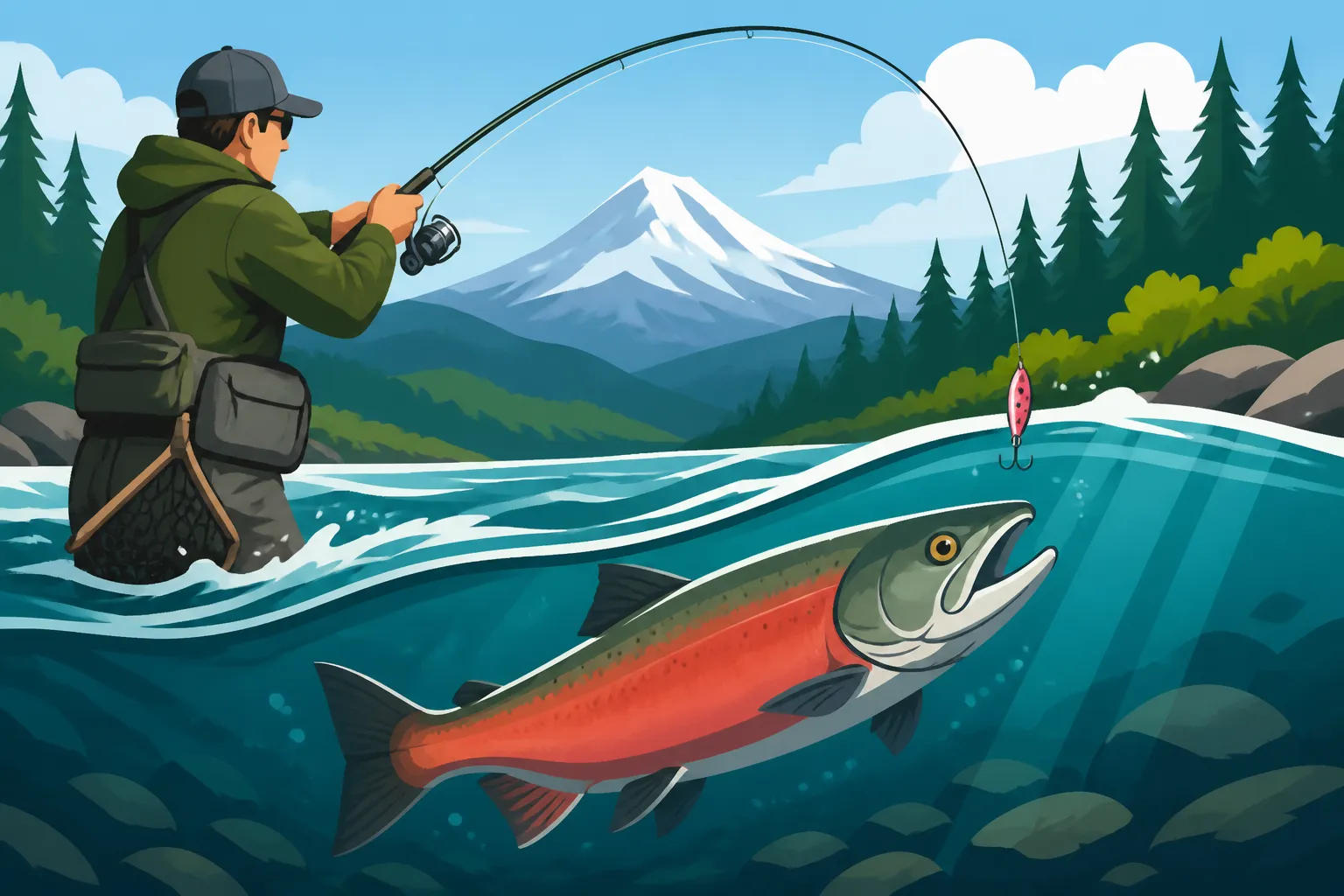
Bobber and Jig Fishing: This technique is extremely popular and effective for river coho, especially in clearer water or when fish are holding in distinct pools and current breaks. It involves suspending a jig (often a lead-headed jig dressed with marabou, rabbit fur, or synthetic materials) beneath a float or bobber. The bobber allows the jig to drift naturally with the current at a consistent depth, mimicking an injured baitfish or a struggling insect. Coho often strike the jig aggressively as it passes through their holding lies. The key is to match the jig color and size to local forage and water conditions (chartreuse, pink, and black are common coho colors), and to set your bobber stop to ensure the jig is presented just above the bottom or at the depth where fish are observed. When the bobber dips or goes under, it's time to set the hook! This technique is covered in more detail in our article on the Bobber and Jig Technique for Oregon Salmon.
Drift Fishing: Drift fishing involves using just enough weight to bounce your bait or lure along the bottom, mimicking natural debris or dislodged food items. This is particularly effective in faster, shallower river sections or when coho are hugging the riverbed. Common setups include a three-way swivel with a mainline, a leader to your bait/lure, and a dropper line to a pencil lead or slinky weight. Baits like cured eggs, sand shrimp, or small clusters of roe are popular for drift fishing, often tipped with a small spinner blade or a Cheater plug for added flash and scent dispersion. The trick is to feel for the subtle taps of the weight bouncing on the bottom, distinguishing them from a fish strike. A good drift is paramount, ensuring your offering moves naturally with the current, allowing the coho to intercept it without suspicion.
Casting Lures and Twitching Jigs
For aggressive coho, especially those that are fresh into the river or actively feeding, casting lures and twitching jigs can be incredibly productive and exciting. These active techniques often elicit violent reaction strikes.
Casting Lures: Spinners and spoons are classic coho killers. Brands like Blue Fox, Roostertail, and Little Cleo are staples in many coho angler's tackle boxes. The flash and vibration from these lures often trigger an aggressive response. Cast your spinner or spoon across and slightly upstream, then retrieve it just fast enough to get the blade spinning or the spoon wobbling, allowing it to swing down and across the current. Vary your retrieve speed and depth, and don't be afraid to let it pause or drop briefly, as these changes can often trigger a strike. Ideal spots for casting lures include current seams, the heads of pools, and around submerged structure.
Twitching Jigs: Twitching jigs has become an increasingly popular and deadly method for river coho. This technique involves casting a weighted jig (often a lead-headed jig with a soft plastic body, marabou, or bucktail, typically 1/4 oz to 1 oz) and then working it back with a series of sharp "twitches" or jerks of the rod tip, followed by pauses. This erratic action mimics a wounded baitfish or prawn, and coho often smash them during the pause or on the fall. The key is to present the jig in a way that allows it to flutter and "dance" in the current. Bright colors like chartreuse, pink, orange, and white are often very effective for twitching jigs, especially in lower light or murky water conditions. Both jigs and suitable soft plastics can be found readily on Amazon for a wide range of colors and sizes.
Best Baits and Lures to Entice Coho
Coho salmon are opportunistic feeders, but they do have preferences, especially as they move from the ocean into freshwater. Carrying a diverse selection of baits and lures will ensure you're prepared for whatever mood the fish are in and whatever conditions the water presents.
Natural Baits: Herring, Anchovies, and Prawns
When it comes to natural bait, it's hard to beat what coho feed on in their natural environment. In the ocean and estuaries, herring and anchovies are kings. These baitfish are the primary food source for coho in saltwater, and presenting them naturally is incredibly effective.
- Herring and Anchovies: These are typically fished whole or cut, often brined or scented to enhance their appeal. For ocean trolling, whole or cut-plug herring/anchovies are rigged behind a flasher or dodger to create a spinning, irresistible presentation. The key is a perfect roll, mimicking an injured baitfish. Many anglers cure their own bait with special brines containing scents and dyes, believing it gives them an edge. Freshness is paramount, so keep your bait cold and rotate it frequently.
- Prawns (Coon Shrimp): While not a primary ocean forage, cured coon shrimp or prawns are an extremely effective bait for coho in freshwater rivers. Their natural scent and texture are highly attractive. They are typically fished under a bobber with a jig or as part of a drift fishing setup. The natural movement and robust scent trail of a cured prawn can be irresistible to an aggressive coho.
Artificial Lures: Spinners, Spoons, and Plugs
Artificial lures are often preferred for their ease of use, durability, and ability to cover water efficiently. They mimic baitfish or other forage, relying on flash, vibration, and erratic movement to trigger strikes.
- Spinners: From classic inline spinners to larger coho-specific models, these lures are a go-to for many river anglers. The spinning blade creates flash and vibration, irresistible to aggressive coho. Popular colors include chartreuse, hot pink, orange, and black. Blade sizes from #3 to #5 are common. Varying your retrieve speed to get the optimal blade rotation is key.
- Spoons: Spoons, with their wobbling, fish-like action, are effective in both saltwater and freshwater. Popular choices include the Little Cleo, Pixie, or larger trolling spoons. Their erratic movement when retrieved or trolled mimics a wounded baitfish. Chrome, silver, brass, or painted finishes (e.g., green/silver, blue/silver) are popular.
- Plugs: These hard-bodied lures dive when retrieved or trolled, mimicking baitfish. Smaller "Kwikfish" style plugs or "Wiggle Warts" can be very effective for aggressive coho, especially when back-trolled in rivers or trolled in bays. They produce a wide, enticing wobble. Plugs can be tipped with a small piece of bait for added scent.
Soft Plastics and Jigs for Aggressive Coho
Soft plastics and jigs have gained immense popularity due to their versatility and ability to imitate a wide range of forage. They are particularly effective when coho are in a more aggressive mood or when water conditions dictate a more subtle presentation.
- Marabou Jigs: These jigs, tied with fluffy marabou feathers, offer an incredibly lifelike pulsing action in the water. They are typically fished under a bobber or twitched. Colors like chartreuse, pink, purple, and black are highly effective. The marabou "breathing" in the current can be a huge trigger for coho.
- Lead-headed Jigs with Soft Plastics: Combining a weighted jig head with a soft plastic body (like a curly tail grub, paddle tail swimbait, or tube jig) creates an irresistible offering. These are fantastic for twitching, casting, or even slow-trolling. The soft plastic provides a realistic profile and action, and they can be easily scented. Brands like Berkley PowerBait and Z-Man offer a wide array of soft plastics that can be matched to different jig heads and conditions. Experiment with various sizes and colors to see what the coho prefer on a given day. Our Oregon Bait and Lure Guide offers even more details on these effective options.
Navigating Regulations and Conservation for Coho Salmon
Responsible angling isn't just about catching fish; it's about understanding and respecting the rules that protect these valuable resources. Coho salmon populations are closely managed, and regulations can change, so staying informed is crucial for sustainable fishing and avoiding penalties.
Understanding Coho Bag Limits and Size Restrictions
One of the most important aspects of coho fishing is knowing and adhering to the current bag limits and size restrictions. These regulations are put in place by the Oregon Department of Fish and Wildlife (ODFW) to manage fish populations and ensure healthy returns for future generations. Bag limits typically define the number of salmon an angler can retain per day and often differentiate between hatchery and wild fish. For example, during certain seasons, you might be allowed to keep a specific number of hatchery coho, while wild coho may be strictly catch-and-release.
Size restrictions are also common, establishing a minimum length (and sometimes a maximum length, or "slot limit") that a coho must meet to be legally retained. This helps protect juvenile fish and large, reproductively valuable adults. These rules can vary significantly depending on the specific body of water (ocean, bay, river), the time of year, and even specific river sections. It's imperative to consult the most current ODFW Sport Fishing Regulations booklet or website before each trip. Don't rely on last year's rules or word of mouth. Ignorance of the law is not an excuse for violations. Our guide to Oregon Daily Bag Limits Explained provides a general overview, but always double-check the official ODFW resources for the latest updates.
Hatchery vs. Wild Coho: Identification and Retention Rules
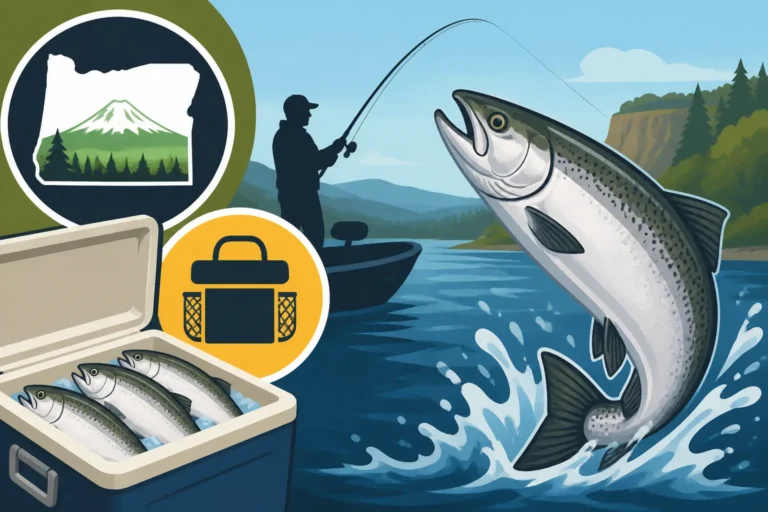
Distinguishing between hatchery and wild coho is a critical skill for Oregon salmon anglers, as retention rules often differ dramatically. Hatchery coho are typically marked with a clipped adipose fin, the small fleshy fin located between the dorsal fin and the tail. Before release, hatchery-reared fish have this fin removed as juveniles. Therefore, if a coho has an adipose fin, it is considered a wild fish.
In most Oregon fisheries, wild coho are strictly catch-and-release only to protect wild spawning populations. Hatchery coho, identified by their missing adipose fin, are often the only salmon species allowed for retention. However, there are exceptions, and regulations can change. For example, some ocean fisheries might allow retention of a limited number of unmarked (wild) coho during specific windows. It is your responsibility as an angler to correctly identify your catch. If you are ever unsure whether a fish is wild or hatchery, always err on the side of caution and release it unharmed. Misidentifying a wild fish and retaining it can lead to significant fines and penalties. This distinction is a cornerstone of Oregon Salmon Species Guide and effective fisheries management.
Responsible Catch and Release Practices
Even if you're targeting hatchery coho for retention, it's inevitable that you'll encounter wild fish or fish that are under the legal size limit. Practicing responsible catch and release is vital for the health and survival of these fish. Here are some key guidelines:
- Minimize Fight Time: Use appropriate tackle that allows you to land the fish as quickly as possible without over-stressing it.
- Keep Fish in Water: Whenever possible, keep the fish in the water while unhooking it. Lifting a salmon out of the water, especially by the tail or head, can cause internal damage.
- Use Barbless Hooks: Oregon rivers often require barbless hooks for salmon and steelhead. Barbless hooks make unhooking much faster and reduce injury to the fish. Even if not required, they are highly recommended for catch-and-release.
- Proper Handling: If you must remove the fish from the water for a quick photo, support its full weight horizontally with wet hands. Avoid squeezing its belly or gills.
- Quick Release: Release the fish gently, head first, into the current. If it seems sluggish, hold it facing upstream in the current until it regains strength and swims away on its own.
- Remove Hooks Carefully: Use needle-nose pliers or a de-hooking tool to remove the hook quickly. If the fish is deeply hooked, cut the line as close to the hook as possible rather than trying to rip it out.
Adhering to these practices, as highlighted in our Oregon Catch-and-Release Rules guide, significantly increases the chances of released fish surviving to spawn or continue their journey. It's a testament to our commitment as anglers to preserve the very resource we cherish.
Disclaimer
Fishing regulations, seasons, and limits in Oregon are subject to change by the Oregon Department of Fish and Wildlife (ODFW). While this guide provides general information, it is the angler's responsibility to consult the most current official ODFW regulations before heading out on any fishing trip. Always ensure you have the required licenses and endorsements.