Best fishing spot for panfish near Portland
It's a familiar feeling, isn't it? You're in the bustling heart of Portland, the city life humming around you, and all you can think about is escaping to a quiet spot with a fishing rod in hand. But figuring out where to go for a quick, family-friendly fishing trip, especially for something as approachable as panfish, can feel like a puzzle. This guide aims to take the guesswork out of it, revealing some fantastic, accessible spots for panfish near Portland where you can easily cast a line and enjoy the tranquility.
Why Panfish Near Portland Are a Perfect Catch
For many anglers, especially those just starting out or looking for a low-pressure day on the water, panfish are an absolute dream. They're abundant, eager to bite, and found in many easily accessible locations. And when you're living in or visiting a big city like Portland, having these reliable spots nearby is a true blessing. You don't always have the time or the inclination for a full-blown expedition to the coast or a distant river system. Sometimes, you just want to grab a rod, a small tackle box, and a container of worms, and be on your way to some relaxed fishing without a massive drive.
Accessibility and Convenience for City Dwellers
Let's be real, after a long week, the last thing you want is a two-hour drive just to get to a fishing spot. The beauty of targeting panfish near Portland is that many excellent locations are often within a 30-60 minute drive, making them perfect for a spontaneous afternoon outing or a leisurely weekend morning. This means less time in traffic and more time with a line in the water. It’s about fitting a little slice of outdoor calm into your busy urban life, and panfish spots excel at offering that convenience.
Imagine finishing work on a Friday, swinging by the tackle shop for some bait, and being at a peaceful lake or pond by dinnertime. These close-to-home spots really shine for those of us who value our time and energy, allowing for frequent, shorter trips rather than requiring a dedicated all-day adventure. Plus, many of these spots are quite developed, offering amenities like paved parking, restrooms, and sometimes even picnic areas, which just adds to the ease of your outing.
Great for All Skill Levels, Especially Beginners and Kids
Panfish are the unsung heroes of angling education. Their willingness to bite, even on the most basic presentations, makes them an incredible target for young anglers or anyone new to fishing. There’s nothing quite like seeing a child’s face light up with excitement as they feel that first tug on their line. Panfish like bluegill, crappie, and perch don't require complex techniques, expensive gear, or years of experience. A simple spin-casting rod, a bobber, a small hook, and some bait like worms or corn are often all it takes.
This low barrier to entry fosters a love for the outdoors and fishing that can last a lifetime. It allows beginners to build confidence, practice casting, and learn basic fish handling without the frustration that can sometimes come with targeting more elusive species. For seasoned anglers, panfish offer a chance to relax, experiment with ultralight gear, or simply enjoy the meditative rhythm of casting and catching without the pressure of a trophy hunt.
Diverse Species to Target in Local Waters
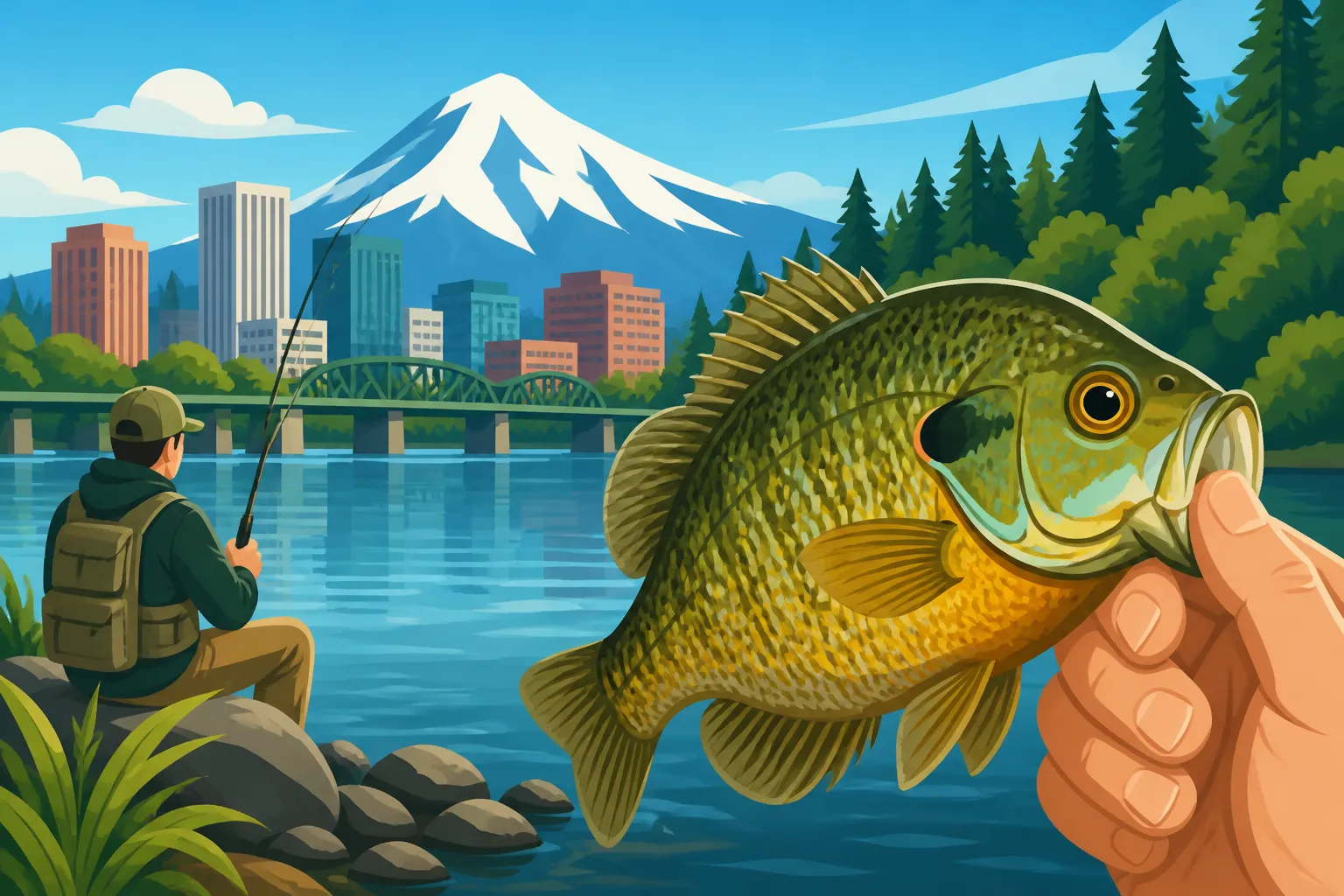
When we talk about panfish, we're actually talking about a delightful group of species, each with its own charm. Near Portland, you'll primarily encounter bluegill, crappie (both black and white), and yellow perch. These species thrive in many of the region's lakes, ponds, and slower-moving river backwaters.
- Bluegill: These are probably the most common and easiest to catch. They're usually found in schools, especially around aquatic vegetation or submerged structures. Their aggressive strikes make them incredibly fun to target.
- Crappie: Known for their delicious fillets, crappie are a favorite among panfish anglers. They tend to hang out around submerged brush piles, fallen trees, or dock pilings. You'll often find them suspended in the water column.
- Yellow Perch: Distinguished by their distinctive vertical stripes, yellow perch are another schooling fish, often found in slightly deeper, cooler waters. They can put up a surprisingly good fight for their size.
Each species offers a slightly different experience, keeping things interesting. You might start the day catching bluegill near the weeds and then move to a deeper section to jig for crappie. Knowing what you're likely to encounter helps you tailor your approach and increases your chances of success.
Top Spots for Panfish Near Portland
Alright, let's get down to the brass tacks: where exactly should you go? While Oregon is famed for its salmon and steelhead rivers, there are plenty of overlooked gems close to Portland that offer fantastic panfishing opportunities. These spots provide a blend of accessibility, amenities, and a good chance to hook into some feisty panfish. Remember that local regulations can change, so always check the latest Oregon Fishing Regulations Explained from the Oregon Department of Fish and Wildlife (ODFW) before heading out.
Henry Hagg Lake: A Panfish Powerhouse
When it comes to diverse fishing opportunities near Portland, Henry Hagg Lake (officially known as Scoggins Valley Park) truly stands out. Located just a short drive west of the city near Forest Grove, it’s a massive reservoir that's well-known for its trout, but it also boasts an incredible population of panfish, especially crappie and yellow perch, and even some largemouth and smallmouth bass.
The lake's irregular shoreline, numerous coves, and submerged timber provide ample habitat for panfish to thrive. During the spring and early summer, crappie move into shallower coves to spawn, making them particularly accessible to bank anglers. Later in the year, they'll move to deeper water, often suspending around submerged trees. For an in-depth look at what else this lake offers, check out our guide on Henry Hagg Lake fish species list.
Access and Amenities: Hagg Lake is super user-friendly. There are multiple boat ramps (Scoggins Creek and Tanner Creek), extensive bank access, and several fishing docks, including ADA-accessible options. You'll find plenty of picnic areas and restrooms, making it a comfortable destination for a full day out with the family. The park requires a day-use fee, but it’s well worth it for the facilities and fishing opportunities.
Techniques for Success: For crappie, try slow-trolling small jigs (1/32 to 1/16 oz) tipped with a piece of worm or a crappie nibble. Vertical jigging around submerged structures or docks can also be very effective. For yellow perch, small spinners, worms under a bobber, or even a simple piece of nightcrawler fished on the bottom will often do the trick. During the warmer months, you'll often see schools of perch chasing baitfish near the surface in the mornings and evenings.
Smaller Stocked Ponds and Community Lakes
Beyond the big reservoirs, Portland is surrounded by a network of smaller lakes and ponds, many of which are regularly stocked by ODFW and hold robust populations of panfish. These spots are often incredibly convenient, sometimes even within city limits or in immediately adjacent suburbs. They're fantastic for a quick trip after school or work, and many of them cater specifically to families and beginner anglers.
- Trillium Lake: While a bit further out towards Mt. Hood, Trillium Lake is a classic high-mountain lake experience, and it's not just for trout. Its shallow edges and abundant vegetation provide excellent habitat for bluegill and perch, especially in the warmer months. It's truly picturesque and perfect for a family outing.
- Tualatin Community Park Pond: Located right in Tualatin, this pond is a local favorite. It's often stocked with trout, but you'll find a good number of bluegill and other panfish here too. It's easily accessible, with paved paths and plenty of space for kids to cast.
- Canby Pond: South of Portland, Canby Pond is another ODFW-stocked pond that's great for panfish. It's small, easy to navigate, and offers good bank access.
- Sauvie Island ponds: The various ponds on Sauvie Island, like Sturgeon Lake, often hold large populations of crappie and perch, particularly in the sloughs and backwaters connected to the main Columbia River channel. These can be a bit more wild and require some exploration, but the rewards can be excellent.
These smaller spots are fantastic because they often offer a quicker bite and a more intimate fishing experience. Just remember that many of them have specific regulations, so it's always wise to consult the ODFW fishing regulations booklet for the precise rules regarding bag limits and species, as discussed in Oregon Daily Bag Limits Explained. For those wondering, Do kids need a fishing license in Oregon? is a common question, and generally, youths under 12 don't need a license, but it's always best to verify age requirements.
Willamette River Backwaters and Sloughs
The mighty Willamette River, flowing right through Portland, might seem like a salmon and steelhead domain, but its quieter backwaters and sloughs are often overlooked panfish havens. These slower-moving, often weed-choked areas provide perfect ambush points and spawning grounds for crappie, bluegill, and perch.
Look for areas where the main current is absent, such as the mouths of smaller creeks entering the Willamette, protected coves, or the many sloughs that branch off the main river channel. These areas warm up faster in the spring, drawing in panfish from the deeper river channels. This can be a bit more of a "find your own spot" adventure compared to a designated lake, but the payoff can be huge, especially for those seeking bigger crappie.
Prime Locations: Consider exploring sections of the Willamette around areas like Oregon City, or the sloughs and channels around Wheatland and Buena Vista further south. Even closer to Portland, quieter sections near parks or industrial areas with less current can hold fish. These spots might require a small boat or kayak for optimal access, but many can be fished from shore, especially where public access is available. Always be mindful of private property when exploring river banks.
Essential Tips for Panfish Success in the Portland Area
Catching panfish is generally straightforward, but a few key tips can turn a good day into a fantastic one. Whether you're a seasoned pro or taking a beginner out for their first time, keeping these pointers in mind will increase your chances of success and make the experience more enjoyable.
Gear and Bait Basics for Panfish
You really don't need to break the bank to get into panfishing. The beauty of these species is their willingness to bite on simple setups.
- Rod and Reel: A light-action or ultralight spinning rod (5-6 feet) paired with a small spinning reel spooled with 4-6 pound test monofilament line is ideal. This setup makes even small panfish feel like giants and provides excellent sensitivity.
- Terminal Tackle:
- Hooks: Small hooks are key. Size 6 or 8 Aberdeen or baitholder hooks work perfectly for bluegill and perch. For crappie, smaller jigs (1/32 to 1/16 ounce) are often preferred.
- Bobbers: A small clip-on bobber or slip bobber is essential for suspending your bait at the right depth.
- Weights: A few small split-shot weights will help get your bait down.
- Bait:
- Live Bait: Hands down, the most effective baits for panfish are live worms (nightcrawlers or red wigglers). Other excellent options include small minnows (for crappie), maggots, or even crickets.
- Prepared Baits: Corn kernels, small pieces of hot dog, or powerbait nuggets can also be surprisingly effective, especially for bluegill.
- Lures: Tiny jigs (marabou, plastic tube, or grub-style) are deadly for crappie. Small spinners and spoons can also attract aggressive perch or larger bluegill. For general advice on attractive offerings, consider insights from Best bait for Oregon trout fishing, as many principles apply to panfish.
Timing Your Trip for Optimal Bites
Just like with any fishing, timing can make a big difference when targeting panfish. They are generally most active during certain times of the day and specific seasons.
- Best Times of Day: Early mornings and late evenings tend to be the most productive. During these periods, the water temperature is often cooler, and panfish are more likely to be actively feeding in shallower water. Mid-day can be slow, especially in bright, hot weather, when fish often move to deeper, shadier areas.
- Best Seasons: Spring and early summer are prime panfishing seasons. This is when water temperatures are rising, and panfish are moving into shallower waters to spawn. This is also when they're most aggressive and easiest to locate. Fall can also offer good fishing as fish feed heavily before winter, while winter typically sees a slowdown, though dedicated anglers can still find success in deeper holes.
Keep an eye on weather patterns, too. Overcast days with stable barometric pressure can be excellent, while sudden cold fronts can often shut down the bite.
Respecting the Regulations and Local Environment
No matter where you choose to fish in Oregon, it's absolutely crucial to understand and adhere to the state's fishing regulations. The Oregon Department of Fish and Wildlife (ODFW) sets these rules to protect fish populations and ensure sustainable fishing for everyone. You'll need an Oregon annual angling license if you're 12 years or older (unless it's a designated Oregon Free Fishing Days).
Regulations can vary significantly between different bodies of water, even for panfish. Pay close attention to:
- Bag Limits: How many fish of each species you can keep per day.
- Size Limits: Minimum or maximum sizes for certain species (less common for panfish, but always check).
- Gear Restrictions: What types of bait or tackle are allowed in specific waters (e.g., some waters might be fly-fishing only, though this is rare for typical panfish spots).
It's your responsibility to know the rules, and ignorance is no excuse if a game warden checks your catch. You can find all the details in the comprehensive Oregon Fishing License Guide or specific breakdowns like Oregon Fishing Regulations Explained. Always carry your valid fishing license (a digital copy on your phone is usually acceptable).
Beyond regulations, always practice good outdoor ethics:
- Pack it in, pack it out: Leave no trace. Take all your trash with you.
- Handle fish gently: If you're practicing Oregon catch-and-release rules, handle fish with wet hands, minimize their time out of water, and release them carefully.
- Respect private property: Only fish where you have legal access.
Finding great fishing spots near a metropolitan area like Portland truly is a treasure. Panfish offer an accessible, fun, and often delicious fishing experience that's perfect for a quick escape or a family outing. While many anglers seek out guides for bigger game, platforms like FishingBooker can still be a valuable resource for finding diverse fishing adventures or connecting with local experts if you ever decide to branch out beyond the panfish ponds for species like salmon or steelhead in other parts of Oregon.
Remember, the goal is to enjoy the process, connect with nature, and create some lasting memories, whether you're bringing home a cooler full of crappie or simply enjoying the peaceful rhythm of the cast.
Panfish Spots Near Portland: A Quick Comparison
Here's a handy table summarizing some of the top spots for panfish near Portland, helping you decide where to cast your line next.
| Fishing Spot | Primary Panfish Species | Drive Time from Portland (approx.) | Best For | Key Features |
|---|---|---|---|---|
| Henry Hagg Lake | Crappie, Yellow Perch, Bluegill | 45-60 minutes | Full day trip, boat/bank, family-friendly | Large reservoir, boat ramps, docks, picnic areas, restrooms, diverse species. |
| Tualatin Comm. Park Pond | Bluegill, Crappie | 20-30 minutes | Quick trips, kids, bank fishing | Urban park setting, paved access, regularly stocked, easy for beginners. |
| Canby Pond | Bluegill, Crappie, Perch | 30-40 minutes | Quick trips, bank fishing, calm | Smaller, quiet pond, easy access, good for a relaxing session. |
| Trillium Lake | Bluegill, Perch | 90-120 minutes (seasonal) | Scenic beauty, high-mountain experience | Picturesque setting near Mt. Hood, camp spots, good for wading/small craft, cooler water. |
| Willamette River Sloughs | Crappie, Yellow Perch | 15-60 minutes (varies) | Adventurous anglers, kayak/small boat | Quieter backwaters, less crowded, potential for larger crappie, requires more scouting for access points. |
| Sauvie Island Ponds | Crappie, Yellow Perch, Bluegill | 30-45 minutes | Exploring, mixed methods | Rural setting, various connected ponds, often good for small boats/kayaks, some bank access. |
Disclaimer
The information provided in this guide is for general informational purposes only and is subject to change. Fishing regulations, season dates, and access points can vary. Always consult the official Oregon Department of Fish and Wildlife (ODFW) regulations and local signage before engaging in any fishing activities. Ensure you have the proper licenses and endorsements required by law. Fishing can involve inherent risks; always prioritize safety.