Best high mountain lake fishing near Bend
Planning a fishing trip to Bend often conjures images of the mighty Deschutes River, renowned for its redside trout and challenging steelhead runs. However, for those seeking a different kind of angling serenity, one coupled with breathtaking vistas and a profound sense of solitude, the high mountain lakes scattered throughout the surrounding wilderness are an absolute treasure. Figuring out which remote gem is worth the trek, what specific fish species you'll encounter, and how to prepare for the unique challenges of high-altitude angling can feel overwhelming, especially if you're new to the area. This comprehensive guide will cut through the confusion, offering a detailed look at the best high mountain lake fishing experiences near Bend, covering everything from prime locations and target species to essential gear and crucial planning tips.
The Allure and Challenge of High Mountain Lake Fishing Near Bend
There’s something uniquely captivating about fishing in Oregon’s high mountain lakes. Far from the bustling riverbanks and easily accessible reservoirs, these pristine waters offer an escape into true wilderness. The journey itself often becomes part of the adventure, rewarding anglers with unparalleled beauty and a sense of accomplishment.
Why High Mountain Lakes are Special for Anglers
High mountain lakes, often nestled in glacial cirques or volcanic basins, boast incredible clarity and a sense of untouched nature. Because of their remote locations, they typically see far less fishing pressure than lower elevation waters, meaning the fish populations can be less wary and offer fantastic action. Many of these lakes are sustained by snowmelt, making their waters incredibly cold and oxygen-rich – ideal conditions for various trout species.
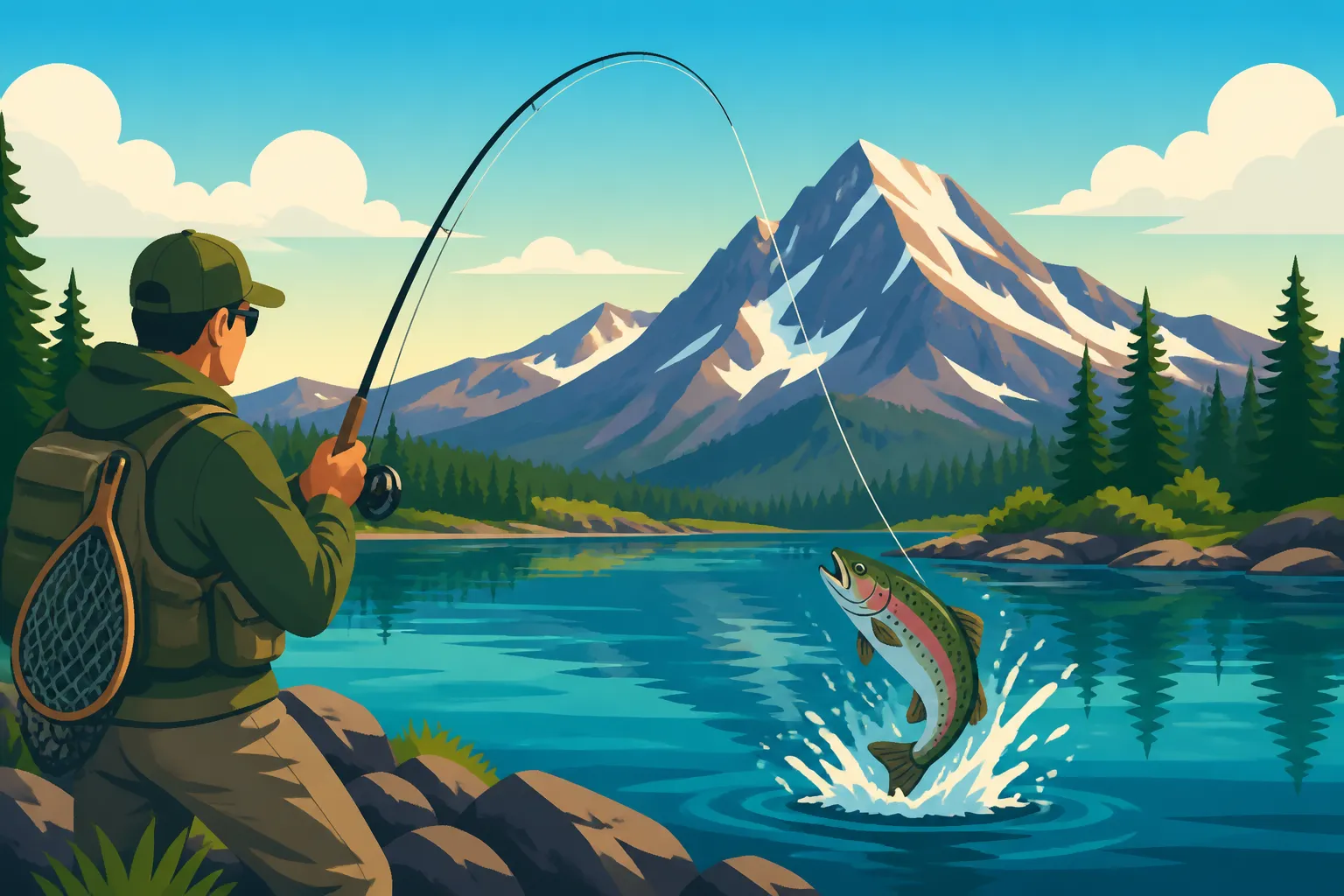
You're not just going for the fish; you're going for the entire experience. Picture casting a dry fly on a glassy lake surface as the sun rises over ancient peaks, the only sounds being the gentle lapping of water and the occasional call of a high-country bird. It's an immersive experience that recharges the soul and reminds you why you started fishing in the first place. These environments are fragile, and respecting them through careful planning and adherence to Leave No Trace principles is paramount to preserving their magic for generations to come.
Understanding the Backcountry Experience
Fishing high mountain lakes near Bend often means venturing into designated wilderness areas, like the Three Sisters Wilderness or Mount Jefferson Wilderness. This isn't your typical roadside fishing stop. Expect to hike, sometimes for several miles, with elevation gains that can test your stamina. The trails range from well-maintained paths to rugged, less-traveled routes. This means you need to be self-reliant, prepared for rapidly changing weather conditions, and proficient with navigation.
The rewards, however, are immense. Imagine landing a vibrant brook trout, its colors iridescent in the crisp mountain air, far from any sign of civilization. The fish in these lakes tend to be smaller than their river counterparts but are often incredibly feisty and strikingly beautiful, having adapted to their unique alpine environment. Before heading out, it’s always wise to check the latest trail conditions and weather forecasts. Oregon’s mountains can deliver all four seasons in a single day, and being caught unprepared can quickly turn an adventure into a survival situation.
Top High Mountain Lake Destinations Near Bend
Central Oregon is blessed with an abundance of stunning high mountain lakes, each offering its own unique charm and angling opportunities. While many are tucked deep within wilderness areas, some are more accessible, making them ideal for varying levels of outdoor enthusiasts.
Three Creek Lake: Accessible High-Country Fishing
If you're looking for a relatively accessible high mountain lake experience, Three Creek Lake is a fantastic option. Located southwest of Sisters, it's typically reachable by car (though the road can be a bit bumpy) during the warmer months. This lake is nestled at the base of Tam McArthur Rim, offering spectacular views and a range of fishing opportunities.
Three Creek Lake is regularly stocked by the Oregon Department of Fish and Wildlife (ODFW) with rainbow trout, making it a reliable spot for consistent action. It's also home to some brook trout. The lake itself is relatively large, offering plenty of shoreline access as well as opportunities for small boats, canoes, or kayaks (electric motors only are typically allowed to maintain the serene atmosphere). You'll find a campground nearby, making it an excellent basecamp for a multi-day trip. This lake is a great entry point into high mountain fishing, offering the scenic beauty without the extreme physical demands of deeper wilderness treks.
Green Lakes and Other Three Sisters Wilderness Gems
For those willing to put in the effort, the Green Lakes area in the Three Sisters Wilderness offers some of the most iconic and rewarding high mountain lake fishing in Oregon. The main Green Lakes are a series of stunning turquoise lakes fed by snowmelt and glaciers, set against the dramatic backdrop of South Sister, Middle Sister, and Broken Top. The hike to Green Lakes is approximately 4.5 miles (one-way) from the Green Lakes Trailhead, gaining about 1,000 feet in elevation. It's a popular hike, so expect company on the trail, especially on weekends.
These lakes are home to healthy populations of brook trout and some rainbow trout. The fishing here can be exceptional, with the clear waters demanding a stealthy approach and fine tackle. Beyond the main Green Lakes, the Three Sisters Wilderness holds dozens of smaller, often unnamed, lakes and tarns. Exploring these requires more advanced navigation skills and a willingness to bushwhack, but the solitude and potential for untouched fishing can be incredibly rewarding. Remember, a wilderness permit is required for day or overnight use in this area.
Other Notable Lakes in the Vicinity:
- Park Lake: Tucked away off the McKenzie Pass Highway (Hwy 242) and requiring a short, relatively easy hike, Park Lake is renowned for its larger brook trout. It’s a popular spot for fly anglers and offers picturesque views of Mount Washington. The surrounding old-growth forest adds to its charm.
- Scout Lake: Also accessible from the McKenzie Pass Highway, Scout Lake is another excellent choice for a day trip. It's often stocked and provides good fishing for rainbow trout, making it a family-friendly option.
- Tamolitch Blue Pool Area: While the Blue Pool itself is not for fishing, the trails in the area can lead to other less-frequented lakes where you might find some good action, often for brook trout or smaller rainbow trout. This area is known for its stunning vibrant blue waters, a testament to the purity of these mountain springs.
When choosing your destination, consider the balance between accessibility, the type of fish you're hoping to catch, and the level of solitude you desire. Platforms like FishingBooker sometimes feature guides who specialize in these remote high-country trips, offering a way to experience these pristine environments with expert assistance.
Here’s a quick comparison of some popular high mountain lakes near Bend:
| Lake Name | Primary Fish Species | Access Difficulty (1-5, 5 being hardest) | Typical Hike Distance (One-way) | Best Time to Visit | Notes |
|---|---|---|---|---|---|
| Three Creek Lake | Rainbow Trout, Brook Trout | 2 | Drive-in (rough road) | June – October | Campground nearby, good for families |
| Green Lakes | Brook Trout, Rainbow Trout | 4 | 4.5 miles | July – September | Stunning scenery, wilderness permit required |
| Park Lake | Brook Trout | 3 | 1.5 miles | June – October | Good for fly fishing, accessible via Hwy 242 |
| Scout Lake | Rainbow Trout | 2 | 0.5 miles | June – October | Stocked, family-friendly, near Hwy 242 |
| Matthieu Lakes | Brook Trout, Rainbow Trout | 3 | 2-3 miles | July – September | Near Three Fingered Jack, scenic |
Essential Gear and Techniques for High Altitude Angling
Fishing in high mountain lakes demands a thoughtful approach to both gear and technique. The clear, cold waters and often open terrain mean fish can be wary, and your setup needs to be lightweight enough to hike in, yet robust enough for any conditions.
Packing Smart for the Backcountry Angler
When heading into the high country, every ounce in your pack matters. Focus on lightweight, multi-purpose gear. For fishing, a packable ultralight spinning rod or a multi-piece fly rod is ideal. A 2-piece or 4-piece 3-5 weight fly rod is perfect for most trout in these lakes, paired with a small reel and floating line. If spin fishing, a light or ultralight rod and reel combo spooled with 4-6 lb test line will do the trick.
Beyond your fishing gear, your personal essentials are crucial:
- Layered Clothing: Weather can change rapidly. Bring moisture-wicking base layers, insulating mid-layers (fleece or puffy jacket), and waterproof/windproof outer shells.
- Navigation: A map and compass (and knowing how to use them!) are non-negotiable, even if you rely primarily on a GPS device or smartphone app. Batteries die, signals get lost.
- Water & Food: Pack more than you think you'll need, or bring a reliable water filter/purifier. High exertion at altitude means increased hydration needs. High-energy, non-perishable snacks are key.
- First Aid Kit: Essential for minor cuts, blisters, and unexpected emergencies.
- Sun Protection: High altitude means stronger UV rays. Sunscreen, a wide-brimmed hat, and polarized sunglasses are a must.
- Headlamp/Flashlight: Even if you plan to be back before dark, delays happen.
Remember the cardinal rule of backcountry travel: pack it in, pack it out. This includes all trash, food scraps, and fishing line. Protecting these pristine environments is everyone's responsibility.
Fishing Methods That Work Best
Due to the clear waters and often spooky fish, a stealthy approach is often key in high mountain lakes. Both fly fishing and spin fishing can be highly effective.
Fly Fishing:
This is arguably the most popular and often most effective method for high mountain lake trout. The natural presentation of a fly can be irresistible.
- Dry Flies: When hatches are occurring, dry flies like Parachute Adams, Elk Hair Caddis, or small Tricos can be incredibly productive. Look for rising fish and match the hatch if possible.
- Nymphs: Even when fish aren't rising, subsurface nymphs like Prince Nymphs, Hare's Ear Nymphs, or small Pheasant Tails fished under a strike indicator or stripped slowly can entice bites.
- Streamers: Small streamers (e.g., Woolly Buggers, sculpin patterns) can imitate baitfish or larger insects and often provoke aggressive strikes, especially from larger trout.
Spin Fishing:
For spin anglers, small, compact lures that imitate natural prey are best.
- Spinners: Classic Panther Martins, Roostertails, or Mepps spinners in sizes 0-2 are very effective. Their flash and vibration can draw fish from a distance.
- Spoons: Small Kastmasters, Daredevils, or Little Cleos in silver or gold are great for casting long distances and can mimic struggling baitfish.
- Jigs: Micro jigs tipped with a small piece of worm, powerbait, or a soft plastic grub can be deadly, especially when fish are suspended.
Regardless of your method, focus on fishing during prime times – early mornings and late evenings are often most productive. A delicate presentation is often better than heavy hardware, and remember that even during the warmest summer months, the water remains quite cold, which means fish might be found closer to the bottom or in deeper pockets during midday. Before you go, it's a good idea to check the latest Oregon Fishing Regulations Explained for any specific rules pertaining to the lake you plan to visit, as some wilderness lakes have special restrictions on gear or bait.
Planning Your High Mountain Lake Adventure
A successful and enjoyable high mountain fishing trip hinges on careful planning, from understanding permits to prioritizing safety.
Wilderness Permits and Leave No Trace Principles
Oregon's wilderness areas are protected to preserve their natural state, and this often means strict regulations on use. For instance, most popular trailheads in the Three Sisters, Mount Jefferson, and other central Oregon wilderness areas require a Central Cascades Wilderness Permit for both day use and overnight trips between June 15 and October 15. These permits are issued through Recreation.gov and are often reserved months in advance, so plan accordingly. If you visit outside of these dates, a permit might not be required, but it's always essential to check with the Deschutes National Forest or the specific ranger district for the most up-to-date information. You can often find detailed information on how to secure your permits by searching for "Oregon Wilderness Permits" online.
Beyond permits, adhering to Leave No Trace principles is not just a suggestion; it's a responsibility. This includes:
- Plan Ahead and Prepare: Know the regulations, weather, and terrain.
- Travel and Camp on Durable Surfaces: Stick to trails, camp in established sites.
- Dispose of Waste Properly: Pack out everything you pack in. Yes, even biodegradable items.
- Leave What You Find: Don't take rocks, plants, or historical artifacts.
- Minimize Campfire Impacts: Use existing fire rings, keep fires small, and ensure they are dead out. Many areas have fire bans during dry seasons.
- Respect Wildlife: Observe from a distance, never feed animals.
- Be Considerate of Other Visitors: Keep noise levels down, share trails.
These principles ensure that these stunning locations remain pristine for everyone, including the fish that call them home. If you're looking for broader guidance on where to fish in the region, our guide to Central Oregon Fishing Spots is an excellent resource.
Timing Your Trip and Checking Conditions
The window for high mountain lake fishing in Oregon is relatively short, primarily from late spring to early fall.
- Late Spring (May-June): As the snow begins to melt, some lower-elevation high mountain lakes become accessible. This can be a great time for eager trout, but trail conditions might still be muddy or have significant snow patches at higher elevations. Water temperatures will be very cold.
- Summer (July-August): This is prime time. Most trails are clear of snow, and the weather is generally warmer and more stable. However, popular trails can be crowded, and afternoon thunderstorms are a common occurrence, so be prepared. The longer daylight hours provide ample fishing time.
- Early Fall (September-October): Arguably the best time for solitude and vibrant fall foliage. The crowds thin out, and fish are often actively feeding before winter sets in. However, temperatures drop, and early snowfalls can close roads and trails quickly.
Before any trip, always check the following:
- Weather Forecasts: Specifically for the mountain regions, which can differ drastically from valley forecasts.
- Trail Conditions: Check reports from the U.S. Forest Service or hiking websites for snow levels, downed trees, and any closures.
- Road Status: Many forest service roads leading to trailheads are closed seasonally due to snow.
- Oregon Fishing Season Dates and Limits: Always review the current ODFW fishing regulations for specific lakes, as rules for bag limits, bait, or gear can vary.
Connecting with a local guide through services like FishingBooker can provide invaluable, up-to-the-minute information on conditions and prime fishing opportunities, especially for specific species like those covered in our Oregon Trout Species Guide.
Safety First: Navigating the Mountain Environment
Safety is paramount when venturing into the backcountry. The remote nature of high mountain lakes means help can be hours or even days away.
- Tell Someone Your Plans: Always inform a trusted friend or family member of your itinerary, including your destination, expected return time, and who is with you.
- Weather Awareness: As mentioned, mountain weather can change dramatically. Carry extra layers, rain gear, and know how to recognize the signs of approaching storms. If lightning is a risk, descend from exposed ridges or summits immediately.
- Altitude Sickness: While most high lakes near Bend aren't at extreme altitudes, some can reach 6,000-8,000 feet. Be aware of the symptoms of altitude sickness (headache, nausea, dizziness) and descend if they worsen. Stay hydrated.
- Wildlife Encounters: Black bears, cougars, and other wildlife inhabit these areas. Store food properly (bear canisters or hung bags are recommended for overnight trips), make noise on trails, and know how to react in an encounter.
- First Aid and Emergency Communication: Carry a comprehensive first-aid kit. A satellite messenger device (like an inReach or SPOT) is highly recommended for emergency communication in areas without cell service.
- Physical Fitness: Be honest about your fitness level. Don't attempt a strenuous hike if you're not prepared. It's better to start with an easier lake and work your way up.
Exploring Oregon's high mountain lakes for fishing is an incredibly rewarding experience, offering both challenging angling and profound connection with nature. With careful planning, appropriate gear, and respect for the wilderness, you're set for an unforgettable adventure. While some anglers prefer the wild trout of the Deschutes River Fishing Guide, others cherish the unique solitude and beauty of the high country. For those looking for a different approach to trout fishing, our How to Fly Fish in Oregon guide offers foundational knowledge that translates well to these clear, cool waters.
Disclaimer
Please note that fishing regulations, season dates, and access conditions can change frequently. Always consult the official Oregon Department of Fish and Wildlife (ODFW) regulations website or booklet before planning any fishing trip. This guide provides general information and recommendations but is not a substitute for official sources. Always prioritize safety and adhere to Leave No Trace principles when enjoying Oregon's outdoors.