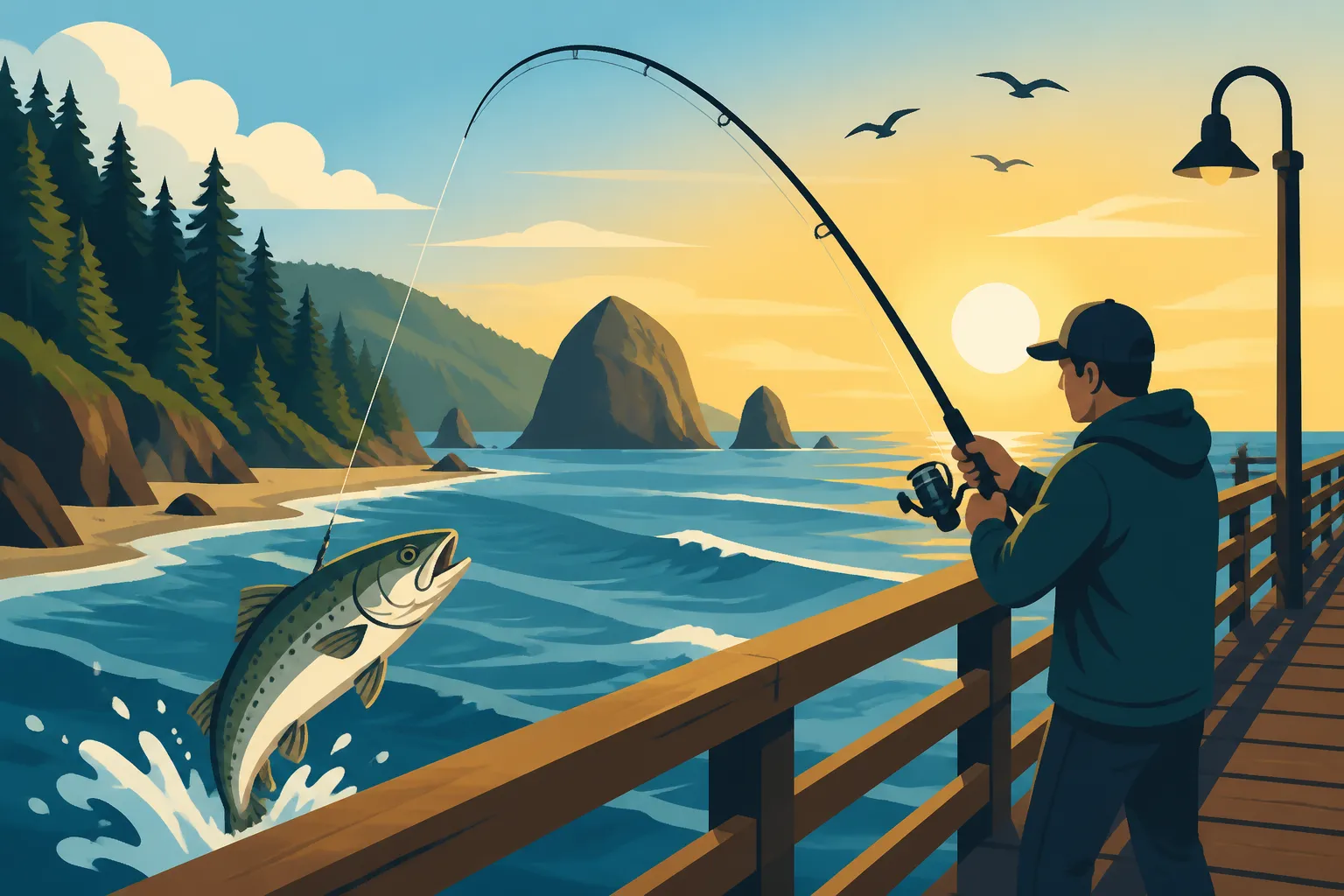
Best pier fishing spots on the Oregon coast
It's incredibly common for folks visiting Oregon's stunning coast to feel a pull toward the water, wanting to cast a line but not knowing where to begin. Maybe you don't have a boat, or the thought of deep-sea charters feels a bit intimidating, or you're just looking for a simple, accessible way to enjoy some fishing with the family. You're not alone in feeling this, and that's precisely why pier fishing is such a fantastic option. This comprehensive guide will walk you through the very best pier fishing spots along the Oregon Coast, sharing essential tips, gear recommendations, and crucial regulations to ensure your coastal angling adventure is a memorable one.
Why Pier Fishing is an Excellent Coastal Adventure
There’s something wonderfully inviting about pier fishing. It breaks down so many barriers that often keep people from trying their hand at saltwater angling. You don’t need a fancy boat or a lifetime of experience; you just need a rod, some bait, and a bit of patience.
Accessibility and Family Fun
One of the biggest draws of pier fishing, especially here in Oregon, is just how accessible it is. These structures extend out into the prime fishing grounds, giving you direct access to marine life without the need for a boat or expensive gear. Many piers are well-maintained, offer ample parking nearby, and even have restrooms and bait shops within easy walking distance, making it incredibly convenient for a spontaneous outing.
This ease of access makes pier fishing absolutely perfect for families with kids or anyone who's brand new to fishing. The wide, stable platforms offer a safe environment, far less prone to seasickness than a rocking boat. Imagine the joy of watching your child reel in their very first fish, right from the comfort of a solid pier. It's an experience that fosters a love for the outdoors and creates lasting memories without any of the usual fuss.
Beyond the practicalities, there's a unique social aspect to pier fishing that's truly enjoyable. You'll often find a friendly community of fellow anglers, all sharing the same passion. It's a fantastic opportunity to chat with locals, swap stories, and pick up invaluable tips on what bait is working or where the fish are biting that day. This shared camaraderie adds another layer of enjoyment to an already relaxing pastime.
For many, pier fishing serves as an ideal introduction to the broader world of angling. Many anglers start their journey on a pier and, after getting a taste for the sport, decide to explore other avenues, perhaps even researching charter options on platforms like FishingBooker for a deeper ocean adventure. It's a stepping stone, a place where novices can gain confidence and learn the ropes in a low-pressure environment before venturing into more specialized fishing pursuits.
Diverse Species Opportunities
When you think of pier fishing, you might imagine catching only a single type of fish. However, the beauty of Oregon's coastal piers is the surprising diversity of species you can encounter. Because these piers extend into various depths and habitats, you have the chance to target a wide array of marine creatures. It’s like a mini ecosystem right at your fingertips, offering a different surprise with every cast.
Common catches from Oregon piers include various species of perch, such as the colorful pile perch and redtail surfperch, which are often found foraging near the pilings. Flounder and sole are also frequent visitors, lurking on the sandy bottom, eager to snap up an easy meal. For those looking for a bit more action, certain piers can yield a variety of rockfish, like black rockfish or kelp greenling, especially where there are rocky structures or deeper waters nearby.
But the excitement doesn't stop there. Oregon's bays and estuaries, where many of these piers are located, are vital pathways for migratory species. Depending on the season and specific location, you might even have the thrilling chance to hook into a salmon or a steelhead making its way upriver. It's less common, but certainly not impossible, and adds an extra layer of anticipation to every fishing trip.
Perhaps one of the most popular targets for pier anglers on the Oregon Coast is the delicious Dungeness crab. Many piers are equipped for crabbing, and dropping a crab pot or ring from a pier can be incredibly productive. The anticipation of pulling up that pot, hoping for a legal-sized Dungeness, is a thrill in itself. This variety ensures that every trip to the pier holds the potential for something new and exciting, keeping anglers of all skill levels engaged.
Top Pier Fishing Spots on the Oregon Coast
Oregon’s coastline is dotted with excellent fishing piers, each offering its own unique charm and angling opportunities. From bustling bays to serene harbors, these spots are tried and true favorites for locals and visitors alike.
Newport's Historic Bayfront Piers
Newport is, without a doubt, a central hub for fishing on the Oregon Coast, and its Bayfront area boasts several fantastic piers perfect for angling. The most prominent is the Bayfront Pier, located right under the iconic Yaquina Bay Bridge. This area is a hive of activity, constantly buzzing with commercial fishing vessels, charter boats, and recreational anglers all vying for the coast's bounty.
The Bayfront Pier is especially popular for crabbing, drawing crowds with its consistent production of Dungeness and red rock crab. You'll see folks happily dropping and pulling crab pots right off the pier, the air often filled with the excited chatter of successful hauls. Beyond crabbing, it's an excellent spot for bottom fishing, with species like flounder, various perch, and occasionally even a lingcod or cabezon making an appearance. The accessibility here is superb, with ample parking (though it can fill up on busy weekends) and bait and tackle shops like Englund Marine right on the Bayfront to stock up on essentials. If you're specifically interested in the shelled critters, checking out Yaquina Bay crabbing and fishing spots will provide even more tailored information for your crab adventures.
Another notable spot in Newport is the Abbey Street Pier, also located on the bustling Bayfront. While slightly smaller, it offers similar opportunities for both fishing and crabbing. Farther south, away from the immediate Bayfront bustle, lies the South Beach Marina Pier. This pier often provides a slightly quieter experience while still offering good chances at bottom fish and crabs.
One minor frustration often encountered at Newport's piers is the sheer popularity. On sunny weekends or during prime crabbing seasons, these spots can get quite crowded. It's wise to arrive early to secure a good spot, and always be courteous of other anglers' lines and space. Despite the crowds, the lively atmosphere and consistent catches make Newport's piers a perennial favorite for many coastal anglers, especially those with families.
Garibaldi's Deepwater Pier
Heading north to Tillamook Bay, you'll discover the impressive deepwater pier in Garibaldi. This pier is a local favorite, known for its significant length that extends far out into the bay, providing access to deeper waters and, consequently, a broader range of fish species. The longer reach of the pier can sometimes mean encountering less current, making for an easier fishing experience, particularly for those new to coastal angling.
Garibaldi's pier is another fantastic destination for Dungeness crab, with many anglers specifically targeting these delicious crustaceans. But it's also a productive spot for rod and reel fishing. Anglers regularly pull in healthy surfperch and a variety of rockfish, including black rockfish and kelp greenling, especially further out where the water deepens. During specific migratory periods, particularly in the fall, there's even the exciting possibility of hooking into a Chinook salmon as they make their way through Tillamook Bay. For more detailed information about this specific area, you might find the Tillamook Bay salmon fishing spots guide helpful if you're targeting those specific runs.
The facilities around the Garibaldi pier are quite good, with plenty of parking and local businesses offering bait, tackle, and even crab pot rentals. The surrounding Tillamook Bay area is also a hub for charter services, making it a great place to start your pier fishing journey and then, if you're feeling adventurous, look into booking a guided trip. You can even check FishingBooker for guides operating out of Tillamook Bay if you're interested in exploring other fishing options after enjoying the pier. The combination of easy access, diverse catches, and nearby amenities makes Garibaldi a top-tier choice for Oregon pier fishing.
Charleston Marina Piers (Coos Bay)
Further south along the beautiful Oregon Coast, in the expansive Coos Bay estuary, you'll find the Charleston Marina area. This bustling marina isn't just a launch point for ocean charters; it also offers several excellent piers and docks that provide fantastic fishing opportunities, especially for those seeking a calmer, more protected angling environment. The waters here are generally less exposed to the open ocean's swells, making for a very comfortable experience.
The piers around the Charleston Marina are particularly renowned for their consistent crabbing. Dungeness crab are abundant in Coos Bay, and dropping a crab pot from these docks often yields impressive results. It’s a favorite activity for families, with the excitement building as each pot is slowly retrieved, hoping for a legal-sized keeper. For anglers with a rod and reel, these piers are also incredibly productive for bottom fishing.
You can expect to catch a good variety of fish here, including various species of perch, flounder, and often smaller rockfish. The protected nature of the bay means you’re often dealing with less current, making it easier to hold bottom with lighter sinkers and feel those subtle bites. It's truly a great spot for beginners to experience consistent success and build confidence. To get an even better lay of the land, you can explore guides like Coos Bay fishing access points.
What's great about Charleston is the multiple dock and pier options. If one area is getting a bit crowded or isn't producing, you can often move to another spot within the marina complex. The facilities are typically excellent, with well-maintained docks, convenient parking, bait shops, and restrooms readily available. It’s a full-service experience that caters well to both casual and dedicated pier anglers.
Depoe Bay's Historic Dock
Depoe Bay, often lauded as the "Whale Watching Capital of the Oregon Coast," also offers a surprisingly productive, albeit unique, pier fishing experience from its historic dock. This isn't a sprawling pier that stretches far into the ocean; rather, it’s a solid, short dock nestled within the world's smallest navigable harbor. Don't let its size fool you, though, as it provides immediate access to surprisingly deep and active waters.
While Depoe Bay is primarily known as a departure point for ocean charters, the dock itself is a fantastic spot for targeting rockfish. Anglers frequently catch black rockfish, kelp greenling, and various sculpin species, often by jigging with small lures or baiting up with squid or shrimp. The relatively deep water right off the dock makes it an excellent location for these bottom-dwelling species. Crabbing can also be productive here, especially during peak seasons, with crab rings dropped along the dock's edge.
The charm of fishing from Depoe Bay's historic dock lies not just in the fishing itself, but in the atmosphere. You’re right in the heart of a vibrant coastal community, watching fishing boats and whale watching charters come and go, all set against a dramatic, rocky coastline. It's an immersive experience that feels distinctly Oregonian.
Because of the compact nature of the harbor, it's an ideal spot for light tackle jigging, allowing you to feel every bite and truly engage with the fish. Plus, the convenience of nearby shops and restaurants adds to the enjoyment. If your pier fishing experience in Depoe Bay sparks a desire for more expansive ocean adventures, remember that sites like FishingBooker can readily help you find charter options departing right from this picturesque harbor.
| Pier Location | Primary Target Species | License Required for Rod/Reel | Crabbing Opportunity | Key Feature |
|---|---|---|---|---|
| Newport Bayfront | Crab, Perch, Flounder, Rockfish | Yes (12+) | Excellent | Bustling Bayfront, multiple piers |
| Garibaldi Pier | Crab, Perch, Rockfish, Salmon (seasonal) | Yes (12+) | Excellent | Long, deepwater access, Tillamook Bay |
| Charleston Marina | Crab, Perch, Flounder, Rockfish | Yes (12+) | Excellent | Protected Coos Bay, multiple docks |
| Depoe Bay Dock | Rockfish, Sculpin, Crab | Yes (12+) | Good | Historic harbor, deep water access |
Essential Gear for Your Oregon Pier Fishing Adventure
You might be thinking you need a whole arsenal of specialized equipment to fish the Oregon Coast, but for pier fishing, simplicity is often the key to success. You really don't need to break the bank to have a great time and catch some fish.
Basic Rod and Reel Setup
For most pier fishing scenarios on the Oregon Coast, a medium-action spinning rod, typically ranging from 7 to 9 feet in length, is your best bet. This length provides good casting distance to reach productive spots and helps keep your line clear of the pier pilings, which can be notorious for snags. Pair it with a matching spinning reel, sized for 2000-4000 series line, spooled with 15-30 lb monofilament or braided line. Braided line offers superior sensitivity and strength for its diameter, which can be a huge advantage when feeling subtle bites or battling a stronger fish.
Durability is a key consideration when choosing your rod and reel. Saltwater environments are incredibly harsh, and saltwater corrosion can quickly ruin inadequate gear. Look for reels with sealed bearings and corrosion-resistant components. You don't need top-of-the-line, but avoiding the cheapest options will save you headaches in the long run. Many tackle shops along the coast, including larger retailers like Bi-Mart or Fred Meyer, or even smaller independent shops, can set you up with an affordable and functional starter combo that will serve you well.
A good, versatile rod and reel combo will allow you to tackle a variety of pier fishing techniques. Whether you're casting out a high-low rig for perch or dropping a heavier bait for rockfish, a medium-action setup provides enough backbone to handle a decent catch while retaining enough sensitivity to detect those lighter nibbles. It's the workhorse of pier fishing, ready for whatever the ocean throws at you.
Remember, the goal is to get out there and enjoy yourself. Don't let the quest for "perfect" gear deter you. Start with a solid, basic setup, and you can always upgrade or specialize as you gain experience and discover your preferred fishing style. The most important thing is that your gear is functional and comfortable for you to use.
Terminal Tackle Essentials
Terminal tackle refers to all the bits and bobs at the end of your fishing line, and for pier fishing, a simple high-low rig is arguably your best friend. This versatile rig typically consists of a main leader line with two short dropper loops, where you attach your hooks, and a sinker at the very bottom. It allows you to fish multiple baits at different depths simultaneously, increasing your chances of a bite.
When it comes to hooks, having a variety is always a good idea. For smaller fish like perch and flounder, hooks in sizes #2 to 1/0 are generally appropriate. If you're targeting larger rockfish or potentially even a lingcod, you'll want to step up to 2/0 or 3/0 hooks for better hooking power and strength. Circle hooks are often recommended as they tend to hook fish in the corner of the mouth, making for easier release if you're not keeping your catch, and are safer for the fish.
Sinkers are crucial for getting your bait to the bottom and keeping it there, especially in currents. Pyramid or cannonball sinkers ranging from 1 to 4 ounces are typically used, with the weight depending on the strength of the current and the depth you're fishing. You'll also want to have a few essential tools on hand: a good pair of pliers (preferably multi-tool style with cutters), a sharp knife for cutting bait or line, and a sturdy rag or towel for handling fish and keeping your hands clean.
For those planning to add crabbing to their pier adventure, specific tackle is needed. This includes crab rings, collapsible crab traps, or full crab pots. Many coastal bait shops offer these for rent, which is a convenient option if you're just trying it out. Don't forget plenty of strong rope and a buoy to mark your gear, along with a crab gauge to ensure your catch meets legal size requirements. Having the right terminal tackle makes all the difference between a frustrating trip and a successful one.
Bait Selection for Pier Success
Choosing the right bait can truly be the secret sauce to a productive day of pier fishing on the Oregon Coast. While some anglers swear by artificial lures, nothing quite beats the appeal of natural bait for a wide variety of pier-dwelling species. Having a few different options can help you dial in what the fish are biting on a particular day.
For common bottom fish like perch, flounder, and even smaller rockfish, small pieces of shrimp are often irresistible. You can use readily available cocktail shrimp from the grocery store, or better yet, fresh raw shrimp from a local seafood market. Squid, cut into thin strips or small chunks, is another highly effective and durable bait that stays on the hook well, making it perfect for resisting smaller fish nibbles while waiting for a bigger bite. Clam necks are also a known favorite for many bottom dwellers.
If you're specifically targeting rockfish or hoping for a larger predator, cut bait can be incredibly effective. Small pieces of herring, mackerel, or anchovy, either fresh or frozen, can create a strong scent trail that attracts fish from a distance. Artificial baits, like Berkley Gulp! grubs or worms, can also be surprisingly productive, especially when tipped with a small piece of natural bait for added scent. Don't be afraid to experiment with different baits until you find what's working.
When it comes to crabbing, there are some tried-and-true favorites that Dungeness crab simply can't resist. Chicken parts, particularly legs and thighs, are a classic choice due to their strong scent and affordability. Fish carcasses, such as those from salmon or tuna, or even raw fish heads, are also fantastic attractants and often available for free or cheap from local fish markets. The stronger and smellier the bait, the better for drawing in those crabs.
Always remember that fresh bait is often superior, but high-quality frozen options are widely available at coastal grocery stores, bait shops, and sporting goods stores. Don't hesitate to ask local anglers or the staff at bait shops what has been successful recently. Their local knowledge can be invaluable in selecting the best bait for the day.
Navigating Regulations and Best Practices for Pier Anglers
Fishing responsibly is just as important as knowing where to cast your line. Understanding the local rules and practicing good etiquette ensures that everyone can enjoy Oregon’s incredible fishing resources for years to come.
Understanding Oregon Fishing License Requirements
This is one of the most frequently asked questions, and often, it's where misconceptions arise. Many people assume that fishing from a pier or dock is always license-free, but in Oregon, that's not quite the case for rod and reel angling. The general rule is this: if you are 12 years of age or older and you are using a rod and reel to catch fish, you do need an Oregon fishing license. This applies whether you're on a pier, a boat, or the bank of a river. For a comprehensive overview, checking the Oregon Fishing License Guide is always a smart first step.
However, there's a crucial distinction for crabbing and clamming. If your primary activity is dropping crab rings or pots, or digging for clams, you generally need an Oregon shellfish license, not a regular angling license. It’s a separate endorsement that covers these specific activities. Make sure to consult the Oregon Shellfish License requirements, as specific rules apply. If you're doing both, you'll need both licenses or a combination.
It's absolutely paramount to carry proof of your license while you're fishing. This can be a physical printout of your license, or increasingly, a digital copy on your smartphone. Oregon Department of Fish and Wildlife (ODFW) game wardens are active and can, and will, check licenses on piers and docks. Being prepared avoids any potential fines or disruptions to your day. You can often purchase licenses online through the ODFW website or at various local sporting goods stores and bait shops along the coast. It's usually a quick and straightforward process to get your Oregon Fishing License Cost figured out.
The good news for families is that children under the age of 12 do not need a license to angle with a rod and reel in Oregon. This makes pier fishing an incredibly accessible and affordable way to introduce youngsters to the joys of the sport. It removes a potential barrier and encourages early participation, fostering a new generation of anglers who can appreciate Oregon's natural beauty.
Common Catches and Daily Limits
Knowing what you can legally keep, and how many, is a fundamental aspect of responsible angling. Oregon has specific daily bag limits, and sometimes size limits, for various fish and shellfish species. These regulations are designed to manage fish populations sustainably and ensure healthy ecosystems for the future. Ignorance of the rules is not an excuse, so it’s your responsibility to be informed.
For the highly sought-after Dungeness crab, there are strict rules you must abide by. This includes minimum size limits (you’ll need a crab gauge to measure), and typically, only male crabs can be retained. There are also daily limits on how many you can keep. Always make sure to release any undersized crabs, females, or those beyond your daily limit gently back into the water. The best source for these rules is always the current Oregon Fishing Regulations Explained booklet or the ODFW website, which you should check before every trip.
For fish species commonly caught from piers, such as surfperch, flounder, and various rockfish, there are also bag limits. While these limits are often quite generous, they do exist. Rockfish species might have combined bag limits, meaning you can only keep a certain total number of various rockfish species. It is crucial to be able to identify your catch. If you’re unsure what kind of fish you have, or if it’s a protected species, the safest bet is always to release it gently. More details on limits can often be found in the Oregon Daily Bag Limits Explained section of the regulations.
It's also important to be aware of seasons. While many pier species are available year-round, certain species or specific areas might have seasonal closures or varying limits. For instance, specific salmon or steelhead runs will have very distinct Oregon Fishing Season Dates and Limits. Always consult the latest ODFW sport fishing regulations for the specific area you plan to fish to ensure you're compliant. Responsible identification and adherence to limits are critical for maintaining healthy fish populations and preserving the sport for everyone.
Safety and Pier Etiquette
Fishing from a pier is generally a very safe and relaxed activity, but like any outdoor pursuit, it comes with a few considerations. Being mindful of your surroundings and respectful of other anglers goes a long way in ensuring everyone has an enjoyable and safe experience.
First and foremost, always be aware of your casting space. Piers, especially popular ones, can get busy, and an errant cast can easily tangle lines, hit another person, or even cause injury. Before you cast, take a quick look around to ensure your line path is clear. If others are fishing nearby, maintain a reasonable distance and be courteous with your space. Communication is key if you need to cross lines or untangle a snag.
Safety on the pier itself is also important. Many piers, particularly in the mornings or after rain, can become wet and slippery. Watch your step, especially if you're carrying gear or handling fish. If you have young children with you, constant supervision is a must, and it's always a good idea for very young kids to wear a life jacket, especially when near the water's edge.
Beyond personal safety, practicing good environmental stewardship is crucial. Always follow the "leave no trace" principle. Pack out everything you pack in, and that includes any discarded fishing line, bait containers, food wrappers, or trash. Many piers are equipped with trash receptacles, so please use them. Lost fishing line (monofilament) can be particularly harmful to marine wildlife, so dispose of it properly. You might also find information on Oregon Catch-and-Release Rules to understand how to best handle and release fish you don't intend to keep.
Finally, pier fishing often fosters a sense of community. Don't be afraid to offer help if you see someone struggling, or ask for advice if you need it. A friendly atmosphere makes the experience better for everyone. Respect local signage regarding closures, restricted areas, or specific rules about bait or gear. By following these simple guidelines, you're not only ensuring your own safety and enjoyment but contributing to a positive experience for all who visit Oregon's beautiful fishing piers.
Disclaimer
This guide is for informational purposes only. Always consult the official Oregon Department of Fish and Wildlife (ODFW) regulations before engaging in any fishing activities, as rules, seasons, and limits can change frequently. It is the angler's responsibility to know and follow all current regulations.