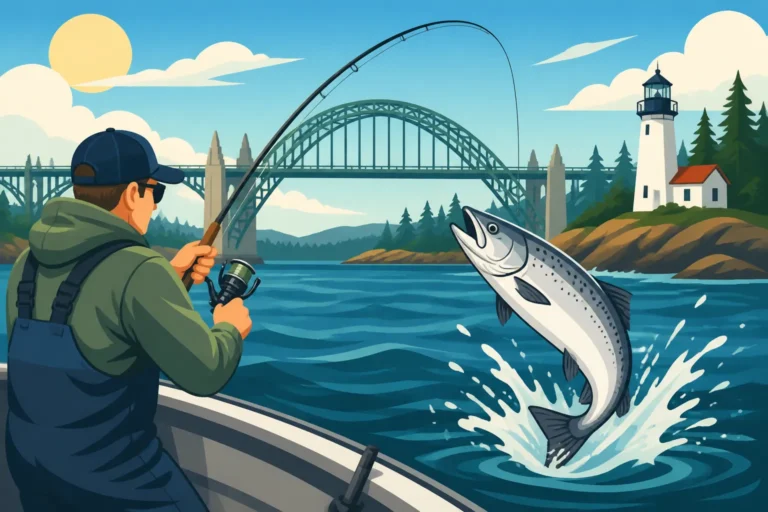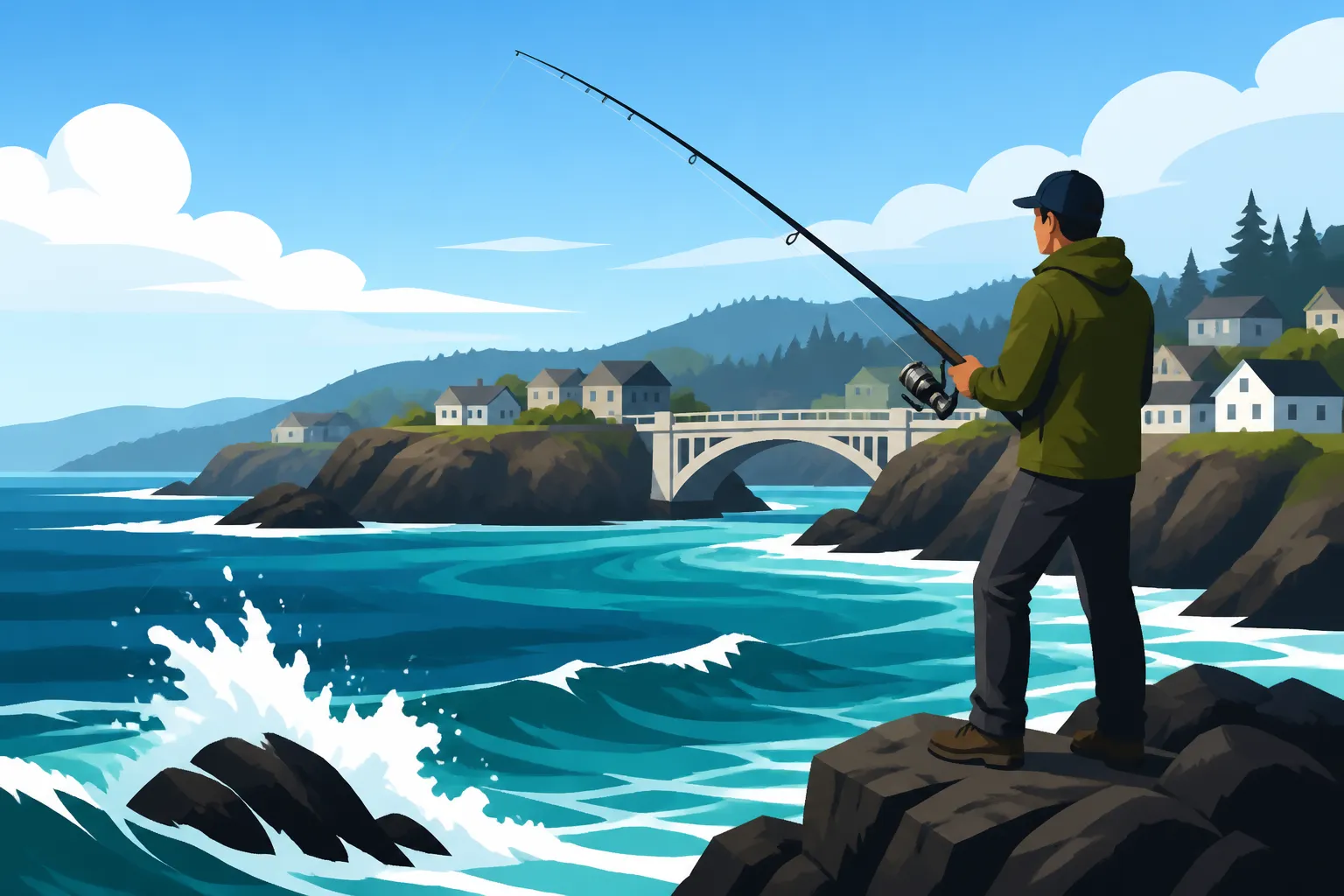
Depoe Bay fishing access for shore anglers
Finding good, accessible spots for shore angling in a picturesque coastal town like Depoe Bay can feel like hunting for treasure in a minefield of private property and treacherous rocks. It's a common frustration for many anglers who just want to cast a line without needing a boat. This guide aims to cut through that confusion, detailing the specific areas where shore anglers can actually set up, what you might catch, and crucial tips to make your Depoe Bay shore fishing experience successful and safe.
The Unique Challenges and Opportunities of Shore Angling in Depoe Bay
Depoe Bay, often called the "whale watching capital of the Oregon Coast," is undeniably beautiful, but its geography presents some real hurdles for those of us who prefer to keep our feet on solid ground while fishing. You see, unlike some other coastal towns with expansive sandy beaches or long, easily accessible piers, Depoe Bay is characterized by its dramatic, rocky shoreline and a very small, often bustling harbor. This means finding a spot where you can safely cast a line and actually reach fishable water without specialized gear or risking a slip can be quite the quest.
Navigating the Rocky Coastline and Limited Public Access
The sheer beauty of Depoe Bay's rugged coastline is precisely what makes shore angling so challenging here. You'll encounter steep cliffs, jagged lava rock formations, and powerful surf that can make much of the shoreline inaccessible or outright dangerous. Many prime fishing areas are either on private property or require navigating incredibly difficult terrain, which isn't exactly ideal for a relaxing day of fishing, especially if you're lugging a tackle box and a cooler. It's not like strolling onto a wide-open beach in other parts of Oregon; it demands a different kind of approach and a deep, healthy respect for the ocean's immense power. It’s absolutely vital to understand these unique features when planning your trip to avoid disappointment or, worse, a dangerous situation where you could get hurt.
What Makes Depoe Bay Different from Other Coastal Spots
When you think of Oregon Coast fishing, places like Pacific City, Newport, or Tillamook Bay often come to mind for their expansive beaches, well-known jetties, or large bays that offer abundant shore fishing opportunities. Depoe Bay, however, is a much smaller, more concentrated area. Its harbor is primarily designed for charter boats and private vessels heading out to the deep blue for species like halibut, tuna, or salmon. This means there aren't many dedicated public fishing piers or long, accessible jetties that extend into fish-rich waters directly from the shore. The "world's smallest harbor" description really highlights this; it's a tight, working port, not a sprawling recreational fishing hub from shore. This isn't to say it's impossible to fish from shore in Depoe Bay, but managing your expectations is key. You're generally looking for specific nooks and crannies rather than broad, easily accessible fishing zones. For those interested in broader coastal opportunities, exploring resources like FishingBooker for diverse Oregon Coast Fishing Spots can offer a valuable perspective on the types of access available across the state.
Identifying Key Public Shore Fishing Access Points in Depoe Bay
Despite the challenges, there are a few specific spots in Depoe Bay where shore anglers can find reasonable access and a decent chance at catching some fish. It’s all about knowing where to look and, frankly, being okay with limited options compared to a vast pier or beach. These spots often require a keen eye for safety and awareness of your surroundings, as conditions can change rapidly.
The Depoe Bay Seawall and Bridge
One of the most prominent and accessible spots for shore angling in Depoe Bay is undoubtedly along the historic Depoe Bay Seawall. This sturdy concrete wall lines a significant portion of the town, offering a stable, elevated platform from which to cast. It’s right there in the heart of town, making it incredibly convenient for anyone staying locally. You'll often see locals and visitors alike trying their luck here, usually targeting various bottom fish, and occasionally even salmon if they're close to the mouth of the harbor during peak seasons. The area directly under and around the Depoe Bay Bridge, particularly on the south side, can also offer some very limited access to the water's edge at very low tides, but extreme caution is advised due to incredibly slippery rocks and unpredictable waves. The beauty of the seawall is its ease of access and the bustling atmosphere, but it also means it can get quite crowded, especially during the busy tourist season.
The South Harbor Jetty and Nearby Rocky Outcrops
Depoe Bay does have jetties that protect its small harbor, but it's crucial to understand that public access to them for fishing is extremely limited or, for the most part, entirely non-existent. The main south jetty that protects the harbor entrance is generally not recommended or safe for public shore angling due to heavy boat traffic entering and exiting the harbor, dangerously treacherous conditions, and often restricted access. Attempting to fish from it can be extremely hazardous.
However, some very experienced and exceptionally cautious anglers might find small, less exposed rocky outcrops near the south side of the harbor entrance that could offer a chance to cast a line. These are absolutely not official, sanctioned access points and come with significant, inherent risks. Always, always prioritize your safety over a potential fishing spot. You need to be incredibly mindful of rogue waves, which can appear out of nowhere, rapidly incoming tides that can cut off your escape route, and constant boat traffic that can create dangerous wakes. For safe, sanctioned fishing, it is always best to stick to established and clearly marked public areas. If you're unsure about specific access points or regulations, it's always best to consult local bait and tackle shops or the Oregon Department of Fish and Wildlife (ODFW) for the most current information. FishingBooker also offers resources that can sometimes point to general fishing opportunities and guide services in the wider region, which might provide alternative perspectives on access.
Best Times and Target Species from Shore
When fishing from the Depoe Bay seawall or other accessible rocky areas, your best bets are often bottom-dwelling species. Rockfish, specifically black rockfish and kelp greenling, are common catches that provide consistent action. You might also encounter surfperch, especially if you manage to find a small patch of sandy bottom amidst the rocks. Occasionally, a hungry lingcod might surprise you if you're using larger baits or lures, though these are less common from shore.
The best time to fish often depends heavily on the tides; an incoming tide can bring baitfish closer to shore, stirring up the feeding activity and making for better action. Early mornings and late evenings are generally productive periods, as fish are often more active during these cooler, lower-light conditions. Remember, understanding Oregon Daily Bag Limits Explained and size restrictions is crucial, so always check the latest ODFW regulations booklet or website before you head out.
| Access Point | Primary Target Species | Best Time to Fish | Key Considerations |
|---|---|---|---|
| Depoe Bay Seawall | Rockfish (Black, Kelp Greenling), Surfperch, occasional Salmon (during runs) | Incoming Tide, Early Morning/Late Evening | Can be crowded, boat traffic, snag hazards, strong currents |
| Rocky Outcrops (South Side) | Rockfish, Kelp Greenling, Lingcod | Incoming Tide, Low Tide (for access) | Extreme caution, slipperiness, rogue waves, very limited safe spots, not official access |
Essential Gear, Techniques, and What You'll Need to Bring
Successfully fishing from the shore in Depoe Bay means being prepared with the right equipment and understanding the local conditions. This isn't your tranquil lake fishing setup; you'll be dealing with saltwater, rocky bottoms, and potentially strong currents that demand a more robust approach.
Recommended Rods, Reels, and Line Setup
For shore angling in Depoe Bay, you'll definitely want a sturdy setup that can handle decent-sized fish and the rigorous demands of saltwater fishing. A medium-heavy to heavy spinning rod, typically 8 to 10 feet long, is a good choice. This length provides enough leverage for casting over rocks, managing your line in currents, and fighting fish effectively. Pair it with a robust spinning reel in the 4000-6000 size range, capable of holding 200+ yards of line. You'll want a reel that's sealed and built for saltwater exposure, as the corrosive nature of the ocean can quickly degrade lesser quality gear.
When it comes to line, braided line is absolutely your friend here. A 20-30 lb braided main line offers excellent sensitivity, casting distance, and crucial abrasion resistance, which is vital when fishing around unforgiving rocks. You'll want to tie on a 2-3 foot fluorocarbon leader, usually 15-25 lb test, to your main line. Fluorocarbon is less visible underwater to wary fish and significantly more abrasion-resistant than monofilament, which is a huge advantage in rocky environments. It’s also crucial to remember that you'll likely lose some tackle to snags in these challenging conditions, so always bring plenty of extra line, leaders, and terminal tackle to replace lost rigs.
Baits, Lures, and Rigs for Shore Success
Given the target species, your bait and lure selection should focus on tempting rockfish, greenling, and surfperch, which are the most common catches from Depoe Bay's shorelines.
- Baits: Cut bait (like squid, herring, or shrimp), Gulp! Sandworms, or even chunks of fresh local mussels can be very effective. Squid is a perennial favorite for its durability on the hook and its broad appeal to various bottom fish. Fishing with bait often means using a simple bottom rig to present it effectively.
- Lures: Jigs are incredibly versatile and productive. 1/2 oz to 2 oz lead head jigs, often tipped with a soft plastic grub (paddle tails, curly tails) in natural colors like green, brown, or white, work wonders for rockfish. Casting spoons or larger swimbaits can also draw strikes from larger rockfish or even curious lingcod if they're lurking nearby. You might even consider small spinners for surfperch if you manage to find stretches with more sandy patches.
- Rigs: A common setup for shore anglers is a high-low rig (also called a dropper loop rig) with two hooks, or a simple Carolina rig with a sliding egg sinker and a leader. When fishing the seawall, a weighted jig fished vertically or cast and retrieved slowly can be very effective. The key is to keep your bait or lure near the bottom without getting constantly snagged on the rocky structure. This can be a delicate balance to master in these challenging environments. For more general insights into what to use across various Oregon waters, an article on Oregon Bait and Lure Guide might offer broader ideas.
Essential Accessories Beyond Rod and Reel
Beyond your core fishing setup, a few key items will significantly enhance your Depoe Bay shore fishing experience and, more importantly, your safety:
- Tackle Bag: Something compact but well-organized, as you might be moving between small, restricted spots.
- Pliers: Absolutely crucial for removing hooks, cutting line, and dealing with split rings, especially when handling toothy fish or trying to un-snag gear.
- Rag or Towel: For handling fish and keeping hands clean, which can be particularly useful with slimy catches.
- A Net or Gaff: A long-handled landing net or a short gaff can be essential for safely landing fish from the elevated seawall or slippery rocky ledges, where trying to hoist a fish by the line can be tricky and lead to lost fish.
- Bucket/Cooler: For safely storing your catch and keeping it fresh throughout your trip.
- Headlamp/Flashlight: If you're planning to fish at dawn or dusk, or even just heading out or packing up when light is low.
- Appropriate Footwear: Non-slip, waterproof boots with excellent traction are non-negotiable for navigating slippery, seaweed-covered rocks and avoiding wet feet from unexpected rogue waves.
- Layers of Clothing: The Oregon Coast weather can change on a dime from sunny to foggy and windy in minutes, so dressing in layers is always the smartest strategy.
- Water and Snacks: Always stay hydrated and keep your energy up, especially if you're out for a few hours.
- Sunscreen and Hat: Even on cloudy days, UV rays reflecting off the water can be surprisingly intense.
- First-Aid Kit: For minor cuts and scrapes that can happen on rocky terrain; it's always better to be prepared.
Navigating Regulations, Safety, and Respecting the Environment
Fishing in Depoe Bay, like anywhere else in Oregon, comes with a specific set of rules and environmental considerations. Adhering to these is not just about avoiding fines; it’s profoundly about ensuring your personal safety and helping to preserve Oregon's incredible fisheries for everyone, including future generations.
Understanding Oregon Fishing Licenses and Endorsements
First and foremost, if you're 12 years or older, you absolutely need an Oregon Fishing License Guide. This is not optional, even if you plan solely on catch-and-release fishing. For general saltwater fishing targeting typical bottom fish like rockfish and surfperch from shore, you typically just need the basic annual or daily angling license. However, if you venture out for shellfish like crabbing or clamming, which might be possible in certain areas around Depoe Bay, you will need an additional Oregon Shellfish License. While the "Combined Angling Tag" and specific endorsements like the Oregon Ocean Endorsement are often associated with targeting salmon, steelhead, or sturgeon, it's always critical to consult the current Oregon Sport Fishing Regulations for the most up-to-date requirements for whatever species you might encounter. You can usually find these essential booklets at local bait shops, larger sporting goods stores like Bi-Mart or Fred Meyer, or download them directly from the ODFW website. It is unequivocally your responsibility to know what's required for what you're targeting.
Crucial Safety Tips for Shore Anglers in Depoe Bay
The ocean is an awe-inspiring force of nature, powerful and beautiful, but it demands respect and caution at all times. Fishing from shore in Depoe Bay, especially on the rocky areas, carries inherent and serious risks.
- Watch the Waves: Always, always be aware of sneaker waves. These are unexpectedly large waves that can appear without warning and sweep you off your feet or pull you into the water. Never, under any circumstances, turn your back on the ocean.
- Check Tide Charts: Before you even leave home, know the tide schedule. An incoming tide can quickly cover your access points or push you into dangerous, inescapable positions on rocks. A rapidly rising tide can also create incredibly strong currents, making both fishing and maintaining your footing much harder and more dangerous.
- Slippery Rocks: The rocks in Depoe Bay are often covered in wet seaweed or moss, making them incredibly, treacherously slippery. Wear sturdy, non-slip footwear with excellent traction; flip-flops or regular sneakers just won't cut it.
- Never Fish Alone: If at all possible, fish with a buddy. In case of an emergency, having someone there can make all the difference, potentially saving a life.
- Tell Someone Your Plans: Always let someone responsible know exactly where you're going and when you expect to return. This simple step can be a lifesaver if something goes wrong.
- Personal Flotation Device (PFD): While not legally required for shore anglers, wearing a PFD when fishing from particularly exposed or precarious rocky areas is an incredibly smart and highly recommended safety precaution.
- Hypothermia Awareness: Even on a seemingly mild day, a sudden fall into the cold Pacific waters can lead to hypothermia very quickly. Always be prepared for cold, wet conditions.
Practicing Responsible Angling and Conservation
As anglers, we have a profound responsibility to protect the incredible natural resources we enjoy. Our actions directly impact the health and future of these fisheries.
- Know Your Fish: Be able to accurately identify the species you catch. This is vital for adhering to Oregon Fishing Regulations Explained regarding size limits, bag limits, and the identification of protected species. If you're unsure about a fish, the safest and most responsible action is to release it unharmed.
- Practice Catch and Release with Care: If you're releasing fish, do so as quickly and gently as possible to minimize stress and maximize their chances of survival. Using barbless hooks when appropriate can significantly reduce harm.
- Pack It In, Pack It Out: Leave absolutely no trace of your visit. Take all your trash, including discarded fishing line, bait containers, and any food wrappers, with you. Better yet, go a step further and pick up any litter you see left by others.
- Respect Private Property: Depoe Bay has many private residences and businesses along its waterfront. Only fish from designated public access areas. Trespassing not only creates a terrible image for anglers but can also lead to legal trouble and jeopardize future public access.
- Be Mindful of Wildlife: Depoe Bay is famous for its whales and other abundant marine life. Maintain a respectful distance and avoid disturbing them in their natural habitat.
By diligently following these guidelines, you're not just ensuring a safer and more successful fishing trip for yourself, but you're also actively contributing to the long-term health of Oregon's marine ecosystems and upholding the positive reputation of the angling community. Looking for more insights or even alternative fishing experiences beyond shore angling? You can often find detailed information about various fishing spots, including charter options that might access different parts of the coast, through platforms like FishingBooker, which sometimes lists guide services in nearby towns like Newport or Lincoln City.
Disclaimer
Please remember that fishing regulations, conditions, and access points can change frequently. Always consult the latest Oregon Department of Fish and Wildlife (ODFW) regulations before any fishing trip. The information provided in this guide is for general informational purposes only and should not replace official ODFW publications or local expert advice. Stay safe, and enjoy your time on the water!