Devils Lake fishing spots near Lincoln City
Trying to figure out the best places to drop a line at Devils Lake near Lincoln City can feel like searching for a needle in a haystack, especially if you're not familiar with the local waters. With its sprawling shoreline and various inlets, it's easy to feel overwhelmed, wondering where the fish are hiding and which spots offer the best chance for a successful outing. This comprehensive guide is here to break down the most productive fishing spots on Devils Lake, offering insider tips on what to target and when, so you can spend less time guessing and more time reeling in your next catch.
Understanding Devils Lake's Unique Appeal
Devils Lake, nestled right alongside Lincoln City on the beautiful Oregon Coast, isn't your typical coastal fishery. While many anglers flock to the ocean for salmon and halibut, Devils Lake offers a fantastic freshwater alternative, easily accessible and often less impacted by the unpredictable coastal weather. It’s a true local treasure, providing serene fishing experiences, often with a picturesque backdrop of rolling hills and charming lakeside homes. This lake is shallow, generally ranging from 8 to 20 feet deep, which means the water warms up faster in the spring, kicking off the fishing season a bit earlier than some deeper lakes.
Why Devils Lake is a Coastal Gem for Anglers
For those visiting the Oregon Coast, Devils Lake provides a wonderful respite from the often-busy beaches and the sometimes daunting open ocean. It's an ideal spot for families, beginners, or anyone looking for a calmer day on the water. You don't need a massive ocean-going vessel here; a small aluminum boat, kayak, or even just a fishing rod from the bank can yield great results. The accessibility from Highway 101 makes it incredibly convenient, and its location right in Lincoln City means you're never far from amenities, bait shops, or a warm cup of coffee. Plus, the lake is actively managed by the Oregon Department of Fish and Wildlife (ODFW), which regularly stocks it, ensuring a healthy population of catchable fish for everyone to enjoy.
Key Fish Species to Target
Devils Lake is primarily known for its excellent trout fishing, particularly rainbow trout, which are stocked frequently. But don't let that fool you into thinking that's all there is! The lake also holds a strong population of warm water species, providing diverse opportunities for anglers.
Here’s a rundown of what you can expect to encounter:
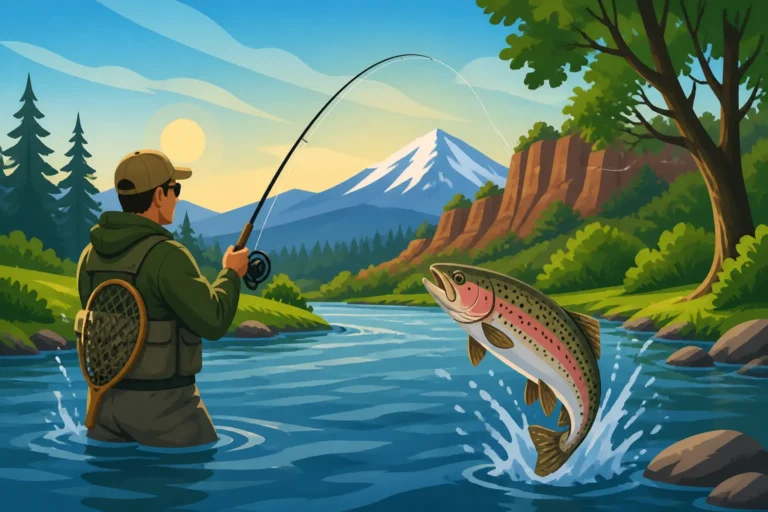
- Rainbow Trout: These are the superstars of Devils Lake, thanks to consistent stocking. You can find them throughout the lake, often congregating near cooler waters, drop-offs, or where food sources are plentiful. They're usually eager biters and a fantastic target for anglers of all skill levels.
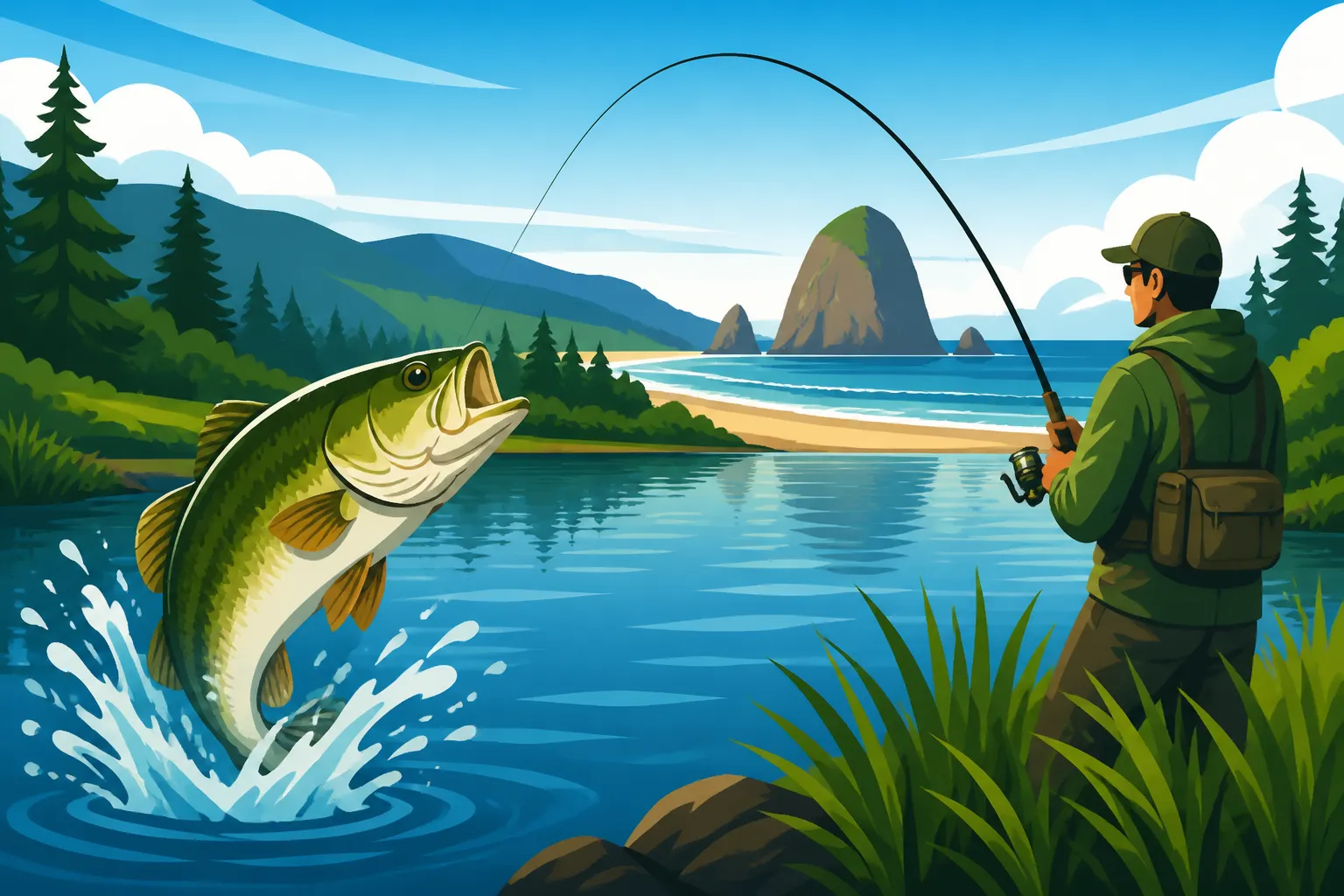
- Largemouth Bass: For those who love the fight of a hard-hitting bass, Devils Lake has some impressive largemouth. They tend to lurk in shallower, weedier areas, especially during warmer months. Targeting structures like submerged logs, docks, and lily pads can be very productive.
- Yellow Perch: These panfish are abundant and provide excellent light-tackle action, making them perfect for kids or anyone looking for steady bites. They often school up, so when you find one, you're likely to find many more.
- Brown Bullhead Catfish: If you're into night fishing or just enjoy a good catfish fight, bullheads are present in good numbers. They're bottom feeders and can grow to a respectable size, offering a different kind of angling challenge.
- Bluegill & Crappie: While not as prominent as perch, you can still find these panfish in Devils Lake, adding to the variety. They typically hang out in similar areas to perch and bass, especially around cover.
Understanding these target species will help you tailor your approach and increase your chances of success, no matter if you're chasing the colorful flash of a trout or the explosive strike of a bass.
Prime Bank Fishing Locations Around Devils Lake
One of the greatest advantages of Devils Lake is its generous public access for bank anglers. You don't need a boat to have a fantastic day fishing here. Many parks and public spaces line the shores, offering easy entry to productive waters. Before you head out, remember to check the current Oregon Fishing Regulations Explained for any specific rules regarding gear or limits in this area, and always have your Oregon Fishing License Guide handy.
Public Access Parks and Piers
Lincoln City has done a wonderful job of providing ample opportunities for shore-bound anglers. These spots are often well-maintained and family-friendly, making them ideal for a relaxed fishing trip.
- Regatta Grounds Park: This is arguably the most popular and accessible spot on Devils Lake. Located at 2710 NE 14th St, it boasts a large dock and ample shoreline access. It’s a prime location for families, especially during the spring and early summer when trout stocking is frequent. Anglers here often have success drifting power bait or worms under a bobber, or casting small spinners and spoons. The dock provides a convenient platform, and the surrounding grassy areas are perfect for setting up chairs and enjoying the day. Many anglers find that the waters around the dock itself can hold a good number of perch and trout.
- Sandpoint Park: Situated on the south side of the lake, Sandpoint Park offers a more secluded bank fishing experience compared to the bustling Regatta Grounds. It's a great spot if you prefer a bit more tranquility. The park has good shoreline access, particularly effective for targeting largemouth bass around the submerged vegetation and structure. Casting jigs, plastic worms, or topwater lures near the lily pads and reeds can yield exciting results, especially in the mornings and evenings.
- East Devils Lake State Park: While primarily a boat launch, this park at 4001 NE East Devils Lake Rd also offers some limited bank access, particularly near the launch area. It's often less crowded than Regatta Grounds, providing a quieter setting. You can often find success here with similar trout and panfish techniques as the Regatta Grounds, but it also serves as a good starting point for exploring more of the lake's eastern shore on foot if you're adventurous.
Hidden Shoreline Gems for Walk-in Anglers
Beyond the main parks, Devils Lake has several less-obvious spots that can be incredibly productive, especially if you're willing to do a bit of exploring. These areas often provide a more natural and peaceful fishing experience, away from the crowds.
- Roadside Pull-offs along NE East Devils Lake Road: As you drive along the eastern and northern sides of the lake, you'll notice several small, unmarked pull-offs where you can safely park and access the shoreline. These spots often feature reeds, submerged timber, and varying depths that can hold trout, bass, and perch. Walking a short distance from your vehicle can open up new opportunities. Just be respectful of private property and make sure you're on public land. These hidden spots are fantastic for trying out different approaches, whether it’s fly fishing for trout in quieter stretches or casting larger lures for bass. Remember, the question "Do you need a fishing license to fish from a dock in Oregon?" is just as relevant here as it is at a designated park – the answer is almost always yes, regardless of where you're fishing from!
- The Causeway Area: The narrow sections of the lake, particularly where roads or bridges cross, can create pinch points where fish congregate, especially baitfish, attracting larger predators. These areas might not have formal parking, but looking for safe shoulders or small turnouts can lead to productive bank fishing. Current can be a factor here, even in a lake, as water moves between sections, concentrating fish. Fishing Bookers lists some local guides who know these subtle spots well, if you're looking for expert local knowledge.
- Residential Areas with Public Easements: While most of the lake is bordered by private residences, some neighborhoods might have small, unmarked public easements or access points, often paths between houses or along undeveloped plots. These are harder to find and require a keen eye and respectful approach. Always be mindful of private property signs and local ordinances. When you find one, these spots can offer unique angles and undisturbed waters.
When exploring these less-known spots, always prioritize safety and adhere to local rules. A little preparation and a willingness to explore can unlock some truly memorable fishing moments on Devils Lake.
Best Boat and Kayak Fishing Zones
For those with access to a boat, kayak, or even a stand-up paddleboard, Devils Lake opens up even more possibilities. Getting out on the water allows you to reach submerged structures, deeper channels, and less-pressured areas that bank anglers simply can't access. The relatively calm waters of Devils Lake make it very friendly for smaller watercraft.
Boat Ramps and Launch Points
Having convenient access points is crucial for boat anglers, and Devils Lake provides a couple of excellent options.
- East Devils Lake State Park: Located at 4001 NE East Devils Lake Rd, this state park offers a well-maintained boat ramp that can accommodate a variety of watercraft, from small aluminum boats to larger bass boats. There's ample parking for trailers, and the launch itself is usually easy to navigate. This is often the primary launch point for most powerboat users. From here, you can easily access the eastern and northern sections of the lake, which are known for good trout and bass fishing.
- Regatta Grounds Park: While known for its bank fishing, Regatta Grounds Park also has a smaller, often hand-launch-friendly area, perfect for kayaks, canoes, and stand-up paddleboards. While not ideal for larger trailered boats, it's a fantastic spot for paddle craft. Launching from here gives you immediate access to the central and western parts of the lake, where varied depths and structures can be found. It’s a convenient option if you’re staying nearby in Lincoln City and prefer to paddle.
When using any launch, ensure your boat is properly registered and equipped with all required safety gear. Also, be mindful of other users, especially during peak seasons when the ramps can get busy.
Targeting Structure and Open Water
Once you're on the water, Devils Lake reveals its full potential. The key to successful boat fishing here is understanding where different species prefer to hang out and how to effectively present your baits or lures. This might mean adapting your Oregon Trout Fishing Techniques or even learning some new approaches for bass.
- Weed Beds and Lily Pads: The shallower areas of Devils Lake, particularly along the southern and western shores, are rich with weed beds and lily pads. These areas are prime habitat for largemouth bass and various panfish like yellow perch and bluegill. Bass will ambush prey from these dense covers. Try casting weedless jigs, plastic worms, frogs, or spinnerbaits directly into or along the edges of these patches. For perch, small jigs tipped with bait or tiny spinners worked through the lanes in the weeds can be very effective. This is where a kayak or smaller boat truly shines, allowing you to quietly maneuver into tight spots.
- Drop-offs and Channels: Despite being relatively shallow, Devils Lake has subtle contours and channels that can concentrate fish. Look for areas where the depth quickly changes from shallow flats to slightly deeper water. These drop-offs act as highways for fish, especially trout and bass, as they move between feeding and resting areas. Using a fish finder, if you have one, can reveal these hidden contours. Trolling with small spoons or spinners along these depth changes is a popular and effective method for rainbow trout. For bass, pitching jigs or crankbaits to the deeper side of the drop-off can entice strikes.
- Submerged Timber and Docks: Throughout the lake, especially near residential areas, you'll find submerged trees, stumps, and docks. These are classic fish-holding structures that provide cover, shade, and ambush points for all species. Bass, in particular, love to hide around these. Pitching jigs, Texas-rigged worms, or even skipping soft plastics under docks can be incredibly productive. For trout, casting small crankbaits or even bait fishing near the pilings of docks can yield results. Always be cautious when approaching these areas to avoid snagging your line or prop. Remember that sites like FishingBooker can connect you with guides who specialize in navigating these complex structures, perfect for beginners or those seeking local expertise.
- Open Water Trolling: In the deeper, open sections of the lake, especially during spring and fall, trolling is a highly effective method for targeting rainbow trout. Use a small boat or even a kayak with a trolling motor to pull small spoons, spinners, or bait (like a wedding ring spinner with a worm) behind your vessel. Varying your speed and depth can help you locate where the fish are holding. This is particularly good for covering a lot of water and finding active schools. Don't forget to review your Oregon Daily Bag Limits Explained before you head out, especially for trout.
Boating on Devils Lake offers a dynamic way to fish, allowing you to adapt to conditions and chase various species across different habitats.
Seasonal Fishing Strategies for Devils Lake
Like any body of water, Devils Lake's fishing patterns shift with the seasons. Understanding these changes will help you plan your trips for maximum success. The Best Time of Year to Fish in Oregon for particular species can vary greatly, and Devils Lake is no exception.
Spring and Summer Action
These are generally the most popular and productive seasons for fishing on Devils Lake, thanks to warmer weather and active fish.
- Spring (March-May): This is prime time for trout fishing. The ODFW typically conducts heavy stocking during these months, meaning there's a fresh supply of eager rainbow trout. The water is cool but beginning to warm, making trout very active. Focus on areas near the surface, especially early in the morning or late in the afternoon. PowerBait, worms, or small spinners (like Rooster Tails or Mepps) are incredibly effective from the bank or when trolling from a boat. Largemouth bass will also start to become more active as water temperatures rise, moving into shallower areas to spawn. Look for them around emerging weed beds and submerged structures. This is a great time to review articles like How to Catch Trout in Stocked Oregon Lakes for specific tips and tricks.
- Summer (June-August): While trout fishing can slow down a bit as the surface water warms, they will retreat to deeper, cooler sections of the lake, making trolling more effective. Focus on early mornings or late evenings for trout in shallower areas. However, summer is fantastic for warmwater species. Largemouth bass are highly active, feeding aggressively around weed lines, lily pads, and shaded areas under docks. Topwater lures, plastic frogs, and spinnerbaits can lead to explosive strikes. Yellow perch and other panfish are also abundant and easy to catch, especially for kids. They'll be found in schools, often near submerged vegetation or drop-offs. FishingBooker is a great resource if you're planning a trip and want to find a local guide who can help you navigate the summer patterns.
Fall and Winter Opportunities
Don't pack away your gear just because the summer sun fades; Devils Lake offers unique opportunities during the cooler months.
- Fall (September-November): As temperatures begin to drop, trout become active again, often moving back into shallower waters to feed more aggressively before winter. This can be a fantastic time for both bank and boat anglers, using similar techniques to spring. Largemouth bass will also have a "second wind" of activity, feeding heavily to bulk up for winter. They'll often be found transitioning between shallow feeding grounds and deeper wintering holes. Crankbaits, jigs, and slow-rolled spinnerbaits can be very effective for bass. Perch fishing can also remain strong, especially on sunny fall days. This season offers some of the most beautiful scenery on the lake as the leaves change.
- Winter (December-February): Winter fishing on Devils Lake can be slower, but it's not without its rewards, especially for dedicated anglers seeking solitude. Trout are still present, though often less active and holding deeper. Slow trolling or still fishing with bait (worms, PowerBait) near the bottom can entice bites. Largemouth bass will be in their wintering patterns, often suspended in deeper water or hugging bottom structures. Vertical jigging or slow-moving baits can sometimes provoke a strike, but patience is key. Catfish (brown bullheads) can also be caught year-round, often biting well during mild winter periods, especially on nightcrawlers or stink bait fished on the bottom. Remember that during the colder months, a shorter trip might be suitable, so consider options like the Oregon 1-day fishing license price if you're only planning a quick outing.
Essential Gear and Bait for Devils Lake
Having the right equipment can make all the difference between a frustrating day and a fantastic one on Devils Lake. You don't need highly specialized gear, but a thoughtful selection will serve you well for the diverse species present.
Recommended Rods, Reels, and Line
Versatility is the name of the game when fishing Devils Lake, as you might target trout one moment and bass the next.
- Light to Medium-Light Spinning Combo: For general-purpose fishing, especially for trout and panfish, a 6 to 7-foot light or medium-light action spinning rod paired with a 1000 or 2500 series spinning reel is ideal. This setup offers enough sensitivity to feel subtle bites and enough backbone to handle a decent-sized trout or bass. It's perfect for casting light lures and baits.
- Line Choice: For most applications on Devils Lake, 4 to 8-pound test monofilament or fluorocarbon line is sufficient. Monofilament is forgiving and floats, which can be good for bobber fishing, while fluorocarbon is nearly invisible underwater and has less stretch, offering better sensitivity. If you're specifically targeting larger largemouth bass in heavy cover, you might consider an 8-10 pound test braided line with a fluorocarbon leader for abrasion resistance and strength.
Top Baits and Lures
Your tackle box should be stocked with a variety of offerings to appeal to the different appetites of Devils Lake's residents.
- For Trout:
- PowerBait/Dough Bait: The classic choice for stocked rainbow trout. Mold it onto a small treble hook, float it off the bottom with a small sinker, or use it under a bobber. Different colors work on different days, so bring a variety (chartreuse, rainbow, garlic scent are often good).
- Worms: Nightcrawlers or pieces of worm are always reliable, especially when fished under a bobber or on a small hook near the bottom.
- Spinners: Small inline spinners (Rooster Tail, Mepps, Panther Martin) in sizes #0 to #3 are highly effective. Cast them out and retrieve slowly to imitate baitfish. Silver, gold, and vibrant colors like chartreuse or fire tiger often produce strikes.
- Spoons: Small casting spoons (Kastmaster, Little Cleo) in 1/8 to 1/4 ounce are excellent for covering water and mimicking injured baitfish.
- For Largemouth Bass:
- Plastic Worms/Creatures: Texas-rigged worms (senkos, trick worms) or creature baits (grubs, craws) are deadly when pitched into cover or along weed lines. Colors like green pumpkin, black, or junebug are reliable.
- Jigs: Flipping jigs or swim jigs with a trailer can be worked through heavy cover for aggressive strikes.
- Topwater Lures: Frogs, poppers, and walking baits are exciting options, especially during warmer months, fished over lily pads or along shorelines.
- Crankbaits/Spinnerbaits: Medium-diving crankbaits and spinnerbaits are great for covering water and drawing reaction strikes, particularly around drop-offs and scattered cover.
- For Panfish (Perch, Bluegill, Crappie):
- Small Jigs: Tiny jigs (1/32 to 1/16 ounce) tipped with a small piece of worm, a PowerBait nibble, or a tiny plastic grub are irresistible to panfish.
- Bobber & Worm/Maggot: A classic and effective method. Suspend a small hook with a piece of worm or a few maggots under a bobber near weed lines or structure.
- Micro Spinners: The smallest inline spinners can also entice panfish.
- For Catfish (Brown Bullhead):
- Worms: Nightcrawlers fished directly on the bottom with a slip sinker rig are highly effective.
- Stink Baits/Cut Bait: Prepared catfish baits or small pieces of cut fish can also attract bullheads, especially during warmer evenings.
Always remember to have a pair of pliers for hook removal, a tape measure for checking sizes, and a small net, especially if you plan to keep fish. Knowing the Oregon Fishing License Types Explained will ensure you have the correct permit for what you're targeting.
Devils Lake Fishing at a Glance
To give you a quick overview, here's a table summarizing the main species, best fishing spots, and peak seasons for Devils Lake:
| Species | Best Spots (Bank) | Best Spots (Boat/Kayak) | Peak Season | Recommended Bait/Lure |
|---|---|---|---|---|
| Rainbow Trout | Regatta Grounds Park, East Devils Lake State Park, roadside pull-offs | Open water (trolling), near drop-offs, cooler depths | Spring, Fall | PowerBait, worms, small spinners, spoons, wedding ring spinners |
| Largemouth Bass | Sandpoint Park, weed-lined shores, docks | Weed beds, lily pads, submerged timber, docks, drop-offs | Summer, late Spring, early Fall | Plastic worms, jigs, topwater lures, spinnerbaits, crankbaits |
| Yellow Perch | Regatta Grounds Park, Sandpoint Park, weed edges | Weed beds, docks, brush piles, schooling areas | Spring, Summer, Fall | Small jigs (tipped), worms, tiny spinners |
| Brown Bullhead | Deeper holes, mucky bottoms, shaded areas | Deeper channels, areas with woody debris, soft bottoms | Summer, late Spring | Nightcrawlers, stink baits, cut bait |
This table provides a quick reference, but remember that fish can be unpredictable, and adapting to conditions is always key!
Disclaimer
The information provided in this guide is for general informational purposes only and is subject to change. Fishing regulations, seasons, and stocking schedules are set by the Oregon Department of Fish and Wildlife (ODFW) and can be modified at any time. Always consult the official ODFW website or the most current Oregon Sport Fishing Regulations booklet before heading out to fish. It is your responsibility to know and follow all applicable laws and regulations. Fishing conditions can vary with weather and other environmental factors.