Foster Reservoir fishing spots
Finding the perfect fishing spot, especially when you're exploring a new body of water, can feel like trying to solve a puzzle. You want to know where the fish are hiding, what they're biting on, and how to get there without a hitch. This comprehensive guide is here to unravel the mysteries of Foster Reservoir, helping you pinpoint the best fishing spots and techniques for a successful and enjoyable day on the water.
Understanding Foster Reservoir: A Central Oregon Gem
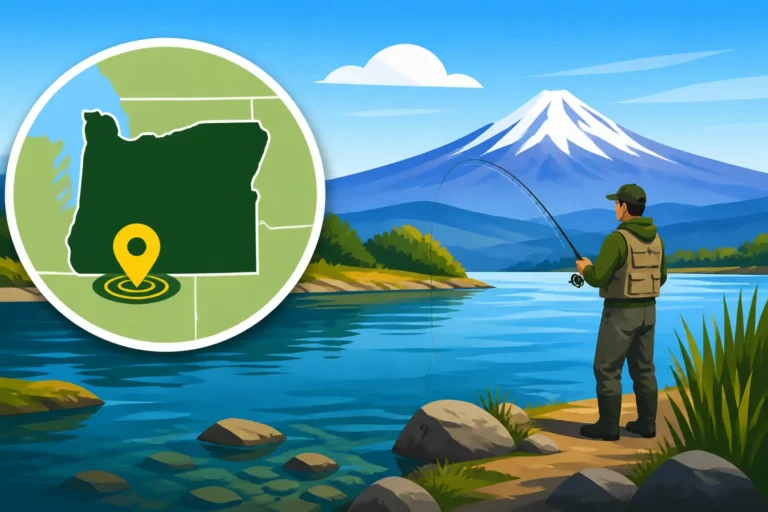
Foster Reservoir is more than just a pretty place; it's a vital part of the Sweet Home community in Linn County and a fantastic recreational hub for anglers. Nestled in the foothills of the Cascade Mountains, this reservoir, formed by the Foster Dam on the South Santiam River, offers a diverse fishery and breathtaking scenery. It’s a place where families make memories, and serious anglers chase their next big catch.
Reservoir Overview and Fish Species
Foster Reservoir is a relatively large impoundment, boasting over 1,200 surface acres at full pool and about 30 miles of shoreline. Its primary purpose is hydroelectric power generation and flood control, but it also provides a wonderful habitat for a variety of fish species. The water levels can fluctuate throughout the year, especially during dry summers or heavy winter rains, which is something seasoned local anglers always keep an eye on. These fluctuations can definitely impact access and where the fish decide to hang out.
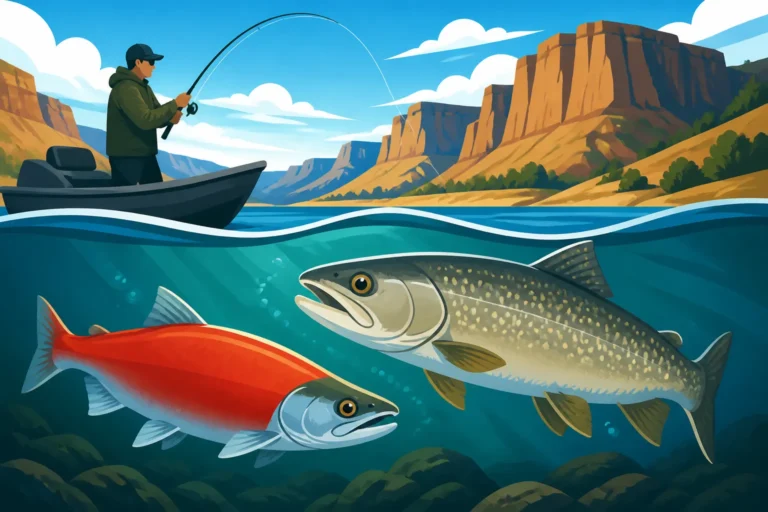
When you drop a line in Foster, you'll find yourself in pursuit of several popular species. The Oregon Department of Fish and Wildlife (ODFW) regularly stocks Foster Reservoir with rainbow trout, making it a prime destination for trout enthusiasts, especially in the spring and fall. But it’s not just about trout! You'll also encounter respectable populations of kokanee salmon, particularly in the deeper, cooler parts of the reservoir. For those who love a good fight, both smallmouth bass and largemouth bass thrive here, often lurking around structure. And let's not forget the abundant panfish like yellow perch and crappie, which are always a hit with kids and offer consistent action. If you're a fan of night fishing, the reservoir also holds a healthy population of brown bullhead catfish. It's truly a diverse fishery, offering something for every angler.
Best Times to Visit Foster Reservoir
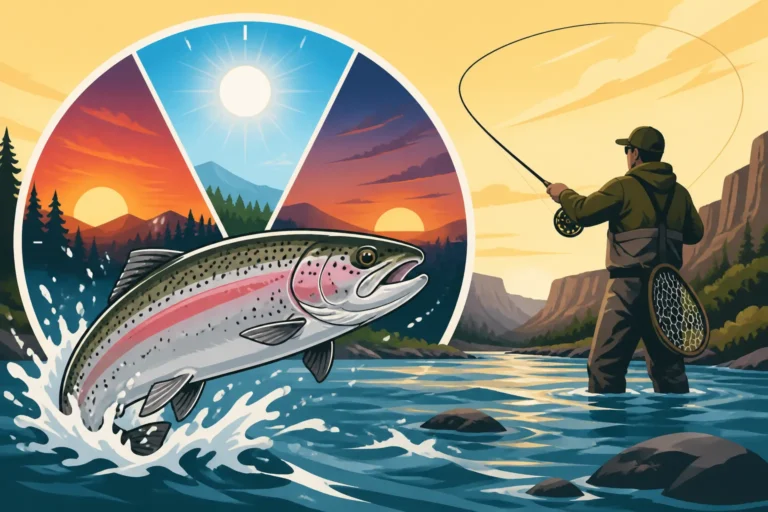
Timing your visit to Foster Reservoir can significantly impact your success, as different seasons favor different species and fishing conditions. It's not just about the weather; it's about the fish activity and water levels.
Spring (April – June): This is arguably one of the best times to visit. The water is warming up, and the ODFW is usually busy stocking rainbow trout, often multiple times. These fresh stockers are typically eager to bite. Bass also become very active during this period as they move into shallower waters for their spawning cycles. The weather is generally pleasant, and the crowds haven't fully descended yet, offering a more peaceful experience. For those interested in trout, understanding the best time to visit for this species can be found in our guide on the Oregon Trout Season Opening Day
Summer (July – August): Summer at Foster is fantastic for warmwater species like bass, perch, and crappie. The reservoir gets busier with recreational boaters, so early mornings and late evenings often provide the best fishing opportunities and a quieter experience. While trout can be harder to catch in the heat, they will move to deeper, cooler waters, often requiring trolling or deep jigging techniques. Don't forget to pack plenty of water and sunscreen!
Fall (September – November): As temperatures cool, the trout fishing picks up again, especially if there are late-season stockings. Kokanee salmon also become more active and can be targeted as they begin their spawning runs. Bass fishing remains strong, with the fish actively feeding before winter. The changing leaves around the reservoir add a beautiful backdrop to your fishing adventure.
Winter (December – March): Winter fishing at Foster is often slower, but it can still be productive for hardy anglers. You might find some sluggish bass in deeper areas, and trout can still be caught, albeit less frequently. This is also when water levels can be at their lowest or highest depending on rainfall and dam operations, so always check conditions before heading out.
No matter the season, remember to always check the latest ODFW fishing reports for current conditions and stocking schedules. A quick look at a fishing forecast platform like FishingBooker can also give you insights into local conditions and recent angler success.
Prime Fishing Spots and Access Points at Foster Reservoir
One of the great things about Foster Reservoir is the variety of fishing spots, ranging from easily accessible shorelines to hidden coves only reachable by boat. Knowing where to go can make all the difference.
Accessible Shoreline Fishing Locations
For many anglers, especially those with families or without a boat, shoreline access is paramount. Foster Reservoir offers several excellent spots where you can cast a line from solid ground.
Lewis Creek Park: This is a fantastic option for families and those looking for convenience. Lewis Creek Park, located on the northern side of the reservoir, offers easy access to the water's edge, picnic areas, and restrooms. The park features a designated fishing pier, making it incredibly popular, especially after trout stockings. You'll often see kids reeling in their first trout here, and it's a great place to introduce someone to the joy of fishing. The bottom drops off relatively quickly, providing access to deeper water for both bait fishing and casting lures. It's also an excellent spot for targeting yellow perch and crappie, which often congregate around the structure of the docks or submerged vegetation nearby.
Foster Lake Boat Launch/Marina: While primarily a boat launch, the marina area itself offers some excellent bank fishing opportunities. There are often docks and open shoreline where you can cast out, particularly good for trout after stockings. The convenience of nearby amenities, including tackle shops and bait, makes it a popular choice. Just be mindful of boat traffic, especially on busy weekends. The deeper water close to the launch can also hold kokanee and larger trout.
Wiley Creek Park: Situated on the southern side of the reservoir, Wiley Creek Park offers a more rustic experience with camping options, day-use areas, and several spots along the bank where you can fish. It tends to be a bit less crowded than Lewis Creek, providing a more serene environment. This area is known for good trout fishing, especially near the creek mouth where the cool water attracts them. Bass anglers can also find success here, casting into the brushy shoreline and submerged timber.
Beyond these main parks, there are numerous smaller pull-offs and informal trails around the reservoir that can lead to promising, less-fished areas. Exploring these can often yield surprising results, particularly for those seeking solitude and a challenge. Always be respectful of private property and watch your footing, especially with fluctuating water levels.
Boating and Kayak Fishing Hotspots
For those with a boat or kayak, Foster Reservoir truly opens up, offering access to prime fishing grounds that shore anglers can't reach. This is where you can chase bigger fish and explore more diverse habitats.
The Main Channel and Deeper Waters: The middle of the reservoir, particularly along the old river channel, is a prime location for kokanee salmon and larger, holdover rainbow trout. These fish prefer cooler, deeper water, especially during the warmer months. Trolling with downriggers or leaded line is the most effective method here. Look for schools of fish on your fish finder, often suspended at various depths. This area is also excellent for vertical jigging if you find a concentration of fish.
Coves and Inlets: The numerous coves and inlets around Foster Reservoir are absolute goldmines for smallmouth and largemouth bass, as well as panfish like crappie and perch. These shallower, sheltered areas often feature submerged timber, rock piles, brush, and weed beds – all classic bass and panfish habitat.
- Thistle Creek Inlet: A popular spot, especially for bass, with plenty of submerged cover.
- Quartzville Creek Inlet: Offers good structure and can be a hot spot for bass.
- The upper reaches of the reservoir: Towards the confluence of the South Santiam River, you'll find shallower, warmer water and more vegetation, which is ideal for largemouth bass and crappie. Look for fallen trees and dense brush where these fish love to hide and ambush prey.
The Upper River Section (South Santiam Influence): While Foster Reservoir is primarily a lake fishery, the upper section where the South Santiam River feeds in can offer unique opportunities, especially during certain times of the year when steelhead or salmon might be migrating upstream. However, fishing in this transition zone is highly regulated, and specific rules apply to migratory fish. Always consult the current Oregon Fishing Regulations Explained and ensure you have any necessary endorsements, like an Oregon Combined Angling Tag Guide if targeting salmon or steelhead.
When boating, always keep an eye on water levels. Some coves and shallower areas can become unnavigable during low water periods, potentially stranding your boat or kayak. A reliable GPS and depth finder are invaluable tools for navigating Foster's contours.
Unique Opportunities: Fly Fishing and Night Fishing
Foster Reservoir isn't just for conventional tackle; it also offers some intriguing niche opportunities for the adventurous angler.
Fly Fishing: While not as famous a fly-fishing destination as rivers like the Deschutes, Foster Reservoir can offer rewarding experiences, especially for trout. In the spring and fall, when trout are more active in shallower waters, fly anglers can have great success, particularly near the inlets where fresh water flows in. During insect hatches, dry flies can be effective, but often, nymphs, streamers, and woolly buggers fished on sinking lines will produce more consistent results. Early mornings or late evenings are often the best times. Our guide on Oregon Fly Fishing Techniques can provide more detailed insights for those looking to cast a fly.
Night Fishing: For those who enjoy the tranquility and mystery of fishing after dark, Foster Reservoir can be surprisingly productive, particularly for brown bullhead catfish and crappie. Catfish are nocturnal feeders, using their whiskers to locate food on the bottom. Fishing with smelly baits like chicken livers, worms, or commercially prepared catfish baits on a simple bottom rig can yield excellent results. Crappie also become very active at night, especially around submerged brush piles or docks with lights, where they'll feed on baitfish attracted to the light. Always prioritize safety, tell someone where you're going, bring appropriate lighting, and be aware of your surroundings. Check regulations as well, as some areas may have specific nighttime restrictions.
Essential Gear and Techniques for Foster Reservoir Success
Having the right tools and knowing how to use them effectively can drastically improve your chances of success at Foster Reservoir. You don't need a boatload of expensive gear, but a thoughtful selection will certainly help.
Recommended Tackle and Baits for Different Species
Matching your gear to your target species is key. Here's a breakdown of what works well at Foster:
Rainbow Trout:
- Rods & Reels: Light to medium-light spinning rods (6-7 feet) paired with a 2000-2500 series spinning reel.
- Line: 4-6 lb monofilament or fluorocarbon.
- Baits: PowerBait (especially chartreuse, rainbow, or garlic scents), worms (nightcrawlers, red wigglers), corn. Fishing these on a simple slip-sinker rig off the bottom or under a bobber can be very effective, particularly for stocked trout.
- Lures: Small inline spinners (Mepps, Rooster Tail, Panther Martin) in sizes #0-2, small spoons (Kastmaster, Little Cleo) in 1/8 to 1/4 oz. Trolling with these can also be productive. Check out our guide on Best Bait for Oregon Trout Fishing for more ideas.
Smallmouth & Largemouth Bass:
- Rods & Reels: Medium to medium-heavy spinning or casting rods (6'6" – 7'6") with matching reels.
- Line: 8-12 lb fluorocarbon or monofilament, or braided line with a fluorocarbon leader.
- Lures:
- Soft Plastics: Senkos, tubes, grubs, creature baits (rigged Texas or Carolina style) for working submerged structure.
- Crankbaits: Medium-diving crankbaits that match local baitfish or crawfish colors.
- Jigs: Flipping jigs or football jigs for probing deeper cover.
- Topwater: Poppers, walk-the-dog lures for exciting surface action in low light.
- Techniques: Casting to visible structure (docks, fallen trees), working ledges, drop-offs, and points. Our Oregon Bass Fishing Guide has more specific information on targeting these aggressive fish.
Kokanee Salmon:
- Rods & Reels: Light action trolling rods (7-9 feet) with line counter reels are popular.
- Line: 8-10 lb monofilament.
- Trolling Gear: Small dodgers or flashers paired with wedding rings, hoochies, or small kokanee bugs (e.g., Paulina Peak Tackle). Tipping lures with shoepeg corn marinated in scent (garlic, anise) is often crucial.
- Depth: Downriggers or leaded line are essential for reaching the depths where kokanee hold, usually 20-50 feet. Further insights into these delicious fish can be found in our Kokanee Salmon in Oregon guide.
Panfish (Yellow Perch, Crappie):
- Rods & Reels: Ultralight spinning rods (5-6 feet) with small reels.
- Line: 2-4 lb monofilament.
- Baits: Small pieces of worm, mealworms, grubs.
- Lures: Tiny jigs (1/32 to 1/16 oz) tipped with a small plastic grub or bait, small spinners.
- Techniques: Fishing under a bobber around docks, submerged brush, or weed lines. Our Oregon Warmwater Fish Species article has more information on panfish tactics.
Brown Bullhead Catfish:
- Rods & Reels: Medium action spinning or casting rods (6-7 feet).
- Line: 10-15 lb monofilament.
- Baits: Chicken livers, cut bait (like pieces of sardine), nightcrawlers, commercially prepared stink baits.
- Rigs: Simple bottom rig with an egg sinker above a swivel, then a 12-18 inch leader to a size 2-4 circle hook. More details can be found in our Oregon Catfish Guide.
Techniques to Master for Foster Reservoir
It's not just what you use, but how you use it. Mastering a few key techniques will give you a significant advantage.
Bank Fishing: This is often the starting point for many anglers at Foster.
- Bobber Fishing: Excellent for trout and panfish, especially near the shore or docks. Adjust your bobber stop to set your bait at the desired depth, typically 5-15 feet for trout.
- Bottom Bouncing: For trout or catfish, use a slip-sinker rig to present your bait directly on the bottom. This allows the fish to take the bait without feeling the weight of the sinker.
- Casting and Retrieving: For trout and bass, casting spinners, spoons, or crankbaits from the bank and retrieving them at varying speeds and depths can draw strikes. Try a stop-and-go retrieve to add action.
Boat Fishing: Having a boat opens up a world of possibilities for covering water and reaching different depths.
- Trolling: As mentioned for kokanee and deeper trout, trolling is about covering large areas while presenting your lure at a consistent depth and speed. Experiment with different speeds (1.0-2.5 mph typically) and lure colors until you find what the fish prefer.
- Casting to Structure: For bass, motor slowly along the shoreline or over submerged humps, casting soft plastics, jigs, or crankbaits to any visible or imagined structure. Fan-casting helps cover the area efficiently.
- Vertical Jigging: If your fish finder lights up with a school of kokanee or trout suspended at a certain depth, dropping a small jig or spoon directly onto them can be incredibly effective. This is an active technique that can yield quick results once you find the fish.
Reading the Water: This is an overarching skill that applies to all techniques.
- Identify Structure: Look for anything that breaks up the uniformity of the water – fallen trees, rock piles, sudden drop-offs, weed beds, docks, or even changes in the bottom composition. Fish, especially bass and panfish, are drawn to structure for cover, ambush points, and foraging opportunities.
- Observe Currents and Inflows: Near the river inlet or where smaller creeks enter, these currents can carry food and attract fish. Trout, in particular, will often hold in these areas.
- Monitor Water Temperature: Temperature plays a huge role in fish activity. Fish tend to be most active in their preferred temperature ranges. A surface thermometer can give you clues about where different species might be holding.
Remember, fishing is often about trial and error. Don't be afraid to experiment with different baits, lures, and techniques until you find what works on a particular day. Sometimes, what worked yesterday won't work today, and that's just part of the fun!
Navigating Regulations and Responsible Angling at Foster Reservoir
Fishing is a privilege, and respecting the rules and the environment ensures that Foster Reservoir remains a fantastic resource for generations to come. It’s not just about catching fish, it’s about preserving the experience.
Understanding Oregon Fishing Regulations
Oregon has specific fishing regulations designed to manage fish populations and ensure sustainable angling. It is absolutely crucial to be familiar with these rules before you even wet a line.
The ODFW Regulations Booklet: Your first and most important resource is the current Oregon Sport Fishing Regulations booklet. This guide details statewide regulations, as well as specific rules for individual water bodies like Foster Reservoir. These booklets are available at license vendors and online through the ODFW website. Regulations can change annually, and sometimes even within a season due to emergency closures or adjustments, so always make sure you have the most up-to-date information. Our dedicated guide, Oregon Fishing Regulations Explained, delves into this in more detail.
Key Regulations for Foster Reservoir:
- Fishing License: Anyone 12 years or older needs an Oregon Fishing License Guide to fish in Oregon. You can easily purchase one online through the ODFW website or at various vendors like local sporting goods stores. Our post on Where to Buy an Oregon Fishing License can help you find a spot.
- Bag Limits: Foster Reservoir generally falls under statewide bag limits for species like rainbow trout, smallmouth bass, and yellow perch. However, always double-check for any special regulations specific to Foster, as these can vary. For instance, sometimes there are different limits for stocked trout versus wild trout, or no limits on invasive species. Information on general limits can be found in our Oregon Daily Bag Limits Explained article.
- Size Limits: Some species, like bass or certain trout, might have minimum or maximum size limits. Ensure you know these limits to stay compliant.
- Methods of Take: Be aware of restrictions on methods (e.g., barbed vs. barbless hooks, bait restrictions in certain areas). While Foster is generally open to various methods, it’s always good to confirm.
- Combined Angling Tag: If you plan on targeting salmon or steelhead in the river section feeding into Foster (or if they migrate into the reservoir), you’ll likely need an Oregon Combined Angling Tag in addition to your annual license. This is crucial for tracking harvests of these migratory species.
Stay Informed: Beyond the main booklet, emergency regulations or updates are often posted on the ODFW website. Check these regularly, especially if you're planning a trip. Platforms like FishingBooker can sometimes provide quick links to current regulations, but always defer to the official ODFW sources.
Conservation and Lake Etiquette
Being a responsible angler goes beyond just following the rules; it's about being a good steward of the environment and respectful of others.
Leave No Trace: This principle is paramount. Pack out everything you pack in, and perhaps even a little extra litter if you see it. This includes fishing line, bait containers, food wrappers, and anything else. Let's keep our beautiful reservoirs pristine.
Safe Catch-and-Release: If you're practicing catch-and-release, especially for species like bass or larger trout, handle the fish as little as possible. Wet your hands before touching them to protect their protective slime layer, use barbless hooks for easier removal, and release them quickly and gently. Proper catch-and-release techniques ensure fish survival and future angling opportunities.
Respect Other Anglers and Property: Foster Reservoir is a popular spot, often shared with other boaters, swimmers, and campers. Give other anglers plenty of space, avoid loud noises, and understand that courtesy goes a long way. Always be aware of private property boundaries when fishing from the bank.
Preventing Invasive Species: Be diligent about cleaning your boat, trailer, and fishing gear (especially waders and boots) to prevent the spread of invasive species. These can wreak havoc on local ecosystems and impact fishing quality. "Clean, Drain, Dry" is a simple mantra to follow.
By following these guidelines, you're not just ensuring a pleasant day for yourself, but you're also contributing to the health and longevity of Foster Reservoir's fishery, allowing everyone to enjoy this Oregon gem for years to come. An annual angling license is a small price to pay to support these conservation efforts and enjoy the incredible fishing opportunities Oregon provides.
Foster Reservoir Fishing Overview
Here's a quick summary of what you can expect when fishing at Foster Reservoir:
| Species | Best Season | Prime Locations | Recommended Baits/Lures | Notes |
|---|---|---|---|---|
| Rainbow Trout | Spring, Fall | Lewis Creek Park, Marina, Wiley Creek Park, Deeper Channels | PowerBait, Worms, Small Spinners, Spoons | Heavily stocked; excellent for bank anglers. |
| Kokanee Salmon | Summer, Fall | Main Channel, Deeper Open Water | Dodgers, Wedding Rings, Small Hoochies (tipped with corn) | Trolling is key; requires depth control. |
| Smallmouth Bass | Spring, Summer, Fall | Rocky points, Submerged Timber, Inlets, Coves | Soft Plastics, Crankbaits, Jigs | Aggressive fighters; found throughout the reservoir. |
| Largemouth Bass | Spring, Summer, Fall | Weedy Coves, Shallow Inlets, Brush Piles | Soft Plastics, Topwater, Jigs | Prefer warmer, shallower, and more vegetated areas. |
| Yellow Perch | Year-round | Docks, Brush Piles, Submerged Vegetation, Inlets | Worms, Small Jigs, Crappie Nibs | Abundant, great for kids; good table fare. |
| Crappie | Spring, Summer, Fall | Submerged Timber, Docks, Brush Piles, Inlets | Small Jigs, Minnows, Worms | Often school; can be very active at night. |
| Brown Bullhead Catfish | Summer, Fall, Night | Deeper holes, Soft Bottom Areas, Inlets | Chicken Livers, Worms, Stink Baits | Nocturnal feeders; excellent for night fishing. |
Disclaimer
Fishing conditions and regulations in Oregon can change. Always check the latest Oregon Department of Fish and Wildlife (ODFW) regulations before heading out. This guide is for informational purposes only and does not supersede official ODFW publications. Please fish responsibly and prioritize safety.