Best spots on the Rogue River for steelhead
Oh, the Rogue River! It's one of those legendary Oregon waterways that whispers promises of chrome-bright steelhead, but finding the spot can feel like trying to locate a hidden treasure map without any X’s marked. You've heard the stories, seen the photos, but when you actually get out there, the vastness of the river and the sheer number of potential bends and pools can be intimidating. It's frustrating to drive all that way, gear up, and then just guess where to cast. But don't you worry, because this guide is all about cutting through that uncertainty to pinpoint some of the absolute best spots on the Rogue River where you can actually connect with those incredible steelhead.
Understanding Rogue River Steelhead: Runs and Habits
Before we dive into specific locations, let's talk a little about the stars of the show: Rogue River steelhead. These aren't just any trout; they're magnificent, ocean-going rainbow trout that return to the river in distinct "runs." Knowing when and why they're in certain parts of the river is half the battle won, and it makes all the difference in your fishing strategy.
Summer Steelhead: The Acrobats of the Rogue
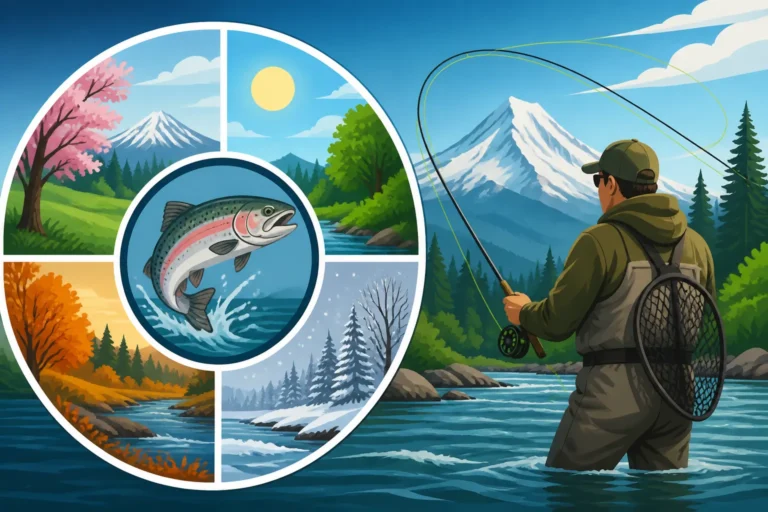
When we talk about summer steelhead on the Rogue, we're talking about pure athleticism and a fight that will test your tackle and your resolve. These fish typically begin entering the river in late spring and early summer, with the peak of the run often hitting its stride from July through October. They're often referred to as "half-pounders" when they're younger and smaller, but don't let that fool you – even these can put up an incredible aerial display. Larger summer-run steelhead are also present and will give you a battle you won't soon forget.
They prefer cooler, well-oxygenated water, so you'll often find them holding in faster currents, riffles, and the heads of pools. As the summer progresses and water temperatures rise, they'll push further upstream, seeking out colder tributary inflows and deeper holding water. Their diet is primarily insects when they're in the river, making them prime targets for fly anglers, but they'll also aggressively hit small spinners, spoons, and various drift fishing presentations. Their willingness to chase a swung fly or a drifted bait makes them incredibly exciting to pursue. Understanding their typical movements can greatly enhance your chances, as different parts of the river become productive at different times.
Winter Steelhead: The Powerful Brawlers
While summer steelhead offer acrobatic thrills, winter steelhead are often sought for their sheer size and brute strength. These formidable fish usually start showing up in the lower river around late November or early December, with the run building through January and February, and extending well into March and sometimes even April. Unlike their summer counterparts, winter steelhead are primarily focused on getting to their spawning grounds, so they're often larger and pack an incredible punch.
During the colder months, the river conditions can be tough – higher flows, colder water, and often less visibility. This means winter steelhead tend to hold in different kinds of water: slower, deeper pools, current seams along riverbanks, and behind significant structure where they can conserve energy. They're less likely to chase a fast-moving presentation, often preferring a slower, more deliberate drift. Popular techniques include drift fishing with roe, yarn, or Cheaters, bobber-dogging, and sometimes spey casting with larger, slower-swung flies. Landing one of these chrome beasts in the chill of winter is a trophy experience for any angler. You'll need to be patient, persistent, and prepared for the elements, but the reward is absolutely worth it.
Gear Considerations for Rogue Steelhead
Whether you're targeting summer or winter steelhead, having the right gear is crucial. For summer runs, especially if you're fly fishing, a 7- or 8-weight rod is pretty standard. If you're drifting or casting lures, a medium-heavy spinning or casting rod in the 8'6" to 10'6" range is ideal. Winter steelhead, given their size and the heavier water, often call for slightly beefier setups, sometimes even stepping up to a 9-weight fly rod or a stouter conventional rod.
Terminal tackle will vary widely, from small egg patterns and nymphs for summer fly fishing to larger jigs and bait for winter. Always check the latest Oregon Fishing Regulations Explained for specific gear restrictions, as some areas or times of year might have rules about barbless hooks or bait use. A good pair of waders and sturdy wading boots are almost always a necessity for bank access, allowing you to cover more water and position yourself for the best drifts.
Prime Steelhead Havens on the Upper and Middle Rogue
The Rogue River is a long and varied waterway, offering distinct fishing experiences as you move from its headwaters down to the Pacific. For many steelhead anglers, the upper and middle sections are where the magic truly happens, especially for those pursuing summer steelhead with a fly rod.
The Gold Ray Dam to TouVelle State Park Stretch
This particular section, just upstream from Gold Hill, is a phenomenal starting point for summer steelhead, especially earlier in the run. The removal of the Gold Ray Dam years ago has really opened up fish passage, creating a more natural flow and new holding water. Fish stack up in this area as they migrate upstream.
You'll find plenty of public access points here, making it a favorite for both bank anglers and those floating in drift boats or rafts. TouVelle State Park itself offers excellent bank access, with easy wading in many areas. Look for the riffles and current seams where the river breaks from faster water into slower, deeper pools. These are classic holding spots for summer steelhead eager to grab a meal. Fly anglers often do well here with nymphing techniques, dead-drifting stoneflies, Caddis, or Mayfly patterns. For conventional anglers, small spinners like Rooster Tails or Blue Fox, or drifted offerings of roe or worms, can be very effective. This stretch stays productive for a good part of the summer run, offering consistent action when conditions are right. If you’re looking for a good starting point to try out Oregon Steelhead Fishing Techniques, this area is certainly worth exploring.
Shady Cove to McLeod River Confluence
Moving further upstream, the stretch between Shady Cove and the confluence with the McLeod River is quintessential Rogue River steelhead water. This area is famous for its drift boat opportunities, offering miles of scenic floats that cover a variety of water types, from fast riffles to long, deep pools. It's a prime destination throughout the summer and into the early winter steelhead runs.
Shady Cove is a well-known put-in spot, and from there, you can spend a full day or multiple days floating down to various take-out points. The constant change in scenery and water features keeps things interesting, and experienced guides often work this section intensively. For summer steelhead, you'll want to focus on the faster water, particularly the heads and tails of pools, and any distinct current seams. Swinging flies, especially classic steelhead patterns, can be incredibly effective here, providing that thrilling tug you crave. Conventional anglers will find success with drift gear, working baits or yarn through likely holding lies. When the winter runs start to trickle in, focus your efforts on the slower, deeper sections and behind large boulders or structure that provide a break from the main current. This area is truly a gem within the Rogue River Fishing Guide and offers a comprehensive steelhead experience.
Hellgate Canyon and Grants Pass Area
South of Grants Pass lies the dramatic Hellgate Canyon, a rugged and beautiful stretch of the Rogue. This area is primarily accessed by drift boats, offering some of the most challenging but ultimately rewarding steelhead fishing experiences on the river. The canyon's deep pools, turbulent rapids, and rocky structure create ideal holding water for both summer and winter steelhead.
Fishing through Hellgate Canyon requires skill and a good understanding of river navigation, making it a popular choice for guided trips. Guides often know the exact seams and eddies where steelhead tuck away. For summer steelhead, focus on the pockets and current breaks created by the canyon walls. Swinging flies can be especially productive in the varied currents. As winter steelhead arrive, they'll often hold in the deeper, slower sections of the canyon, making it a test of patience and precise drift fishing. The scenery alone is worth the trip, but hooking into a powerful steelhead in this wild setting is an unforgettable experience. The Grants Pass area itself also has some good bank access points, particularly downstream from the city, where the river widens and offers more classic riffle-and-pool structures that can hold fish.
Coastal Influences: Lower Rogue Steelhead
As the Rogue River winds its way towards the Pacific Ocean, it takes on a different character. The lower river, influenced by tides and the vastness of the estuary, offers unique challenges and opportunities for steelhead anglers, particularly for those seeking the robust winter runs.
Agness to Gold Beach: Big Water, Big Fish
Once you get below Agness, the Rogue River transforms into a much larger, often swifter body of water, making jet boats the primary mode of transportation for anglers. This stretch, leading all the way down to Gold Beach and the Pacific, is particularly renowned for its powerful winter steelhead. These fish are typically fresh from the ocean, brimming with energy and often larger than their upstream counterparts.
Fishing this lower section requires a different approach. Drifting bait (like roe, sand shrimp, or even sardines) or larger plugs and wobblers from a jet boat, often "back-trolling" through prime holding water, is a common and highly effective method. Look for the deeper channels, slower moving seams, and any large structure that offers a break from the main current. The tidal influence becomes more pronounced the closer you get to Gold Beach, so understanding the tides and how they affect fish movement is crucial. This is prime territory for those who enjoy the thrill of battling a fresh-from-the-ocean chrome monster in big water. Many of the reputable guides who run Steelhead Guide Trips on the Rogue operate out of Gold Beach, leveraging their jet boats to cover vast amounts of water and put clients on fish.
Mouth of the Rogue and Estuary
The very mouth of the Rogue River, as it empties into the Pacific Ocean near Gold Beach, can be a hotspot, especially during the early phases of the winter steelhead run. These fish are just staging, waiting for the right conditions to push upstream. The estuary itself, with its mix of fresh and saltwater, can hold transient steelhead, along with a host of other species.
Fishing the estuary often involves boat access, though there are some limited bank opportunities. Casting spoons, larger spinners, or even bait under a bobber can be effective here. The key is timing your trip with the incoming tides, as fresh fish often move in with the new water. Pay attention to the areas where fresh river water mixes with the salty ocean water, as these "transition zones" can be highly productive. While not a traditional "river fishing" spot, the mouth of the Rogue offers a unique opportunity to intercept steelhead directly from their ocean journey, often yielding some of the brightest and most aggressive fish. For those looking to explore a variety of fishing, don't forget the opportunity to get an Oregon Shellfish License and try crabbing or clamming in the nearby bays!
Essential Tips for Success on the Rogue
Fishing the Rogue River, especially for steelhead, is often more about finesse, patience, and understanding the nuances of the river than sheer luck. There are definitely ways to stack the odds in your favor and make your trip truly memorable.
Timing is Everything: Matching Your Trip to the Run
We've touched on summer and winter steelhead runs, but let's reiterate how crucial timing is. If you're dreaming of those high-flying summer steelhead, plan your trip between July and October for the upper and middle Rogue. For the powerful winter-run fish, you'll be looking at December through March, with the lower river often producing earlier and the upper river picking up as the season progresses.
However, beyond just the season, paying attention to current river conditions – water level, clarity, and temperature – is paramount. A sudden rain event can blow out the river, making fishing difficult, while prolonged dry spells can lead to low, clear water that makes fish spooky. Always check the river gauges and local reports before you head out. These details are often updated on the Oregon Department of Fish and Wildlife (ODFW) website, which also provides comprehensive Oregon Fishing Season Dates and Limits. A little pre-trip research can save you a lot of frustration and greatly increase your chances of finding actively biting fish.
Hiring a Local Rogue River Guide
Honestly, if you're serious about hooking into steelhead on the Rogue, especially if it's your first time or you're unfamiliar with the water, hiring a local guide is hands-down the best investment you can make. These folks spend hundreds of days a year on the river; they know the secret spots, the current conditions, and what the fish are biting on. They'll have all the right gear, too, saving you from having to buy or rent specialized equipment.
A good guide doesn't just put you on fish; they teach you about the river, the techniques, and the nuances that only come from years of experience. They'll show you how to read the water, how to present your bait or fly perfectly, and how to fight these incredible fish. There are many fantastic Oregon Fishing Guide Services operating on the Rogue. You can often find reputable guides through local fly shops in Grants Pass, Shady Cove, or Gold Beach, or by checking online platforms like FishingBooker, which lists a wide array of experienced guides who specialize in Rogue River steelhead. A guided trip might seem like an expense, but the knowledge gained and the increased success rate often make it invaluable. Plus, they usually handle all the complicated stuff, like navigating boat ramps and following complex regulations, leaving you free to just fish.
Respecting Regulations and the River
Fishing on the Rogue River, like any iconic waterway, comes with a responsibility to understand and adhere to all local regulations. This includes having a valid Oregon Fishing License Guide, along with any necessary tags or endorsements, before you even cast a line. The Rogue often has specific rules regarding bait, barbless hooks, and retention limits, especially for wild versus hatchery steelhead. Always consult the most current ODFW regulations booklet or website; these rules can change annually or even mid-season due to conservation efforts.
Beyond the letter of the law, practicing good river etiquette is essential. Be mindful of other anglers, keep noise to a minimum, and pack out everything you pack in. If you're catching and releasing, learn proper handling techniques to minimize stress on the fish. This ensures the health of the steelhead population and preserves the fishing experience for everyone. The Rogue River is a treasure, and it's up to all of us to treat it with the respect it deserves, ensuring its bounty for generations to come.
Rogue River Steelhead Hotspots at a Glance
To help you visualize some of the prime locations and their general characteristics, here's a quick overview:
| River Section | Key Spots | Best Steelhead Run | Primary Techniques | Access Type | Notes |
|---|---|---|---|---|---|
| Upper Rogue | Gold Ray Dam to TouVelle State Park | Summer Steelhead (early-mid) | Nymphing, drifting, small spinners | Bank, drift boat | Great early season, open water, good wading. |
| Upper Rogue | Shady Cove to McLeod River Confluence | Summer Steelhead (peak), early Winter | Fly swinging, nymphing, drift fishing | Drift boat, limited bank | Classic float trip water, diverse holding lies. |
| Middle Rogue | Hellgate Canyon / Grants Pass | Summer/Winter Steelhead | Fly swinging, drift fishing | Drift boat (experienced/guided) | Rugged, deep pools, beautiful scenery. |
| Lower Rogue | Agness to Gold Beach | Winter Steelhead | Back-trolling, drift fishing (bait/plugs) | Jet boat (guided) | Big water, strong currents, fresh ocean fish. |
| Lower Rogue | Mouth of the Rogue / Gold Beach Estuary | Early Winter Steelhead | Casting spoons/spinners, bait | Boat, limited bank (tide dependent) | Intercepts fish fresh from the ocean. |
Disclaimer
The information provided in this guide is for general informational purposes only and is not intended as legal advice or a substitute for official regulations. Fishing rules and conditions on the Rogue River, including seasons, limits, and access, can change frequently. Always consult the latest Oregon Department of Fish and Wildlife (ODFW) regulations before planning your fishing trip to ensure compliance with all current laws. The author and publisher are not responsible for any personal injury or property damage incurred while attempting to use the information provided herein. Fish responsibly and safely.