Are there size limits for trout in Oregon?
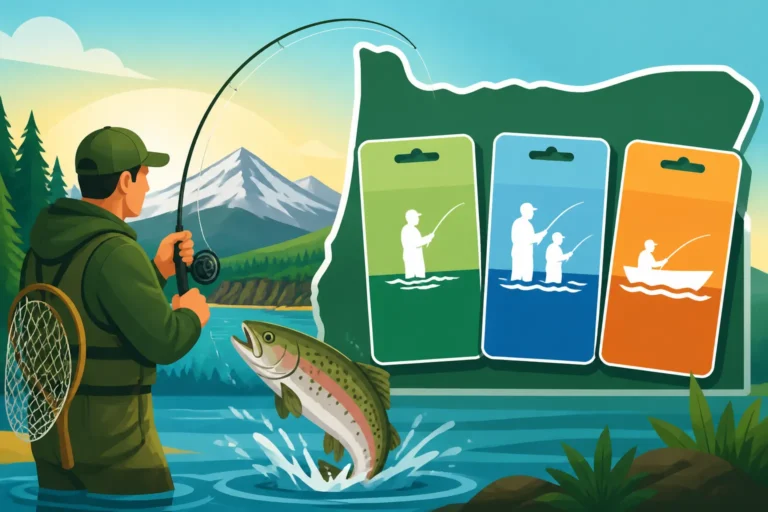
One of the most common head-scratchers for any angler hitting Oregon's beautiful waters, especially when it comes to chasing trout, is figuring out if that feisty fish on the end of your line is a keeper. It's not just about the thrill of the catch; it’s about knowing the rules. The sheer variety of regulations, from statewide general rules to hyper-specific lake or river conditions, can make your head spin faster than a trolling spoon. This guide is here to clear up the confusion, helping you understand Oregon's trout size limits so you can fish confidently and responsibly.
Understanding Oregon's Trout Size Regulations
Fishing in Oregon offers incredible opportunities, but it's crucial to understand that trout size regulations aren't a "one size fits all" deal. They can vary dramatically depending on where you're casting your line and even what type of trout you're hoping to catch.
Why Size Limits Exist for Trout
At its heart, conservation is the primary driver behind trout size limits. The Oregon Department of Fish and Wildlife (ODFW) works tirelessly to manage fish populations, ensuring healthy ecosystems for future generations of anglers and, more importantly, for the fish themselves. Minimum size limits, for instance, are often implemented to allow trout to reach maturity and spawn at least once, contributing to the population before they can be harvested. This is especially vital for wild, self-sustaining populations that rely on natural reproduction.
Conversely, some regulations might include maximum size limits or "slot limits" that protect particularly large trout. These big fish are often the most prolific spawners, contributing a disproportionate amount of eggs to the next generation. Protecting them helps maintain robust genetics and overall population health. It’s a delicate balancing act designed to allow recreational harvest while safeguarding the long-term viability of Oregon's diverse trout fisheries. Without these thoughtful regulations, our favorite fishing spots could quickly become barren.
Statewide General Regulations vs. Specific Waterbody Rules
This is where many anglers, even seasoned ones, can get tripped up. There isn't a single, universal size limit for all trout across the entire state of Oregon. While the ODFW does provide general statewide regulations in its annual Oregon Fishing Regulations Explained booklet, these are often just a starting point. The real challenge comes from the myriad of specific rules that apply to individual rivers, lakes, and even sections of a single river.
For instance, many of Oregon's abundantly stocked lakes and ponds, particularly those managed for high recreational catch, often have no minimum size limit for trout. The focus there is on providing ample opportunity for harvest, as these fish are typically raised in hatcheries and released specifically for anglers. However, venture into a pristine high mountain lake or a wild trout stream, and you'll almost certainly encounter minimum size restrictions, and perhaps even limits on how many fish of a certain size you can keep. Always, and I mean always, double-check the specific regulations for the waterbody you plan to fish. It’s the golden rule of fishing in Oregon, right alongside having your Oregon Fishing License Guide in hand.
Identifying Different Trout Species in Oregon and Their Management
Oregon is blessed with a variety of trout species, each with its own ecological niche and, consequently, its own management strategy. You’ll commonly encounter Rainbow Trout (including steelhead, which are sea-run rainbows), Coastal Cutthroat Trout (both resident and sea-run forms), Brown Trout, and Brook Trout. Less common, and highly protected, are Bull Trout.
The regulations often reflect the conservation status and reproductive capacity of each species. For example, Rainbow Trout, especially the hatchery-stocked variety, are widely available and often have more liberal harvest rules. Coastal Cutthroat Trout, particularly in their native coastal streams, might have stricter minimum size limits to protect wild populations. Brown Trout, which are non-native but established in many waters, might have different rules. And then there are Bull Trout, which are federally protected and are almost universally catch-and-release only throughout Oregon. Understanding the species you’re targeting is the first step in applying the correct size limit. You can learn more about them in our Oregon Trout Species Guide.
Navigating Specific Trout Size Limits in Oregon Waters
Once you understand the 'why' behind the rules, it's time to dive into the 'what' and 'where.' Knowing how these limits are typically structured can save you a lot of guesswork and help you interpret the regulations booklet more effectively.
Common Minimum Size Limits for Wild Trout
When you're chasing wild trout in Oregon's rivers and streams, you'll frequently encounter minimum size limits designed to ensure these fish can reproduce before being harvested. A common minimum might be 8 inches, or even 10 inches in some areas. This means any trout shorter than that specified length must be immediately released unharmed. For example, many coastal rivers that hold populations of wild Coastal Cutthroat Trout will have an 8-inch minimum. If you’re fishing the Metolius River, renowned for its wild Redband Trout, you’ll find very specific regulations, often with minimum sizes to protect those precious fish.
It’s important to note that these limits are almost exclusively for wild trout. If you're fishing a pond that just got a fresh batch of hatchery rainbows from ODFW's stocking truck, it's highly likely there's no minimum size limit at all, with the emphasis purely on the daily bag limit. This distinction between wild and hatchery fish is absolutely critical. Always check the specific river or lake you're fishing.
Maximum Size Limits and Protected "Trophy" Fish
While minimum size limits are prevalent, some unique waters in Oregon also implement maximum size limits or "slot limits" to protect large, mature breeding trout. A slot limit might specify that you can keep fish between 8 and 12 inches, but anything smaller than 8 inches or larger than 12 inches must be released. This strategy protects both the vulnerable juveniles and the valuable large spawners, focusing harvest pressure on the middle-aged fish.
In other situations, you might find regulations that allow only one trout over a certain "trophy" size, say 20 inches, as part of your daily bag. This recognizes the value of harvesting a true trophy while still protecting the overall population of large, reproducing fish. Many of Oregon's high lakes, particularly those managed for large Brown or Rainbow Trout, might have such specific rules. These larger, older fish are often more challenging to catch, and their conservation is key to maintaining the quality of these fisheries. Practicing good Oregon Catch-and-Release Rules is vital, especially for these larger, protected fish.
Special Rules for Hatchery vs. Wild Trout
Distinguishing between hatchery and wild trout is often fundamental to understanding Oregon's trout regulations, especially when it comes to size limits. Many of Oregon's hatchery-reared trout are fin-clipped before release. This involves removing a small portion of a fin (often the adipose fin, a small fleshy fin on the back near the tail) as a permanent identifier. If a regulation states "fin-clipped trout only" or "wild trout must be released," knowing how to spot that clip is paramount.
Hatchery fish are typically stocked in lakes and ponds primarily for angler harvest. Because they are produced in large numbers and are less genetically vital to wild populations, regulations for them tend to be more liberal, often with no size limits. Wild trout, however, are the natural residents, born and raised in the river or lake. Their populations are often more fragile and are managed more conservatively, hence the more stringent size and bag limits. When fishing a water that has both wild and hatchery trout, like some sections of the Deschutes River or certain coastal streams, you absolutely need to know the difference to comply with the rules. This is why paying attention to the fin clip, or lack thereof, is so important.
Essential Resources for Checking Current Trout Regulations
Okay, so you understand the concepts – minimums, maximums, wild vs. hatchery. But how do you actually find the specific rules for the exact spot you plan to fish today? That’s where these essential resources come in.
The Oregon Sport Fishing Regulations Booklet
This little booklet is your Bible when it comes to fishing in Oregon. Seriously, you should never leave home without it (or at least have the digital version readily accessible on your phone). The ODFW publishes a new booklet every year, and it's absolutely crucial that you are consulting the latest version. Regulations can and do change from year to year, and sometimes even mid-season due to emergency closures or adjustments.
You can usually pick up a physical copy wherever fishing licenses are sold, like at sporting goods stores or even some convenience stores. However, the most reliable and up-to-date source is the ODFW website, where you can download a PDF version. I’ve even seen anglers buy accessories like waterproof holders for their licenses and regulation books on Amazon to keep them protected while out on the water. The booklet is structured to start with general statewide rules, then breaks down into regional rules, and finally, lists specific rules for individual waterbodies. You’ll need to navigate through it to find your chosen fishing spot and see its particular trout size limits, alongside the Oregon Daily Bag Limits Explained and Oregon Fishing Season Dates and Limits.
ODFW's Online Tools and Fish Stocking Schedule
In our digital age, the ODFW website is an invaluable tool. Beyond just downloading the full regulations booklet, their website offers interactive maps and search functions that can make finding specific rules much easier. The "Where to Fish" map, for example, allows you to zoom in on a particular lake or river, click on it, and often see a summary of the regulations for that waterbody. It’s incredibly handy for quick checks on the fly.
Another fantastic online resource is the ODFW’s fish stocking schedule. If you're planning to target hatchery trout in a stocked lake, this schedule will tell you which lakes have been recently planted and with what species. While the stocking schedule doesn't explicitly list size limits (because, as we discussed, stocked lakes often don't have them beyond the general regulations), it's a great companion tool to identify waters that are more likely to offer liberal harvest opportunities for trout. It also gives you a heads-up on the Oregon Trout Season Opening Day.
Engaging with Local Expertise
Sometimes, despite all the official resources, you might still have a specific question or want real-time, nuanced advice. That’s when connecting with local experts comes in handy. Your local tackle or fly shop is an incredible repository of current knowledge. The folks working there are usually avid anglers themselves and know the local waters like the back of their hand. They can often provide insights into recent changes, clarify confusing regulations, or even tell you where the fish are biting and what the current conditions are like.
Similarly, consider reaching out to reputable Oregon Fishing Guide Services. Guides spend countless hours on the water and are intimately familiar with all the intricacies of the regulations. While you might not be hiring them for a trip, a quick phone call or email to a local guide service might yield the answer you're looking for. Online fishing forums dedicated to Oregon fishing can also be a good place to ask questions and learn from the collective experience of other anglers, but always cross-reference information with official ODFW sources.
Practical Tips for Responsible Trout Fishing in Oregon
Understanding the rules is one thing, but applying them ethically and effectively out on the water is what truly makes a responsible angler. Let’s talk about some practical considerations.
Measuring Your Catch Accurately
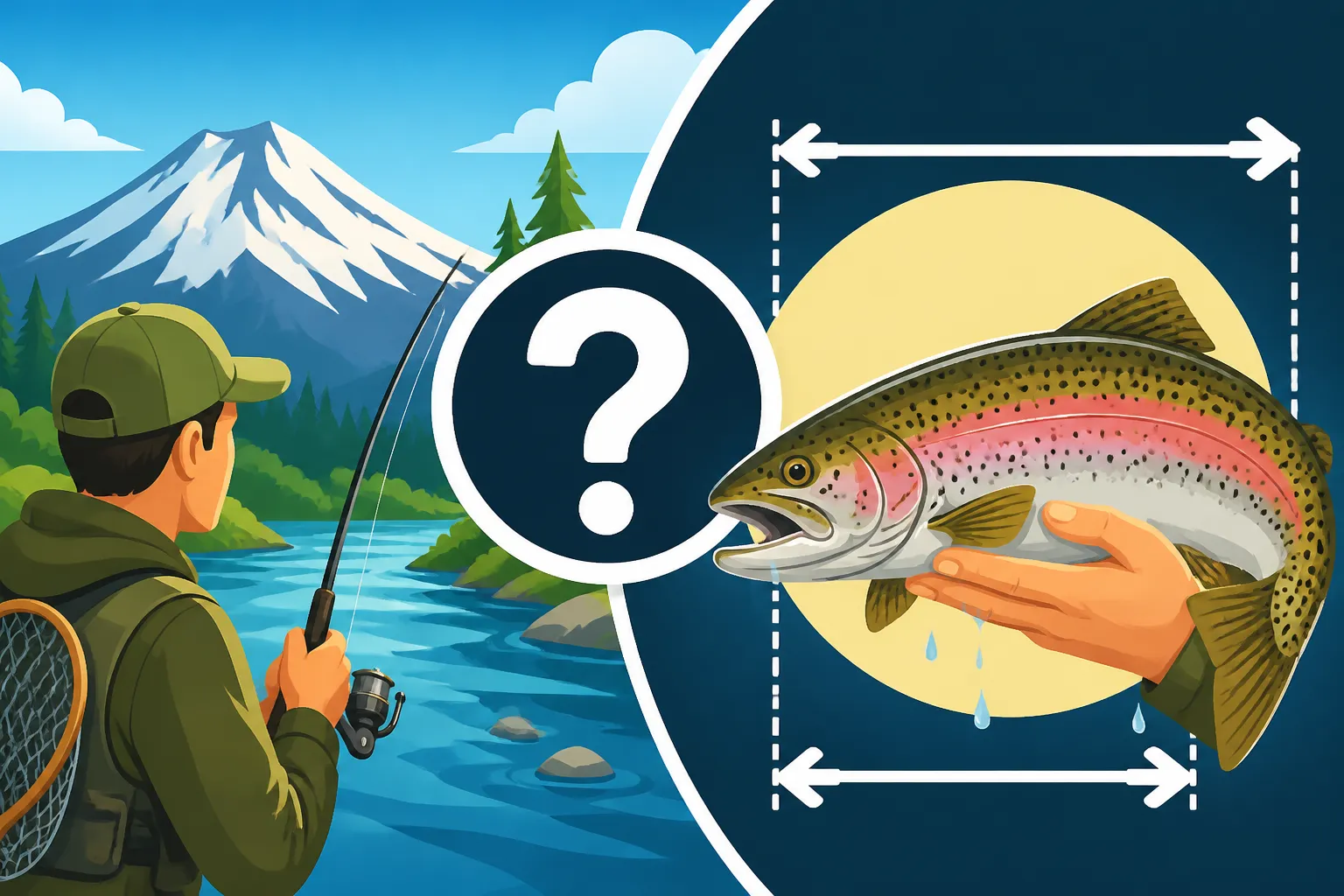
When you’ve got a beautiful trout in hand, adrenaline can make that measurement feel tricky. But accuracy is key to staying within the law and doing your part for conservation. Always use a reliable measuring device – a rigid measuring board or a soft, flexible tape measure are standard. The official measurement for fish in Oregon is from the tip of the nose (the snout) to the tip of the tail (with the tail compressed, if possible, to get the maximum length).
It's crucial to handle the fish gently and quickly during this process. Minimize the time the fish is out of the water. If you’re unsure about the measurement, or if it’s borderline, err on the side of caution and release the fish. A slight miscalculation could result in a Oregon Fishing Violations and Penalties. Getting a good, clear measurement ensures you're compliant and respectful of the regulations. Many anglers keep a small, waterproof ruler or tape measure handy, often purchased from a sporting goods store or online through retailers like Amazon.
Catch-and-Release Best Practices
For any trout that doesn't meet the size limit, or if you're targeting a protected species like Bull Trout, practicing proper catch-and-release is paramount. The goal is to return the fish to the water in the best possible condition, giving it the highest chance of survival. This means:
- Use Barbless Hooks: They make hook removal much easier and cause less damage. You can easily pinch down the barb on most hooks with a pair of pliers.
- Handle with Wet Hands: Dry hands remove the protective slime layer from a fish, making it vulnerable to disease.
- Keep the Fish in the Water: Unhooking the fish while it's still submerged is ideal. If you must lift it, do so for the absolute minimum time needed for a quick photo and measurement.
- Support the Fish: If you do lift it, support its weight horizontally, especially larger fish, to avoid internal organ damage. Avoid squeezing or putting fingers in its gills.
- Revive Gently: If the fish seems stunned or sluggish, hold it gently in the current until it can swim away under its own power. Don't throw it back.
By following these simple steps, you significantly increase the survival rate of released fish, ensuring they can continue to grow and contribute to the fishery.
The Consequences of Violating Size Limits
It might seem like just an inch or two, but violating size limits carries real consequences. First and foremost, you could face significant fines. Game wardens in Oregon are diligent about enforcing fishing regulations, and getting caught with an undersized fish can quickly turn a fun day into a costly one. These fines can range from hundreds of dollars for a first offense and can escalate for repeat offenders.
Beyond financial penalties, violating size limits impacts the fish populations themselves. Taking an undersized fish, particularly a wild one, removes a potential future reproducer from the system, undermining the conservation efforts designed to maintain healthy fisheries for everyone. It's a matter of ethics and sustainability. Understanding and adhering to all parts of the Oregon Fishing Regulations Explained, including specific size limits, is a fundamental responsibility for every angler who enjoys the bounty of Oregon’s waters.
Disclaimer
Please remember that fishing regulations are subject to change. While we strive to provide accurate and up-to-date information, the Oregon Department of Fish and Wildlife (ODFW) is the sole authority for all official fishing rules. Always consult the most current ODFW Sport Fishing Regulations booklet or their official website before heading out on your fishing trip.