Oregon ocean endorsement cost and what it covers
It's incredibly frustrating when you're trying to do the right thing, meticulously planning your fishing trip, and then you stumble upon yet another requirement you didn't even know existed. You've got your basic Oregon fishing license, you're ready to hit the coast, but then you hear whispers of an "ocean endorsement." What even is that? This guide is here to clear up all the confusion about the Oregon ocean endorsement, including what it costs, what it covers, and why it's a non-negotiable part of your saltwater angling adventure.
Understanding the Oregon Ocean Endorsement for Anglers
Many anglers, especially those new to Oregon's diverse fisheries or who mostly stick to freshwater, might not realize that fishing in the Pacific Ocean requires a little extra paperwork beyond your standard annual license. It's not just a bureaucracy thing; it's about managing specific fish stocks and ensuring sustainable practices in our precious ocean waters.
What Exactly is the Ocean Endorsement and Why Do You Need It?
Think of the ocean endorsement as a specialized add-on to your regular Oregon fishing license. While your basic license covers most freshwater fishing and allows you to fish for certain finfish species in the ocean within specific zones, the ocean endorsement specifically expands your privileges to target and retain most marine finfish species found beyond the immediate shoreline. Without it, you could be risking a citation, even if you have a valid general fishing license.
The Oregon Department of Fish and Wildlife (ODFW) manages this endorsement to help track angler effort and harvest for finfish in the Pacific Ocean. This data is absolutely crucial for researchers and policymakers to make informed decisions about bag limits, seasons, and overall fishery health. It helps ensure that species like rockfish and lingcod remain abundant for future generations to enjoy. So, while it feels like another hoop to jump through, it's really an investment in the future of Oregon's fantastic ocean fishing opportunities.
What Species and Areas Does It Cover?
The Oregon ocean endorsement primarily covers marine finfish species caught in the Pacific Ocean, generally beyond the tidally influenced portions of bays and estuaries. This includes popular targets like various species of rockfish (black rockfish, blue rockfish, vermilion rockfish, etc.), lingcod, cabezon, and even ocean-going salmon species when combined with the appropriate salmon/steelhead tag. It's important to understand that this endorsement is specifically for finfish.
It covers all state waters, which extend three nautical miles offshore. For federal waters (beyond three miles), your Oregon license and endorsement still apply, as federal regulations often defer to state licensing requirements for recreational anglers from that state. However, remember that specific regulations, bag limits, and seasons can vary dramatically based on the species, location, and time of year, so always consult the latest Oregon Fishing Regulations Explained before heading out. For instance, while it allows you to target rockfish, you still need to know the specific slot limits or daily bag limits for those species in the area you're fishing.
What the Ocean Endorsement Doesn't Cover
This is where many anglers get tripped up! The ocean endorsement is specific to marine finfish. It does not cover everything you might want to catch off the coast. For example, if you're planning a fun day of crabbing or clamming along the Oregon Coast, you'll need an Oregon Shellfish License in addition to, or sometimes instead of, a finfish license and endorsement. The shellfish license is a completely separate requirement because these are different types of marine resources with their own management concerns.
Similarly, if you're targeting specific anadromous species like salmon or steelhead that migrate between freshwater and saltwater, you'll also need a valid Oregon Combined Angling Tag Guide. This tag is often required in addition to your general angling license and ocean endorsement, depending on where and when you're fishing for salmon in the ocean. And for highly regulated species like Pacific halibut, you typically need a specific "halibut tag" or declaration, which is often included with a combined angling tag but still has its own set of rules regarding seasons and harvest limits. Essentially, think of the ocean endorsement as one important piece of the puzzle, but not the entire picture for all marine harvests.
The Cost of the Oregon Ocean Endorsement and How to Get It
Let's talk brass tacks: what's this going to cost you? Fortunately, the Oregon ocean endorsement is one of the more affordable additions to your fishing arsenal, especially when you consider the incredible fishing opportunities it unlocks.
Current Fees for Residents and Non-Residents
The cost for the Oregon ocean endorsement is quite reasonable, designed to be an accessible add-on for any angler with a valid fishing license. As of my last check, the annual ocean endorsement for both residents and non-residents typically runs around $10.
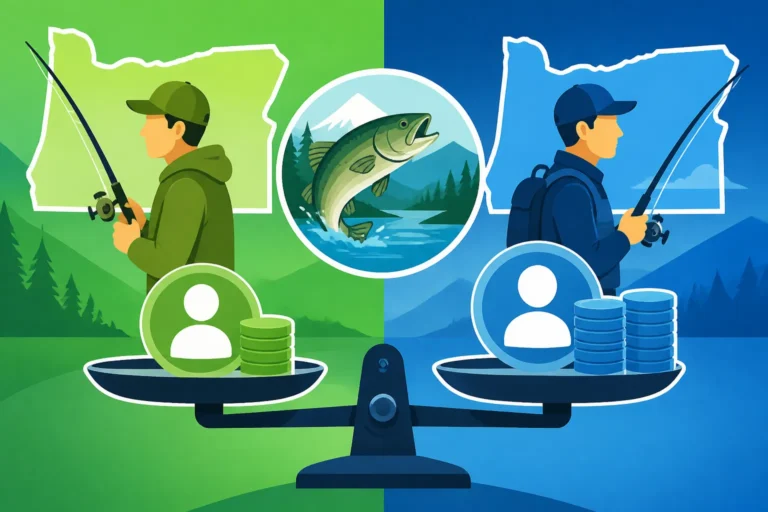
This fee is consistent whether you're an Oregon resident who lives right on the coast in Astoria or a non-resident visiting from, say, Idaho, planning a week-long fishing trip out of Newport. It's an additional fee on top of your base fishing license, which could be an annual, multi-day, or even a youth license, depending on your situation. For instance, an adult Oregon resident might pay around $44.00 for their annual angling license plus the $10.00 ocean endorsement, making the total around $54.00 for a full year of freshwater and ocean finfish opportunities. Non-residents, of course, pay a higher fee for their base license, but the ocean endorsement itself remains the same modest price. You can find more details on base license costs in our guide on Oregon Nonresident Fishing License Cost.
How the Cost Compares to Other Tags and Endorsements
To give you a better perspective, let's look at how the ocean endorsement fits into the larger landscape of Oregon's licensing system. It's often one of several endorsements or tags you might need, depending on your target species and location. Here's a quick comparison of some common additions:
| License/Endorsement Type | Typical Annual Resident Cost (approx.) | Typical Annual Non-Resident Cost (approx.) | What It Covers |
|---|---|---|---|
| Ocean Endorsement | $10.00 | $10.00 | Marine finfish (rockfish, lingcod, etc.) in ocean waters. |
| Columbia River Basin Endorsement | $9.75 | $9.75 | Anadromous fish (salmon, steelhead, sturgeon) in specific Columbia River zones. |
| Combined Angling Tag | $35.00 | $35.00 | Required to harvest salmon, steelhead, sturgeon, and halibut statewide. |
| Shellfish License | $10.00 | $28.00 | Crabs, clams, mussels, and other marine invertebrates. |
| Annual Angling License | $44.00 | $119.00 | Basic license for finfish in most freshwater and certain marine areas (requires additional endorsements). |
As you can see, the ocean endorsement is a relatively small portion of your overall fishing investment. The Oregon Columbia River Basin Endorsement, for example, is similar in price, but covers a completely different geographical area and specific fish. The "Combined Angling Tag" is often the most significant additional cost, but it covers a wide array of highly sought-after species across the state, making it a critical purchase for many dedicated anglers.
Where to Purchase and What to Expect During the Process
Getting your Oregon ocean endorsement is a straightforward process, especially if you're already purchasing or renewing your general fishing license. You have a few convenient options:
- Online through ODFW: This is by far the most popular and easiest method for most people. The ODFW licensing system allows you to purchase your basic license and then add on any endorsements or tags you need in one seamless transaction. You can access it from your computer or even your phone. If you're wondering how to manage your existing license, you might find our guide on How to Renew an Oregon Fishing License Online helpful.
- At an ODFW Office: If you prefer face-to-face assistance or have specific questions, you can visit one of the Oregon Department of Fish and Wildlife offices located throughout the state. Their staff are usually very knowledgeable and can walk you through all the options.
- Through an Authorized License Agent: Many sporting goods stores, tackle shops, and even some convenience stores across Oregon are authorized ODFW license agents. Places like Bi-Mart, Fred Meyer, or independent tackle shops can process your license and endorsement purchase on the spot. This is especially handy if you realize you forgot something just before hitting the water.
When purchasing, you'll need to provide some basic personal information, including your name, address, date of birth, and typically a form of identification. If you're adding it to an existing license, you'll just need your ODFW hunter/angler ID number. The system will prompt you to select the ocean endorsement along with any other tags or licenses you require. After purchase, you’ll usually receive an immediate confirmation, and you can often print a temporary license or save a digital copy to your phone, which is usually sufficient proof for game wardens.
Practical Implications and Common Fishing Scenarios
Understanding the ocean endorsement isn't just about knowing the cost; it's about knowing when and where it applies so you can fish confidently and legally.
Planning Your Ocean Fishing Trip: When Do You Need It?
You'll definitely need the Oregon ocean endorsement any time you plan to fish for finfish in the Pacific Ocean waters off the Oregon coast. This applies whether you're:
- Booking an Ocean Fishing Charter: If you're going out on a guided trip from a port like Newport, Depoe Bay, or Astoria to target bottom fish (rockfish, lingcod), halibut, or ocean salmon, you'll need this endorsement. While the charter might provide gear, they generally expect you to have your own valid license and all necessary endorsements. A good guide will confirm this when you book, but it's ultimately your responsibility. For more on what to expect, check out our Oregon Fishing Charter Guide.
- Fishing from a Private Boat: Launching your own boat from a marina or ramp to head out for a day of ocean fishing also requires this endorsement. This is true whether you're just dropping crab pots (which requires a shellfish license, but if you're fishing for finfish too, you need the ocean endorsement) or running offshore for tuna (though tuna usually falls under general marine finfish, double-check any specific federal requirements if far offshore).
- Shore Fishing for Marine Finfish: While many people shore fish for surfperch, which might only require a general angling license in some specific zones, if you're targeting other marine finfish from jetties, beaches, or rocky shorelines that directly access open ocean waters, you'll need the endorsement. Always check the specific regulations for the area you're fishing, as some bay mouth areas or jetties might have nuanced rules.
It’s always better to be safe than sorry. If there’s any doubt in your mind about whether your specific fishing plan requires the endorsement, get it. The cost is minimal compared to the potential fines for fishing without proper licensure.
Ensuring Compliance: What to Carry and Expect During Checks
When you're out on the water, especially in a boat, it's not uncommon for an Oregon State Police (OSP) Fish and Wildlife trooper or an ODFW game warden to approach for a compliance check. They'll typically ask to see your fishing license and any required tags or endorsements.
What should you carry?
- Physical License: Many anglers prefer to print out their license and endorsements and keep them in a waterproof holder.
- Digital License: ODFW's electronic licensing system allows you to carry proof on your smartphone. Just make sure your phone is charged, and you can easily access the digital copy, even without cell service (download a screenshot or PDF before you go). This is often acceptable, but having a backup physical copy isn't a bad idea, especially in remote areas.
- Photo Identification: Always have a valid government-issued photo ID (like a driver's license) with you. This helps confirm your identity matches the name on your fishing license.
During a check, the officer will likely ask about what you're fishing for and may inspect your catch to ensure it complies with bag and size limits. They might also check your gear. It’s always best to be polite and cooperative. These officers are working to protect our resources and ensure everyone is playing by the rules. Getting caught without the proper licenses or tags, including the ocean endorsement, can result in significant fines and potentially even forfeiture of your catch and gear.
Combining the Ocean Endorsement with Other Licenses
The beauty of Oregon's licensing system is that it's designed to be modular. Your ocean endorsement integrates smoothly with your primary angling license.
- Annual Angling License: If you purchase an annual license, you simply add the ocean endorsement to it, and it's valid for the same license year (January 1st to December 31st).
- Multi-Day Licenses: For visitors, Oregon offers various multi-day licenses (1-day, 2-day, 7-day, etc.). You can add the ocean endorsement to these short-term licenses as well. So, if you're only visiting for a few days and plan to fish the ocean, you'd purchase a 3-day Oregon Multi-Day Fishing License Options for example, and then add the ocean endorsement. The endorsement's validity would mirror that of your base multi-day license.
- Youth Licenses: Even youth anglers (under 18) who are required to have a license for certain species or in certain areas might need an ocean endorsement if they are targeting marine finfish. While specific age requirements vary for different license types, typically youth under 12 do not need a license, but for those aged 12-17, a youth license plus endorsements might be necessary. This is clearly outlined in the Oregon Fishing Rules for Kids and Seniors guide.
It's all about building your perfect license package based on where, when, and what you plan to fish for. Just be sure to double-check all requirements before you head out.
Maximizing Your Ocean Endorsement Value
Once you've got that ocean endorsement in your pocket (or on your phone!), you're all set to explore some truly world-class fishing. But knowing what to target and how to prepare can make all the difference.
Top Fish Species You Can Target with Your Endorsement
With your ocean endorsement, a vast world of marine finfish opens up. Here are some of the most popular and exciting species you can target:
- Rockfish: Oregon's coast is teeming with various species of rockfish, often referred to collectively as "bottom fish." Black rockfish are a particular favorite, known for their aggressive bites and excellent table fare. You can often find them near rocky structures, jetties, and reefs along the coastline. Other common rockfish include blue rockfish, china rockfish, and quillback rockfish. They're typically caught by jigging, bait fishing near the bottom, or drift fishing with soft plastics.
- Lingcod: These aggressive predators are a blast to catch and are highly prized for their firm, flaky white meat. Lingcod tend to hang out in rocky areas and kelp beds, ambushing prey. They respond well to large jigs, swimbaits, and even live bait. Landing a big lingcod can be a real battle, often requiring heavier tackle.
- Ocean Salmon: While often requiring the combined angling tag in addition to your ocean endorsement, targeting Chinook and Coho salmon in the open ocean is a quintessential Oregon experience. These powerful fish are typically caught by trolling with flashers, hoochies, or baitfish like herring. The seasons and bag limits for ocean salmon can be very dynamic, so always check the most current regulations. For specifics on areas to target these fish, explore our Oregon Coast Fishing Spots guide.
These species offer diverse challenges and rewards, making the ocean endorsement a key part of your angling freedom along the coast.
Essential Gear for Oregon Ocean Fishing
Having the right gear is paramount for a successful and enjoyable ocean fishing trip. The rougher conditions and larger fish often found in the ocean require more robust equipment than your typical trout setup.
- Rods and Reels: For bottom fishing (rockfish, lingcod), you'll want a medium-heavy to heavy conventional or spinning rod (6' to 7'6") paired with a reel capable of holding 50-80 lb braided line. Brands like Penn, Shimano, or Daiwa offer reliable options. For ocean salmon, a medium-action trolling rod (8' to 10') and a level-wind reel spooled with 25-40 lb monofilament or braided line is ideal. You can often find great deals on these setups by checking online retailers like Amazon.
- Tackle: Your tackle box should be stocked with a variety of jigs (metal and leadhead), swimbaits, and plenty of lead weights (4-16 oz, depending on depth and current). For bait fishing, herring, squid, or cut bait are common. Don't forget heavy-duty leaders (50-80 lb fluorocarbon or monofilament), swivels, and strong hooks. Again, for a wide selection and competitive pricing, many anglers find it convenient to browse Amazon for these consumable tackle items.
- Safety and Comfort Gear: Ocean fishing can be unpredictable. Always bring a life vest (PFD), even if you're on a charter where they are provided. Foul-weather gear (waterproof jacket and pants), non-slip boots, and layers of clothing are essential. Sunglasses, sunscreen, and a wide-brimmed hat will protect you from the sun. A good cooler with plenty of ice is critical for preserving your catch. You can easily stock up on these essentials, including sturdy waterproof bags to keep your personal items dry, through Amazon.
Preparation is key, and investing in quality gear will enhance your experience and keep you safe.
Important Ocean Regulations to Remember
Even with your ocean endorsement, it's crucial to stay informed about the ever-changing regulations that govern Oregon's marine fisheries. These rules are put in place to protect fish populations and ensure healthy ecosystems.
- Bag and Size Limits: Every species has specific daily bag limits and often minimum or maximum size restrictions. For example, you might be allowed to keep a certain number of rockfish, but only within a specific length range. These limits are subject to change, so always consult the latest ODFW regulations, either online or by downloading the current angling manual. You can find general information about limits in our Oregon Daily Bag Limits Explained guide.
- Seasons and Depth Restrictions: Ocean fisheries often have specific open and closed seasons, particularly for salmon and halibut. Additionally, some areas may have depth restrictions for certain species (e.g., "all-depth" vs. "nearshore" fisheries) to protect deeper-dwelling species. These can change with little notice due to conservation concerns or quota management.
- Marine Protected Areas (MPAs): Oregon has established several Marine Protected Areas and Marine Reserves along its coast. Fishing is either prohibited or highly restricted in these zones. Always know where these areas are located and plan your trip accordingly to avoid accidental violations. Maps and coordinates are readily available on the ODFW website.
Staying up-to-date with these regulations isn't just about avoiding a ticket; it's about being a responsible angler and contributing to the conservation efforts that keep Oregon's ocean fishing vibrant.
Disclaimer
The information provided in this guide is for general informational purposes only and is subject to change. Oregon fishing regulations, license costs, and endorsement requirements can be updated by the Oregon Department of Fish and Wildlife (ODFW) at any time. While we strive to provide accurate and up-to-date information, it is always the angler's responsibility to consult the official ODFW website or the most current Oregon Sport Fishing Regulations booklet before engaging in any fishing activities. Compliance with all state and federal fishing laws is mandatory.