Do kids need a fishing license in Oregon?
It's a common and totally understandable question that pops up for many parents and guardians eager to introduce their kids to the joys of fishing in Oregon: "Do my little ones actually need a fishing license?" The regulations can feel like a maze, and the last thing anyone wants is to unknowingly break a rule while trying to create cherished family memories. This comprehensive guide is here to untangle the specifics of Oregon's fishing license requirements for children, ensuring you're fully informed and ready for a hassle-free day on the water.
The Simple Answer: Oregon's Age Requirements for Fishing Licenses
Let's cut right to the chase because, honestly, that's what most of us want to know first. In Oregon, the rules are pretty straightforward when it comes to age and fishing licenses. This is one of those areas where the Oregon Department of Fish and Wildlife (ODFW) really tries to make it easy for families.
Understanding the "Free" Age Limit
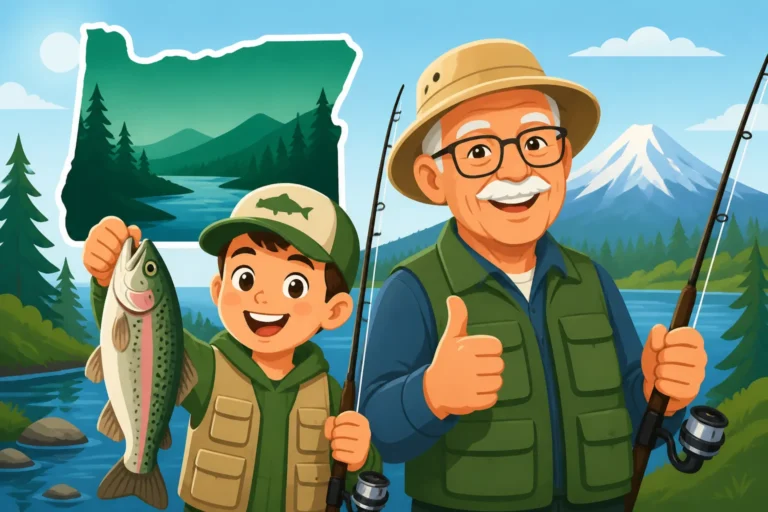
Good news for parents of younger kids! In Oregon, children under 12 years of age do not need a fishing license to cast a line. That's right, your little angler can enjoy the thrill of a tug on their rod without you needing to navigate the licensing system for them. This rule is a fantastic way to encourage youth participation in outdoor activities and foster a love for fishing from a young age, without the added financial barrier or bureaucratic hurdle for families just starting out. It allows kids to experience the excitement, the peacefulness, and the connection with nature that fishing offers, all while keeping things simple for parents.
Even though they don't need a license, it's super important to remember that all other fishing regulations still apply. This includes daily bag limits, size restrictions, and any specific gear rules for the body of water you're fishing. Think of it this way: their entry ticket is free, but they still have to follow the rules of the park. For instance, if the daily limit for trout is five, your under-12 child can only keep five trout, just like an adult. You, as the accompanying adult, are responsible for ensuring they understand and follow these rules. It’s a great opportunity to start teaching them about conservation and responsible angling practices early on. You can find a complete overview in our Oregon Fishing Regulations Explained guide.
When a License Becomes a Must-Have
The moment a child turns 12 years old, the licensing requirements shift. From their 12th birthday onward, they are officially required to possess an Oregon fishing license to participate in angling. This is the age when they transition from being "free" to needing their own permit. While it might seem like a sudden change, it's also a rite of passage for many young fishers, signifying their growing independence and responsibility in the sport.
The good news is that Oregon offers specific youth fishing licenses that are significantly more affordable than adult licenses. This makes it much easier to keep your young angler on the water without breaking the bank. A standard annual angling license for youth covers most general fishing activities for the calendar year. However, if your budding angler is dreaming of catching salmon, steelhead, sturgeon, or halibut, they'll also need a Combined Angling Tag. We'll dive into that in the next section, but for now, just know that the base license for a 12 to 17-year-old is a crucial first step.
Understanding these age requirements is fundamental for planning your family fishing adventures. To make it even clearer, here's a quick breakdown of the age groups and their basic requirements:
| Age Group | Basic License Requirement | Additional Tags/Endorsements |
|---|---|---|
| Under 12 years old | No License Required | No Tags/Endorsements Required |
| 12-17 years old | Youth Annual Angling License | Combined Angling Tag (if applicable), Shellfish License (if applicable), Columbia River Basin Endorsement (if applicable) |
| 18 years and older | Adult Annual Angling License | Combined Angling Tag (if applicable), Shellfish License (if applicable), Columbia River Basin Endorsement (if applicable) |
This table should give you a clear visual of when to start thinking about purchasing that Oregon Youth Fishing License for your child.
Navigating Tags and Endorsements for Young Anglers
Just when you think you've got the basic license figured out, Oregon throws in a few more considerations: tags and endorsements. These are extra permits required for specific species or fishing locations, and yes, they can apply to young anglers too, even if their base license is free or discounted. It's not meant to be overly complicated, but it's designed to help manage specific fisheries and ensure their sustainability.
Do Kids Need a Combined Angling Tag?
The Combined Angling Tag is probably the most common additional permit you'll encounter. This tag is required if an angler intends to harvest salmon, steelhead, sturgeon, or halibut. These are highly sought-after species, and the tags help ODFW monitor catch rates and manage populations effectively.
So, here's the deal: if your child, regardless of age, wants to keep one of these species, they will need a Combined Angling Tag.
- For kids under 12, who don't need a base license, they still need to purchase a youth Combined Angling Tag if they plan to keep one of these fish. This is a critical distinction and often a point of confusion for parents. It's a small fee, but an essential one.
- For kids aged 12-17, who already have their youth annual angling license, they will also need to purchase a youth Combined Angling Tag if they plan to keep salmon, steelhead, sturgeon, or halibut.
Let's imagine a scenario: Your 10-year-old, bless their heart, hooks into a beautiful hatchery steelhead on the Nestucca River and wants to take it home for dinner. They don't need a base fishing license because they're under 12, but they absolutely need a youth Combined Angling Tag to legally possess that fish. If they're just catching and releasing, then no tag is required. This applies even if you, the adult, have your own tag. Each individual angler keeping one of these species needs their own tag. You can dive deeper into this specific permit with our Oregon Combined Angling Tag Guide.
Understanding Shellfish and Other Endorsements
Beyond the Combined Angling Tag, there are a couple of other endorsements and licenses that might come into play, especially if your family enjoys diverse outdoor pursuits.
- Oregon Shellfish License: If your family is heading to the Oregon Coast for some crabbing or clamming, then everyone who is actively participating in harvesting shellfish, regardless of age, needs an Oregon Shellfish License. This is a separate license entirely from the angling license. So, if your 8-year-old is out there enthusiastically digging for razor clams or helping pull crab pots, they'll need their own shellfish license. These licenses are generally very affordable and cover both bay clamming, crabbing, and even mussel harvesting. Don't forget to check out our dedicated guide on the Oregon Shellfish License for all the details.
- Columbia River Basin Endorsement: This endorsement is required for anyone 12 years or older fishing for salmon, steelhead, or sturgeon in the mainstem Columbia River or its tributaries (like the Willamette River up to Willamette Falls). This applies to both residents and non-residents. So, if your 14-year-old has their youth angling license and a Combined Angling Tag, and you're planning a trip to fish for fall Chinook on the Columbia, they will also need this endorsement. It's an additional fee that helps fund fisheries management specific to the Columbia River Basin.
These additional permits might seem like a lot to keep track of, but they're in place to manage Oregon's precious fish and shellfish populations responsibly. Always double-check the current year's Oregon Fishing Regulations Explained booklet before you head out, especially if you're targeting specific species or fishing in particular areas.
Essential Rules Beyond the License for Young Fishers
Okay, so you've got the license and any necessary tags sorted for your young angler. That's a huge step! But it's crucial to understand that merely having the correct paperwork isn't the end of the regulatory journey. Even the smallest anglers are expected to adhere to the broader framework of Oregon's fishing rules. It’s like getting a driver’s license—you have the permit, but you still have to follow the speed limits and traffic laws!
Catch Limits and Size Restrictions
This is where many parents often get tripped up, assuming that if a child doesn't need a license, they might have different rules. Not so! Every angler, regardless of age or license status, must abide by the same daily bag limits, possession limits, and size restrictions for the species they are targeting.
Let's say you're fishing for rainbow trout in a stocked pond near Bend. The daily bag limit for trout might be five fish. If your 9-year-old catches five beautiful trout, that's their limit for the day. They can't keep any more, even if you, as an adult, haven't caught your limit yet. The same goes for size restrictions: if trout must be at least 8 inches long to be kept, then any trout your child catches under that length must be immediately and carefully released.
Ignoring these rules, even unintentionally, can lead to serious consequences, including fines. It’s not about punishing kids, but about protecting the resource. Teaching your children to understand and respect these limits instills a deep sense of environmental stewardship from a young age. It’s a fantastic lesson in responsible outdoor recreation. For a comprehensive overview, check out our Oregon Daily Bag Limits Explained guide.
Special Considerations: Catch Record Cards and Public Lands
There are a few other important pieces of the regulatory puzzle that apply to young anglers:
- Catch Record Cards: If your child possesses a Combined Angling Tag (which, as we discussed, they need to keep salmon, steelhead, sturgeon, or halibut), then they are also required to carry and properly fill out a Catch Record Card. This card is usually printed on the back of the tag itself. Every time they keep one of these species, they must immediately record the catch details (date, species, location, etc.) on their card. This data is vital for ODFW to monitor harvest rates and make informed management decisions. Even if they're just 10 years old, if they keep a salmon with their youth Combined Angling Tag, they need to fill out that card. Make sure you, as the accompanying adult, guide them through this process. Our Oregon Catch Record Card Requirements article has more details.
- Fishing on Public Lands: Whether you're fishing in a state park, a national forest, or any other publicly accessible waterway, the general Oregon fishing regulations apply. There aren't special carve-outs for kids fishing in these areas that exempt them from state rules. However, some areas might have additional local rules, so it's always wise to check with the specific park or forest service office if you have doubts.
- Tribal Lands: Fishing on tribal lands in Oregon generally requires specific tribal permits and adherence to tribal regulations, which can differ significantly from state regulations. Always research and obtain the necessary permits directly from the relevant tribal authority before fishing on tribal lands. This is a very specific circumstance but an important one to be aware of.
Staying informed about all aspects of the Oregon Fishing Regulations Explained is key to a smooth and enjoyable outing with your kids. It might seem like a lot to absorb, but with a little preparation, you can ensure everyone is compliant and focused on the fun. Remember, you can always find the most up-to-date information in the official Where to find the Oregon fishing regulations booklet.
Making Fishing Accessible and Fun for the Whole Family
Beyond the technicalities of licenses and regulations, the heart of taking kids fishing is about creating an enjoyable and memorable experience. It's about fostering a connection with nature, teaching patience, and celebrating small victories. Oregon, with its incredible diverse fisheries, offers countless opportunities to do just that.
Planning Your First Family Fishing Trip
A successful family fishing trip, especially with younger children, often comes down to thoughtful planning and managing expectations. Here are a few tips to make it a blast:
- Start Simple: Don't aim for trophy fish on your first outing. Focus on easily accessible, well-stocked waters where success is more likely. Ponds and smaller lakes that are regularly stocked with rainbow trout are perfect. Trout are often eager biters, which keeps kids engaged and prevents boredom.
- Pick the Right Spot: Look for locations with amenities like restrooms, picnic tables, and safe, easy bank access. Best Places to Fish in Oregon often highlight such spots. Many ODFW-stocked ponds are designed with families in mind. Places like Henry Hagg Lake near Forest Grove or several small ponds in the Willamette Valley are fantastic starting points.
- Keep it Short: Young attention spans are real. Plan for shorter trips, maybe 1-2 hours initially, and build up from there. It's better to leave them wanting more than to have them melt down from boredom or frustration.
- Bring the Essentials (and more!): Pack plenty of snacks, drinks, sun protection (hats, sunscreen), insect repellent, and a small first-aid kit. A comfortable chair for waiting, and perhaps a small toy or book for downtime, can also be lifesavers. A net for landing fish is also a great idea, making the experience easier and safer for both fish and child.
- Focus on the Experience, Not Just the Catch: Celebrate every nibble, every cast, every worm threaded onto a hook. If no fish are caught, talk about the birds you saw, the cool bugs, or the peacefulness of the water. The goal is to make it a positive experience that they'll want to repeat.
Where to Find Gear and Resources for Young Anglers
Getting the right gear for kids doesn't have to be expensive, but having tackle that's appropriate for their size and skill level makes a huge difference.
- Kid-Friendly Gear: Look for spin-cast reels (often called "push-button" reels) on shorter, lighter rods. These are much easier for small hands to operate. Simple bobber fishing setups with a small hook and some worms or PowerBait are usually the most effective and least frustrating for beginners. You can find excellent starter kits for kids that include a rod, reel, line, and a small tackle box for a very reasonable price. Many of these sets are readily available on online retailers like Amazon, offering convenience and a wide selection to get your little one started without breaking the bank.
- ODFW Resources: The Oregon Department of Fish and Wildlife website is an invaluable resource. They publish weekly fishing reports, trout stocking schedules, and the full annual fishing regulations. Knowing when and where fish are being stocked can greatly increase your chances of success. They also have sections dedicated to youth fishing programs and events.
- Local Bait and Tackle Shops: Don't underestimate the wisdom of your local bait and tackle shop! These folks are often avid anglers themselves and can provide hyper-local advice on what's biting, what bait to use, and where the best spots are for kids. They often have kid-sized vests and basic tackle.
- Safety First: Always ensure children wear properly fitted life vests when near or on the water, especially if they can't swim. Teach them about safe casting practices, handling hooks carefully, and the importance of never fishing alone.
Fishing with kids is a journey, not a destination. There will be tangled lines, missed bites, and perhaps a few meltdowns, but the moments of joy, discovery, and connection you'll share are priceless. By understanding the Oregon Fishing License Age Requirements and other simple rules, and by focusing on creating a fun, low-stress environment, you're setting the stage for a lifetime of angling adventures. It's truly one of the Cheapest way to fish in Oregon for a weekend with the family, and the memories will be worth far more than any fish caught.
Disclaimer
Please note that fishing regulations in Oregon can change. While this guide provides comprehensive information, it is always the angler's responsibility to consult the most current Oregon Department of Fish and Wildlife (ODFW) regulations before engaging in any fishing activities. This content is for informational purposes only and does not constitute legal advice.