Can I fish in Oregon without a license during free fishing weekend?
Oh, the Oregon Free Fishing Weekend! It sounds like a dream, doesn't it? A chance to hit the water, cast a line, and enjoy the stunning scenery without the usual hurdle of purchasing a license. It’s absolutely a fantastic opportunity, especially for families or newcomers to the sport. But there's often a bit of confusion swirling around exactly what "free fishing" truly means, and what rules you still need to keep in mind. You don't want to get caught off guard by a well-meaning game warden, so let’s dive deep into what you need to know.
Understanding Oregon's Free Fishing Weekends
It’s easy to get excited about the prospect of fishing without a license, and the Oregon Department of Fish and Wildlife (ODFW) certainly wants to make it accessible. They host these special weekends as a way to encourage folks to try out fishing, perhaps for the very first time, or to bring lapsed anglers back to the water. It’s a brilliant initiative to foster appreciation for Oregon’s incredible natural resources.
What Exactly is a "Free Fishing Weekend"?
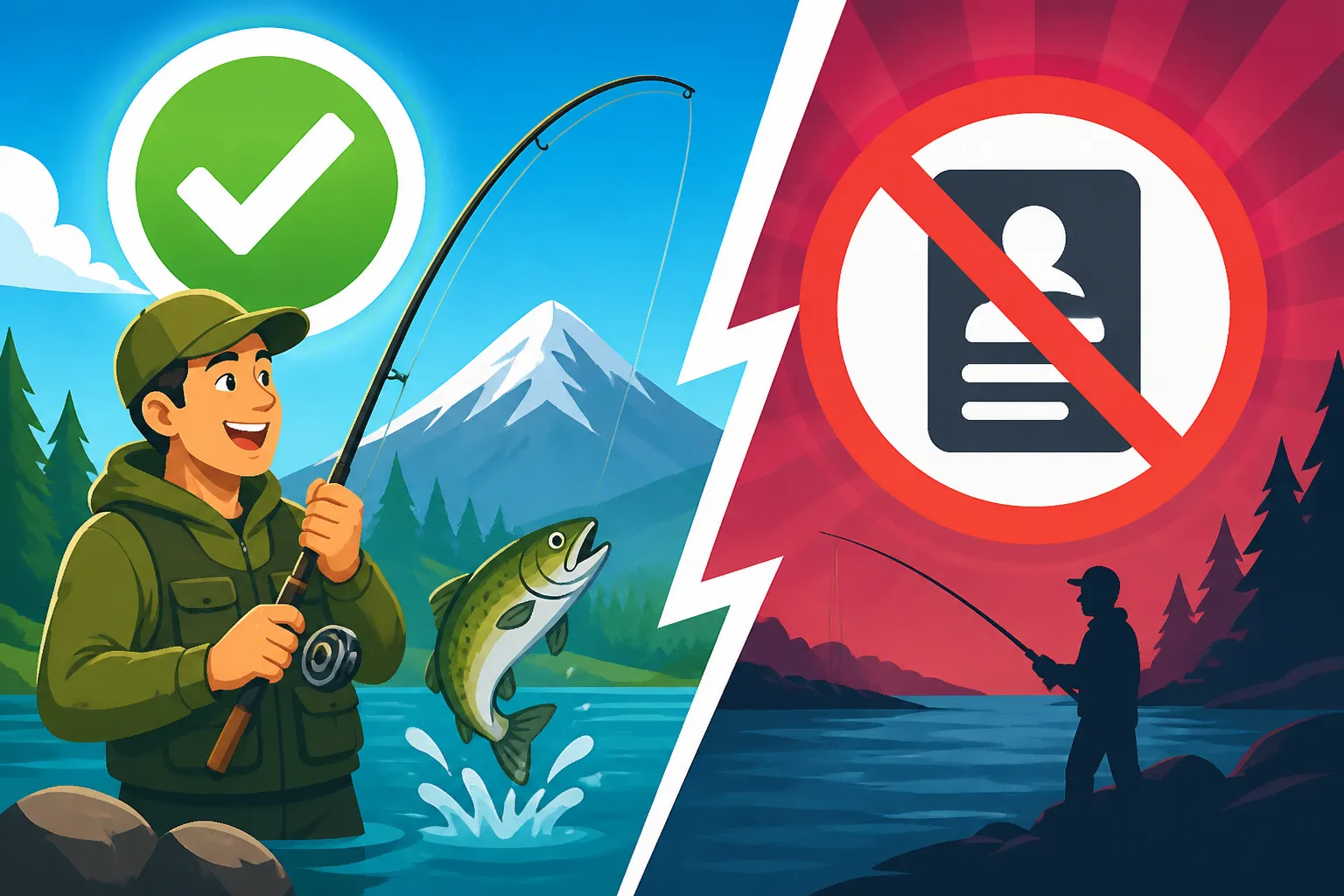
In Oregon, a "Free Fishing Weekend" is a designated period, typically Saturday and Sunday, when residents and non-residents alike can fish, crab, or clam without needing an Oregon fishing license or a Combined Angling Tag. These events usually happen twice a year, though the dates can shift slightly each year. Historically, you'll often find one in early June – a perfect time as the weather warms up and many species are active – and another around the Thanksgiving holiday weekend, which might seem a bit chilly but can offer some surprisingly good winter steelheading or crabbing opportunities. It's always a good idea to check the official ODFW website or your local tackle shop for the confirmed dates each year, just to be absolutely sure you’ve got them marked on your calendar.
The core idea is to remove the initial barrier of cost and paperwork, making it super easy for anyone to give fishing a go. Imagine taking your kids or grandkids out for their first fishing trip without having to navigate the complexities of individual licenses, especially if you're just dipping your toes in. It’s a wonderful way to create lasting memories without the upfront commitment.
What Rules Are Waived During These Weekends?
Okay, here’s where the "gotcha" can sometimes sneak in if you’re not paying close attention. During an official Oregon Free Fishing Weekend, the ODFW waives the requirement for:
- An Oregon fishing license: This is the big one, the main draw. You can grab your rod and reel and head to most waters without purchasing an Oregon Fishing License Guide.
- A Combined Angling Tag: Many anglers fishing for salmon, steelhead, sturgeon, or halibut would normally need a Oregon Combined Angling Tag Guide in addition to their license. This tag is also typically waived during free fishing weekends, which is a significant saving and simplification for those targeting these popular species.
However, and this is critically important, while the license and tag requirements are temporarily lifted, most other fishing regulations remain firmly in place. This is not a free-for-all! Think of it less as a "no rules" weekend and more as a "no license fee" weekend. This distinction is crucial for both conservation and avoiding a hefty fine.
Here's what you absolutely still need to follow during a free fishing weekend:
- Daily Bag Limits: You cannot just keep every fish you catch. There are strict limits on how many fish of each species you can harvest per day. These limits vary by species, waterbody, and time of year.
- Size Restrictions: Many species have minimum or maximum size limits. For instance, a trout might need to be at least 8 inches long, or a sturgeon might have a specific slot limit. Keeping an undersized or oversized fish is still illegal.
- Gear Restrictions: If a river section is "fly-fishing only," you still need to use a fly rod. If barbless hooks are required for steelhead, you must use them. The number of rods you can fish with is also typically limited (usually one or two, depending on the water).
- Closed Seasons or Areas: Just because it's a free fishing weekend doesn't mean a river closed for salmon spawning suddenly opens up. Season dates and area closures are still in effect to protect vulnerable fish populations.
- Specific Endorsements (usually): While the general Combined Angling Tag is waived, specific endorsements like the Columbia River Basin Endorsement or the Ocean Endorsement are usually not waived, especially if you're targeting species in those specific zones. This is something you absolutely need to verify with the current ODFW regulations for the year, as these can sometimes be a point of confusion.
- Shellfish Licenses/Tags: If you plan on crabbing or clamming, a separate Oregon Shellfish License is generally still required, even during free fishing weekends. These are different activities with their own licensing structures.
The takeaway? Always consult the current Oregon Fishing Regulations Explained before you head out, even on a free weekend. Ignorance of the rules is not a defense, and a good game warden will remind you of that with a ticket.
Key Regulations That Still Apply
It’s easy to get caught up in the excitement, but understanding the nuances of Oregon’s fishing regulations is paramount, even when the state is giving you a pass on the license fee. These rules are put in place for very good reasons: to protect the diverse fish populations and ensure that future generations can enjoy the same incredible fishing opportunities we have today.
Bag Limits and Size Restrictions
Imagine if everyone kept every fish they caught. Our rivers and lakes would be depleted in no time! That's why bag limits and size restrictions are the bedrock of sustainable fishing, and they remain in full effect during free fishing weekends. These limits are not arbitrary; they are based on scientific data about fish populations, spawning cycles, and ecological health.
For instance, when you're targeting trout in a stocked lake, you might have a generous daily bag limit, perhaps five fish. But if you're fishing for a sensitive species like wild steelhead on the Deschutes River Fishing Guide, the rules might be strictly catch-and-release, or a very limited number of hatchery-marked fish. Similarly, a legal Chinook salmon might need to be at least 24 inches long, while a different species could have a totally different minimum. It’s not just about how many, but also about which ones.
The ODFW publishes detailed Oregon Daily Bag Limits Explained for every fishing zone and species. You'll find different rules for the Willamette Zone compared to, say, the Southwest Zone, or for specific bodies of water within those zones. It's like a complex puzzle, but a critical one to solve before you wet a line. Always confirm the specific regulations for the particular body of water you intend to fish, whether it's the Columbia River, a small Cascade lake, or a coastal stream. This information is readily available in the ODFW regulation booklet, which you can usually pick up at most tackle shops or download as a PDF from their website.
Area and Season Closures
Just as crucial as bag and size limits are area and season closures. These rules protect fish during sensitive times, like spawning runs, or in specific locations that serve as critical habitat. A free fishing weekend does not grant you access to closed waters or permit you to fish during a closed season for a specific species.
Think about salmon and steelhead. Many rivers have designated "closed" periods to protect spawning fish and their eggs, or certain sections might be off-limits to all angling, or to specific gear types. For example, a river might be open for trout fishing but closed to salmon and steelhead until a later date. Or, certain tributaries might be closed entirely to protect juvenile fish. High mountain lakes might open later in the season due to ice melt.
Checking the ODFW's weekly recreation report and the full regulation booklet is your best bet to avoid inadvertently fishing in a closed area or during a restricted season. This is where local knowledge from tackle shops can also be invaluable, but always cross-reference with the official ODFW publications. There’s nothing more disappointing than driving hours to a spot only to find out it's closed, or worse, getting a citation for fishing where you shouldn't be.
Gear Restrictions and Methods
Oregon is incredibly diverse, and so are its fishing regulations regarding gear and methods. These restrictions are often in place to protect fish or to ensure fair chase. A free fishing weekend does not exempt you from these.
Consider fly-fishing only waters like certain stretches of the Metolius River or the Deschutes. On these rivers, using bait or spinning gear, even with a license waiver, is strictly forbidden. Similarly, many rivers that see significant steelhead runs, especially during the winter months, require anglers to use barbless hooks. This is a conservation measure designed to increase the survival rate of released fish, particularly wild steelhead which are often required to be released under Oregon Catch-and-Release Rules.
Other common gear restrictions include:
- Number of rods: Typically, an angler is allowed to fish with only one rod at a time, although some exceptions exist, like fishing for warmwater species in certain lakes where two rods might be permitted.
- Bait limitations: Some waters prohibit bait altogether, while others might restrict certain types of bait, especially live bait, to prevent the spread of invasive species or diseases. You can learn more about what's allowed in the Oregon Bait and Lure Guide.
- Use of scent: Some areas might have restrictions on the use of scents on lures or bait.
Again, the comprehensive Oregon Fishing Regulations Explained booklet is your authoritative source for all these details. Before you pack your tackle box, spend some time reviewing the rules for your intended fishing destination.
Preparing for Your Free Fishing Adventure
So, you’ve got the dates for a free fishing weekend marked on your calendar, and you’re fully aware that most of the conservation-based regulations still apply. Fantastic! Now comes the fun part: getting ready for your adventure. Even though you're saving money on a license, there's still some essential preparation involved to make sure your trip is successful, safe, and most importantly, enjoyable.
Essential Gear and Equipment
You might not need a license, but you'll definitely need some basic gear. Don't worry, you don't need to break the bank to get started, and many items can be found affordably. Think of it as an investment in a new hobby!
Here’s a basic checklist:
- Rod and Reel: A simple spinning combo is perfect for beginners and versatile enough for various species like trout, bass, or panfish. You can find decent starter kits for under $50.
- Fishing Line: Most combos come pre-spooled, but having extra line (8-12 lb test is a good all-around choice) is always wise.
- Hooks: A variety of sizes (e.g., #6, #8, #10 bait holder hooks) will cover most small to medium fish. Make sure to have both barbed and barbless options, knowing when to use which.
- Sinkers/Weights: Split shot weights or an assortment of bell sinkers will help get your bait down to where the fish are.
- Bobbers/Floats: These are fantastic for visual bite detection, especially for kids.
- Bait or Lures:
- Bait: Worms are king for trout and panfish, and readily available at most tackle shops or even in your backyard. PowerBait or similar scented dough baits are also very effective for stocked trout.
- Lures: Small spinners (like Rooster Tails or Mepps) and spoons are great for trout and can be very exciting when fish strike. You can often find multi-packs of these online at places like Amazon or at local sporting goods stores like Cabela's or Sportsman's Warehouse.
- Needle-nose Pliers or Hemostats: Essential for safely removing hooks from fish, especially if you plan to release them.
- Stringer or Cooler: If you plan to keep fish, you'll need a way to store them to keep them fresh.
- Measuring Tape: Crucial for checking those size limits!
- Small Tackle Box or Bag: To keep all your bits and pieces organized. You can find simple, inexpensive tackle boxes on Amazon that are perfect for a beginner's setup.
Beyond the fishing specific items, think about personal comfort and safety:
- Sun Protection: Hat, sunglasses, sunscreen – even on cloudy Oregon days, UV rays can be strong.
- Rain Gear: This is Oregon. Enough said. A good waterproof jacket and pants will save the day.
- Layers of Clothing: The weather can change quickly.
- Water and Snacks: Stay hydrated and fueled.
- First-Aid Kit: Small cuts from hooks or rough handling can happen.
- Life Vest (PFD): If you'll be fishing from a boat, kayak, or even near fast-moving water, a properly fitting life vest is non-negotiable. Many of these can also be found on Amazon or at outdoor retailers.
Locating Family-Friendly Spots and Resources
Oregon is brimming with fantastic fishing opportunities, but for a free fishing weekend, you'll likely want to focus on accessible, often-stocked locations that give you the best chance of success. Nothing dampens enthusiasm faster than a day without a bite!
The ODFW is your absolute best friend here. They have an excellent "Easy Angling Opportunities" section on their website, which highlights lakes and ponds that are regularly stocked with trout, have good bank access, and are often suitable for families and beginners. Many of these spots are near urban areas, like Henry Hagg Lake near Forest Grove, or smaller ponds around Portland, Salem, or Bend. Best Places to Fish in Oregon will often include these spots.
Another fantastic resource is the ODFW's weekly "Recreation Report." This report updates conditions, stocking schedules, and fishing forecasts for regions across the state. It’s like getting insider info straight from the source. You can often find specific details about recent trout stockings in places like the Willamette Valley or Central Oregon lakes.
Don't underestimate your local tackle shop! Places like Fisherman's Marine & Outdoor, Bi-Mart, or even the sporting goods section of Fred Meyer, often have staff who are avid local anglers. They can provide hyper-local advice on what’s biting, where to go, and what bait or lure to use. They’re goldmines of information and can point you to the Best Lakes to Fish in Oregon for your free weekend. Plus, supporting local businesses is always a good thing!
The Importance of the ODFW Regulation Booklet
I've mentioned it a few times, but it bears repeating: the Oregon Sport Fishing Regulations booklet is your Bible. Seriously, it contains all the specific rules for every waterbody, every species, and every method across the entire state. Even during a free fishing weekend, this book is your guide to staying legal and fishing ethically.
Here's why it's so important:
- Zone-Specific Rules: Oregon is divided into multiple fishing zones (e.g., Northwest, Southwest, Central, Marine). Each zone, and often specific rivers or lakes within them, has unique regulations. What's legal on the Columbia River might be illegal on the Umpqua. This booklet details the Oregon Fishing Zones Explained.
- Species-Specific Information: It will tell you the daily bag limits for rainbow trout, the minimum size for a legal Chinook salmon, or if you must release all wild steelhead.
- Gear Rules: Clarifies barbless hook requirements, bait restrictions, and the number of rods allowed.
- Emergency Closures: While the printed booklet is updated annually, ODFW issues emergency closures or regulation changes throughout the year. The online version or their recreation report is vital for the most up-to-date info.
You can download a PDF version of the current year’s regulations directly from the ODFW website, or you can pick up a physical copy wherever fishing licenses are sold (sporting goods stores, grocery stores, bait shops). Make it a point to review the section for the specific waterbody you plan to fish before you leave home. It's a small investment of time that can save you a lot of hassle and potential fines. Remember, just because you don't need an Oregon Fishing License Types Explained doesn't mean you're exempt from knowing the rules! Even if you’re fishing with kids, they also need to adhere to the rules, though Do kids need a fishing license in Oregon? is usually focused on the license itself, not the underlying regulations.
| Rule Category | Waived During Free Fishing Weekend? | Still Required? |
|---|---|---|
| Angling License | Yes | No (This is the primary benefit of the weekend!) |
| Combined Angling Tag | Yes | No (Typically waived for salmon, steelhead, sturgeon, halibut) |
| Daily Bag Limits | No | Yes (Must adhere to limits for all species) |
| Size Restrictions | No | Yes (Must release undersized/oversized fish) |
| Season/Area Closures | No | Yes (Cannot fish in closed waters or during closed seasons) |
| Gear Restrictions | No | Yes (e.g., barbless hooks, fly-fishing only, number of rods) |
| Columbia Basin Endorsement | No (Usually not) | Yes (Typically still required for certain species in the Columbia River Basin) |
| Ocean Endorsement | No (Usually not) | Yes (Typically still required for certain marine species) |
| Shellfish License/Tags | No | Yes (Separate license and tags required for crabbing/clamming) |
Disclaimer
Please note that fishing regulations can change frequently. While this guide provides general information about Oregon's Free Fishing Weekends, it is crucial to always consult the most current Oregon Department of Fish and Wildlife (ODFW) regulations and emergency updates before heading out. This content is for informational purposes only and should not be considered legal advice.