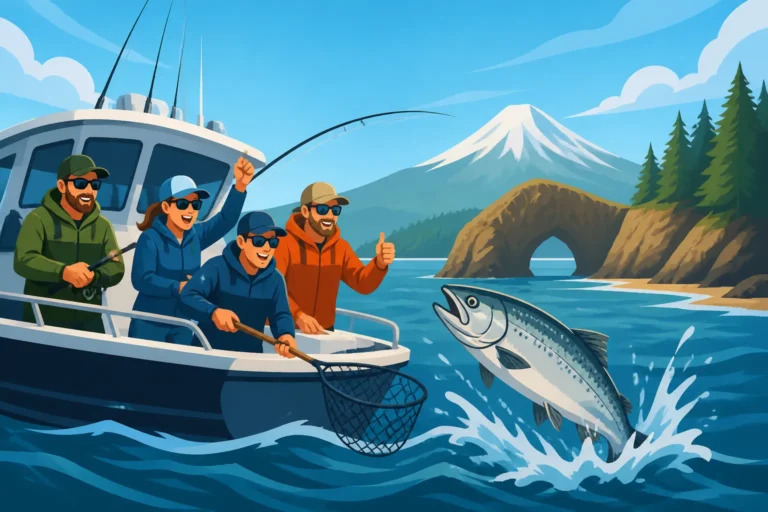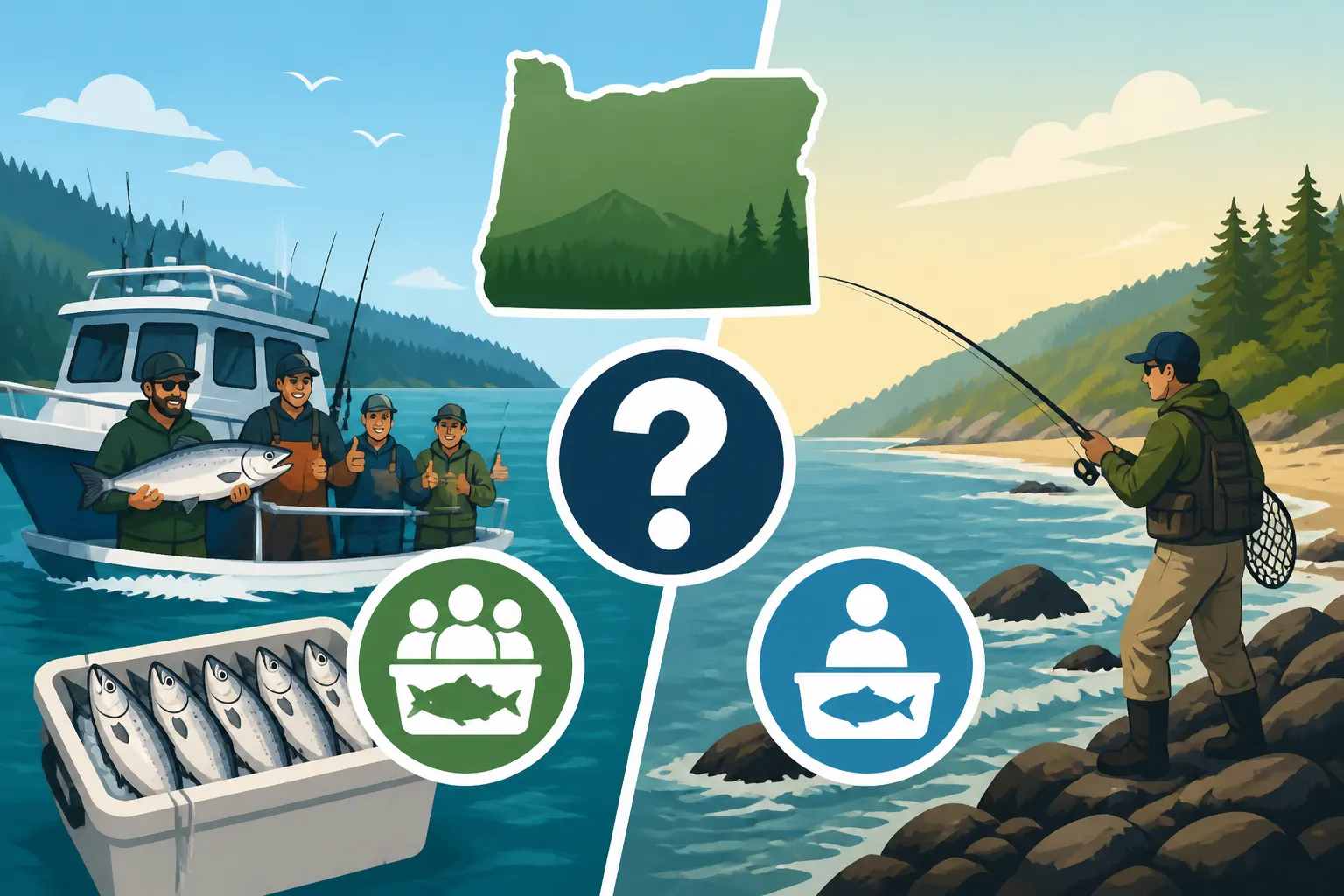
Are charter boat limits the same as regular daily limits?
One of the biggest head-scratchers for anglers heading out on an Oregon fishing charter is figuring out if the rules change once you step aboard. It's easy to assume that because you're with a professional guide and on a licensed boat, the usual daily bag limits you follow when fishing from shore or your own small boat might be different. This often leads to confusion and even some anxiety about what you can legally keep. This guide will unravel the common misunderstandings about fishing limits on Oregon charter boats, explaining the nuances between individual daily limits and other regulations that might come into play, ensuring you're clear on what to expect for your next adventure.
Understanding Fishing Limits in Oregon: The Basics
Before we dive into the specific world of charter boats, it’s crucial to grasp the foundational concepts of fishing limits in Oregon for individual anglers. These rules are the backbone of sustainable fisheries management, designed to protect fish populations for future generations of anglers. Ignoring them, even unintentionally, can lead to serious consequences, so knowing them inside and out is your first line of defense.
Daily Bag Limits Explained for Individual Anglers
When you're out fishing by yourself, whether it's casting a line from a riverbank or piloting your personal craft on a lake, you're always subject to the daily bag limit. This limit dictates the maximum number of a specific fish species you can legally keep within a 24-hour period, from midnight to midnight. For instance, you might find that the daily bag limit for rainbow trout in many stocked lakes is five fish, or perhaps a different number for salmon on the Columbia River Fishing Guide. These limits are set by the Oregon Department of Fish and Wildlife (ODFW) and are clearly laid out in the annual Oregon Fishing Regulations Explained booklet.
It’s important to remember that these limits apply to you as an individual. If you catch five legal trout and decide to stop fishing for the day, you've met your daily limit. You can't then hand your rod to a friend who hasn't fished yet and expect them to start catching fish for you to keep under their limit if your intent is to circumvent your own personal limit. Each angler is accountable for their own take. This principle of individual accountability is a cornerstone of fishing regulations everywhere, and it doesn't magically disappear when you step onto a bigger boat.
Possession Limits and How They Differ from Daily Limits
Beyond the daily bag limit, Oregon also enforces possession limits. This is where things can sometimes get a little more complex, especially for anglers planning multi-day trips or those who like to freeze their catch. A possession limit refers to the total number of a specific fish species you can have in your possession at any given time, whether it's on your person, in your cooler, in your vehicle, or stored at home. This limit is often higher than the daily bag limit, but not always, and it's intended to prevent the accumulation of an excessive number of fish over multiple fishing days.
For example, if the daily bag limit for a certain species is two fish, the possession limit might be six. This means you could catch two fish on Monday, two on Tuesday, and two on Wednesday, and still be within your possession limit when you head home on Wednesday evening with six fish total. However, you couldn't catch two fish on Monday, then catch six more on Tuesday, because your daily limit on Tuesday would be two, and your total possession would exceed six after Monday and Tuesday's catch. The key here is understanding that the possession limit acts as an overarching cap, preventing individuals from continuously fishing and accumulating catch without proper oversight. It's a critical tool for managing fisheries, especially for highly sought-after species that people might travel long distances to pursue.
Navigating Limits on an Oregon Fishing Charter
Now that we've covered the basics of individual and possession limits, let's address the burning question: how do these rules apply when you're fishing with a professional guide on a charter boat? The simple answer is often more nuanced than people initially think, especially when specialized trips or certain species are involved.
Individual Daily Limits on Charter Boats: The Standard Rule
For most fishing trips on an Oregon charter boat, whether you're targeting salmon, rockfish, or other common species, the fundamental rule remains the same: each individual angler on board is subject to their own personal daily bag limit. Your guide doesn't have a magical "boat limit" that overrides your individual responsibility. If the daily limit for Chinook salmon is two, then you, as an individual angler, can keep two legal Chinook salmon. The person next to you can also keep two, and so on, up to the number of licensed anglers on the boat.
This means that if you're on a charter with five other paying clients, and everyone successfully lands their limit of two salmon each, the boat could potentially come back to the dock with a total of twelve salmon. The guide's role is not to catch fish for their limit, but to help you catch your legal limit. They are there to put you on the fish, help you identify legal keepers, and ensure you're compliant with all regulations. Reputable charter operators, which you can often find listed on platforms like FishingBooker, make it their business to understand and enforce these rules meticulously to protect both their clients and their livelihood. They will constantly remind you of the limits for the species you are targeting and will often track the catch for everyone on board to ensure compliance.
The Concept of Vessel Limits and How They Can Apply
While the individual daily limit is the primary rule, there are specific situations, often involving highly managed or sensitive fisheries, where a vessel limit might come into play. A vessel limit is a regulation that restricts the total number of a specific species that can be retained by an entire boat, regardless of how many anglers are on board. This type of limit is less common for general ocean bottom fishing or river trout trips but can be crucial for species with very strict quotas or seasons.
A classic example where vessel limits are frequently encountered is with species like Pacific halibut or specific tuna fisheries. ODFW, often in coordination with federal agencies, might set a total number of halibut that can be caught by a charter vessel per trip, or per week, or even for the entire season. This means that even if there are six anglers on board, and each person could theoretically keep one halibut according to their individual daily limit, the boat might only be allowed to retain four halibut total for that specific trip. In such a scenario, the boat "limits out" when four halibut are landed and kept, and any subsequent halibut caught would have to be released, even if individual anglers haven't filled their personal daily quota. This is where communication with your charter captain is absolutely vital. A good captain will explain these vessel-specific rules upfront so you understand the expectations before you even leave the dock. You can usually find information about these specific regulations in the detailed sections of the Oregon Fishing Regulations Explained booklet, and a good charter will always keep you informed.
Specific Scenarios: When Limits Get Tricky
Navigating fishing limits can sometimes feel like a puzzle, especially when you factor in species-specific rules, endorsements, and dynamic changes in regulations. Oregon's diverse fisheries mean there are unique situations where limits on charter boats might diverge from the simplest "one-person, one-limit" rule.
Halibut and Tuna: Prime Examples of Unique Charter Limits
When you head out for a deep-sea adventure targeting Pacific halibut or albacore tuna off the Oregon coast, you're stepping into a world of highly managed fisheries. Pacific Halibut off Oregon are a perfect example where vessel limits, combined with specific season dates and quotas, heavily influence what you can keep. Halibut seasons are often very short and can close suddenly if the overall quota is met. On a charter, you might face a scenario where, even if the individual daily limit is one halibut, the vessel itself has a limit of, say, two fish for the entire boat on a given day. This means if the first two anglers land their halibut, the rest of the boat goes home without one, even if they had a license and a tag to do so. It's not uncommon for charter boats specializing in these species to have very clear rules on how the catch is distributed or when the trip concludes based on vessel limits.
Similarly, while albacore tuna generally have generous individual daily limits when they are in season off Oregon, their migratory nature means their presence is unpredictable. Charters targeting tuna might focus on finding schools and maximizing catch efficiency, but they will still adhere to individual limits. The challenge here isn't usually a strict vessel limit but rather the logistics of processing a large number of fish for multiple anglers. Always confirm the current Oregon Halibut Tag Requirements and any special regulations with your charter captain before embarking on these specialized trips.
Columbia River Salmon: Navigating Complex Regulations
Fishing for Chinook Salmon in Oregon on the mighty Columbia River is an iconic experience, but it also comes with some of the most intricate and frequently changing regulations in the state. The Columbia River is managed by both Oregon and Washington, leading to complex rules regarding species, size, hatchery vs. wild fish, and specific zones. On a Columbia River salmon charter, your guide will be a master of these ever-shifting rules, which can include daily bag limits that differentiate between hatchery and wild salmon (with wild salmon often being catch-and-release only). You might also encounter specific rules for certain sections of the river, or "bonuses" for other species like shad.
For example, a daily limit might be two adult salmon, but only one of which can be a wild Chinook, or perhaps specific tributaries have different rules entirely. The guide's experience is invaluable here, as they'll ensure everyone adheres to the exact regulations for the day and location, including proper fin clipping checks and the correct use of a Oregon Catch Record Card Requirements. The complexity of these regulations is a prime reason why many anglers opt for a guided trip on the Columbia – it takes the guesswork out of compliance.
Catch-and-Release vs. Retention: The Guide's Role
Beyond just the numbers of fish, charters also navigate the rules around catch-and-release versus retention. Some fisheries, or specific times of year, may be designated as entirely catch-and-release for certain species, particularly for wild steelhead or endangered salmon runs. Your guide will rigorously enforce these rules, not just because it's the law, but because it's crucial for conservation. They'll also teach you the best practices for safe catch-and-release to minimize harm to the fish.
Even when retention is allowed, a guide might encourage releasing certain fish if they are undersized, or if there's a strong chance of filling the boat's or individual's limit with larger, healthier specimens. The ultimate goal for a professional guide is to provide a memorable and legal fishing experience while also being a steward of the resource. If you're hoping to learn advanced techniques like Oregon Salmon Fishing Techniques or Oregon Steelhead Fishing Techniques, a good guide will not only help you catch fish but also educate you on these vital conservation practices.
Why Regulations Vary and Your Responsibility
It can sometimes feel overwhelming trying to keep up with all the different rules and regulations, especially when they seem to change depending on where you are or what kind of trip you're on. But there's a good reason for this complexity, and understanding it can help you appreciate the bigger picture.
Conservation as the Driving Force Behind Regulations
The primary reason for varying and sometimes intricate fishing regulations in Oregon is conservation. Fish populations are dynamic, influenced by environmental factors like water temperature, river flows, ocean conditions, and spawning success, as well as fishing pressure. ODFW constantly monitors these factors and adjusts limits, seasons, and other rules to ensure the long-term health and sustainability of fish stocks.
For instance, if a particular salmon run is projected to be lower than average, daily bag limits might be reduced, or certain areas might become catch-and-release only to ensure enough fish make it to the spawning grounds. For species like White Sturgeon in Oregon, which are long-lived and vulnerable, very strict slot limits and retention seasons are implemented to protect different age classes. These decisions are made based on scientific data, not arbitrary whims. When you follow the regulations, whether on your own or on a charter, you're directly contributing to the health of Oregon's fisheries for future generations. It's a collective responsibility that we all share as anglers.
The Captain's Authority and Your Role as an Angler
On an Oregon fishing charter, the captain is not just operating the boat; they are ultimately responsible for ensuring that everyone on board complies with all applicable fishing regulations. They hold a commercial license and their livelihood depends on maintaining a clean record and reputation. This means the captain has the final say on fishing activities, including when to stop fishing, what fish can be kept, and how many. If a captain determines that the boat has reached a vessel limit, or if an individual angler has reached their personal limit, they will instruct everyone accordingly, even if it means cutting the fishing short for some or all clients. This isn't to be punitive but to protect everyone from potential Oregon Fishing Violations and Penalties.
As an angler on a charter, your role is to listen attentively to your captain and crew, ask questions if you're unsure about a rule, and cooperate fully. Trust their expertise; they are on the water constantly and often have the most up-to-date information on emergency closures or in-season changes. Before booking, especially through services like FishingBooker, you should always review the charter's policy on limits and what happens if boat limits are met. Understanding this relationship and your responsibilities will ensure a smooth, enjoyable, and most importantly, legal fishing trip. A good guide isn't just a fish-finder; they are a regulation interpreter and a conservation advocate.
Here’s a quick overview of how limits typically apply:
| Limit Type | Applies To | How it Works on a Charter (Typical) | Common Examples |
|---|---|---|---|
| Individual Daily | Each licensed angler | Each angler can keep their personal limit. Captain helps track. | Trout, general salmon, rockfish, bass |
| Individual Possession | Each licensed angler, total fish in transit/storage | Total fish an angler can legally have over multiple days/trips. | Multiple day river trips, storing fish at home |
| Vessel Limit | The entire boat/charter | Applies to specific species/seasons, capping total for the boat regardless of anglers. | Pacific Halibut, some Tuna seasons |
In conclusion, while the core principle of individual daily limits largely holds true on Oregon fishing charters, the addition of vessel limits for certain species and the dynamic nature of regulations mean that a charter experience can have unique considerations. Always be prepared to adhere to both your individual limits and any specific vessel-based restrictions communicated by your experienced captain. Choosing a reputable charter, easily found on platforms like FishingBooker, means you're enlisting the help of professionals who are well-versed in these rules and committed to a legal and ethical fishing adventure. Before you head out, familiarize yourself with the general Oregon Fishing License Guide and always ask your captain for the most current information regarding the specific fishery you'll be exploring.
Disclaimer
This article is for general informational purposes only and does not constitute professional advice. Laws, prices and regulations vary by location and change over time. Consult a qualified professional for guidance on your specific situation.