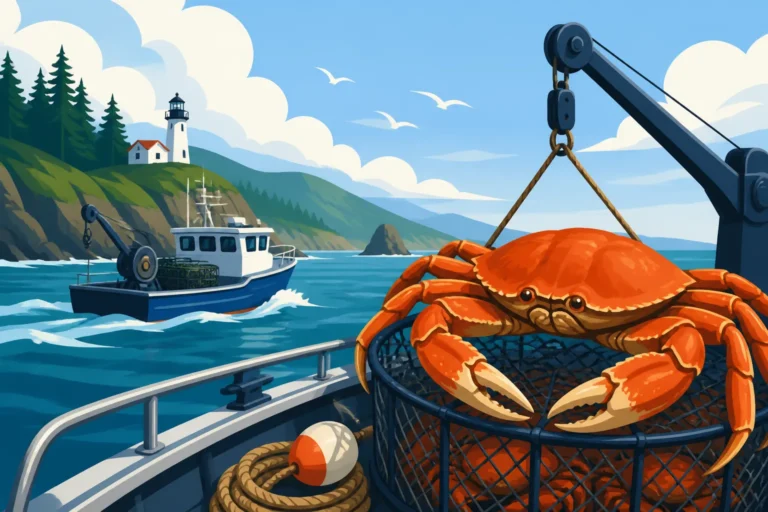
Can you keep the fish you catch on an Oregon charter?
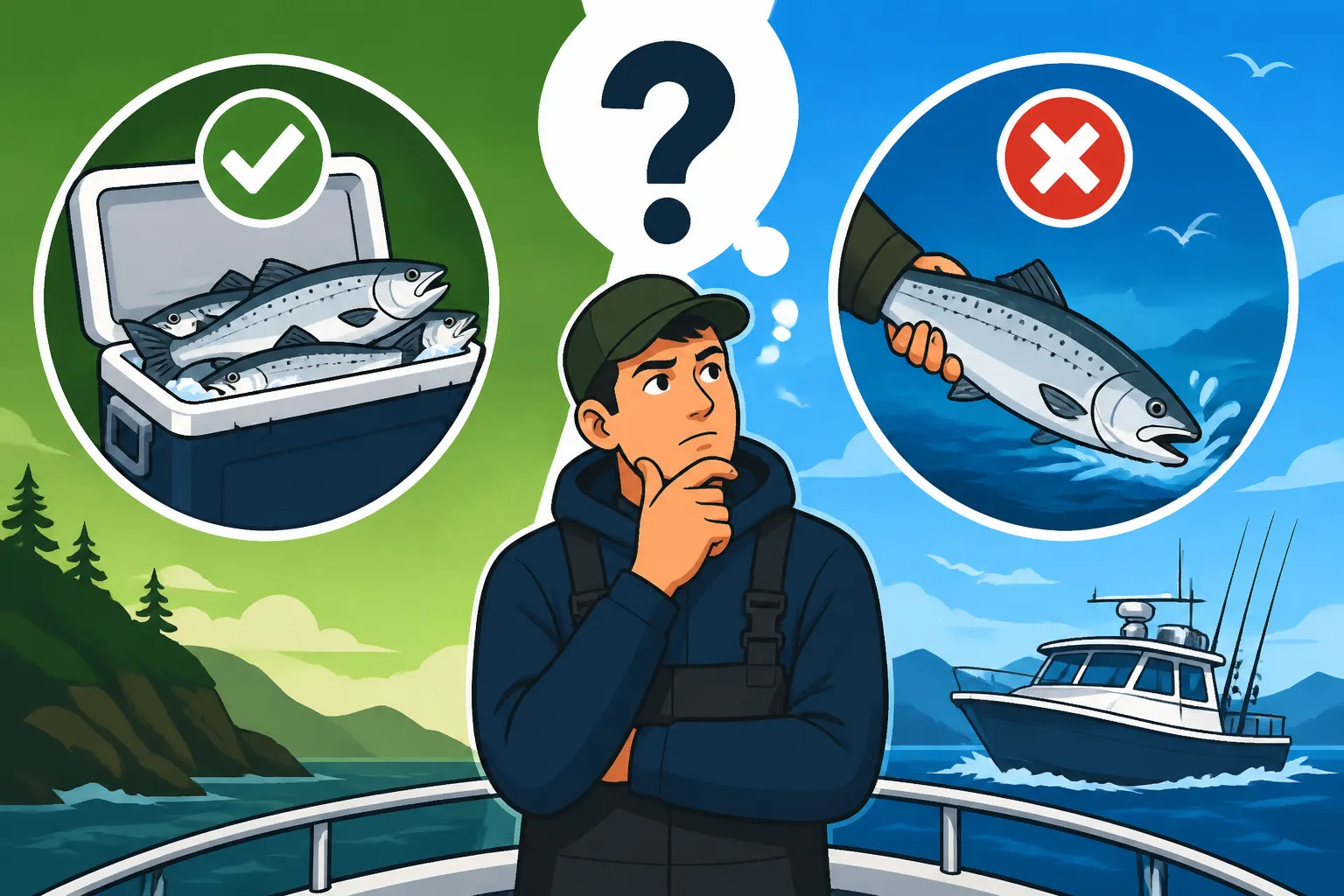
One of the most common questions and biggest joys when planning an Oregon fishing charter is imagining that triumphant moment when you bring in a magnificent fish. But let's be real, the dream of taking home a cooler full of fresh salmon or halibut can sometimes bump up against the reality of ever-changing regulations and specific trip types. It's frustrating to head out on a charter, catch some fantastic fish, and then realize you can't actually keep them all, or even any, due to rules you weren't aware of. This guide will walk you through exactly what to expect regarding keeping your catch on an Oregon fishing charter, covering the regulations, the role of your captain, and how to prepare for your fish-filled journey home.
Understanding the Basics: Charter Fishing and Regulations
When you step aboard a fishing charter in Oregon, you're not just hopping on a boat for a joyride; you're entering a highly regulated fishing environment. This isn't your casual cast-off-the-dock experience. Charter captains and their vessels operate under stringent federal and state rules designed to manage fish populations and ensure sustainable fishing for everyone.
The Role of Your Charter Captain
Your charter captain is much more than just a skilled boat operator and fishing expert. They are intimately familiar with the complex web of fishing regulations that govern Oregon's waters, whether you're out in the Pacific Ocean or navigating one of our many rivers. These regulations can change rapidly, sometimes even daily, based on quotas, stock assessments, and emergency closures.
A good captain will be your primary source of information for what can and cannot be kept on your specific trip. They are legally responsible for ensuring that all anglers on board adhere to these rules. This means they will instruct you on size limits, bag limits, species identification (especially distinguishing between wild and hatchery fish), and even proper handling for catch-and-release. Trust their judgment; they're looking out for your best interest and the health of the fishery. If a captain tells you a fish needs to go back, it's for a very good reason, and it's imperative to comply. You can often find reputable guides and learn about their specific trip rules on platforms like FishingBooker.
Why Oregon's Regulations Matter
Oregon's fishing regulations are in place to conserve fish populations and ensure healthy fisheries for future generations. For many species, like salmon and steelhead, we’re dealing with wild runs that face significant challenges, so careful management is crucial. These regulations might cover:
- Seasons: Specific dates when certain species can be targeted and retained.
- Areas: Some bodies of water or specific zones might have different rules than others, or even be entirely closed to fishing for certain species. Oregon Fishing Zones Explained can shed more light on this.
- Species-specific rules: Different fish have different rules regarding size, bag limits, and whether they can be kept at all.
- Gear restrictions: Certain types of hooks, bait, or gear might be prohibited depending on the area or target species.
- Catch-and-release requirements: For some vulnerable populations, like wild steelhead or certain sizes of sturgeon, only catch-and-release is allowed.
Understanding that these rules are dynamic is key. What was open yesterday might be closed today, or a quota might be met early, leading to an immediate closure. Your charter captain will have the most up-to-date information for your trip.
What Determines if You Can Keep Your Catch?
So, you’ve hooked into a beauty! The next step is knowing if it can make it into your cooler. Several factors come into play here, all dictated by Oregon Department of Fish and Wildlife (ODFW) rules and sometimes federal regulations for ocean fisheries.
Species-Specific Regulations
Each fish species you might target on an Oregon charter has its own set of rules. For instance, Oregon Salmon Species Guide or Oregon Steelhead Guide will tell you that salmon and steelhead fishing often involves differentiating between hatchery-marked (fin-clipped) fish, which can usually be kept, and wild fish, which are often required to be released.
- Salmon: Generally, ocean salmon charters target Chinook and Coho. You'll need to pay close attention to the specific salmon runs open at the time, daily bag limits, and whether a fin-clip is required. Often, an Oregon Combined Angling Tag Guide is also necessary for these prized fish.
- Halibut: Pacific Halibut fishing is highly regulated with very specific seasons, often limited to certain days of the week and specific quotas. When the season is open, daily limits and size restrictions apply. Pacific Halibut off Oregon offers more details.
- Bottomfish (Rockfish, Lingcod): These are often more consistently available, but still have species-specific bag limits and sometimes depth restrictions to protect certain species.
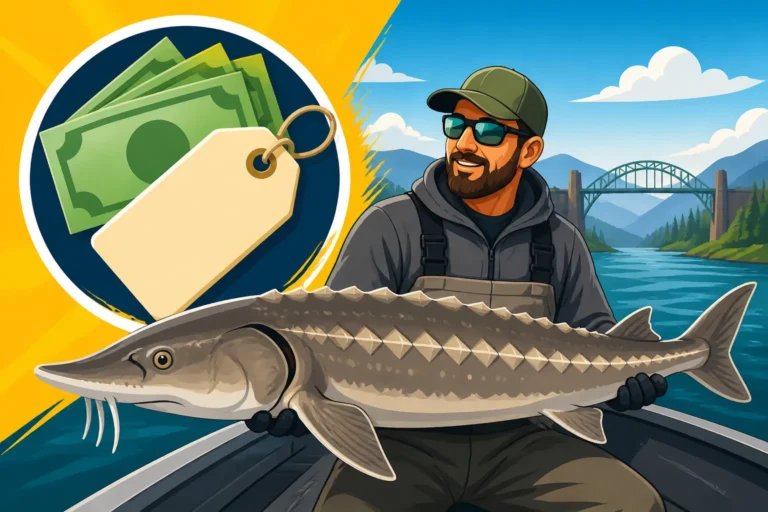
- Sturgeon: On the Columbia River, sturgeon fishing is almost entirely catch-and-release, with very limited, short retention seasons that are announced with strict slot limits. Releasing these ancient giants safely is paramount. More information can be found in our Oregon Sturgeon Guide.
- Trout/Bass: On lake and river trips, species like Rainbow Trout, Cutthroat Trout, or Smallmouth Bass will have their own limits, which can vary significantly by water body.
Daily Bag and Possession Limits
"Daily bag limit" refers to the maximum number of fish of a specific species that an individual angler can keep in a single day. "Possession limit" refers to the maximum number of fish you can have in your possession, whether that's on your person, in your cooler, or at your home. For most recreational anglers, the possession limit is usually one or two daily bag limits. For charter trips, your captain will ensure you stay within these limits.
Imagine you're on an ocean charter out of Newport, targeting bottomfish. The captain will constantly keep track of how many lingcod or rockfish have been boated to ensure the entire group doesn't exceed the combined vessel limit, or individual anglers exceed their personal daily limit. These limits are crucial for sustainable fishing and are strictly enforced.
Size Limits and Hatchery vs. Wild Fish
Size limits are common for many species. A fish might be legal to keep only if it falls within a certain length range (a "slot limit") or exceeds a minimum length. For instance, some trout might need to be at least 8 inches long, while certain sturgeon might have a slot limit of 44-54 inches to protect both juvenile and large breeding adults.
The distinction between hatchery-reared and wild fish is especially important for salmon and steelhead in Oregon. Hatchery fish are typically marked with a clipped adipose fin (a small fleshy fin on their back near the tail). These fin-clipped fish are usually legal to retain, as hatcheries are designed to supplement sport fisheries. Wild fish, identified by an intact adipose fin, are often protected and must be released unharmed. Your captain will guide you through these identifications on the water. This is a critical aspect of Oregon Fishing Regulations Explained.
Common Scenarios and Expectations on an Oregon Charter
What you can keep often depends heavily on the type of charter you book and where you're fishing.
Ocean Charters: Salmon, Halibut, and Bottomfish
Ocean charters typically depart from coastal ports like Newport, Garibaldi, or Astoria. These trips are often focused on bringing home a catch, but with strict adherence to the rules.
- Salmon Charters: When targeting Chinook or Coho salmon, you'll generally be able to keep your legal-sized, fin-clipped fish within the daily bag limit. If you land a wild salmon, it must be carefully released. Captains will often have a designated fish box for the day's catch, and at the end of the trip, they'll often guide you through the process of tagging your fish with your combined angling tag information.
- Halibut Charters: These are often highly coveted trips due to the delicious nature of halibut and the limited seasons. If you're on a halibut trip during an open season, you can almost certainly keep your legal-sized halibut, typically one per person. Remember, these seasons can be very short, so booking in advance on sites like FishingBooker is often a good idea.
- Bottomfish Charters: These trips, targeting rockfish and lingcod, usually offer a good chance to bring home a diverse catch. Daily limits apply to individual species and sometimes to the aggregate number of all bottomfish. Your captain will ensure you stay within these limits, and often the crew will help you identify the species you’ve caught. Many of the fish on these trips are great for the dinner table!
River Guides: Salmon, Steelhead, and Sturgeon
River guide trips, on major systems like the Columbia, Willamette, or Deschutes, also have a mix of retention and catch-and-release opportunities.
- Salmon/Steelhead River Trips: Similar to ocean salmon, river trips for Chinook or Coho salmon, and for steelhead, will follow the fin-clipped rule. Many rivers have specific sections or seasons where only hatchery fish can be kept. For instance, on the Deschutes River, summer steelhead fishing is often a mix of retention for hatchery fish and strict catch-and-release for wild ones. Oregon Salmon and Steelhead Tag Requirements are crucial here.
- Sturgeon River Trips: As mentioned, most sturgeon fishing in Oregon is catch-and-release. Guide services focusing on sturgeon on the Columbia River will almost certainly be catch-and-release only. This is due to the conservation status and long lifespan of these incredible fish.
- Trout/Bass River or Lake Trips: For species like rainbow trout in stocked lakes or smallmouth bass in rivers like the John Day, retention is often permitted within daily bag limits. Some guides might even encourage keeping smallmouth bass in certain areas where they are considered an invasive species impacting native salmonids.
Catch-and-Release Only Trips
It's important to understand that not all fishing charters or guided trips are about filling the cooler. Many guides specialize in catch-and-release fishing, especially for sensitive species or trophy fish like large wild steelhead, bull trout, or sturgeon. These trips offer the thrill of the catch and the opportunity to hone your skills, with the primary goal being to return the fish to the water unharmed.
When researching trips, either directly with guides or on platforms like FishingBooker, pay close attention to the trip description. Many guides will explicitly state if their trip is "catch-and-release only" or if "retention is possible under current regulations." If you’re unsure, always ask before booking.
Beyond the Catch: Processing and Taking Your Fish Home
Once you've landed your legal fish, the journey isn't over. Getting your fish properly processed and transported home is the final, crucial step.
Fish Cleaning and Filleting Services
Most reputable Oregon fishing charters, especially ocean-based ones, will offer fish cleaning and filleting services. This is often part of the charter price, or sometimes a small additional fee. The crew will expertly clean your fish, often filleting it right on the boat or at the dock. This service is incredibly convenient, turning your whole fish into ready-to-cook portions.
When booking, it's always a good idea to confirm what services are included. Some guides on smaller river boats might offer basic gutting, leaving more detailed filleting for you to do at home. Make sure to confirm this expectation beforehand.
Preparing Your Catch for Travel
Taking your fresh catch home requires a little planning, especially if you have a long drive.
- Coolers and Ice: This is non-negotiable. Bring a large, well-insulated cooler (or several) filled with plenty of ice. The goal is to keep your fish as cold as possible to maintain freshness. Some charters might have ice available for purchase, but it's best to come prepared. Your fillets can be placed in Ziploc bags, then submerged in ice.
- Packaging: Once filleted, your fish will likely be placed in plastic bags. For optimal freshness and to prevent freezer burn if you plan to freeze them, consider vacuum sealing them when you get home.
- Check-In Procedures: For some species, particularly salmon and halibut caught in certain areas, your catch might need to be "checked in" at a port sampling station or with ODFW personnel. This is where data is collected on catch rates, sizes, and species to help inform future management decisions. Your captain will guide you through this process if it's required for your trip.
It's an amazing feeling to bring home delicious, fresh Oregon fish. By understanding the regulations and working closely with your experienced charter captain, you can ensure a successful and compliant fishing adventure.
| Fish Species (Commonly Targeted on Charters) | General Keep Status on Charters | Key Considerations & Requirements |
|---|---|---|
| Ocean Chinook Salmon | Often Yes | Fin-clipped usually required. Daily bag limits, often 1-2 fish. Size limits apply. Specific seasons and quotas. Oregon Salmon Fishing Techniques is a great resource. Combined Angling Tag needed. |
| Ocean Coho Salmon | Often Yes | Fin-clipped usually required. Daily bag limits. Size limits apply. Specific seasons and quotas. Combined Angling Tag needed. |
| Pacific Halibut | Often Yes | Highly regulated season (specific days/dates). Daily bag limit (usually 1 fish). Size limits. Ocean endorsement may be needed for specific areas. Oregon Halibut Tag Requirements |
| Rockfish (Various Species) | Often Yes | Daily bag limits apply to individual species and/or aggregate totals. Depth restrictions for some species. Ocean Endorsement needed. |
| Lingcod | Often Yes | Daily bag limits (usually 1-2 fish). Size limits apply. Ocean Endorsement needed. |
| White Sturgeon (Columbia River) | Highly Restricted / Catch & Release | Mostly catch-and-release. Very limited retention seasons with strict slot limits and tags. Captain is key for current rules. Oregon Sturgeon Guide |
| River Salmon (Chinook, Coho) | Often Yes | Fin-clipped usually required. Rules vary greatly by river, section, and season. Daily bag limits. Combined Angling Tag needed. |
| River Steelhead (Winter/Summer) | Often Yes (Hatchery) / No (Wild) | Hatchery (fin-clipped) fish generally retained, wild fish almost always catch-and-release. Rules vary by river, section, and season. Combined Angling Tag needed. Oregon Steelhead Guide |
| Trout (Lakes & Rivers) | Often Yes | Daily bag limits and size restrictions vary by specific water body. Some areas may be catch-and-release only. |
| Smallmouth Bass (Rivers) | Often Yes | Generally liberal limits, sometimes encouraged to keep due to invasive status in some rivers. |
Disclaimer
This article is for general informational purposes only and does not constitute professional advice. Laws, prices and regulations vary by location and change over time. Consult a qualified professional for guidance on your specific situation.