Best time of year for a bottom fishing charter in Oregon
Oh, the Oregon coast! There's nothing quite like the salty air, the crashing waves, and the thrill of feeling a strong tug on your line from the depths below. But let's be honest, trying to figure out the best time for a bottom fishing charter in Oregon can feel like a real puzzle. Is it the middle of summer? Or perhaps a crisp fall day? You want to maximize your chances for a fantastic catch of rockfish or lingcod, and you definitely want to pick a time when the ocean isn't going to toss you around like a toy boat. This guide is here to unravel those mysteries, helping you understand the seasonal rhythms and key factors that make for an ideal Oregon bottom fishing adventure.
Understanding Oregon's Bottom Fishing Calendar
Bottom fishing along the Oregon coast offers opportunities throughout the year, but the quality of the experience and the types of fish you'll encounter can vary wildly from season to season. It's not just about when the fish are biting; it's also about ocean conditions, charter availability, and even what other fisheries (like salmon or tuna) might be drawing boats away. Knowing what each season generally brings will set you up for success.
Spring's Awakening Opportunities
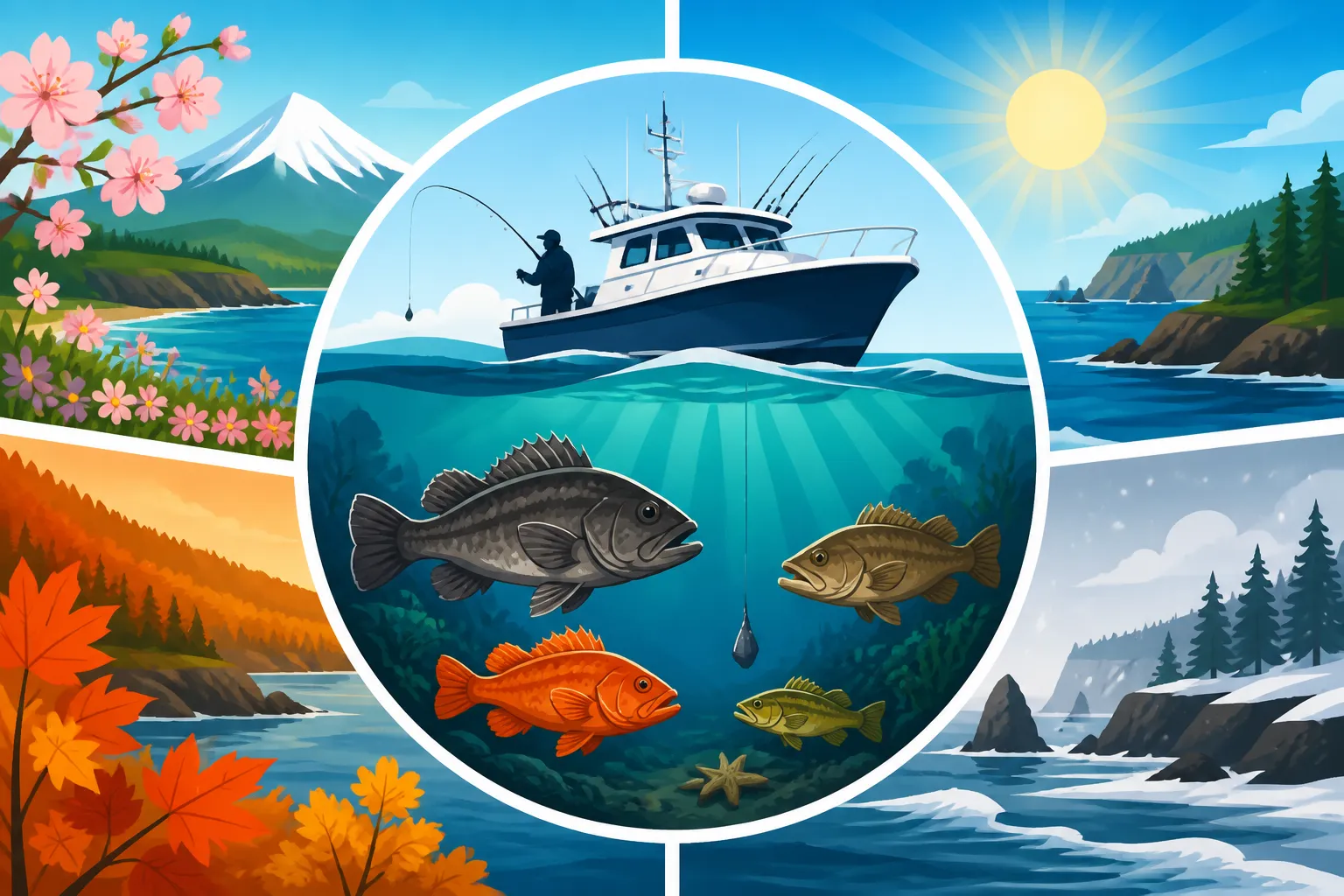
As winter storms begin to subside, typically from March through May, spring breathes new life into the Oregon coast's bottom fishing scene. This is often an excellent time to target lingcod, as they've finished their spawning activities and are actively feeding. You'll find a good mix of rockfish too, often in shallower depths as they become more active. The ocean can still be a bit unpredictable with lingering spring weather systems, but there are usually plenty of calm windows to get out on the water. Many seasoned anglers consider late spring to be a prime time before the summer crowds really hit. You might also find charters are a bit less booked, offering more flexibility if you're planning your trip.
Summer's Peak Performance and Diversity
June, July, and August are undoubtedly the most popular months for bottom fishing in Oregon, and for good reason. The ocean conditions tend to be at their calmest, making for more comfortable boat rides and fewer canceled trips due to rough seas. This is a fantastic time for a wide variety of bottom dwellers, including a healthy mix of different rockfish species (like black rockfish, blue rockfish, and vermilion rockfish) and consistent lingcod action. The extended daylight hours mean charters can often run longer trips, giving you more time on the water. However, this popularity also means charters can book up weeks or even months in advance, so early planning is crucial if you're aiming for a summer trip. Oregon Ocean Charter Fishing is a great resource to explore what’s available during these peak months.
Fall's Abundance Before Winter's Grip
September and October can be a hidden gem for bottom fishing in Oregon. While the summer crowds start to thin out, the fish often remain abundant and actively feeding as they prepare for winter. Ocean conditions can still be quite favorable, though you'll start to see more unpredictable weather patterns emerge as fall progresses. Lingcod and various rockfish species remain a primary target, and you might even find some larger, more aggressive fish as they put on weight. The crisp air and often stunning sunsets can add an extra layer of enjoyment to these fall excursions. It's a sweet spot where you can often avoid the busiest times while still enjoying excellent fishing and relatively good weather.
Winter's Challenges and Rewarding Catches
While not the easiest time to plan a trip, December through February can offer some truly rewarding bottom fishing experiences for the determined angler. The biggest challenge, of course, is the weather. Winter storms can make ocean travel difficult, and charters often have fewer operating days. However, when those fair weather windows appear, the fishing can be exceptional. Lingcod, in particular, are often larger and more aggressive during the colder months, making for some trophy-sized catches. Rockfish are still present, though they might be found in slightly deeper or different areas. If you're flexible with your dates and can jump on a calm day when it arises, winter can offer a unique and less crowded bottom fishing experience. Always check with your chosen charter about their winter operating schedule and what kind of fish they are targeting.
Factors Influencing the Best Time to Go
Beyond the general seasonal breakdown, several other critical factors play a huge role in determining the actual best time for your bottom fishing charter. The ocean is a dynamic place, and understanding these nuances will help you fine-tune your trip planning.
Weather Windows and Ocean Conditions
This is arguably the most significant factor for bottom fishing in Oregon. Unlike river fishing, being offshore means you're at the mercy of the Pacific. A strong swell, high winds, or heavy fog can turn a planned trip into a miserable experience or, more likely, lead to a cancellation.
- Swell Height: Smaller swells make for a much more comfortable ride and safer fishing. Look for forecasts of 3-5 feet or less for the most enjoyable experience. Anything above that, especially with a short period between waves, can be very choppy.
- Wind Speed: High winds directly impact comfort and fishing success. Strong winds create chop and make it harder to hold your boat over structure. Ideal conditions are typically under 10-15 knots.
- Fog: While not dangerous for modern charters equipped with radar, dense fog can be disorienting and sometimes less enjoyable visually. It typically lifts by mid-morning on sunny days.
The best time of year for consistently calm weather is usually July and August. However, brief periods of calm, often called "weather windows," can pop up in any season. Many anglers use resources like NOAA marine forecasts to monitor conditions days in advance. Don't be afraid to reschedule if the forecast looks rough – a responsible charter captain will often make this call for your safety and comfort.
Tidal Influence and Current
While less critical for deep-water bottom fishing than for, say, salmon in an estuary, tides and currents can still play a role.
- Slack Tide: Often, fishing can be best around the slack tide (the period of minimal water movement between incoming and outgoing tides). This is because strong currents can make it difficult for your gear to reach and stay on the bottom, leading to excessive line scope and tangles with other anglers' lines. Fish also tend to hold more predictably when the current isn't ripping.
- Current Strength: Some captains prefer a bit of current to help present baits or lures naturally, but too much is detrimental. Strong currents can also make it harder for fish to hold their position and ambush prey. Your charter captain will know the local currents and adjust fishing locations accordingly.
Don't fret too much about perfectly timing the tides for your booking, as charter boats generally operate on a set schedule. However, if you have a choice of departure times, or if you're very sensitive to boat movement, knowing when the slack tides occur might slightly inform your decision.
Target Species Behavior
Oregon is home to a fantastic array of bottom fish, and their behavior, while generally consistent, can have seasonal nuances.
- Lingcod: These aggressive predators are a top target. They spawn in late winter/early spring, often making them very territorial and aggressive during that period, but they are robust and active throughout much of the year, particularly feasting in spring and fall. Lingcod off the Oregon Coast are a truly thrilling catch.
- Rockfish (e.g., Black, Blue, Vermilion): These diverse species are the bread and butter of Oregon bottom fishing. They are generally available year-round, but their activity levels and preferred depths can change. In summer, they are often found in shallower water and are very active. Different species might be more prevalent at different times or locations. Understanding Rockfish off the Oregon Coast can enhance your trip.
- Halibut: While technically a bottom fish, Pacific Halibut have very specific seasons and regulations, usually opening for specific days or weeks in late spring and summer. If halibut is your primary target, you'll need to align your trip with the very precise Oregon halibut fishing season timing. Bottom fishing charters often offer "combo" trips where you target both rockfish and halibut when the season is open.
What to Expect During Different Seasons
Let's dive a bit deeper into what you can realistically expect from a bottom fishing charter in each major season on the Oregon coast. This isn't just about fish; it's about the entire experience.
Spring: Lingcod and Rockfish Awakening
In spring (March-May), the ocean is shaking off its winter slumber. You'll find that charters are beginning to run more consistently, especially on fair weather days. The air might still have a chill, so dressing in layers is key. Expect excellent opportunities for lingcod, which are often hungry after spawning. Rockfish will also be plentiful. The advantage here is often fewer boats on the water and potentially less competition for prime fishing spots. While the weather can be a bit hit-or-miss, those calm days are often spectacularly productive. You might find more availability with popular charter companies during this shoulder season, and booking platforms like FishingBooker can help you see which boats are getting out there.
Summer: Diverse Catches and Calm Waters
Summer (June-August) is when Oregon's bottom fishing really shines for its reliability and variety. The ocean is generally at its most cooperative, meaning smoother rides out to the fishing grounds and a much lower chance of weather-related cancellations. This makes it ideal for families or those prone to seasickness. Charters will be targeting a broad range of rockfish, and lingcod will still be very active. If the halibut season is open, many charters will offer combined trips, giving you a chance at multiple species. The downside? Popularity brings crowds. Expect more anglers on the water, and you must book your charter well in advance to secure your spot, especially on weekends. It's a great time for a first-time angler or a family trip, offering the most comfortable experience.
Fall: Consistent Action Before Winter
As summer fades into fall (September-October), a quiet magic often descends upon the Oregon coast. The frantic pace of summer slows, but the fishing remains strong. The bottom fish haven't gone anywhere; in fact, they're often gorging themselves, preparing for the lean winter months. Ocean conditions can be a delightful mix of calm, sunny days interspersed with more blustery weather. This is an excellent time if you prefer a bit more solitude on the water, or if you couldn't get a summer booking. The potential for trophy-sized lingcod can be particularly good in the fall. Just be sure to watch the marine forecast closely and be ready for cooler temperatures and potentially choppier seas than summer.
Winter: Fair Weather Windows for Robust Fish
Winter (November-February) bottom fishing is for the hardy and the flexible. Charters will operate much less frequently, only venturing out during brief, calm weather windows. These are often cold, short days, but the reward can be immense. When the ocean is flat and conditions are right, the lingcod fishing can be truly phenomenal, with some of the largest fish of the year being landed. Rockfish are still present, though perhaps not in the same numbers or activity levels as summer. If you live close to the coast and can be spontaneous, keeping an eye on the forecast for a "perfect" winter day can lead to a memorable trip. Just be prepared for colder conditions and the very real possibility of cancellations.
| Season | Ocean Conditions (General) | Target Species Focus | Availability of Charters | Best For |
|---|---|---|---|---|
| Spring | Improving, can be variable | Lingcod, various Rockfish | Moderate, increasing | Serious anglers, fewer crowds |
| Summer | Generally calmest, most stable | Diverse Rockfish, Lingcod, Halibut (seasonal) | Highest, book well in advance | Families, beginners, comfort seekers |
| Fall | Variable, often calm early | Lingcod, various Rockfish | Moderate, decreasing | Experienced anglers, good value, less crowded |
| Winter | Most challenging, fair weather windows | Large Lingcod, robust Rockfish | Lowest, very weather dependent | Dedicated anglers, trophy hunters, flexible schedule |
Booking Your Bottom Fishing Charter for Success
Once you've got a sense of when you want to go, the next step is actually making it happen! A successful bottom fishing trip also hinges on choosing the right charter and preparing properly.
Choosing the Right Charter and Date
Oregon has numerous excellent fishing charters operating out of ports like Newport, Depoe Bay, and Garibaldi. When you're ready to pick your day and your boat, consider a few things:
- Reputation and Experience: Look for charters with a solid track record and experienced captains who know the local fishing grounds inside and out. Reviews from other anglers can be very helpful here.
- Boat Size and Amenities: Consider the size of the boat and what amenities it offers, especially if you're prone to seasickness or traveling with a family. A larger boat might offer a more stable ride. You can often filter these details when browsing platforms like FishingBooker.
- Target Species Focus: Confirm that the charter focuses on bottom fishing, and if you have a specific target like lingcod or if it's halibut season, make sure they are offering those options. Many will do Bottom Fishing Charters in Oregon.
- Booking in Advance: For summer trips, you simply must book several weeks or even months ahead of time. For spring or fall, you might have a bit more flexibility, but popular charters still fill up. When using a booking service like FishingBooker, you can see real-time availability.
- Flexibility: If your schedule allows, try to book a trip with some flexibility or a "weather window" in mind, especially in the shoulder seasons. Sometimes, the best day isn't the one you originally planned.
Don't forget to inquire about what's included in the price – gear, bait, tackle, fish cleaning, and whether a fishing license or endorsements are needed. Typically, you'll need to acquire your Oregon Ocean Endorsement and regular fishing license separately.
Preparation for Your Trip
No matter the season, a bit of preparation can make your bottom fishing charter much more enjoyable.
- Dress in Layers: Oregon weather, especially on the coast, can change in a heartbeat. Always overdress rather than underdress. Waterproof outer layers are a must. Even on a sunny summer day, it can be chilly out on the ocean.
- Motion Sickness Medication: If you're at all susceptible to seasickness, take preventative measures before you get on the boat. Over-the-counter medications like Dramamine or Bonine work best when taken an hour or two before departure.
- Food and Drink: Bring plenty of snacks and water. Fishing can be tiring, and staying hydrated and fueled is important. Avoid heavy, greasy foods right before the trip.
- Sun Protection: Even on cloudy days, the sun's reflection off the water can cause severe sunburn. Bring sunscreen, a wide-brimmed hat, and sunglasses.
- Cooler for Your Catch: Most charters will clean and fillet your fish, but you'll need a cooler filled with ice to transport your fresh catch home.
- Fishing License: Make sure you have your valid Oregon Fishing License Guide and any necessary endorsements (like the Oregon Ocean Endorsement) before you arrive at the dock. You can often purchase these online.
- Gratuity: It's customary to tip your deckhand and captain, usually around 15-20% of the charter fee, for their hard work and expertise.
By considering these factors and preparing accordingly, you'll be well on your way to a fantastic bottom fishing charter experience on the beautiful Oregon coast, no matter what time of year you choose to go. Whether it's the consistent calm of summer or the exciting challenge of a winter weather window, there's always an adventure waiting beneath the waves.
Disclaimer
This article is for general informational purposes only and does not constitute professional advice. Laws, prices and regulations vary by location and change over time. Consult a qualified professional for guidance on your specific situation.