Best charter for catching lingcod and rockfish together
There’s nothing quite like the thrill of bottom fishing off the Oregon coast. You're out on the deep blue, the salty air filling your lungs, and the anticipation building with every drop of your line. Many anglers dream of a trip where they can hook into the aggressive, toothy lingcod and load up on the plentiful, vibrant rockfish, but finding the best charter that truly excels at targeting both can feel like searching for a needle in a haystack. This guide is here to help you understand what makes a charter truly shine when you're aiming for that double-whammy of lingcod and rockfish.
Understanding Lingcod and Rockfish in Oregon Waters
Before we dive into what makes a charter great, it helps to know a bit about the stars of the show themselves: lingcod and rockfish. These two species often share similar rocky habitats, making a dual-species trip a realistic and exciting endeavor, but they have distinct personalities that skilled captains know how to exploit.
The Allure of Bottomfish: Lingcod vs. Rockfish
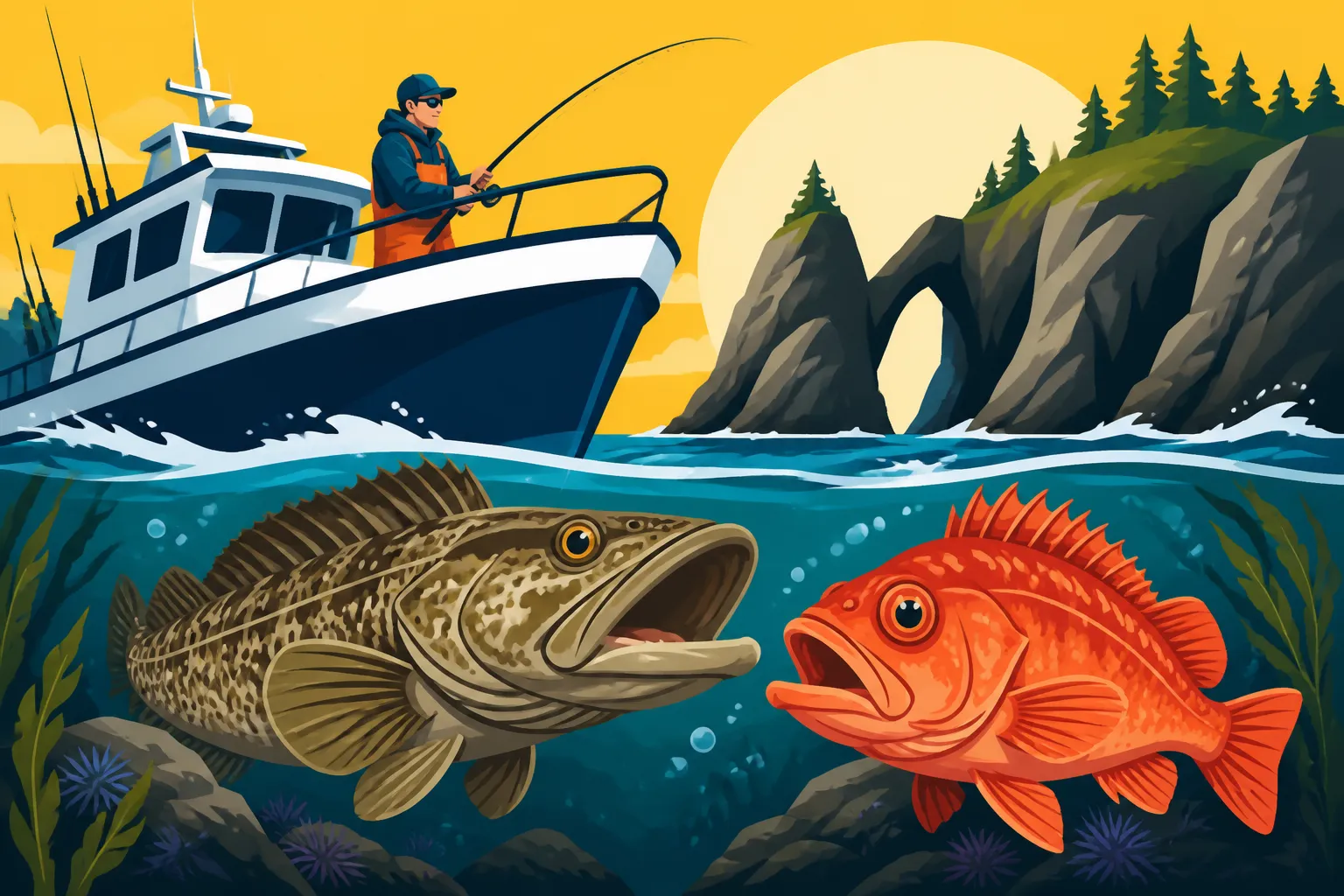
Lingcod are predatory fish, pure and simple. They're characterized by their large mouths, sharp teeth, and mottled brown, green, or grey camouflage. When you hook a lingcod, you know it – they fight hard, often making powerful headshakes and deep runs. Landing one feels like a real accomplishment, and their firm, white flesh makes for excellent table fare. They can grow quite large, with many caught in the 10-20 pound range, and occasionally much bigger. The challenge and reward of lingcod fishing are a huge draw for many anglers.
Rockfish, on the other hand, encompass a wide variety of species, from the common black rockfish and blue rockfish to vermilion, canary, and copper rockfish, among many others. While they don't typically grow as large as lingcod, they are incredibly abundant and provide consistent action. Rockfish are often found in schools, so when you find them, you can often catch several in short order. They're also beautiful fish, coming in a dazzling array of colors, and like lingcod, they offer delicious white meat. The appeal of rockfish is in their numbers and consistent bite, making for a fun and productive day on the water, especially when combined with the hunt for a trophy lingcod.
Where They Live: Prime Habitat and Depth
Both lingcod and rockfish are structure-oriented fish, meaning they gravitate towards rocky reefs, kelp beds, submerged pinnacles, and other underwater features that provide cover and ambush points. However, there are nuances in their preferred depths and specific hiding spots.
Lingcod, being apex predators in their ecosystem, often hold tighter to the bottom, lurking in crevices and ambush points on rocky ledges and reefs. They can be found anywhere from shallow rocky areas to depths of several hundred feet, but many of the most productive lingcod fisheries off Oregon are in depths ranging from 60 to 300 feet. They prefer areas with strong current, which brings food to them. The challenge with lingcod is not just finding the structure, but pinpointing the specific spots where these larger, more territorial fish are holding.
Rockfish, while also loving structure, tend to be a bit more widespread. Many species, like black rockfish, will often suspend in the water column just above reefs, or cruise along rock walls. You can find them in shallower nearshore reefs, often in 30 to 150 feet of water, making them accessible to a wider range of boats and techniques. Deeper water rockfish, like canary or vermilion, will hug the bottom in similar depths to lingcod. A good captain understands these depth preferences and habitat nuances, knowing exactly how to position the boat and what techniques to employ to entice bites from both species throughout the day. It's a delicate dance between depth, drift, and bait presentation.
What Makes a Charter "Best" for Both Species?
It’s one thing for a charter to catch some fish, but quite another for it to consistently put anglers on both lingcod and a good mix of rockfish. This requires a specific blend of vessel capability, skipper knowledge, and an understanding of the local environment.
Vessel and Gear Considerations: The Right Tools for the Job
When you’re targeting both big, powerful lingcod and numerous, often schooling rockfish, the vessel and its gear setup are paramount. A truly "best" charter for this dual pursuit will operate a boat that is seaworthy and stable enough to comfortably handle the typical Oregon ocean conditions. This usually means a larger, more robust charter vessel, often 30 feet or more, with ample deck space for multiple anglers to fish without feeling crowded. The boat should be equipped with modern electronics, including a high-quality fish finder (sonar) that can accurately map bottom structure and identify fish arches, allowing the captain to pinpoint those productive rocky reefs and pinnacles.
The gear provided by the charter is equally important. For this type of fishing, you'll want heavy-duty conventional rods and reels, spooled with strong braided line. Lingcod can snap lighter tackle, and rockfish, while smaller, can still put up a surprising fight, especially when multiple fish are hooked simultaneously on a multi-hook rig. Charters that specialize in bottom fishing will have a selection of jigs (like lead jigs, swimbaits, or butterfly jigs), scented soft plastics, and heavy sinkers for bait fishing. They should also provide sturdy leader material, sharp hooks, and multi-hook "sabiki" style rigs for rockfish, alongside heavier single-hook setups for lingcod. It's about having the right tool for each job, ready to go.
Skipper Expertise: Navigating for Dual Species
This is arguably the most crucial factor. A truly excellent captain for lingcod and rockfish is a seasoned veteran who knows the local submarine topography like the back of their hand. They don't just know where the reefs are; they know the specific humps, ledges, and rubble piles that consistently hold quality fish. More importantly, they understand the subtle art of the drift. Lingcod often hug structure, while rockfish might be a bit more spread out or suspended. A skilled captain will strategically position the boat upstream of a known structure, allowing the drift to carry the lines directly over the most productive zones. They can adjust the drift speed using sea anchors or by skillfully maneuvering the boat, ensuring your bait or jig stays in the strike zone for as long as possible.
Beyond navigation, an expert skipper also reads the water, the weather, and the bite. They can tell you which techniques are working best on a given day, whether it's jigging, bait fishing, or a combination. They understand Oregon Fishing Seasons Explained and Best Time of Year to Fish in Oregon for bottomfish. They'll advise on lure colors, retrieve speeds, and presentation, sharing their local knowledge to maximize your success. This intuition and deep understanding of fish behavior and habitat cannot be taught overnight; it comes from years of experience on the specific waters you're fishing.
Timing and Seasons: Maximizing Your Chances
While bottom fishing for lingcod and rockfish is often productive year-round in Oregon, certain times of the year offer better opportunities for targeting both species in abundance. Generally, the late spring through early fall months (roughly May through October) tend to be the most popular and often most successful. During these months, ocean conditions are typically calmer, making for a more comfortable and safer fishing experience. The weather windows are more frequent, allowing charters to get out to the productive offshore reefs more consistently.
Lingcod, in particular, can be very active as water temperatures rise slightly, and they are aggressively feeding. Rockfish are also highly active during these warmer months, often schooling up in large numbers. While some species might have specific seasonal closures or bag limit adjustments, the general window for excellent dual-species bottom fishing aligns with the pleasant summer and early fall weather. However, a great charter can also find fish during the winter months on calm days, understanding Oregon Winter Fishing Options when other fisheries might be slow. Always check the current Oregon Daily Bag Limits Explained and Oregon Fishing Regulations Explained before you head out, as these can change.
Planning Your Dual-Species Bottomfishing Trip
So, you're convinced you want to hit both lingcod and rockfish. Now, how do you go about making that happen? Planning is key to ensuring you book a trip that meets your expectations.
Choosing the Right Port and Charter Operator
Oregon’s coast boasts several excellent ports known for their access to prime bottom fishing grounds. Newport, Depoe Bay, Garibaldi, and Winchester Bay are all fantastic options. Each port has its own unique offshore geography and a fleet of experienced charter operators. When looking for the "best" charter for lingcod and rockfish, start by researching operators in these key areas. Look for charters that explicitly mention "bottom fishing," "rockfish charters," or "lingcod trips" in their descriptions. Many will also highlight "combo trips" that target multiple species.
A great way to start your search and compare options is through platforms like FishingBooker. You can filter by location, target species, trip duration, and even read reviews from other anglers. This allows you to see which captains consistently deliver on a dual-species promise. Don't be afraid to call the charter company directly once you've narrowed down your choices. Ask specific questions: "Do you actively target both lingcod and rockfish on your bottom fishing trips?" "What are your typical depths for these species?" "What kind of gear do you provide?" The answers to these questions will give you a clear picture of their specialization and commitment to your desired experience.
What to Expect: Typical Trip Structure and Duration
Most dedicated bottom fishing trips for lingcod and rockfish will be half-day (4-6 hours) or full-day (8-10 hours) excursions. For a dual-species goal, a full-day trip often provides the best opportunity, allowing the captain more time to run to multiple spots, adjust for currents, and work different depths.
A typical day might start with an early morning departure from the dock. After a safety briefing, you'll head out to sea, often traveling anywhere from 30 minutes to an hour or more to reach the productive fishing grounds. The captain will use their sonar to locate promising structure and schools of fish. Once on the spot, the deckhand will provide rods, reels, and demonstrate the rigging and fishing techniques. You'll likely spend time drifting over various reefs, jigging or bait fishing, moving from spot to spot as needed to find the most active fish. Charters typically supply all the necessary bait and tackle, though some anglers prefer to bring their own favorite jigs. You can expect plenty of action, especially with rockfish, and the possibility of that exciting, heavy thud when a lingcod decides to bite. At the end of the trip, the crew will often clean and fillet your catch, ready for you to take home.
Essential Preparations: What to Bring and Consider
To make your trip as enjoyable and successful as possible, a little preparation goes a long way. First and foremost, remember your Oregon Fishing License Guide, along with any necessary endorsements like the Oregon Ocean Endorsement, as these are legally required. Most charters do not include the cost of your license, so secure it beforehand.
Here’s a checklist of other essentials:
- Warm Layers and Rain Gear: The Oregon coast weather can change in an instant. Even on a sunny day, it can be chilly and windy on the water. Waterproof outerwear is crucial.
- Non-Slip Shoes: The deck can get wet and slick.
- Hat, Sunglasses, Sunscreen: UV exposure is high on the water.
- Food and Drink: Pack plenty of snacks and water.
- Motion Sickness Medication: If you're prone to seasickness, take medication like Dramamine or Bonine before you get on the boat. It's much harder to combat once symptoms start.
- Cooler: To transport your filleted catch home.
- Camera: To capture those memorable catches!
- Gratuity: It’s customary to tip your captain and deckhand for their hard work and expertise.
A knowledgeable charter operator will provide a detailed list of what to bring, but these basics will serve you well for a productive day targeting lingcod and rockfish.
Techniques for Catching Lingcod and Rockfish
While a good captain puts you on the fish, understanding the basic techniques will significantly improve your success rate and enjoyment. You’ll be doing a lot of vertical jigging or bait fishing right over the rocky bottom.
Jigs, Baits, and Rigs: Proven Methods
When targeting both lingcod and rockfish, versatility in your presentation is key. Many charters will start with or transition to techniques that appeal to both species.
- Vertical Jigging with Metal Jigs: Heavy metal jigs, often in chrome, blue, green, or glow patterns, are extremely effective. Drop the jig to the bottom, then lift it sharply a few feet and let it flutter back down. This mimics a wounded baitfish, and both lingcod and rockfish will strike aggressively. Lingcod often hit on the fall or right after it settles on the bottom, while rockfish might chase it up in the water column. Popular jigs include Berkley jigs or other brand-name versions that imitate baitfish.
- Soft Plastic Swimbaits on Leadheads: Large, heavy leadhead jigs (often 4-12 ounces) tipped with soft plastic swimbaits (5-10 inches) are fantastic for lingcod. The paddle tail on the swimbait creates enticing action. Fish these similarly to metal jigs, lifting and dropping near the bottom. Rockfish will also readily hit smaller versions of these.
- Bait Fishing with Herring or Squid: Using cut bait like herring or squid on a simple leadhead jig or a mooching rig (two hooks tied in tandem) is a classic and effective method. Drop the bait to the bottom and let it soak, or impart a gentle jigging motion. This is especially effective for lingcod who are less active, and rockfish are almost always receptive to natural bait.
- P-Line and Shrimp Fly Rigs: For maximizing your rockfish count, multi-hook "shrimp fly" or "sabiki" rigs can be deadly. These rigs have multiple small, flashy lures designed to imitate baitfish or shrimp, allowing you to catch several rockfish at once. Charters often combine this with a heavier leadhead or jig at the bottom for the chance to hook a lingcod simultaneously.
The key is to keep your bait or lure close to the bottom where these fish live. The deckhand will guide you on how much line to let out to stay in the strike zone, especially when factoring in the boat's drift.
Playing and Landing Your Catch: Best Practices
Both lingcod and rockfish can put up a significant fight, especially in deeper water. When you feel that unmistakable bite, set the hook firmly.
- For Rockfish: You'll typically feel a series of sharp tugs. Keep a steady retrieve, reeling continuously to bring the fish up. If you're using a multi-hook rig, you might have several fish on, so be prepared for some extra weight!
- For Lingcod: The bite is often a heavy thud, followed by powerful headshakes or a deep, stubborn pull. Keep your rod tip up and maintain constant pressure. Lingcod will often try to "rock" you, diving into crevices to break your line. Reel hard and consistently to pull them away from the structure. It’s a battle of wills, and often a real arm-burner.
- The Descent to the Surface: As you bring fish up from deeper water, their swim bladders can expand due to the change in pressure. For rockfish you plan to release, the crew may use a "descending device" to quickly send them back down to depth, which helps them recover. For keeper fish, the crew will handle the netting and unhooking. Always be mindful of the sharp teeth of a lingcod – they need to be handled with care.
Trust your crew; they are experts at handling these fish safely and efficiently, ensuring your catch is properly secured and prepared for the journey home.
Lingcod & Rockfish Charter Comparison
Here's a quick overview of some differences between targeting lingcod and rockfish, and what a good charter does to ensure success for both:
| Feature | Lingcod | Rockfish | Charter Approach for Both |
|---|---|---|---|
| Typical Size | 10-50 lbs (can be larger) | 1-10 lbs (species dependent) | Uses appropriate heavy-duty gear for either. |
| Bite Strength | Powerful, aggressive strikes, headshakes | Consistent tugs, often multiple fish | Deckhands guide on proper hook-setting for each. |
| Habitat Focus | Tight to rocky bottom, crevices, ledges | Above reefs, rock walls, schooling | Skilled captain drifts over varied structure zones. |
| Preferred Depth | 60-300+ feet (often deeper) | 30-200 feet (can be shallower or deeper) | Adjusts drift lines and spots for target depth ranges. |
| Common Baits/Lures | Large jigs, swimbaits, whole/cut bait | Shrimp flies, smaller jigs, cut bait | Provides versatile tackle; may use different rigs. |
| Fight Style | Deep runs, stubborn pulls, "rocking" | Steady retrieve, can feel heavy with multiples | Crew assists with landing, gaffing, or netting. |
| Catch Rate | Varies, often fewer but larger catches | High, often multiple fish per drop | Balances time between prime lingcod spots and rockfish schools. |
For those looking to book, exploring options on platforms like FishingBooker can help compare offerings and customer reviews to find a charter that explicitly caters to this combination, ensuring a productive day on the Oregon Coast Fishing Spots. Finding a captain who is flexible in their approach and willing to switch up techniques based on what's biting is the hallmark of a great guide. They understand the nuances of Oregon Fishing Techniques for Beginners but also cater to experienced anglers.
Remember, the goal is not just to catch fish, but to enjoy the entire experience of being out on the water, surrounded by Oregon's stunning coastal beauty, and bringing home some delicious fillets. A good charter makes all the difference. How to Choose an Oregon Fishing Guide carefully will make your next trip unforgettable, whether you’re fishing the Newport Oregon Fishing Charters or out of Astoria Oregon Fishing Charters.
Disclaimer
This article is for general informational purposes only and does not constitute professional advice. Laws, prices and regulations vary by location and change over time. Consult a qualified professional for guidance on your specific situation.