Tuna Charter Trips off Oregon
Feeling the urge to chase some true open-ocean adventure? Many anglers dream of the adrenaline rush that comes with battling a powerful, fast-swimming fish far out at sea, but the logistics of finding the right boat and crew can feel overwhelming. This comprehensive guide is here to demystify everything you need to know about booking and experiencing an incredible tuna charter trip off the stunning coast of Oregon, ensuring you’re well-prepared for this unforgettable angling experience.
What Are Tuna Charter Trips Off Oregon?
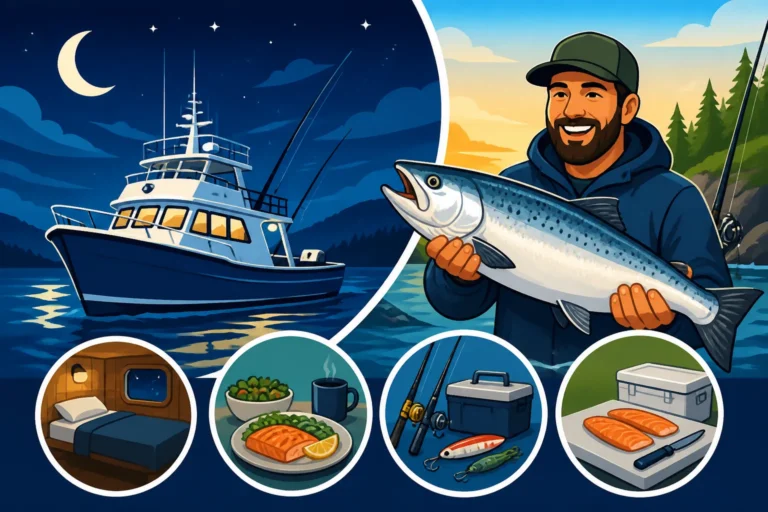
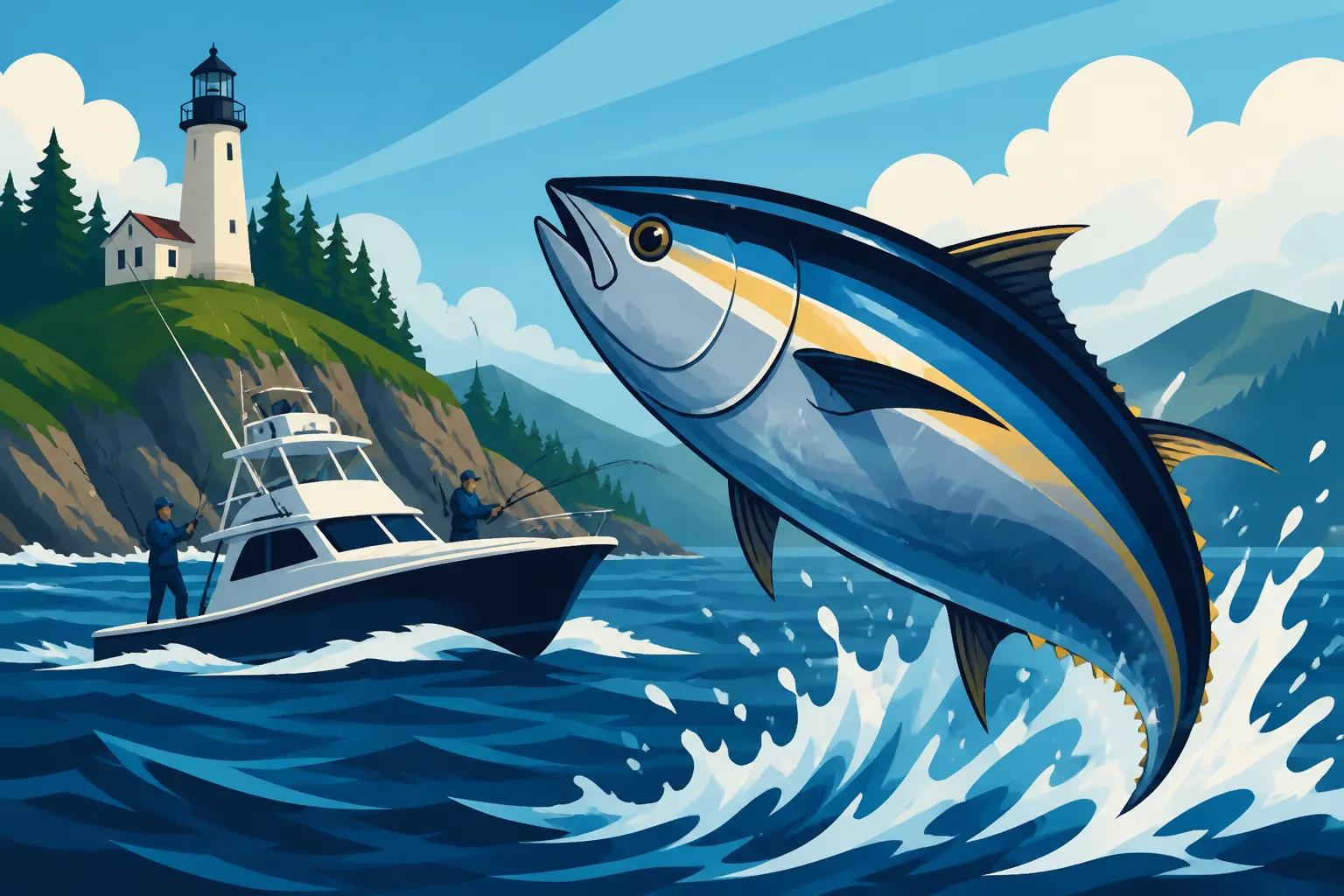
Tuna charter trips off the Oregon coast are full-day, often long-distance, offshore fishing excursions specifically designed to target highly migratory tuna species, primarily albacore. Unlike calm bay or river fishing, these trips take you many miles offshore into the vast Pacific, requiring specialized boats, equipment, and experienced captains who know how to find these fast-moving pelagic fish. It’s an adventure that promises big fights and even bigger rewards, often resulting in a cooler full of delicious, fresh tuna.
The Thrill of Offshore Tuna Fishing
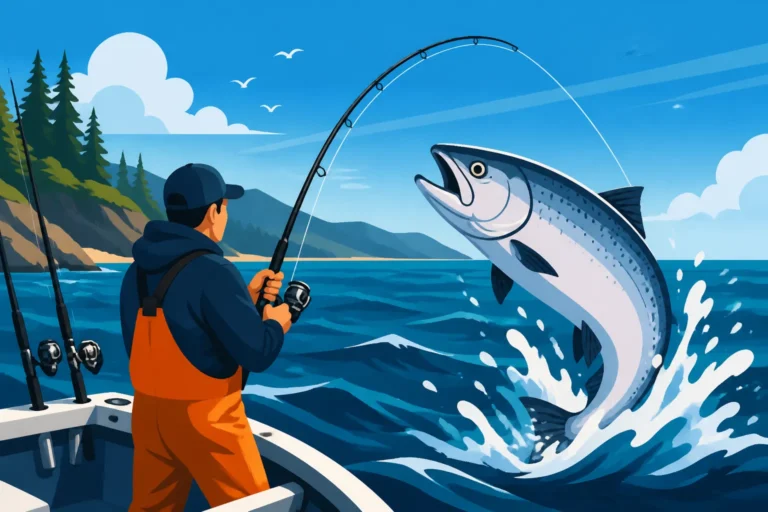
There's something uniquely exhilarating about offshore tuna fishing. You're not just casting a line from the bank; you're venturing into the wild, blue expanse where the ocean truly feels alive. Imagine the anticipation as the boat cuts through the swells, the crew scanning for signs of life—diving birds, bait balls, or even porpoises that often travel with tuna. Then, the rods suddenly bend, reels scream, and chaos erupts as multiple fish hit at once. It’s a full-body workout, a test of endurance, and an unforgettable dance with some of the ocean's most powerful inhabitants. For many, it's the pinnacle of sport fishing, combining the challenge of the chase with the bounty of the sea.
The feeling of a strong tuna stripping line off your reel at an incredible speed is unmatched. These fish are fighters, known for their powerful runs and relentless dives. It's not uncommon to spend 15-30 minutes, or even longer, battling a single fish, depending on its size and your tackle. This intense, hands-on experience is what draws so many anglers back year after year. It's more than just catching a fish; it's earning it, and the shared camaraderie with your fellow anglers and the crew makes the experience even richer.
Primary Target Species: Albacore Tuna
While other tuna species exist in the Pacific, albacore (often affectionately called "longfin tuna") are the undisputed stars of the Oregon offshore fishery. These torpedo-shaped fish are prized for their firm, white, flavorful meat, making them a favorite for canning, searing, or grilling. Albacore are highly migratory, following warm ocean currents that bring them into range of Oregon's coast during specific times of the year. When the conditions are right, the fishing can be absolutely phenomenal, with boats sometimes experiencing "wide-open" bites where multiple fish are hooked simultaneously.
Albacore typically range from 10 to 30 pounds, though larger specimens can certainly be caught, offering a formidable challenge on conventional tackle. They are schooling fish, which means if you find one, you're likely to find many more. This schooling behavior is what makes those epic "boil" moments possible, where the ocean surface erupts with feeding tuna, creating an angler's dream scenario. Learning about these incredible fish is part of the fun, and you can explore more about them in our guide on Albacore Tuna Fishing Season and Oregon Saltwater Fish Species Guide.
Why Oregon for Tuna?
Oregon's unique coastline, characterized by a relatively narrow continental shelf that drops off into deep ocean canyons, provides excellent access to the pelagic waters where albacore thrive. The upwelling currents along the coast bring nutrient-rich waters to the surface, supporting a robust food chain that attracts these migratory predators. Coastal towns like Newport, Astoria, Depoe Bay, and Garibaldi serve as major hubs for offshore charters, with experienced captains and crews who have spent years learning the subtle nuances of finding and catching tuna in these waters.
Furthermore, the Oregon Department of Fish and Wildlife (ODFW) manages the fishery sustainably, ensuring that these valuable resources remain healthy for future generations. While the ocean can be unpredictable, the potential for incredible action and a cooler full of delicious, healthy protein is a huge draw. The stunning scenery of the Oregon coast, both from shore and far out at sea, only adds to the magic of these trips. There’s a raw, untamed beauty to the Pacific that makes every journey feel like a true expedition.
When Is the Best Time to Go Tuna Fishing in Oregon?
Timing is absolutely everything when it comes to tuna fishing off Oregon. Because albacore are migratory and highly dependent on warm water, their presence is seasonal and can fluctuate year to year based on ocean conditions. Knowing when to book your trip significantly increases your chances of a successful and memorable outing.
Understanding the Tuna Season Window
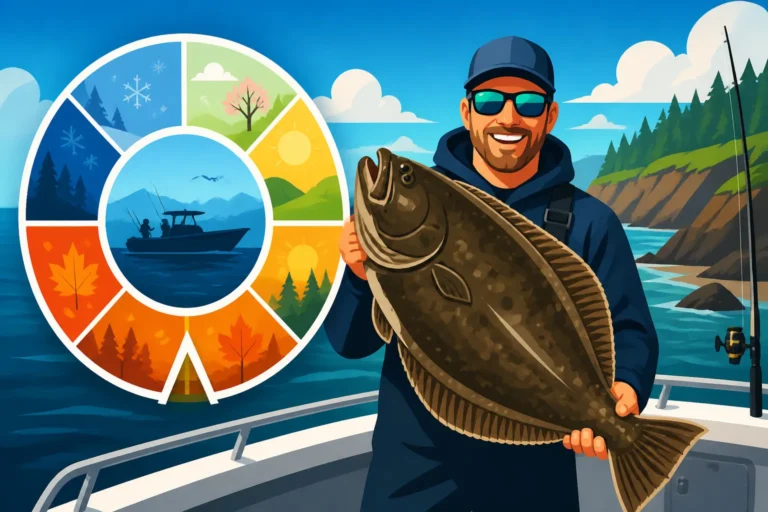
The prime window for albacore tuna fishing off Oregon typically runs from mid-July through early October. However, this is just a general guideline, and the exact start and end dates can vary. Some years, warm water pushes in earlier, leading to a fantastic bite in late June or early July. Other years, the tuna might show up later in August and stick around well into October. The peak usually occurs in August and September when the ocean waters are warmest and most stable. This is when you're most likely to encounter large schools of actively feeding fish.
Booking during the peak season often means more competition for charter spots, so planning ahead is crucial. Keep an eye on local fishing reports and listen to what the charter captains are saying. They are on the water constantly and have the best pulse on when the tuna are truly "in." While the season can extend, the later in the fall you go, the more you risk encountering rougher weather and potentially fewer fish as they begin their migration south.
Impact of Ocean Conditions and Water Temperature
Albacore tuna are incredibly sensitive to water temperature. They prefer waters ranging from about 58 to 68 degrees Fahrenheit (14-20 Celsius). Charters will often run significant distances offshore, sometimes 30 to 70 miles, to find these optimal temperature breaks and nutrient lines where baitfish congregate, and tuna feed. Satellite sea surface temperature (SST) charts are invaluable tools for captains to locate these productive zones, which can shift daily with currents and weather.
Beyond temperature, other oceanographic factors play a huge role. Upwellings, currents, and even chlorophyll levels (indicating baitfish presence) are all considered. A warm-water eddy or a clear "blue water" push can turn a slow fishing day into an epic one. Conversely, cold-water intrusions or strong winds that churn up the ocean can quickly disperse fish or make conditions unfishable. This reliance on dynamic ocean conditions means that flexibility in your booking, if possible, can sometimes lead to better results, allowing you to choose a day with a more favorable forecast.
Monitoring Tuna Forecasts
For anglers eager to time their trip perfectly, keeping an eye on tuna forecasts and reports is essential. Many charter companies and local bait shops publish daily or weekly reports during the season, detailing where fish are being caught, what methods are working, and what the water temperatures are like. Websites like FishingBooker often aggregate charter availability and provide insights from captains, making it easier to gauge activity levels. You can also monitor real-time ocean conditions through various online resources that track sea surface temperature, chlorophyll charts, and wave forecasts.
It's a dynamic puzzle, and the captains are the masters of putting it together. Don't be afraid to call a few charter operations directly a week or two before your intended trip. They can provide the most current and accurate predictions based on their recent outings and the latest satellite data. This proactive approach can make all the difference between a good trip and a truly legendary one.
What to Expect on an Oregon Tuna Charter Trip
Embarking on an offshore tuna charter is an experience unlike most other fishing trips. It requires preparation, patience, and a willingness to embrace the open ocean. Understanding what the journey entails will help you maximize your enjoyment and minimize any surprises.
The Vessels and Their Capabilities
Oregon tuna charters utilize robust, ocean-going vessels specifically designed for long runs and battling big fish in potentially rough seas. These boats are typically 30 to 60 feet in length, equipped with powerful engines to cover vast distances quickly, and outfitted with modern electronics like radar, GPS, and advanced fishfinders. Safety is paramount, so you can expect to find all necessary safety equipment, including life rafts, EPIRBs, and VHF radios, onboard. Most also have enclosed cabins for shelter from the elements, and some even feature private restrooms (heads) for comfort during long trips.
The deck space is usually designed for fishing, with multiple rod holders, a spacious cockpit for fighting fish, and often a tuna tower for the captain to spot fish boils from above. These aren't your typical calm-water fishing boats; they are workhorses built for the demanding environment of the open Pacific. Reputable charters maintain their vessels meticulously, ensuring a safe and efficient platform for your fishing adventure. For details on how to select a reliable charter, check out How to Choose an Oregon Fishing Guide.
Typical Trip Duration and Distances
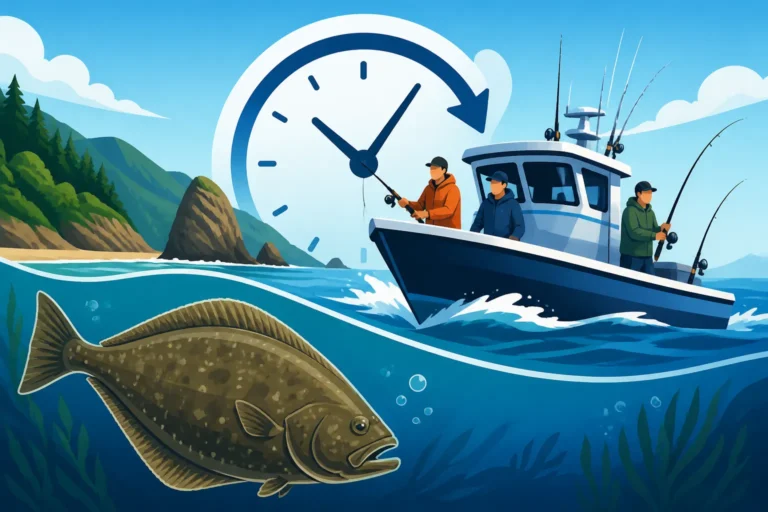
Tuna charter trips are almost always full-day affairs, often lasting 10 to 14 hours from dock to dock. This extended duration is necessary because albacore tuna are found far offshore, usually 30 to 70 miles, or even further, depending on where the warm water and bait are concentrated. The journey out to the fishing grounds can take anywhere from 2 to 4 hours, sometimes more, so be prepared for significant travel time before you even wet a line. This is a big part of the "adventure" and why these trips aren't for the faint of heart or those prone to severe seasickness.
While some charters might offer "shorter" 8-hour options if tuna are unusually close to shore, these are less common. A long day allows ample time to locate the fish, engage in the intense fishing action, and then make the return journey. Always clarify the expected trip duration when booking your charter, as well as the potential distances involved. You can get an idea of the journey by reading about How far offshore do Oregon tuna charters travel.
Fishing Techniques Employed by Charters
Oregon tuna charters primarily employ trolling and live bait fishing techniques, often in combination. When searching for fish, the boat will typically troll a spread of artificial lures (squid hoochies, cedar plugs, swimbaits) behind the boat at speeds around 6-10 knots. This creates a commotion and covers a lot of water, mimicking a school of baitfish. When a tuna hits, the crew will often shout "Fish on!" and scramble to clear other lines.
Once a school of tuna is located and actively biting, captains will often switch to "bait and switch" tactics or "chumming" with live bait (like anchovies or sardines) to keep the school around the boat. This can lead to incredible "frenzy" scenarios where tuna are breaking water right next to the boat, making for truly exciting angling on lighter tackle or even casting jigs. The crew will be expertly rigging baits, netting chum, and assisting anglers with their catches. It's a high-energy, team-oriented effort, and the crew's experience in reading the water and adapting techniques is key to success.
Choosing the Right Tuna Charter in Oregon
Selecting the right tuna charter is crucial for a safe, productive, and enjoyable experience. With many options available, knowing what to look for and what questions to ask can make all the difference.
Key Factors for Selection: Experience, Safety, Reputation
When it comes to offshore tuna fishing, experience is paramount. You want a captain and crew who know the Oregon coast intimately, understand the complex ocean currents and weather patterns, and have a proven track record of finding tuna. An experienced crew is also vital for ensuring your safety far out at sea. Look for charters with captains who have many years under their belt specifically targeting albacore.
Safety should always be your top priority. Ensure the charter operates a well-maintained, Coast Guard-inspected vessel with all required safety equipment. Don't hesitate to ask about their safety protocols. Finally, reputation speaks volumes. Check online reviews on platforms like FishingBooker, ask for recommendations from fellow anglers, and look for charters that consistently receive positive feedback regarding their professionalism, fish-finding abilities, and customer service. A good reputation often indicates a charter that prioritizes both your safety and your fishing success.
Booking Your Trip: Online Platforms vs. Direct
You have a couple of primary routes for booking an Oregon tuna charter: through online booking platforms or by contacting charter operators directly. Online platforms like FishingBooker offer a convenient way to browse multiple charters in different Oregon ports like Newport, Astoria, Depoe Bay, and Winchester Bay, compare prices, check availability, and read customer reviews all in one place. They often have detailed listings about the boat, amenities, and what's included in the trip price. This can be a great starting point, especially if you're new to the area.
Booking directly with a charter company, on the other hand, allows for more personalized communication. You can speak directly with the captain or booking manager, ask specific questions about their recent success, discuss custom trip options, and sometimes negotiate slight variations if you have a private group. Whichever method you choose, be sure to confirm all details, including pricing, payment schedules, cancellation policies, and what's included (gear, bait, fish processing). Be aware that these trips can be a significant investment, so understanding the Oregon Fishing Charter Costs is important.
Asking the Right Questions Before You Book
Before you commit to a tuna charter, arm yourself with a list of questions. Don't be shy! This is your adventure, and you want to ensure it meets your expectations. Here are some key inquiries:
- What is your experience specifically with albacore tuna on the Oregon coast? You want specialized knowledge, not just general ocean fishing experience.
- What size and type of vessel will we be on, and what safety equipment do you carry? Reconfirming the boat's suitability and safety measures is vital.
- What's included in the price? Does it cover all gear, bait, and fish processing? Are deckhands typically tipped, and if so, what's a customary amount? Knowing What is included in an Oregon fishing charter price upfront avoids surprises.
- What is your cancellation policy, especially for weather? Offshore trips are highly weather-dependent. What happens if the trip is called off?
- How far offshore do you typically run for tuna, and what is the expected trip duration? This helps set expectations for travel time and seasickness potential.
- What are the current catch rates like, and what kind of limits can we expect? While no one can guarantee fish, a realistic expectation is helpful.
- Do I need an Oregon fishing license and any specific endorsements? (The answer is almost always yes, but it's good to confirm).
Getting clear answers to these questions will help you choose wisely and ensure you're fully prepared for your tuna adventure.
Preparing for Your Oregon Tuna Adventure
A successful tuna trip isn't just about the fish; it's about being prepared for a long day on the open ocean. From packing the right gear to managing potential seasickness, a little foresight goes a long way.
Essential Gear and Personal Items to Bring
While your charter will provide all the necessary fishing gear (rods, reels, tackle), there are several personal items you absolutely need to bring for a comfortable and safe day offshore:
- Layered Clothing: The Oregon coast weather can change dramatically. Start with moisture-wicking layers, add a warm fleece or sweatshirt, and top it off with waterproof and windproof outerwear. Even on a sunny day, it can be chilly and wet far offshore.
- Sun Protection: Sunglasses (polarized are best for spotting fish), a wide-brimmed hat, and high-SPF sunscreen are non-negotiable. The sun's reflection off the water intensifies its rays.
- Food and Drinks: Pack plenty of water and non-alcoholic beverages. Bring snacks, sandwiches, or whatever you need for a long day. Avoid greasy or strong-smelling foods if you're prone to seasickness.
- Cooler (with ice): This is for taking your processed fish home. Some charters have on-board coolers for your drinks and snacks, but you'll need your own for your catch.
- Camera: To capture those epic moments, but ensure it's water-resistant or protected.
- Small Backpack: To keep all your personal items organized and dry in the cabin.
- Cash for Tips: It's customary to tip the deckhand(s) for their hard work.
Remember, space can be limited on a charter boat, so pack efficiently.
Navigating Seasickness: Tips and Tricks
Seasickness is a real concern on offshore trips, and it can quickly ruin an otherwise fantastic day. Even seasoned anglers can get queasy in certain conditions. Here are some proactive tips:
- Consult Your Doctor: If you're particularly prone to motion sickness, discuss preventative medications like Scopolamine patches or Dramamine (non-drowsy formula) with your doctor well in advance.
- Over-the-Counter Remedies: Take medications like Dramamine or Bonine the night before your trip, and again in the morning. Don't wait until you're already feeling sick; prevention is key.
- Stay Hydrated and Eat Lightly: Avoid alcohol and heavy, greasy meals the night before and the morning of your trip. Stick to bland foods.
- Fresh Air and Horizon: Once on the boat, stay on deck in the fresh air and focus on the distant horizon. Avoid going into the cabin or reading.
- Ginger: Some people find ginger chews or ginger ale helpful.
- Stay Busy: When the fishing starts, focus on the action. The adrenaline can sometimes help distract from seasickness.
It’s always better to over-prepare for seasickness than to suffer through it. For more detailed advice, refer to Is seasickness common on Oregon ocean charters? and Best seasickness medicine for an ocean fishing charter.
Oregon Fishing License and Endorsement Requirements
Yes, you absolutely need an Oregon fishing license and a specific endorsement to fish for tuna. For saltwater species like albacore, you'll need a valid Oregon Angling License, and crucially, an Oregon Ocean Endorsement is required for offshore species. Non-residents will need a nonresident annual or multi-day license, along with the ocean endorsement.
Children typically have different requirements, so check the specific age guidelines. Always purchase your license before you arrive at the dock; charter boats cannot sell them. You can usually buy them online through the ODFW website or at licensed vendors like sporting goods stores. Make sure you have your license and endorsement physically on you or accessible on your phone, as a game warden may check at any time. A quick read of the Oregon Fishing License Guide will provide all the necessary details.
After the Catch: What Happens with Your Tuna?
The thrill of the catch is just one part of the tuna fishing experience. What happens once those powerful fish are brought aboard, and how do you get them ready for the dinner table? Understanding the post-catch process is important for every angler.
Fish Processing Onboard and Ashore
On most Oregon tuna charters, the crew is incredibly efficient at processing your catch. As tuna are brought aboard, they are typically bled immediately to ensure the highest quality meat. This is often done by cutting the gills or tail to allow the blood to drain, which significantly improves the flavor and shelf life of the fish. After bleeding, the fish are usually placed on ice in large coolers or fish holds to keep them fresh throughout the day.
Once back at the dock, many charters offer a filleting or steaking service, often included in the charter price or available for an additional fee. The crew will expertly clean and cut your fish into manageable portions, ready for you to take home. This service is invaluable, as processing multiple tuna can be a messy and time-consuming task for an inexperienced angler. Confirm with your charter what level of fish processing is included or available. You can also explore Does the charter clean and fillet your fish? for more insights.
Daily Limits and Oregon Regulations
Oregon has specific daily bag limits and regulations for albacore tuna, which are crucial for every angler to follow. Currently, the daily bag limit for albacore tuna is usually 25 fish per angler, with no annual limit. However, regulations can change, so it's always important to check the most current ODFW fishing regulations before your trip. Your charter captain will be well-versed in the latest rules and will ensure that the crew and anglers adhere to them.
These limits are in place to ensure the sustainability of the albacore population. While 25 tuna is a generous limit, the goal of these trips isn't just to catch as many fish as possible, but to enjoy the experience and take home a reasonable amount of delicious seafood. Remember, you're responsible for understanding and following these rules, even though your captain will guide you. Refer to Oregon Daily Bag Limits Explained for broader regulatory information.
Enjoying Your Freshly Caught Tuna
Bringing home a cooler full of fresh, impeccably handled albacore tuna is one of the greatest rewards of an Oregon charter trip. The firm, white flesh of albacore is incredibly versatile and lends itself to a wide array of culinary preparations. Many people love to can their albacore, preserving it in oil or water for a taste of the ocean year-round. It's far superior to most store-bought canned tuna!
Beyond canning, fresh albacore is fantastic seared rare, grilled, baked, or even enjoyed as sashimi or poke if handled properly from the moment it hits the deck. The mild, rich flavor is a true treat. Don't be afraid to experiment with different recipes. The sheer volume of fish from a successful trip might mean sharing with friends and family, which is a wonderful way to extend the experience. Knowing Can you keep the fish you catch on an Oregon charter? and the processing options will ensure you make the most of your bounty.
Here's a quick comparison of what you might expect from different charter durations:
| Feature | Half-Day Offshore (Rare for Tuna) | Full-Day Tuna Charter (Typical) | Extended Tuna Charter (Occasional) |
|---|---|---|---|
| Duration | 4-6 hours | 10-14 hours | 16+ hours (sometimes overnight) |
| Distance Offshore | ~10-25 miles (if tuna are close) | 30-70+ miles | 70-100+ miles |
| Target Species | Nearshore species, maybe tuna | Primarily Albacore Tuna | Albacore Tuna, potentially other pelagics |
| Travel Time | 1-2 hours round trip | 4-8 hours round trip | 6-10+ hours round trip |
| Fishing Time | 2-3 hours | 6-8 hours | 8-12+ hours |
| Effort Level | Moderate | High | Very High |
| Experience | Shorter commitment, potentially limited tuna action | Best chance for consistent tuna action | Maximize tuna time, potentially targeting larger schools |
Tuna charter trips off Oregon are not just fishing expeditions; they are true adventures. They demand respect for the ocean, a spirit of perseverance, and an eagerness to embrace the unexpected. By understanding what to expect, preparing thoroughly, and choosing a reputable charter, you’re setting yourself up for an unforgettable angling experience that will leave you with lasting memories and a freezer full of incredible fish. If you're looking to book one of these incredible journeys, a platform like FishingBooker can help you find reputable charters operating out of ports like Newport Oregon Fishing Charters or Astoria Oregon Fishing Charters, connecting you with experienced captains who know these waters inside and out.
Disclaimer
This article is for general informational purposes only and does not constitute professional advice. Laws, prices and regulations vary by location and change over time. Consult a qualified professional for guidance on your specific situation.