Best month to book a halibut charter in Oregon
It’s a truly frustrating experience to plan an exciting Oregon halibut charter, only to find out the season dates are elusive, or worse, that the best times are already fully booked. Trust me, I’ve been there, staring at the calendar, wondering if I'm too early, too late, or if I’ve completely missed the boat. This guide is here to demystify the process and help you pinpoint the best month to book your Oregon halibut adventure, giving you the inside scoop on how to navigate the ever-changing waters of season dates and charter availability.
Understanding Oregon's Halibut Season
Before we dive into the "best" month, it's crucial to understand that Oregon's Pacific halibut season isn't like clockwork. It’s not a fixed start and end date that you can mark on your calendar a year in advance and forget about. This dynamic nature is often a source of confusion and disappointment for anglers, but once you understand why it's this way, you can plan much more effectively.
Why Halibut Season Isn't Fixed
The primary reason for the fluctuating halibut season lies with strict conservation efforts and federal management. Pacific halibut fisheries are managed under a quota system, meaning a total allowable catch is determined each year for the entire West Coast. This quota is then divided amongst different areas and user groups, including commercial and recreational anglers in Oregon. This process involves complex scientific assessments of halibut populations, stock health, and catch projections. Because these factors can change annually, the specific dates for when recreational anglers can fish are not set in stone far in advance.
Furthermore, within Oregon, the recreational season itself is often broken into "all-depth" and "nearshore" components, each with its own specific quota and management strategy. The "all-depth" fishery, which is what most people think of when they book a halibut charter for bigger fish in deeper waters, is particularly sensitive to these quotas. Once the estimated quota for a given period or area is met, the season can (and often does) close abruptly, sometimes with very little notice. This means that a season that might be projected to last for several weeks could close in a matter of days if fishing is exceptionally good and the quota is quickly filled. It’s a constant balancing act between angler opportunity and conservation.
The General Window for Halibut Fishing
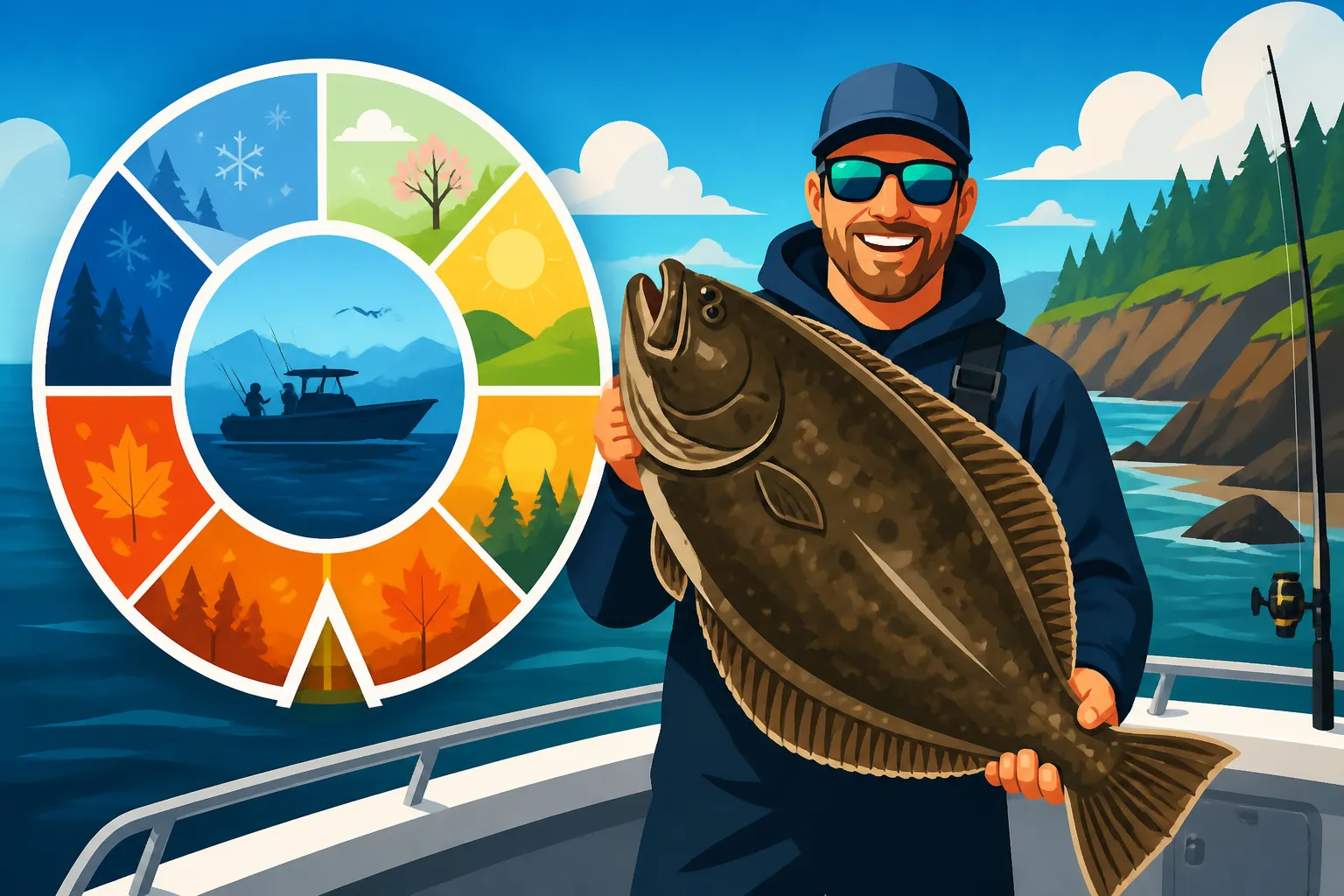
Despite the variability, there is a general window when you can typically expect the Oregon halibut season to occur. Historically, the all-depth recreational halibut season in Oregon tends to open sometime in May and can extend, intermittently, into July or even August if the quota allows. The initial opening dates for May are often announced in late winter or early spring (think February or March), but subsequent openings for later months might be announced closer to the actual dates, based on how much of the quota was harvested during the initial openings.
The season often starts with a few open days in May, perhaps a weekend or a couple of weekdays, followed by similar openings in June and sometimes July. These openings are typically based on the quota remaining. Nearshore halibut fishing, which usually takes place in shallower waters closer to shore, sometimes has a longer, more consistent season but often targets smaller halibut and is not what most charter clients are seeking for a dedicated halibut trip. For the big, deep-water halibut experience, you're primarily looking at those more restricted all-depth opportunities. Keeping an eye on the Oregon Department of Fish and Wildlife (ODFW) announcements is absolutely critical, as these are the official sources for current season dates and any in-season changes. You'll want to be familiar with the Oregon Fishing Regulations Explained to stay current.
The "Best" Month: It's All About Opportunity
When people ask for the "best" month, they’re usually looking for a sweet spot of good weather, active fish, and reasonable crowds. The reality for Oregon halibut is that "best" isn't just one month; it's a combination of factors, and often, it's about seizing the earliest available opportunity.
May: The Early Bird Gets the Worm (and the Halibut!)
For many seasoned Oregon halibut anglers and charter captains, May is often considered the prime target month to book a halibut charter. Why? Because historically, this is when the season first opens, offering the freshest shot at the annual quota. The fish tend to be less pressured early in the season, meaning they might be more eager to bite. Plus, the early part of May often provides some of the calmer ocean conditions before the summer winds really start to pick up, though this is certainly not a guarantee on the Oregon Coast!
Booking for May means you’re aiming for those initial open days. These early trips are incredibly popular and fill up fast. If you're hoping for a less crowded experience, or just want the best chance at securing a prime date, aiming for May and booking well in advance is your strongest strategy. Remember, the initial quota can be quite generous, but the fishing effort is also high, so those first few opening days can see a significant portion of the total quota harvested.
June & July: Prime Time, Prime Competition
As we move into June and July, you'll typically find more stable and pleasant weather patterns on the Oregon Coast. This means calmer seas more often, which is a huge bonus for anyone prone to seasickness or simply wanting a more comfortable day on the water. These months are often considered "prime time" for many types of ocean fishing, including halibut, if the season remains open. You might find better fishing windows and more consistent opportunities for halibut if the quotas haven't been met.
However, with prime conditions comes prime competition. Charters are booked solid, and if the season is open, boats will be out in force. The biggest drawback here is the increased risk of in-season closures. With so many anglers hitting the water, the quota can be reached quickly, leading to unexpected closures that can dash your plans. Imagine having a trip booked for late June, only to wake up and find out the fishery closed two days prior due to an unanticipated catch rate. It's a real possibility. This is where flexibility and having a backup plan, like targeting bottom fish if halibut closes, becomes incredibly valuable. If you plan for these months, booking well in advance is paramount.
August & September: Late Season Opportunities and Risks
Occasionally, if quotas haven't been met or if there's a specific late-season opening, you might find halibut opportunities extending into August and even early September. These later openings can sometimes yield larger, mature fish, as they've had more time to feed. For anglers who can only get away later in the summer, this can be a fantastic opportunity.
However, fishing later in the season comes with higher risks. Ocean conditions in late summer and early fall can become much more unpredictable. Strong winds, larger swells, and even early winter storms can make for challenging or even unfishable conditions, leading to more Are Oregon fishing charters cancelled for rough weather? situations. Charters might be less frequent, and your trip might be subject to last-minute weather cancellations. Also, by this point in the year, the halibut quota for the all-depth fishery is usually very low, meaning openings are rare and can be very short-lived. It truly becomes a game of chance, but one that can sometimes pay off with a trophy catch.
Factors Beyond the Calendar Month
While choosing a month is a great starting point, there are other critical factors that will heavily influence your halibut charter experience in Oregon. Ignoring these can lead to frustration, even if you’ve picked the "perfect" month.
Weather and Ocean Conditions
The Oregon Coast is famously dynamic when it comes to weather. A perfectly calm day can turn into a washing machine in a few hours, especially further offshore where halibut are often found. Strong winds can churn up the seas, making for uncomfortable (or even unsafe) conditions. Swell, fog, and even heavy rain can all impact your trip. Charter captains are constantly monitoring marine forecasts, and they prioritize safety above all else. This means that even if a date is open for halibut, your trip could be canceled due to adverse weather.
Always be prepared for cooler temperatures and potential precipitation, even in summer. Layering your clothing is key. More importantly, have a plan for seasickness if you're prone to it. A good over-the-counter remedy like Bonine or Dramamine, taken the night before and again in the morning, can make all the difference. Read up on Best seasickness medicine for an ocean fishing charter for more tips. A calm ocean day in May might be better than a rough one in July, regardless of the calendar.
Quota Management and In-Season Closures
As discussed, halibut fishing is quota-dependent, and those quotas are constantly being monitored by ODFW and federal agencies. They track the catch rates from commercial and recreational fisheries, and if it looks like a quota is going to be met sooner than anticipated, they will close the season. This can happen with very little notice, sometimes just a day or two, leaving anglers who booked weeks or months in advance high and dry. This uncertainty is a major point of frustration for both anglers and charter operators.
It’s absolutely essential to keep an eye on the official ODFW fishing reports and announcements. Many reputable charter companies also do an excellent job of informing their booked clients about potential closures. This is where having a flexible mindset comes in. If halibut closes, your charter might be able to pivot to a Bottom Fishing Charters in Oregon trip, targeting lingcod and various rockfish, which are often open year-round and provide excellent action and table fare. While not halibut, it's still a fantastic day on the ocean!
Charter Availability and Booking Strategy
Halibut charters, especially those targeting the all-depth fishery, are incredibly popular. There are only so many boats and experienced captains available, and the prime dates (especially those early season openings) get snatched up fast. If you decide that May is your target month, you might need to book your trip as early as January or February, sometimes even earlier, to secure a spot with a reputable charter. Sites like FishingBooker can be invaluable for checking availability across multiple operators and comparing options.
When booking, consider the following:
- Early Booking is Key: For May and June, plan to book 3-6 months in advance. For later openings, as soon as dates are announced. How far in advance should you book an Oregon salmon charter provides similar advice.
- Flexibility is Your Friend: If you can be flexible with your dates – perhaps allowing for a weekday trip instead of a weekend, or having a few alternative dates in mind – you'll have a much better chance of getting on a boat.
- Communicate with Your Charter: A good charter company will keep you informed about potential season changes or weather concerns. Don't hesitate to ask them about their backup plan if halibut fishing isn't possible.
Tips for Maximizing Your Halibut Charter Success
Beyond picking the right month and understanding the regulations, there are proactive steps you can take to make your Oregon halibut charter a success. A little preparation goes a long way towards ensuring you have an enjoyable and potentially fruitful day on the water.
Stay Informed on Regulations
This cannot be stressed enough: the rules and regulations for Oregon halibut fishing change frequently. Season dates, bag limits, and even the requirement for an Oregon Halibut Tag Requirements or Oregon Ocean Endorsement can vary year-to-year or even mid-season. Before you even think about booking, and especially in the weeks leading up to your trip, you must check the official Oregon Department of Fish and Wildlife (ODFW) website for the latest rules. You can also call charter offices directly, as they are often the first to know about changes, but always cross-reference with ODFW. Being caught unaware of a regulation change can lead to fines, so stay diligent. This ties into the broader Oregon Fishing License Guide, ensuring you have all necessary permits.
For instance, knowing the current Oregon Daily Bag Limits Explained for halibut is crucial, as is understanding specific size restrictions or any gear requirements. Some areas or seasons might require non-retention of certain species, or specific hook types. Your charter captain will, of course, guide you, but being personally informed will make your experience smoother and more responsible.
Book Early, Be Flexible
We've touched on this, but it bears repeating: early booking is truly the golden rule for Oregon halibut. Reputable charter companies, especially those out of popular ports like Newport, Depoe Bay, or Astoria, fill their prime halibut dates incredibly quickly. As soon as the season outlook and initial dates are announced (usually late winter/early spring), that’s your signal to act. Don't procrastinate, thinking you can wait until closer to summer. You'll likely find yourself out of luck, or with very limited, less desirable options.
Beyond booking early, being flexible with your dates is your secret weapon. If you can only fish on specific weekends, your chances are much slimmer. If you can open up your schedule to include weekdays, or even be on standby for a last-minute opening due to a cancellation or a new quota allocation, you'll significantly increase your odds. Discuss your flexibility with your chosen charter company; they might have a cancellation list you can get on.
Prepare for the Trip
A successful day on the water isn't just about catching fish; it's about being comfortable and prepared for the elements. Oregon ocean charters mean being out on the Pacific, which can be cold, wet, and bumpy, even on a sunny summer day.
- Dress in Layers: The temperature can fluctuate wildly. Start with a moisture-wicking base layer, add warm mid-layers (fleece or wool), and top it off with waterproof and windproof outer shell. Even in August, a beanie and gloves can be a blessing.
- Footwear: Wear waterproof, non-slip boots or shoes. Your feet will thank you.
- Food and Drink: Bring plenty of water and snacks. A full day on the ocean can be dehydrating and energy-sapping. Pack a lunch that’s easy to eat while rocking on a boat.
- Sun Protection: Even on cloudy days, UV rays reflect off the water. Sunscreen, a wide-brimmed hat, and sunglasses are essential.
- Seasickness Medication: If you're even slightly prone to motion sickness, take medication before you board the boat, ideally the night before, and then again in the morning. Don't wait until you feel sick; by then, it's often too late. For more comprehensive tips, check out What should I bring on an Oregon fishing charter.
| Month/Period | Typical Status | Pros | Cons | Booking Advice |
|---|---|---|---|---|
| May | Initial opening days of all-depth season | First shot at quota, less pressured fish, potentially calmer early seas | Very high demand, dates fill extremely fast, weather still unpredictable | Book 3-6 months in advance. Be ready to commit as soon as dates are announced. |
| June | Continued all-depth openings (quota permitting) | Often better, more stable weather, more consistent fishing | High demand, increased risk of early in-season closures due to high catch rates, crowded boats. | Book 2-4 months in advance. Have backup dates/plans in mind due to potential closures. |
| July | Later all-depth openings (if quota remains) | Generally warmest, calmest ocean conditions | Quota likely to be very low, openings become rarer and shorter, highest risk of in-season closure. | Book as soon as dates are announced. Be highly flexible with dates and have alternative trip plans ready. |
| August/September | Very limited/unlikely all-depth openings; nearshore possible | Chance for larger fish if all-depth opens, less competition for nearshore | All-depth openings are rare, high risk of rough weather/cancellations. | Monitor ODFW closely for rare openings. Consider nearshore halibut if available, or pivot to bottom fishing. |
Remember, the Oregon halibut season is a dynamic beast, but with the right information and a proactive approach, you can significantly increase your chances of landing that prized Pacific halibut. Happy fishing, fellow anglers!
Disclaimer
This article is for general informational purposes only and does not constitute professional advice. Laws, prices and regulations vary by location and change over time. Consult a qualified professional for guidance on your specific situation.