What is the biggest fish ever caught in Oregon
Many anglers dream of that one monumental catch, the fish that pushes the tape measure to its limits and forever etches their name into local lore. It's a natural aspiration, wondering just how big the fish in Oregon truly get, and whether the next tug on your line could be the one that shatters a state record. This guide will dive deep into the world of Oregon's biggest fish, exploring the official records, the species that produce these giants, and how you might just land a leviathan yourself.
Chasing Giants: The Allure of Oregon's Record Fish
The Thrill of the Unknown
There's an undeniable magic to casting a line into Oregon's diverse waters, from the raging rivers to the vast ocean, knowing that a true behemoth could be lurking just below the surface. We've all heard the stories: the legendary angler who battled a monstrous salmon for hours, the old-timer who pulled a sturgeon so huge it barely fit in his boat, or the lucky individual who hooked into a halibut the size of a dinner table. These aren't just fish tales; they're the real-life accomplishments that fuel the dreams of countless fishermen and women across the state. The sheer anticipation of encountering such a creature, feeling that massive tug, and engaging in a monumental struggle is what keeps us coming back, time and time again. It’s a testament to the wildness that still thrives in Oregon's aquatic environments.
It's more than just the size, though. It's the challenge, the test of skill and endurance. A truly large fish often doesn't give up easily. It demands respect, powerful gear, and a cool head. Imagine the adrenaline pumping as your reel screams, line peeling off at an alarming rate, and you realize you're connected to something truly exceptional. The fight could last minutes, or it could stretch into an hour or more, pushing both you and your equipment to their absolute limits. And when that fish finally surfaces, offering its immense form for a glimpse, the feeling of accomplishment is unparalleled. It’s a primal victory, a moment that will live vividly in your memory for years to come.
The Dream of a Record Catch
While most of us are simply happy to catch a few keepers for dinner, there's a special subset of anglers who actively pursue the dream of breaking a state record. This isn't just about bragging rights (though those are certainly a perk!). It's about leaving a legacy, proving what's possible, and contributing to the rich history of Oregon fishing. The Oregon Department of Fish and Wildlife (ODFW) meticulously maintains these records, offering a structured way to recognize these exceptional catches. It gives us a benchmark, a target to aim for, and a reason to keep honing our skills and exploring new waters. Knowing that a fish of a certain size has been caught here before, even if decades ago, serves as constant motivation.
The pursuit of a record often means specialized gear, deep research into fish behavior and habitat, and an incredible amount of patience. It’s not just about luck; it’s about dedication. Anglers might spend years targeting a specific species, learning its patterns, and experimenting with different techniques. When that moment finally arrives, and they land a fish that could potentially rewrite the record books, it's the culmination of all that effort. The official recognition is the cherry on top, cementing their place in Oregon's angling heritage and inspiring future generations to embark on their own quest for a record-breaking catch. For those serious about their fishing, checking the Oregon Record Fish Guide can become a regular pastime, fueling fantasies of landing a true monster.
Oregon's Official Record Keepers: Where to Find the Giants
Breaking Down the Categories
Oregon's record-keeping isn't a free-for-all; it's a well-organized system that recognizes exceptional catches across various species and methods. The official records are typically divided into categories like "All-Tackle" (meaning any legal method, which is most common), "Fly Fishing," and sometimes even different categories for specific types of water, though the "All-Tackle" is usually where you'll find the biggest weights. This system ensures that a massive fish caught on standard gear isn't compared directly to a smaller but equally impressive fish caught on ultra-light fly tackle, for instance. It makes the playing field fair for those who specialize in different angling approaches.
Each species has its own record, from the massive sturgeon that inhabit our rivers to the various salmon, trout, bass, and even ocean dwellers like halibut and lingcod. You won't find just one "biggest fish in Oregon" because the diversity of our waters supports so many different kinds of aquatic giants. Instead, it's a tapestry of incredible individual achievements, each representing the pinnacle of its species within the state. Understanding these categories is the first step if you ever dream of seeing your name on that prestigious list. It means knowing, for example, that the techniques for a record Oregon Salmon Species Guide catch will be very different from those for a record Oregon Trout Species Guide.
The Oregon Fish and Wildlife Record Program
The Oregon Department of Fish and Wildlife (ODFW) is the official custodian of these records. They have a clear set of guidelines and procedures that must be followed if an angler believes they have landed a potential state record. This isn't just about weighing a fish; it involves proper identification, accurate measurement, and often the presence of witnesses. It's a rigorous process designed to ensure the integrity of the records and prevent any disputes. An angler can't just send in a blurry photo and a handwritten note; there's a formal application process.
Typically, for a record to be considered, the fish must be caught legally, following all Oregon Fishing Regulations Explained. It needs to be weighed on a certified scale, usually at a butcher shop or a designated tackle store, and verified by an ODFW representative or an authorized agent. Photographs are crucial for identification and to show the condition of the fish. Sometimes, even a fin clipping or tissue sample might be requested for definitive species confirmation. This level of detail ensures that when you see a record listed by ODFW, you know it's legitimate, a true testament to the size and health of Oregon's fish populations. If you ever think you've landed a potential record, the very first thing to do, after ensuring the fish's welfare, is to reach out to ODFW immediately for guidance on the official process.
Profiles of Oregon's Legendary Catches
Sturgeon: The River Monsters
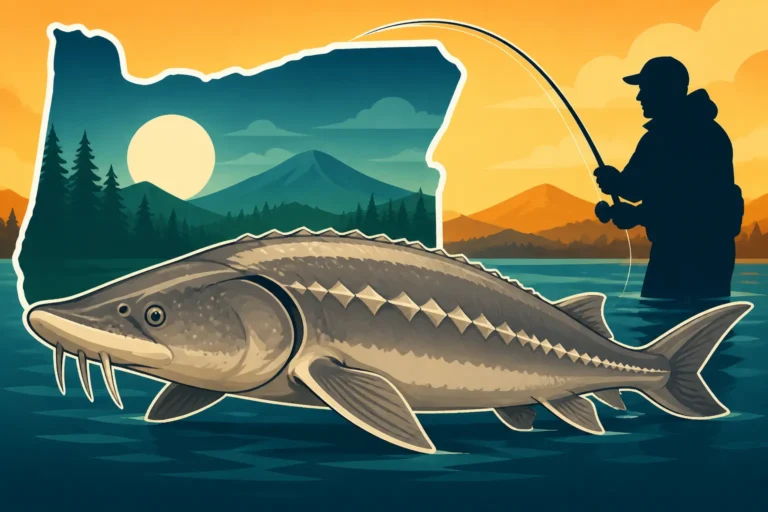
When it comes to sheer weight and length, White Sturgeon are arguably the true giants of Oregon's freshwater and brackish environments. These prehistoric fish can live for over 100 years and grow to absolutely astounding sizes. Imagine hooking into a fish that's longer than a kayak and weighs more than several grown people combined! The current Oregon state record White Sturgeon is an absolute beast, truly demonstrating the potential these rivers hold. It's a fish of almost mythical proportions, requiring incredible strength, specialized tackle, and often a boat and a team of dedicated anglers to even bring it to the surface, let alone land it.
These magnificent creatures primarily inhabit the lower Columbia River, as well as parts of the Willamette River and other major tributaries. Their immense size means that catching one is an unforgettable experience, often involving long, grueling fights that test every ounce of an angler's resolve. Due to their protected status and slow growth rates, many of the largest sturgeon are strictly catch-and-release, especially those in the protected "oversize" slot. This ensures these living relics can continue to thrive and grow even larger for future generations. While many records focus on length or girth for these protected giants, the sheer magnitude of the historical catches reminds us just how truly massive these fish can get. You can learn more about these incredible fish in our Oregon Sturgeon Guide.
Salmon: Kings of the Pacific and Columbia
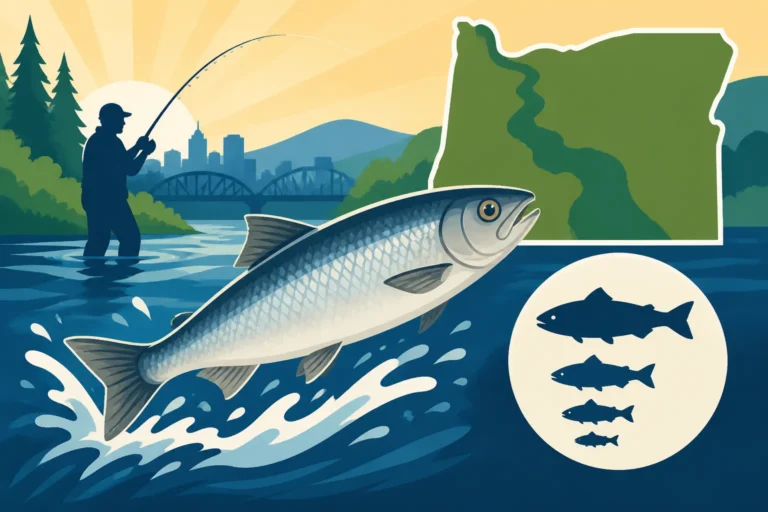
Oregon's salmon runs are legendary, and within these runs, some individuals stand out for their incredible size. Chinook salmon, often called "King salmon," are the largest of the Pacific salmon species, and they frequently tip the scales at impressive weights. The state record Chinook is a testament to the powerful genetics and rich feeding grounds available to these fish. Imagine pulling a salmon that's not just long, but thick and heavy, with shoulders like a football player. These are the fish that dominate headlines during the peak of their runs, drawing anglers from all over.
While Chinook hold the top spot for size, other salmon species like Coho (silver) and even the less common Chum salmon can also grow quite large, offering thrilling battles on the water. The Columbia River, in particular, is famous for producing some of the largest Chinook salmon, especially during the fall run. Anglers often target these fish using heavy-duty gear, trolling large plugs or bait. The fight is typically characterized by powerful, head-shaking runs and deep dives, making them an incredible challenge. Even landing a large jack salmon, a younger but still substantial fish, is a major achievement, let alone one that threatens a state record. Exploring a Oregon Salmon Species Guide can help you understand the sheer variety and potential for giants.
Trout and Steelhead: Freshwater Dynamos
While not reaching the gargantuan sizes of sturgeon or ocean-run salmon, Oregon's trout and steelhead can be incredibly large and offer some of the most exciting freshwater fishing experiences. Steelhead, which are sea-run rainbow trout, are known for their acrobatic fights and powerful runs. The state record steelhead, caught in a swift river, represents a fish of incredible strength and endurance. These fish often average in the double-digit pounds, but true leviathans can push past the 20-pound mark, making them a prize for any dedicated angler. Imagine a fish that powerful, leaping and tail-walking across the surface!
Beyond steelhead, true resident rainbow trout, brown trout, and even bull trout (which are protected and typically catch-and-release) can grow to impressive sizes in Oregon's lakes and rivers. The state record for these species often comes from deep, cold lakes or nutrient-rich rivers where they have ample food and time to grow. Fly anglers, in particular, spend years perfecting techniques to entice these larger, more elusive trout. A massive brown trout, with its distinctive spots and powerful build, or an exceptionally large rainbow from a high-mountain lake, are truly magnificent catches. For those looking to target these freshwater giants, a deep dive into Oregon Steelhead Guide or Oregon Trout Species Guide is essential reading.
Other Notable Giants: Bass, Halibut, and More
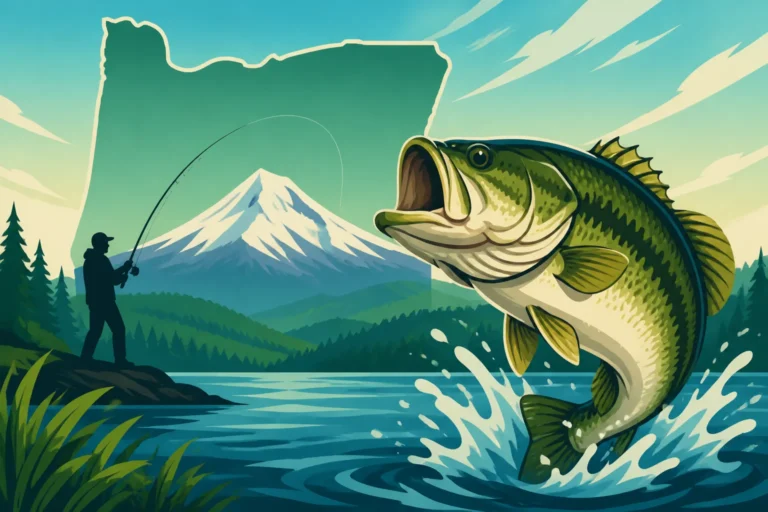
Oregon's diverse fisheries aren't limited to just sturgeon, salmon, and trout when it comes to big fish. The state also holds impressive records for a variety of other species. For example, the state record Largemouth Bass is a truly impressive specimen, showcasing the incredible potential of Oregon's warmwater lakes and reservoirs. These fish are powerful fighters, known for their explosive strikes and thrilling jumps, and a record-size bass is a true trophy. Similarly, Smallmouth Bass in rivers like the John Day can grow quite large, offering another exciting target for anglers. You can find more details in our Oregon Bass Fishing Guide.
Out on the Pacific Ocean, anglers regularly battle massive Pacific Halibut. The state record halibut is an absolute behemoth, a flatfish that can weigh hundreds of pounds and requires serious muscle to hoist into a boat. These are deep-water dwelling fish that provide incredibly rewarding table fare and an intense physical challenge. Beyond halibut, other ocean species like Lingcod and various Rockfish can also reach impressive sizes, though their records tend to be in the tens of pounds rather than hundreds. Whether you're casting from shore, exploring a river bend, or heading out to the deep blue, Oregon offers a chance to hook into a truly memorable fish.
| Species | Average Record Weight (lbs) | Habitat Type | Common Baits/Lures |
|---|---|---|---|
| White Sturgeon | 100-500+ (often C&R by length) | Rivers, Estuaries | Smelt, Herring, Shad |
| Chinook Salmon | 30-70 | Ocean, Rivers | Herring, Plugs, Spinners |
| Steelhead (Sea-run) | 15-30 | Rivers | Jigs, Bait, Flies, Drift Gear |
| Rainbow Trout | 10-25 | Lakes, Rivers | PowerBait, Worms, Spinners |
| Largemouth Bass | 8-12 | Lakes, Ponds | Plastic Worms, Crankbaits |
| Pacific Halibut | 100-300+ | Offshore Ocean | Herring, Octopus, Jigs |
| Lingcod | 20-50 | Nearshore Ocean | Jigs, Live Bait, Swimbaits |
Note: The "Average Record Weight" is a generalization for illustrative purposes. Actual state records can vary widely and should be checked directly with ODFW.
How You Can Pursue Your Own Oregon Fishing Record
Preparation is Key: Gear and Knowledge
Chasing a state record isn't something you do on a whim. It requires meticulous preparation, starting with your gear. If you're serious about landing a fish of truly monumental size, you'll need tackle that can withstand the immense stress of a prolonged battle. This means heavy-duty rods, high-capacity reels spooled with strong, fresh line, and robust terminal tackle. For example, targeting a massive sturgeon or halibut isn't something you do with a lightweight trout setup. You need gear designed to handle hundreds of pounds of pulling power. Even for large salmon or steelhead, ensuring your drag is properly set and your knots are meticulously tied can be the difference between landing that fish of a lifetime and watching your line snap.
Beyond the physical gear, knowledge is your most powerful tool. Research the species you're targeting: what they eat, where they live, their migration patterns, and the best times of year to find the largest specimens. Reading books, watching educational videos, and talking to experienced local anglers or guides can provide invaluable insights. Understanding the nuances of Oregon Fishing Techniques for Beginners and advanced strategies, water conditions, and even fish behavior in different weather fronts can significantly increase your chances. Don't forget essential accessories like a reliable scale (make sure it's certified if you're truly aiming for a record), a quality tape measure, and a good camera to document your catch. Many anglers even purchase specialized record-keeping kits available from retailers like Amazon, which include everything needed for precise measurement and verification.
Understanding the Regulations and Reporting
Before you even cast a line, it is absolutely paramount to understand and adhere to all Oregon Fishing Regulations Explained. Not only is it crucial for conservation, but any fish caught outside of legal seasons, bag limits, or using illegal methods will be immediately disqualified from record consideration. This means knowing the specific rules for the body of water you're fishing, the species you're targeting, and any endorsements required, such as the Oregon Combined Angling Tag Guide for salmon and steelhead. Always carry your valid Oregon Fishing License Guide and any necessary tags, like the Oregon Catch Record Card Requirements. Ignorance of the law is never an excuse, especially when pursuing a record.
If you believe you've landed a potential record-breaking fish, the reporting process is critical. As mentioned earlier, contacting ODFW as soon as possible is essential. They will guide you through the necessary steps for weighing, measuring, and verification. This often means taking the fish to a certified scale (usually at a local tackle shop, meat market, or authorized ODFW location) and having it witnessed by an official. Don't simply weigh it on your bathroom scale and send in a picture; proper protocol is vital. Having clear, well-lit photos of the fish, both whole and with you, will also be requested. The ODFW website provides detailed instructions and forms for submitting a record fish application, which is a must-read for any aspiring record holder. You might even consider having a laminated copy of their record application guidelines in your tackle box or boat, or readily accessible on your phone, just in case that monster bite happens.
Patience and Persistence on the Water
Perhaps the most important "secret" to catching big fish, let alone a record-breaker, is an unwavering commitment to patience and persistence. Record fish are not caught every day, or even every year, by most anglers. It takes countless hours on the water, often in challenging conditions, through slow periods, and sometimes through sheer frustration. These fish are big because they are smart, wary, and have survived many encounters with anglers. They aren't going to jump onto your hook just because you're hoping for a record.
This pursuit means being willing to fish early, fish late, and fish in weather that might deter others. It means studying the Best Places to Fish in Oregon for your target species and spending significant time there, learning every riffle, hole, and drop-off. It involves endless casting, retrieving, trying different baits and lures, and constantly adapting your approach. A record catch is often the culmination of many, many fishing trips, sometimes years of effort, and a healthy dose of luck. Don't get discouraged by slow days; every moment on the water is a learning opportunity. The big one could always be on the very next cast, but only if you keep that line in the water. For specialized gear that can help with patience, such as comfortable fishing chairs for long waits or advanced fish finders, check out the extensive selection on Amazon.
Disclaimer
This article is for general informational purposes only and does not constitute professional advice. Laws, prices and regulations vary by location and change over time. Consult a qualified professional for guidance on your specific situation.