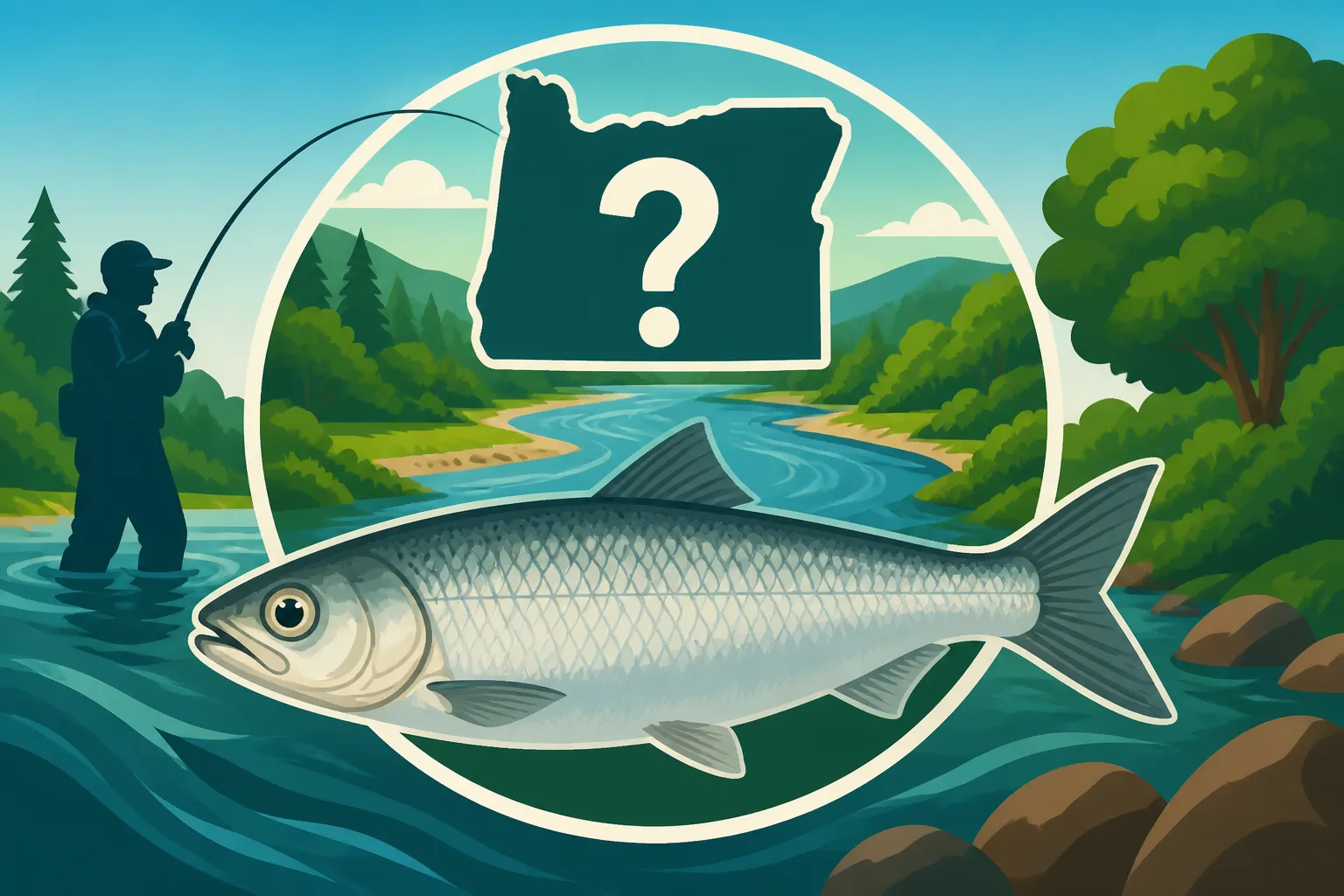
Are shad native to the Willamette River?
Many of us, myself included, have stood on the banks of the Willamette River, watching the swift currents and wondering about the fish beneath the surface. You might hear whispers about the incredible shad runs each spring, and a common question often pops into your head: "Are shad native to the Willamette River?" It’s a great question, and the answer isn't always as straightforward as you might think. This guide will dive deep into the fascinating story of American shad in Oregon, exploring their origins, their ecological impact, and why they've become such a beloved, albeit introduced, part of our fishing landscape, providing an exhilarating experience for countless anglers every year.
The Curious Case of American Shad in Oregon's Waters
When you think of Oregon's iconic fish, salmon and steelhead probably jump to mind first, conjuring images of majestic creatures fighting their way upstream. But for a few glorious weeks each spring, another species entirely dominates conversations among anglers: the American shad. They arrive in astounding numbers, creating a fishing frenzy that's particularly intense on the Willamette and Columbia rivers. Yet, despite their sheer abundance and the excitement they generate, these prolific fish aren't originally from here. This fact often surprises those new to the Oregon fishing scene, who assume anything so numerous must be a natural part of the environment.
Are They Native? Unraveling the Historical Roots
To put it plainly, no, the American shad, scientifically known as Alosa sapidissima, is not native to the Willamette River. In fact, it's not native to any waters on the Pacific Coast of North America. Their ancestral home lies thousands of miles to the east, along the Atlantic seaboard, stretching from the sunny coasts of Florida all the way up to the cooler waters of Canada. For centuries, these fish were a vital food source and an integral part of the ecosystems for Indigenous peoples and early European settlers on the East Coast, known for their powerful spring spawning runs up major rivers like the Delaware, Hudson, and Connecticut.
It’s completely understandable why one might assume that if a fish is so incredibly abundant and has established such strong, consistent runs year after year, it must have always been a part of the local ecosystem. However, that assumption doesn't hold true for American shad in Oregon. Their presence in our western waters is a direct result of human intervention, an ambitious and rather grand experiment from the late 19th century that fundamentally changed the aquatic ecosystems of the Pacific Northwest. While they've undeniably carved out a significant role and become a huge part of the Willamette's aquatic life and recreational offerings now, their history here is relatively brief when compared to the millennia-long presence of our ancient native salmonids.
The sheer volume of shad that return to the Willamette and Columbia each year can truly be breathtaking to witness. During the peak of their migration, anglers often report catching dozens, sometimes even hundreds, of these silver-sided fish in a single outing. This incredible success story, however, doesn't erase the fact that they are a transplanted species, a living legacy of a bygone era of fish stocking initiatives that aimed to diversify angling opportunities and create new food sources in the burgeoning western territories. Their flourishing existence here offers a fascinating glimpse into the long-term, sometimes unexpected, consequences of ecological engineering.
The Journey West: How Shad Became an Oregon Resident
The narrative of American shad arriving in Oregon reads a bit like an old frontier tale, filled with ambition, ingenuity, and a touch of the unknown. In the 1870s, as settlers streamed westward and new communities sprang up, there was a keen interest in introducing familiar and economically valuable fish species to the largely undeveloped and ecologically distinct western waters. The U.S. Fish Commission, a then-relatively new federal agency, spearheaded many of these audacious efforts to "improve" and diversify the nation's fisheries.
The initial introduction of shad to the Pacific Coast was quite a feat of logistics and perseverance. In 1871, over 10,000 delicate, live American shad fry were painstakingly transported by train in specially designed milk cans filled with water directly from the Hudson River. This delicate cargo endured a grueling, transcontinental journey all the way across the continent, eventually being released into the Sacramento River in California. The underlying idea was that if they could successfully establish themselves in one major Pacific river, they might eventually spread their range naturally. And spread they did, far beyond what many might have initially anticipated! Within just a few short years of that initial stocking, mature adult shad were being caught by commercial and recreational fishermen much further north, including in the mighty Columbia River.
Oregon's specific shad population largely stemmed from these highly successful California introductions, as the fish naturally expanded their range northward along the coast and into major river systems. However, it wasn't left entirely to natural dispersal; there were also direct stocking efforts into the Columbia River and its major tributaries, including the Willamette, in subsequent years to bolster the already burgeoning populations. These weren't just token releases; they were often large-scale introductions specifically designed to ensure successful establishment and create a robust, self-sustaining fishery. So, while shad weren't airlifted directly into the Willamette River in that inaugural 1871 journey, the river certainly benefited from the widespread dispersal and targeted stockings that followed, cementing its status as one of the prime shad fishing destinations we know today.
This historical context is absolutely crucial for understanding the current state of fishing in Oregon. It vividly highlights a period in American history when ecological consequences were far less understood or prioritized than they are today. The prevailing focus was often on introducing species that were perceived to thrive easily and provide either immediate recreational angling value or commercial food sources. The American shad, in this regard, were an undeniable "success," flourishing in their new Pacific Northwest home far beyond what many might have even dreamed possible.
Understanding the Impact of Non-Native Species
Introducing any non-native species into an established, finely tuned ecosystem inevitably creates a complex web of ripple effects. While American shad have certainly carved out a significant niche and provided immense recreational value for anglers, their widespread presence isn't without ecological considerations. It's a nuanced and complex picture, and understanding these interactions helps us appreciate the delicate balance of our beloved Oregon rivers and the ongoing challenges faced by native species.
Ecological Ripple Effects: How Shad Interact with Native Fish
The Willamette River is a vibrant, complex web of life, home to an array of native species including iconic runs of Chinook salmon, coho salmon, various species of steelhead, and numerous resident trout populations. When a non-native species like the American shad establishes itself and thrives to the extent that it has, it inevitably enters into the existing food web and competition for resources. Shad are primarily planktivores, meaning their diet consists predominantly of zooplankton – tiny aquatic organisms that form the base of many aquatic food chains. In their sheer, overwhelming numbers, these fish can consume vast quantities of these organisms, potentially impacting the food base available for juvenile native fish that also rely heavily on zooplankton, especially in critical estuary and lower river environments where many species congregate.
While direct predation on native fish by adult shad is generally not considered a primary concern, the potential for competition over shared food resources, particularly zooplankton, cannot be entirely dismissed. Young salmon and steelhead smolts, for instance, preparing for their perilous journey to the ocean, depend on a rich and abundant supply of these tiny creatures to fuel their growth and migration. A massive influx of migratory shad during the critical spring out-migration period for these native juveniles could, theoretically, reduce the availability of these essential food items, placing additional stress on already vulnerable native populations. It’s a subtle form of competition, not always immediately obvious, but it’s a factor that scientists and fisheries managers continue to diligently study and monitor.
Furthermore, the sheer biomass of returning shad can, in some circumstances, physically alter the aquatic environment. Large aggregations could potentially affect localized water quality parameters or even sediment dynamics in ways that are still being understood. The ecological interactions are multifaceted, ranging from sharing limited spawning grounds to influencing the populations of various predators that might target both shad and native species. This all underscores the inherent challenges of managing complex river systems that now host a dynamic mix of both native species and long-established, successful non-native inhabitants.
Angler's Perspective: A Mixed Blessing?
From an angler's standpoint, the arrival of American shad each spring is often seen as nothing short of a glorious phenomenon. They arrive in truly incredible numbers, are relatively easy to locate and catch, and put up a surprisingly strong, tenacious fight for their size. For many, shad fishing is a fantastic way to simply get out on the water, especially for families or beginners looking for an accessible and action-packed experience when other, more targeted fisheries might be slower or more challenging. The sheer abundance of shad also means less fishing pressure on struggling native populations, providing a welcome and fun alternative target for many anglers.
Many Oregon fishing enthusiasts eagerly anticipate the annual "shad run," considering it a true rite of spring. It offers a valuable opportunity to hone one's angling skills, spend quality time outdoors, and even fill the freezer (though it must be noted, shad are notoriously bony, some people absolutely love to smoke or pickle them for a unique culinary experience). It's also a remarkably accessible fishery, with many prime spots being easily reached from shore, particularly along the Willamette River near iconic places like Oregon City. You typically don't need a fancy boat or expensive, highly specialized gear to enjoy success, which makes it particularly appealing to a broad range of participants. Oregon Fishing Techniques for Beginners might be a great place to start learning the ropes.
However, even from an angler's perspective, there's often an underlying awareness and occasional discussion that these are, in fact, not native fish. While the excitement and sheer volume of catches are undeniable, some anglers maintain a strong preference for targeting native species or express valid concerns about the long-term ecological balance of our rivers. This creates an interesting and somewhat complex dynamic where a non-native species has become deeply embedded in the recreational fishing culture of Oregon, highly valued for the unique opportunities it provides, while simultaneously serving as a constant, tangible reminder of past ecological choices and their enduring impact.
Fishing for Shad on the Willamette: A Unique Oregon Experience
Despite their non-native status, American shad have truly become an integral and celebrated part of the Oregon fishing scene. For many anglers across the state, their annual return is a highly anticipated event, a true signal that spring has fully arrived. If you're looking for a fast-paced, action-packed fishing adventure that's often accessible, doesn't require a huge investment, and is relatively easy to get into, chasing shad on the Willamette River is an experience you genuinely won't want to miss. It’s a perfect opportunity to enjoy the outdoors and feel the thrill of a fish on the line.
When and Where to Find Them
The shad run on the Willamette River typically kicks off in late April, reaches its peak intensity throughout May, and can often extend well into early June, with the exact timing heavily dependent on fluctuating water temperatures and river flows. These fascinating anadromous fish, much like salmon, migrate from the vast Pacific Ocean upriver into freshwater to complete their spawning cycle. The lower Willamette River, particularly the stretches immediately below the majestic Willamette Falls in Oregon City, becomes a major hub for intense shad fishing activity. This area creates a natural bottleneck where hundreds of thousands, if not millions, of fish congregate before attempting to navigate the falls, making it incredibly productive. During the peak of the run, you'll often see a lively scene with anglers lining the banks or out in small boats, enthusiastically casting their lures into the current.
Beyond Oregon City, shad continue their determined journey upstream, though typically in gradually smaller numbers. You can still find them in productive stretches of the Willamette River closer to Portland, and even further upriver towards cities like Salem and beyond, although the concentrations will generally decrease the further you get from the main migration points near the mouth of the river. Key access points in Oregon City include the easily accessible banks near the falls, Meldrum Bar Park, and various public docks and boat launches. Local bait shops are usually buzzing with current, invaluable reports on where the best action is happening day-to-day. For more general details on access points across the state, you might find a guide like Best Places to Fish in Oregon particularly helpful.
Timing is absolutely everything when it comes to successfully targeting shad. The best fishing action often occurs during the middle of the day, especially when the sun is out, actively warming the water. Shad are schooling fish, so a crucial tip is that when you find one, you're highly likely to find many more. Keeping a close eye on river conditions, checking online forums, and most importantly, talking to knowledgeable local tackle shop owners or fellow anglers will give you the most up-to-date and accurate information on when and where the bite is truly hot.
Essential Gear and Techniques
You absolutely do not need highly specialized or prohibitively expensive gear to get started with shad fishing, which is a huge part of its universal appeal! A light to medium-light spinning rod, typically around 6 to 7 feet in length, paired with a small, smooth-operating spinning reel spooled with 6-8 pound monofilament or fluorocarbon line is usually the perfect setup. The key characteristics to look for are a sensitive rod that can effectively detect the often-subtle tugs of a shad in the current and a reel with a smooth, reliable drag system to handle their surprisingly strong and spirited runs.
The most popular and consistently effective technique for catching shad involves using small, brightly colored jigs, which are affectionately often called "shad darts" or "crappie jigs." These lures typically weigh between 1/16 to 1/4 ounce and come in an array of vibrant, attention-grabbing colors such as chartreuse, brilliant pink, bright orange, or various enticing combinations of these hues. The fundamental idea is to cast these jigs upstream and then allow them to drift naturally with the current, staying relatively close to the bottom where the shad are typically holding. A slight twitch of the rod tip or a slow, steady retrieve helps impart a lifelike action to the lure, making it irresistible. Depending on the current speed and water depth, you might need to add a small lead weight or dropper ahead of the jig to ensure it gets down to the fish effectively. You can find a fantastic selection of these jigs, along with other essential fishing gear, conveniently on sites like Amazon, often available in multi-packs that give you a great variety of colors and weights to experiment with on the water.
Another highly effective setup for shad is a small, flashy spoon or a compact spinner. Again, bright, reflective colors tend to work best to attract their attention. The retrieve technique is quite similar: cast your lure, allow it to sink to the desired depth, and then reel in slowly, allowing the lure to wobble, flash, and flutter enticingly through the water column. Because shad can sometimes be particular about specific colors or the exact depth on any given day, it’s always a smart strategy to bring a variety of jig colors and weights, as well as a few spoons or spinners. And don't forget to pack a pair of sturdy pliers for safe hook removal, and a stringer or a small cooler if you plan on keeping some of your catch for the table. Always remember to meticulously check current Oregon Fishing Regulations Explained for specific bag limits and any special rules that may apply to the area you are fishing before you head out.
| Feature | American Shad (Non-Native) | Chinook Salmon (Native) |
|---|---|---|
| Origin | Atlantic Coast of North America | Pacific Coast of North America |
| Primary Diet | Zooplankton, small crustaceans | Fish, squid, crustaceans (adults); zooplankton (juveniles) |
| Typical Size | 1-3 pounds, 15-20 inches | 10-50+ pounds, 24-40+ inches |
| Season in Willamette | Late April – Early June (peak May) | Spring (Mar-May), Fall (Aug-Oct) |
| Fishing Appeal | Abundant, strong fighters, high action, accessible | Iconic, powerful, challenging, high culinary value |
| Conservation Status | Stable, robust population (in Oregon) | Various runs listed under ESA (threatened/endangered) |
So, while American shad might not have started their incredible journey in the cold, clear waters of the Willamette, they've certainly made it their second, thriving home, offering a vibrant and incredibly engaging fishery for countless anglers. Their fascinating story is a powerful reminder of how human actions can profoundly reshape ecosystems and, in the process, create entirely new traditions and opportunities.
In fact, fishing for shad can be a wonderfully effective way to introduce someone new to the pure joys and excitement of fishing without the intense pressure or steep learning curve often associated with trying to land a trophy salmon or steelhead. The continuous action and frequent bites keep things incredibly exciting, which is especially fantastic for younger anglers or those just starting their fishing adventures. Make sure you check out Do kids need a fishing license in Oregon? and Oregon Fishing Rules for Kids and Seniors if you're planning to bring the whole family along for the fun. And don't forget, having a good pair of polarized sunglasses, easily found and purchased on Amazon, can make an enormous difference in spotting fish or seeing your line's subtle movements in the water's glare.
The sheer, astonishing numbers of shad that migrate up the Willamette River each year provide a truly unique fishing opportunity that many other rivers simply don't offer. It's a rare chance to experience the natural spectacle of a massive fish run, often right in the heart of Oregon's most populous regions. This makes the Willamette a truly special and invaluable place for this particular fishery, providing abundant opportunities for a fantastic, memorable day on the water.
While you're out there enjoying the incredible action, it's always a good practice to consider the wider ecosystem and the delicate balance within it. Understanding the important distinction between native and non-native species helps foster a deeper appreciation for the ongoing conservation efforts aimed at protecting Oregon's original aquatic inhabitants, such as our precious wild salmon and steelhead. Every angler plays a meaningful role in this, whether by meticulously adhering to fishing regulations or simply by being informed and aware. For those interested in delving deeper into the lives of our iconic native species, articles like Oregon Salmon Species Guide or Oregon Steelhead Guide offer comprehensive and insightful dives.
It's also worth noting that the prime shad run often coincides with excellent fishing opportunities for other species in the broader region. You might find yourself targeting fast-fighting shad in the morning and then easily switch gears to trout fishing in a nearby stocked lake or tributary in the afternoon. Having a versatile tackle box, with essential items and lures that can be easily replenished from Amazon, means you're always well-prepared for whatever fishing adventure the day might bring. Always be acutely aware of the specific regulations for each species and location you plan to fish, as they can, and often do, vary significantly.
The cultural significance of shad in Oregon fishing has grown immensely and steadily over the decades. What began as an ecological experiment, albeit an accidental one in some ways, has truly transformed into a cherished and widely anticipated annual event for countless Oregonians. Families often return year after year to their favorite spots, eagerly sharing fishing tips, swapping stories, and building lasting memories around the pursuit of this spirited silver fish. It stands as a remarkable testament to both the adaptability of species and the enduring passion and dedication of anglers across the state.
Conclusion
So, to definitively answer the burning question: are shad native to the Willamette River? No, they are not. The American shad embarked on an epic, human-assisted journey from its native Atlantic Coast to become a prominent, though non-native, resident of the Willamette River and other Pacific Northwest waters. Their introduction in the late 19th century was a remarkable testament to early fish management efforts, and while it has certainly brought about some ecological shifts and considerations, it has also undeniably created one of Oregon's most exciting, abundant, and accessible spring fisheries.
While we will always cherish and prioritize our native salmon and steelhead, the American shad have nonetheless carved out a special and unique place in the hearts of Oregon anglers. They offer fast-paced action, a wonderful excuse to get outdoors, and an invaluable opportunity for beginners to experience the pure thrill of a strong, fighting fish on the end of their line. So, the next time you're standing on the banks of the Willamette during that glorious spring season, reeling in one of these silvery torpedoes, you'll know the fascinating, century-old story of how they came to call Oregon their vibrant, productive, and beloved second home.
Disclaimer
This article is for general informational purposes only and does not constitute professional advice. Laws, prices and regulations vary by location and change over time. Consult a qualified professional for guidance on your specific situation.