Are razor clams safe to eat right now in Oregon?
There’s nothing quite like the anticipation of digging for razor clams on a beautiful Oregon beach – the crisp air, the sound of the waves, and the promise of a delicious meal. But a common worry that pops into many clammer's minds, mine included, is whether those clams are actually safe to eat right now. It's a valid concern, and one that every responsible clammer needs to address before heading out. This guide is here to walk you through the reasons why clam safety is so important, how Oregon keeps an eye on its shellfish, and most importantly, how you can find the most up-to-date information to ensure your clam feast is a safe one.
The Unseen Dangers: Why Clam Safety Matters So Much
Harvesting shellfish, especially razor clams, comes with unique risks that aren't present in other types of fishing. It’s not just about knowing how to dig a razor clam or finding the best clamming spots; it's about understanding the biological threats that can make even a perfectly healthy-looking clam dangerous to consume. These aren't minor stomachaches we're talking about; these are serious, potentially life-threatening toxins.
Understanding Paralytic Shellfish Poisoning (PSP)
One of the most well-known dangers is Paralytic Shellfish Poisoning, or PSP. This nasty stuff is caused by toxins produced by certain microscopic algae, often referred to as "red tides," although the water might not actually appear red. Clams, being filter feeders, innocently ingest these tiny organisms and accumulate the toxins in their tissues. The alarming part is that the clams themselves are completely unaffected by these toxins. They'll look, smell, and taste normal, giving you no indication of the hidden danger they carry.
The impact on humans, however, is far from normal. PSP toxins attack the nervous system. Symptoms can appear rapidly, often within minutes to a few hours after consumption. Early signs might include tingling or numbness around the mouth and lips, which can then spread to the face and neck. As the poisoning progresses, you might experience dizziness, headache, rapid pulse, and even difficulty breathing. In severe cases, PSP can lead to complete muscular paralysis and respiratory arrest, which can be fatal. Cooking the clams does absolutely nothing to neutralize these toxins, so relying on heat to make them safe is a dangerous misconception.
The Threat of Domoic Acid and Amnesic Shellfish Poisoning (ASP)
While PSP often gets the most press, Domoic Acid, leading to Amnesic Shellfish Poisoning (ASP), is another significant concern on the Oregon coast. Like PSP, domoic acid is a naturally occurring neurotoxin produced by certain types of marine algae. Razor clams are particularly prone to accumulating domoic acid, especially during specific oceanic conditions that favor these algal blooms. Again, the clams don't show any signs of being toxic, making them silent carriers of a potentially serious illness.
ASP symptoms can range from mild to severe. Initial signs can include gastrointestinal distress like vomiting, diarrhea, and abdominal cramps. More severe neurological symptoms can develop, such as headache, confusion, disorientation, short-term memory loss (hence "amnesic"), and even seizures. In very extreme cases, it can cause coma and death. The risk here, much like with PSP, is that you simply cannot tell if a clam is contaminated by looking at it, smelling it, or even cooking it. This is why knowing the current advisories is absolutely non-negotiable for anyone planning a clamming trip.
Oregon's Watchful Eye: How Shellfish Are Monitored
Given the serious health risks, Oregon takes shellfish safety very seriously. We're lucky to have dedicated agencies constantly monitoring coastal waters and the shellfish within them. It's not a perfect system, as nature can be unpredictable, but it’s a robust one designed to protect public health. This diligent oversight is precisely why you can have confidence in the official advisories.
The Role of the Oregon Department of Agriculture (ODA)
The Oregon Department of Agriculture (ODA) is the primary agency responsible for monitoring commercial and recreational shellfish for marine biotoxins. They have a comprehensive testing program that involves regularly collecting shellfish samples from various sites along the coast. These samples are then analyzed in laboratories for the presence and concentration of toxins like those causing PSP and ASP. If toxin levels exceed established safety thresholds, the ODA, in consultation with the Oregon Department of Fish and Wildlife (ODFW), issues closures or advisories.
These closures can be geographically specific, affecting only certain bays or stretches of beach, or they can be coast-wide, impacting all clamming opportunities. They are also species-specific. For instance, razor clamming might be closed in one area due to high domoic acid levels, while crabbing in the same area remains open, as crabs accumulate toxins differently or not at all from these particular shellfish. The ODA's work is the backbone of safe shellfish harvesting in Oregon, and understanding their role helps you appreciate the critical information they provide.
The Oregon Department of Fish and Wildlife (ODFW) and Public Communication
While ODA handles the scientific testing, the Oregon Department of Fish and Wildlife (ODFW) plays a crucial role in communicating these advisories to the public. They work hand-in-hand with ODA to ensure that news of closures, openings, and ongoing warnings reaches recreational anglers quickly and clearly. ODFW maintains hotlines, websites, and often posts updates on social media channels. You'll also find notices at popular access points along the coast when closures are in effect.
It's a combined effort: ODA provides the data, and ODFW ensures that the clamming community is informed. Their goal is not to stop you from enjoying Oregon's incredible shellfish resources, but to ensure you do so safely. Ignoring their warnings is not only irresponsible but potentially deadly. Always remember that these advisories are put in place for your safety, not to spoil your fun.
Your Go-To Guide: How to Check Current Clamming Status
This is the absolute most critical step before you even think about putting on your waders and grabbing your clam gun. Relying on old information, a friend’s casual observation, or wishful thinking is a recipe for disaster. You need real-time, official data.
Official State Resources for Shellfish Closures
The number one place to check is the Oregon Department of Agriculture's (ODA) shellfish safety page. This is the authoritative source for all current recreational shellfish harvesting closures and advisories. They update it as soon as new information comes in, sometimes multiple times a day if conditions are changing rapidly. You can typically find a map showing affected areas, a list of current closures by species and location, and the reasons for those closures (e.g., domoic acid, PSP).
Another invaluable resource is the ODFW Recreation Report. While broader in scope, covering fishing reports, Oregon Fishing Season Dates and Limits, and more, it often links directly to the ODA shellfish safety information or provides its own concise updates regarding clamming and crabbing opportunities. Many people find the ODFW report a great starting point, especially if they are planning a broader Oregon Fishing License Guide trip. Bookmark these pages on your phone or computer, and make it a habit to check them the day before and the morning of your trip. Don't forget, sometimes specific areas, like a particular stretch of beach or a bay, can be closed while others remain open, so always check the specific location you plan to visit.
Understanding Advisory Types and What They Mean
When you check the official sources, you’ll encounter different types of advisories. It’s important to understand what each one signifies:
- Closure: This is a complete ban on harvesting a specific species (e.g., razor clams) in a particular area (e.g., entire Oregon coast, or just Tillamook Bay). Do not harvest during a closure. This is not a suggestion; it's a legal and health imperative. Penalties for ignoring closures can include fines, confiscation of your catch, and even jail time, as outlined in Oregon Fishing Violations and Penalties.
- Advisory: Sometimes, an advisory might be issued for certain sensitive groups (e.g., young children, pregnant women, or people with compromised immune systems) to avoid consuming specific shellfish, even if a full closure isn't in effect for the general public. Pay close attention to these nuances.
- Opening: This is the good news! When toxin levels fall below safe thresholds, the ODA will lift a closure, and harvesting can resume. Always double-check any specific bag limits or harvest restrictions that might apply, which you can find in the Oregon Fishing Regulations Explained.
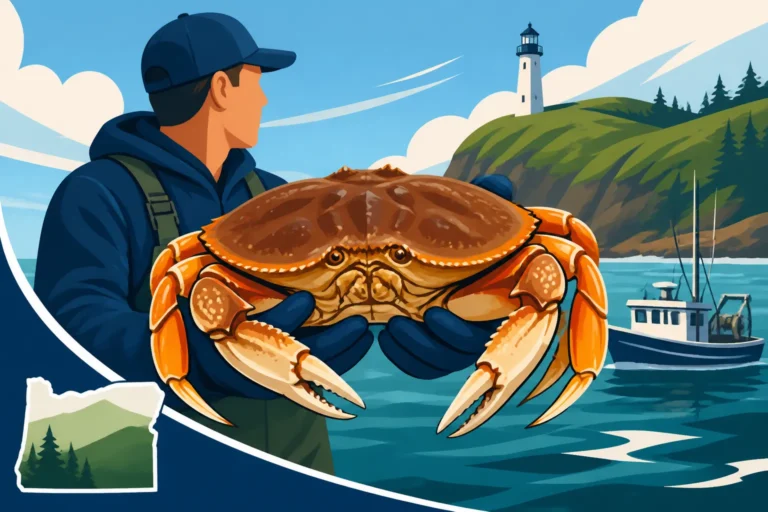
It's not uncommon for closures to be in effect for razor clams but not for bay clams or crab, or vice-versa. Different species accumulate toxins at different rates and to varying degrees. For instance, while razor clams might be closed due to domoic acid, Dungeness crabs harvested in the same area might be safe to eat, as the toxins are generally concentrated in their internal organs (viscera), which are usually removed before consumption. However, always verify current advisories for all shellfish you plan to harvest.
You can also often call the ODFW Shellfish Hotline. Having a phone number for quick, automated updates can be super helpful, especially if you're out of reliable internet service or just want to quickly confirm what you saw online. Many anglers keep this number stored in their phone.
| Advisory Type | What it Means | Action |
|---|---|---|
| Closure | Toxin levels are unsafe for human consumption. | Do NOT harvest the specified shellfish in the affected area. |
| Advisory | Toxin levels may be elevated; certain groups should avoid. | Exercise caution; sensitive individuals should avoid. Check for species/area specifics. |
| Open | Toxin levels are within safe limits. | Harvest is permitted, but always follow Oregon Daily Bag Limits Explained and other regulations. |
| Biotoxin | Caused by naturally occurring marine algae producing harmful toxins. | Indicates the reason for a closure or advisory (e.g., PSP or Domoic Acid). |
Remember, these advisories are dynamic. Conditions can change rapidly due to ocean currents, weather patterns, and algal bloom cycles. Just because an area was open last week doesn't mean it's open today. Always check the very latest information before you leave home.
Beyond the Warnings: Personal Safety for Clam Diggers
Even when an area is officially open for clamming, there are still best practices you should follow to ensure your personal safety and the quality of your catch. These aren't about toxins, but about general food safety and responsible harvesting.
Safe Harvesting Practices
When you're out on the beach, make sure you're properly equipped. A sturdy clam gun or shovel, a bucket, and appropriate footwear are essential. Many clam diggers opt for durable waterproof boots or even chest waders, which you can find on Amazon, especially for those chilly Oregon mornings. Pay attention to the tides; clamming is best on a low tide, and you need to be aware of the incoming tide to avoid getting cut off from shore. Be mindful of beach etiquette and avoid disturbing sensitive dune areas.
Once you find your clams, harvest only what you plan to eat and what is allowed by the Oregon Daily Bag Limits Explained. Don't overharvest, and release any undersized or excess clams gently. Keep your harvested clams in a cool, shaded place, ideally on ice, to maintain freshness. A cooler filled with ice is a clammer's best friend. This ensures that the clams stay in prime condition until you can get them home and clean them.
Proper Cleaning and Cooking
When you get your razor clams home, proper cleaning is essential. Razor clams, like many bivalves, contain sand and grit. A thorough cleaning process is key to an enjoyable meal. Many experienced clammers "shuck" the clams, separating the meat from the shell, and then clean the digestive tract and gills. Some prefer to blanch them briefly in hot water, which helps firm up the meat and makes cleaning easier.
Cooking methods are varied and delicious, from frying clam strips to incorporating them into chowders or fritters. Whatever method you choose, ensure the clams are cooked thoroughly. While cooking doesn't eliminate biotoxins, it kills bacteria and viruses that could cause other types of foodborne illness. If you're planning on keeping clams for longer, freezing them after cleaning and shucking is a great option. Make sure they are sealed well in freezer-safe bags or containers to prevent freezer burn. You can even find vacuum sealers and appropriate bags on Amazon to keep your catch fresh for months.
Recognizing and Responding to Symptoms
Even with all precautions, it's vital to know the symptoms of shellfish poisoning. If you or someone you're with experiences any of the symptoms mentioned earlier (tingling, numbness, dizziness, confusion, gastrointestinal distress) after eating shellfish, seek immediate medical attention. Don't wait to see if it gets better. Call 911 or go to the nearest emergency room. Be sure to tell the medical staff what you ate and when. This information can be crucial for a rapid diagnosis and effective treatment.
Keeping a small first-aid kit, which you can easily assemble or purchase pre-made on Amazon, in your vehicle can be a smart move for any outdoor adventure, including clamming. While it won't cure severe poisoning, it can help with minor injuries or discomfort while you await professional medical help. Your health is not worth gambling on. Enjoy the bounty of the Oregon coast, but always do so with knowledge and caution.
Disclaimer
This article is for general informational purposes only and does not constitute professional advice. Laws, prices and regulations vary by location and change over time. Consult a qualified professional for guidance on your specific situation.