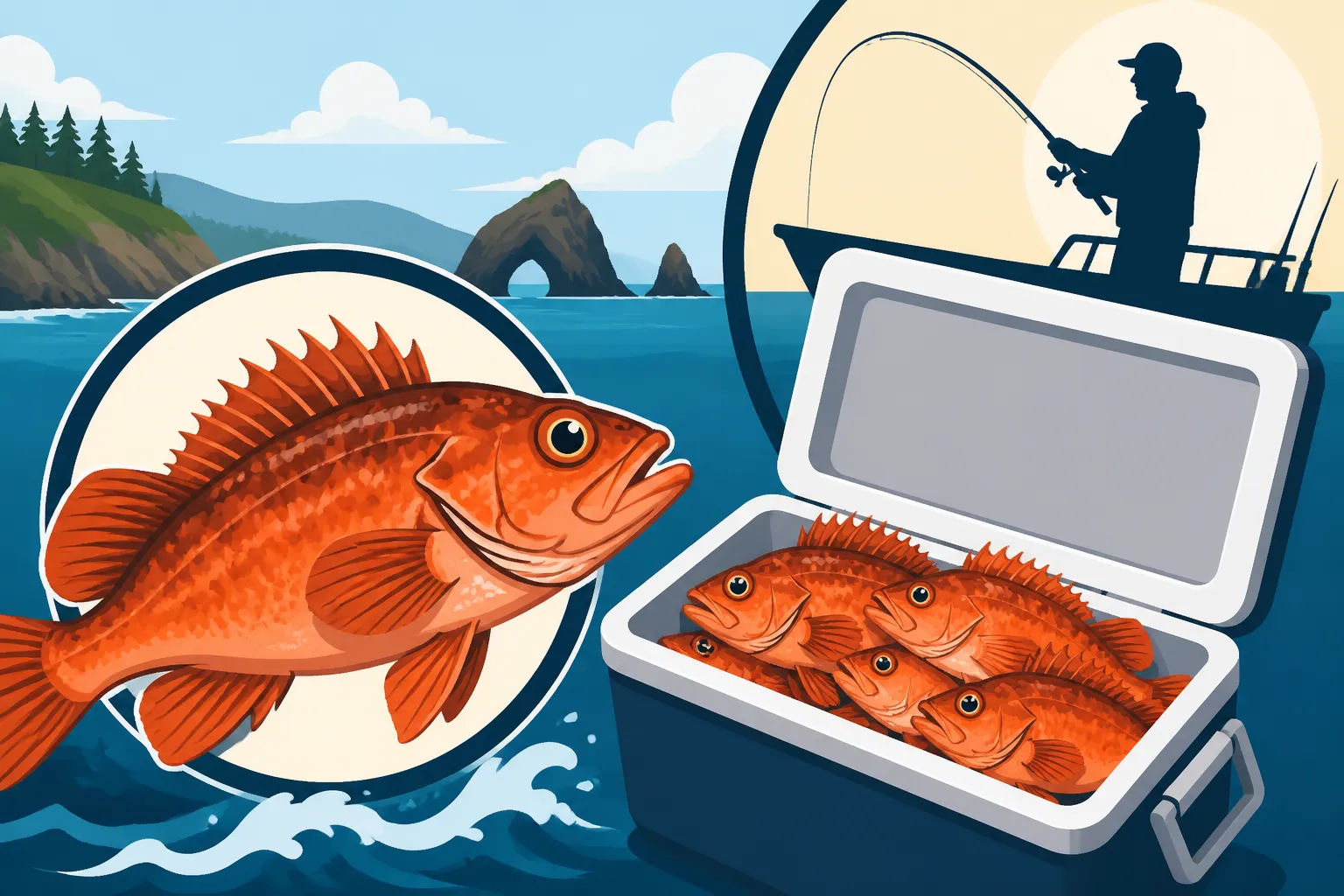
What is the daily limit for rockfish off Oregon
Heading out to the stunning Oregon coast, with its rugged beauty and abundant marine life, is a dream for so many anglers. There’s nothing quite like the tug of a feisty rockfish on your line, and for many, the freezer full of delicious fillets afterward is a bonus! But let's be real, figuring out the daily limits for rockfish can feel like trying to solve a complex puzzle, especially when you're just eager to get your line in the water. The rules change, there are different species, and it's easy to get confused. This comprehensive guide will break down the intricacies of rockfish daily limits off Oregon, helping you understand the regulations so you can fish confidently and responsibly.
Understanding Oregon's Rockfish Fishery and Its Importance
Rockfish are truly a cornerstone of Oregon's nearshore marine fishery. They're accessible from boats of various sizes and even from some jetties, making them popular targets for a wide range of anglers. But their popularity also means careful management is crucial to ensure these incredible fish remain plentiful for generations to come.
A Diverse Family Under the Waves
When we talk about "rockfish," we're actually referring to a huge family of fish called Sebastes, and there are dozens of different species found along the Oregon coast. They come in an astonishing array of colors—bright reds, oranges, yellows, greens, and browns—and each species has its own unique characteristics. You might encounter Black Rockfish, which are often found closer to shore and around structure, or perhaps the colorful Vermilion, Copper, or Quillback Rockfish, often dwelling a bit deeper. There are also species like Yelloweye and Canary Rockfish, which are particularly long-lived and vulnerable.
This incredible diversity is part of what makes rockfishing so exciting. You never quite know what vibrant creature you'll pull up from the depths. They're often associated with rocky reefs, kelp beds, and other complex underwater structures, hence their name. They're not just fun to catch; they're also excellent table fare, offering firm, white meat that's perfect for grilling, frying, or baking. Knowing the various species is not just a fun fact; it's a critical part of being a responsible angler, especially when it comes to understanding and adhering to the nuanced regulations.
Why Daily Limits Exist for Rockfish
The existence of daily limits for rockfish isn't just about making fishing more challenging; it's deeply rooted in conservation. Unlike many other fish species that reproduce quickly and mature early, many rockfish species are incredibly slow-growing and long-lived. Some species, like the Yelloweye Rockfish, can live for over 100 years! This means they take a very long time to reach maturity and contribute to the population, making them highly susceptible to overfishing.
If too many are harvested too quickly, it can take decades for their populations to recover, if they ever do. The limits are put in place by agencies like the Oregon Department of Fish and Wildlife (ODFW) and federal management bodies to manage harvest levels, protect vulnerable species, and ensure the long-term health and sustainability of the rockfish populations. These regulations consider factors like population health assessments, scientific data on reproduction rates, and the impact of fishing pressure. It’s a delicate balance between allowing recreational fishing opportunities and safeguarding these precious marine resources for the future. Understanding this "why" helps us appreciate the rules, even when they seem a bit restrictive at times. For a broader look at fishing rules, check out Oregon Fishing Regulations Explained.
Navigating the Daily Limits for Rockfish in Oregon
Figuring out the exact daily limit for rockfish can feel like navigating a maze, but once you understand the basic structure, it becomes much clearer. The key is knowing there's often a general marine fish limit, along with specific rules for certain rockfish species and even depth restrictions.
The General Marine Bag Limit: What to Expect
In Oregon, when you're out fishing for bottom fish, there's typically a general marine fish daily bag limit. This limit dictates the total number of fish you can keep in a single day, regardless of the species. For example, it might state you can keep a certain number of marine fish per day, of which no more than a certain amount can be rockfish. It's designed to provide a broad cap on overall harvest while still allowing anglers to enjoy a mixed bag.
This general limit is important because it sets the overarching framework for your rockfish trip. If you hit your general marine fish limit, you're done for the day, even if you haven't caught the maximum allowed for specific rockfish species. Always keep this overarching number in mind. It's your top-level allowance before you even start thinking about individual species. Remember, these numbers can change with the seasons or even within a fishing year, so always confirm the most current figures before you head out.
Species-Specific Sub-Limits and How They Apply
Now, here's where it gets a bit more specific. Within that general marine fish daily bag limit, there are often species-specific sub-limits for certain types of rockfish. These sub-limits are put in place to provide extra protection for species that are particularly vulnerable or have slower recovery rates.
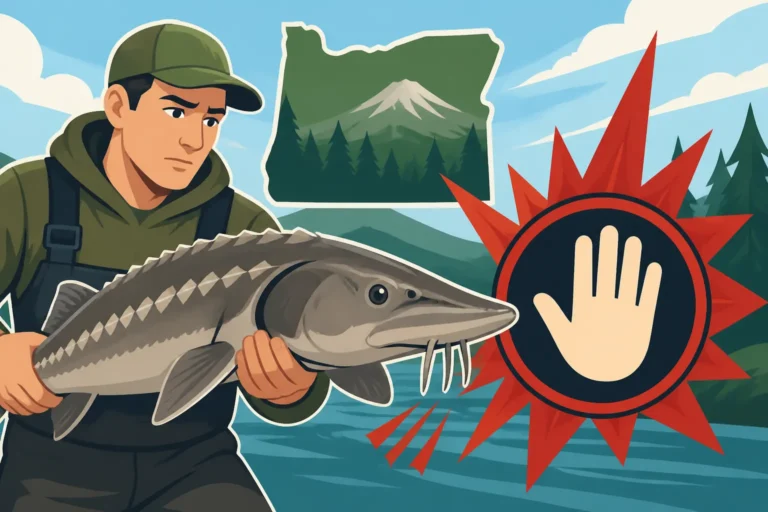
You'll often find that some rockfish species are completely prohibited from retention, meaning you cannot keep them at all. This is commonly the case for species like Yelloweye Rockfish, which are critically overfished and protected. Other species might have very low sub-limits—perhaps one or two fish per day—even if your general marine fish limit is much higher.
Here's an example of how this might play out (using hypothetical numbers to illustrate the concept, as exact figures vary):
Imagine the general marine fish limit is 10 fish per day.
Within that, there might be:
- Prohibited: Yelloweye Rockfish (cannot keep any)
- Sub-limit: Canary Rockfish (limit of 1 fish per day)
- Sub-limit: China, Copper, Quillback Rockfish (limit of 1 fish per day total of these three species)
- General Rockfish: The remaining rockfish species (like Black Rockfish, Blue Rockfish, etc.) can make up the rest of your general marine fish limit, up to the overall total, provided you haven't hit any of the specific sub-limits.
This means you need to be able to identify your catch quickly and accurately. If you accidentally keep a prohibited species, or exceed a sub-limit, you're in violation, regardless of your good intentions. Many anglers find it helpful to have a laminated rockfish identification guide on board, perhaps one purchased easily from Amazon, to help distinguish between the various species while on the water.
Deeper Waters, Different Rules: The Groundfish Conservation Area (GCA)
Another crucial element to understanding Oregon's rockfish regulations is the concept of depth restrictions, specifically related to the Groundfish Conservation Area (GCA). This isn't strictly a "daily limit" in terms of numbers, but it directly impacts where you can fish for rockfish and, by extension, which rockfish species you're likely to encounter and legally keep.
The GCA is essentially a boundary line, defined by specific depths or coordinates, that changes throughout the year. Its purpose is to protect deeper-dwelling groundfish species, especially those that are overfished or particularly sensitive to fishing pressure, like many of the long-lived rockfish. Fishing beyond certain depths might be prohibited for bottom fish, or specific rules might apply.
For instance, during certain times of the year, there might be a "recreational bottomfish depth restriction" that limits fishing to waters shallower than, say, 40 fathoms (240 feet). This means if you're out past that depth and catch a rockfish, even if it's a legal species, you might be in violation if you intended to target bottom fish there, or if you don't release it quickly and properly. The problem is, many of the prohibited or heavily restricted rockfish species (like Yelloweye) tend to live in deeper waters. Fishing shallower helps reduce the chance of encountering these vulnerable species.
It's absolutely vital to know the current depth restrictions for the area you're fishing. Many modern fish finders and chart plotters can display depth contours, and it's a good idea to mark these boundaries. Knowing your Oregon Fishing Zones Explained is paramount here. Always consult the official ODFW regulations for the precise GCA boundaries and depth restrictions, as these are highly dynamic and can change seasonally or even with emergency closures.
Essential Tips for Responsible Rockfish Anglers
Being a responsible angler goes beyond just knowing the rules; it's about actively participating in the conservation efforts that keep our fisheries healthy. This means being prepared, educated, and ready to adapt.
Always Check the Latest Regulations
This cannot be stressed enough: always, always check the latest Oregon fishing regulations before every trip. The rules for rockfish, especially species-specific limits and depth restrictions, can change frequently. What was legal last month might not be legal today. These changes can be seasonal, in response to new scientific data, or even due to emergency closures.
Here's how you can stay on top of things:
- ODFW Website: The Oregon Department of Fish and Wildlife website is your primary source for the most up-to-date information. They typically have a dedicated marine zone fishing report and regulation updates page.
- Regulation Booklets: Pick up a physical copy of the Oregon Sport Fishing Regulations booklet. These are usually available at license vendors, ODFW offices, and many sporting goods stores. While comprehensive, remember that in-season changes may not be reflected in printed copies, so always cross-reference with the website. You can purchase your Oregon Fishing License at Sporting Goods Stores and pick up a booklet at the same time.
- Local Bait and Tackle Shops: The folks who work at your local bait and tackle shop are often incredibly knowledgeable about current regulations, especially local nuances. They're a fantastic resource for real-time information.
- ODFW Marine Zone Updates: Many anglers subscribe to email lists or follow ODFW's social media channels for direct alerts about regulation changes.
It’s your responsibility as an angler to know and follow these rules. Ignorance of the law is not an excuse, and violations can result in hefty fines and penalties, as detailed in Oregon Fishing Violations and Penalties.
Identifying Your Catch
As discussed earlier, species-specific sub-limits make accurate identification paramount. Imagine you're out on the water, you've got a beautiful fish on the line, and you're trying to figure out if it's a legal keeper. This isn't always easy, especially for similar-looking rockfish species.
Here are some tips for identifying your catch:
- Study Before You Go: Familiarize yourself with common rockfish species found in Oregon waters. Pay attention to distinguishing features like fin ray counts, body shape, mouth size, lateral line patterns, and color variations.
- Use an Identification Guide: Keep a waterproof, comprehensive rockfish identification guide on your boat. These are invaluable. Some guides are even available as apps for your phone, but be mindful of reception offshore. You can find excellent laminated guides that hold up well in a marine environment on Amazon.
- Look for Key Markers: For example, Black Rockfish often have a dark body with lighter mottling and a large mouth. Canary Rockfish are typically bright orange with three dark bands on their head. Yelloweye Rockfish are typically orange-red with, as the name suggests, prominent yellow eyes, and often a rougher texture.
- When in Doubt, Release It: If you're genuinely unsure about a fish's identity and whether it's legal to keep, the safest and most responsible action is to release it carefully. It's better to miss out on one fish than to face a violation or harm a protected species.
Accurate identification not only keeps you compliant but also deepens your appreciation for the incredible biodiversity beneath the waves.
Practicing Safe Catch and Release
Even with the best intentions, you will inevitably catch rockfish that you need to release—whether they are prohibited species, undersized, or you've already met your daily limit. Releasing fish, especially those brought up from deeper water, requires special care due to a phenomenon called barotrauma.
Barotrauma occurs when a fish is reeled up quickly from significant depths. The rapid change in pressure causes gases in their swim bladder to expand, leading to a distended stomach, bulging eyes, and an inability to swim back down. These fish often float helplessly on the surface, becoming easy prey for gulls or other predators.
To combat barotrauma and give released fish the best chance of survival, a descending device is highly recommended, and in some areas, even required for certain species. These devices are essentially weighted hooks or clamps that attach to the fish's jaw or lip, allowing you to quickly lower them back down to the depth they were caught. Once at depth, the pressure equalizes, their swim bladder deflates, and they can swim away on their own. You can find various types of descending devices available on Amazon or at your local tackle shop.
Key considerations for safe catch and release:
- Minimize Air Exposure: Get the fish off the hook and back into the water as quickly as possible.
- Handle with Care: Support the fish horizontally, avoid squeezing its belly, and minimize contact with its delicate slime layer.
- Use the Right Tools: Keep de-hooking tools handy to remove hooks quickly and cleanly.
- Always Carry a Descending Device: This is non-negotiable for rockfishing in Oregon, especially if you anticipate fishing deeper than 30-60 feet.
By taking these steps, you're not just following the rules; you're actively contributing to the health and future of Oregon's rockfish populations.
Gear and Techniques for a Successful (and Compliant) Rockfish Trip
Having the right gear and knowing effective techniques can make all the difference in your rockfish endeavors, ensuring you're not only successful but also fishing within the bounds of the regulations.
Essential Gear for Oregon Rockfish
Rockfish are bottom dwellers and can be quite strong for their size, especially when pulled from deeper water. This means your gear needs to be up to the task.
- Rod and Reel: A medium-heavy to heavy action rod, typically 6 to 7 feet long, paired with a conventional reel (like a star drag or lever drag model) or a stout spinning reel, is ideal. Your reel should be capable of holding at least 150-200 yards of strong braided line. Look for models with a good retrieve ratio for getting fish up quickly.
- Line: Braided line is king for rockfishing. Its thin diameter, incredible strength, and minimal stretch allow for better feel, quicker drops, and more efficient hook sets in deep water. A 30-50 lb test braided line is a common choice. You can add a short leader of 40-60 lb fluorocarbon or monofilament.
- Terminal Tackle:
- Jigs: Heavy metal jigs (2-8 ounces, depending on depth and current) are extremely effective. Sizes and colors vary, but glow-in-the-dark options are great for deeper, darker water.
- Sinker Rigs: Many anglers prefer a "leadhead" or "scampi" jig combined with a dropper loop rig. This involves attaching a heavy lead sinker (4-12 ounces) to the bottom of your line, with one or two baited hooks on dropper loops above it.
- Bait: Squid, herring, and chunks of pilchard or anchovy are popular choices for baiting your hooks.
- Hooks: Use strong, sharp hooks, typically sizes 2/0 to 6/0. Circle hooks are often recommended or required in some fisheries as they tend to hook fish in the corner of the mouth, reducing gut hooking and improving survival rates for released fish.
- Descending Device: As mentioned, this is essential. There are various styles, from simple weighted clamps to pressure-activated devices. You can find a good selection of descending devices and other specialized gear for saltwater fishing on Amazon.
Remember, fishing is tough on gear, especially saltwater fishing. Invest in quality equipment that can stand up to the elements and the fight of a good rockfish.
Techniques for Targeting Rockfish
Rockfish generally stick close to structure, so your techniques will revolve around getting your bait or lure to their hiding spots.
- Bottom Fishing/Drift Fishing: This is the most common method. You'll typically drift over rocky reefs, pinnacles, or kelp beds, letting your baited rig or jig bounce along the bottom. The key is to stay vertical and maintain contact with the bottom. When you feel a bite, a solid hook set is usually all it takes.
- Jigging: Many anglers prefer to actively jig. Drop your heavy metal jig to the bottom, reel up a few feet, and then aggressively lift and drop your rod tip. This mimics a wounded baitfish and can provoke strikes. Vary your retrieve speed and jigging action until you find what the fish prefer.
- Anchoring on Structure: If you find a particularly productive piece of structure, anchoring directly over it can allow you to precisely work your baits or lures. This is often effective when the current is mild.
- Electronics are Your Friend: A good fish finder is invaluable for locating structure and identifying schools of rockfish. Pay attention to changes in the bottom contour and any "arches" or marks that indicate fish. Knowing how to read your electronics will significantly increase your success rate.
Keep an eye on your depth finder to ensure you're always within the legal depth limits, especially if you're fishing near the edges of the Groundfish Conservation Area.
The Importance of a Descending Device
We've touched on this already, but it bears repeating because it's that important for rockfish conservation. A descending device is a simple tool with a profound impact. When you catch a rockfish from deeper water that needs to be released, it likely has barotrauma. Attempting to "burp" or puncture its swim bladder is often ineffective and can cause more harm.
A descending device works by rapidly lowering the fish back to depth, allowing the pressure to re-compress its swim bladder and giving it the best chance of survival. There are various styles:
- Lip Clamps/Jaws: These attach to the fish's mouth and have a heavy weight. You simply lower the fish, and a tug on the line at depth releases it.
- Barbless Hooks with Weights: A weighted barbless hook can be gently inserted into the fish's lip, lowered, and then pulled free.
- Pressure Release Devices: Some sophisticated devices automatically release the fish once a certain depth is reached.
Knowing how to properly use your descending device before you need it is crucial. Practice attaching it and understand its release mechanism. Having it readily accessible on your boat means you can act quickly, minimizing stress on the fish. This commitment to responsible angling, including using proper release techniques and gear like descending devices (which are readily available online through retailers like Amazon), helps ensure that future generations of anglers can also enjoy the thrill of catching Oregon's diverse rockfish.
| Rockfish Group/Species | Typical Regulation Structure | Common Characteristics |
|---|---|---|
| Black Rockfish | General Marine Fish Bag Limit | Dark body, often mottled, large mouth, common nearshore |
| Blue Rockfish | General Marine Fish Bag Limit | Dark blue/black, often with lighter mottling, smaller mouth |
| Copper Rockfish | Species-Specific Sub-Limit | Coppery brown, often mottled, sometimes with light blotches |
| Quillback Rockfish | Species-Specific Sub-Limit | Dark mottled body, high dorsal fin with spines |
| China Rockfish | Species-Specific Sub-Limit | Dark body with distinct yellow stripe, often with speckles |
| Canary Rockfish | Species-Specific Sub-Limit | Bright orange, three dark bands on head (juveniles) |
| Yelloweye Rockfish | Prohibited (Cannot Be Retained) | Orange-red, prominent yellow eyes, rough scales |
| Other Rockfish (e.g., Vermilion, Brown) | General Marine Fish Bag Limit (with potential sub-limits) | Varied colors and patterns; check regulations for specifics |
Remember, this table provides a general overview. Actual daily limits and specific regulations can and do change frequently. Always consult the official Oregon Department of Fish and Wildlife (ODFW) sport fishing regulations for the most current and accurate information before you head out on the water. For more details on species, check out the Oregon Saltwater Fish Species Guide.
Disclaimer
This article is for general informational purposes only and does not constitute professional advice. Laws, prices and regulations vary by location and change over time. Consult a qualified professional for guidance on your specific situation.