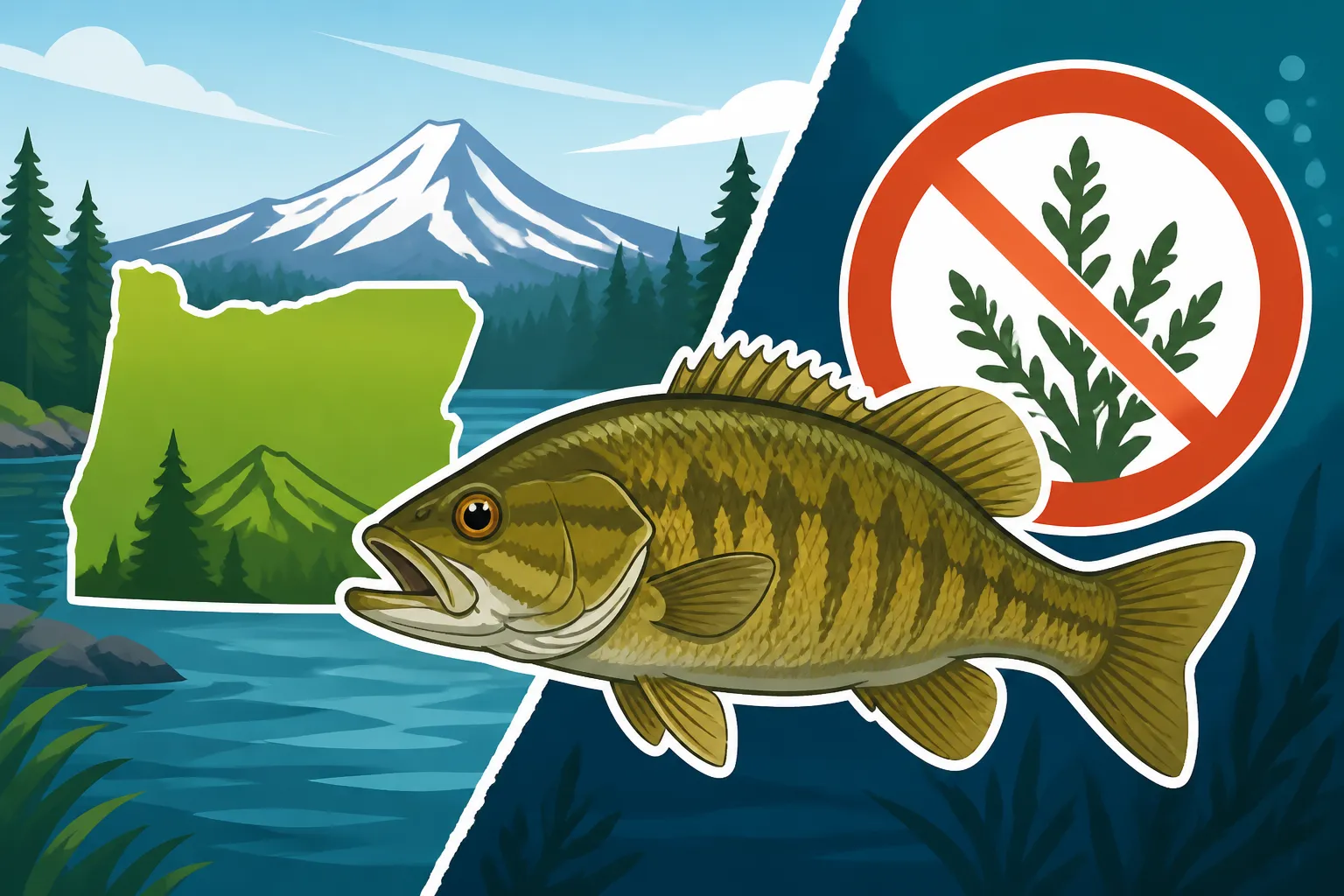
Is smallmouth bass invasive in Oregon?
It's completely understandable to feel a bit confused about which fish species are considered native treasures and which ones are seen as problematic invaders here in Oregon. The waters we love to fish are complex ecosystems, and what's considered "good" for one species might be detrimental to another. When it comes to smallmouth bass, the answer isn't always black and white, but this guide aims to clear up the confusion and explain why smallmouth bass are often viewed as an invasive concern in our beautiful state, and what that means for anglers like us.
Understanding Smallmouth Bass in Oregon's Ecosystem
Smallmouth bass, with their aggressive strikes and feisty fights, are undeniably a blast to catch. Many anglers travel far and wide to target them. However, in Oregon, their presence in certain waters raises significant ecological concerns. They aren't native to the Pacific Northwest; they were introduced here over a century ago, primarily from the eastern and central United States, for sport fishing. While they’ve established themselves in many areas, their adaptability and predatory nature can put immense pressure on our delicate native fish populations.
Where Smallmouth Bass Thrive and Where They Don't Belong
Smallmouth bass typically prefer clear, cool to warm water with rocky or gravel bottoms, and they love current, making many of Oregon's rivers and reservoirs ideal habitats. You'll find them abundant in places like the John Day River, sections of the Columbia River and its tributaries, and several other warmwater impoundments. In these environments, they can often outcompete or prey on other warmwater species without major ecological disruption.
However, the problem arises when smallmouth bass expand their range into systems that are critical habitat for Oregon's imperiled native salmon and steelhead, or even our native cutthroat trout. These cold-water, anadromous species are the backbone of Oregon's angling heritage and ecological identity. When smallmouth bass move into these pristine cold-water environments, they become direct competitors for food and space, and worse, formidable predators on juvenile salmon and steelhead. This is why their presence in certain areas, particularly headwater streams or spawning grounds, is highly undesirable and leads to their "invasive" designation by wildlife managers.
The Impact on Native Fish Species
The primary reason smallmouth bass are flagged as invasive in many Oregon waterways is their detrimental impact on native fish. Our native salmon, steelhead, and trout have evolved over millennia with a specific set of predators and competitors. Smallmouth bass introduce a new, aggressive, and highly efficient predator into these systems.
Consider a scenario in a river like the Deschutes. While the lower Deschutes might have some smallmouth, if they were to significantly proliferate upstream into critical steelhead and Chinook salmon spawning and rearing areas, the consequences could be severe. Young salmon and steelhead smolts, which are naturally vulnerable, would face another formidable predator during their crucial downstream migration. Smallmouth bass consume a wide variety of prey, including aquatic insects, crayfish, and, critically, other fish. Their voracious appetites can decimate populations of native forage fish and, as mentioned, the young of our prized anadromous species. This competition for food and direct predation can severely hamper the recovery efforts for native populations already struggling with habitat loss, dam passage issues, and other environmental stressors. It's a tough balance to maintain, and the aggressive nature of smallmouth bass doesn't always play nicely with our more delicate native species.
Oregon's Approach to Smallmouth Bass Management
Given the ecological concerns, the Oregon Department of Fish and Wildlife (ODFW) has a clear strategy for managing smallmouth bass, especially in waters where they threaten native species. This isn't about eradicating them everywhere, which would be an impossible task, but rather controlling their populations in sensitive areas and encouraging their harvest where they pose a threat. This approach recognizes the fish's sporting value while prioritizing the health of native ecosystems.
Why There's Often No Bag Limit
One of the most telling signs of how Oregon views smallmouth bass in certain areas is the lack of a bag limit or size restriction. If you check the Oregon fishing regulations booklet, particularly for certain river sections known for smallmouth, you'll often find that there's no limit on the number or size of smallmouth bass you can keep. This isn't an oversight; it's a deliberate management tool.
The ODFW actively encourages anglers to harvest smallmouth bass from waters where they are considered detrimental to native species. The idea is that by removing these non-native predators, anglers become active participants in conservation efforts, helping to reduce pressure on vulnerable native fish like trout, salmon, and steelhead. It's a stark contrast to the strict limits and often catch-and-release rules for native species, highlighting the differing management goals. So, if you're fishing a river where smallmouth are a concern for native fish, keeping your catch is actually seen as a contribution to local conservation, rather than just filling your cooler. This can be a bit counter-intuitive for anglers used to strict limits, but it underscores the seriousness of the invasive species issue.
Anglers as Part of the Solution
As anglers, we have a unique role to play in the management of smallmouth bass. Our actions, both on and off the water, can make a difference. Beyond simply harvesting fish in areas with no limits, it's crucial to understand where smallmouth bass are truly problematic and to avoid inadvertently spreading them to new waters.
This means being mindful of what's in your livewell if you move between different water bodies. It means practicing responsible catch and release only in areas where smallmouth bass are not considered a threat, or where regulations specifically prohibit harvest for other reasons. For instance, if you're fishing the John Day River, a renowned smallmouth fishery where they are actively managed to protect native species, keeping every legal smallmouth you catch is a good thing for the ecosystem. Engaging with local fishing forums or reading the Oregon Fishing Regulations Explained can offer additional insight into specific area guidelines and management priorities. Our passion for fishing can directly support conservation efforts when we understand and follow these guidelines.
Identifying and Fishing for Smallmouth Bass Responsibly
Catching smallmouth bass is incredibly fun, and understanding how to identify them, along with responsible fishing techniques, is key to enjoying the sport while being a good steward of Oregon's diverse fisheries. After all, a fish that's a blast to catch can still pose a risk to native species if not managed correctly.
Spotting the Difference: Smallmouth vs. Largemouth
Before you even cast a line, knowing your bass is crucial, especially since largemouth bass are also present in Oregon, though typically in different types of habitats. While both are members of the sunfish family, they have distinct features:
- Smallmouth Bass:
- Coloration: Often bronze, gold, or olive-green, with dark vertical bars or blotches on their sides.
- Mouth: The upper jaw extends to just under or slightly past the middle of the eye.
- Dorsal Fin: The two parts of the dorsal fin (spiny and soft-rayed) are clearly connected and appear as one continuous fin, but with a slight dip.
- Body Shape: Generally more streamlined and torpedo-shaped, suited for river currents.
- Largemouth Bass:
- Coloration: Typically darker green with a distinct, often jagged, horizontal band or blotches along their sides.
- Mouth: The upper jaw extends well beyond the back of the eye. This is the easiest identifying feature!
- Dorsal Fin: The two parts of the dorsal fin are almost completely separated, with a deep notch between them.
- Body Shape: Usually stockier and more oval-shaped, adapted for slower, weedier waters.
It's helpful to get familiar with these differences because management rules can sometimes vary by species, though for smallmouth in specific problematic areas, the no-limit rule generally applies regardless. Keep a mental checklist, or even a picture on your phone, to help you make a quick ID.
Techniques for Effective Smallmouth Bass Fishing
Smallmouth bass are aggressive and will hit a wide variety of baits and lures, which is part of their appeal. Their preferred habitats—rocky areas, current breaks, drop-offs, and submerged structures—are key places to target.
- Lures:
- Crankbaits: These mimic baitfish and are excellent for covering water. Choose models that dive to the depth where fish are holding. You can find a huge variety of lipped crankbaits on Amazon, perfect for experimenting with different depths and actions.
- Spinnerbaits & Chatterbaits: Great for fishing through cover or in stained water, their flash and vibration attract aggressive strikes.
- Soft Plastics: Grubs, tubes, senkos, and creature baits rigged on jig heads or as Texas rigs are incredibly effective. Fishing these slowly along the bottom or jigging them can entice strikes from wary bass. If you're looking to stock up on different shapes and colors, many anglers find great deals on bulk soft plastic assortments from retailers like Amazon.
- Topwater Lures: Poppers, walk-the-dog baits, and prop baits can provide explosive surface strikes, especially during low light conditions or over submerged cover.
- Baits: Live bait like crawfish (where legal) or shiners can be irresistible to smallmouth bass. Worms are also a classic choice, particularly for a more relaxed day of fishing.
- Fly Fishing: Smallmouth on the fly is a thrilling experience! Streamers mimicking baitfish or crawfish, poppers, and even large nymphs can all be highly effective. The How to Fly Fish in Oregon guide offers some great foundational knowledge if you're new to the fly rod.
Remember to vary your retrieve speed and technique until you find what the fish are responding to on any given day. Smallmouth can be finicky, but when they're on, they can be incredibly aggressive.
Ethical Angling Practices and Gear Choices
When targeting smallmouth bass, especially in Oregon waters where they are considered non-native and their harvest is encouraged, ethical angling takes on a slightly different nuance.
- Catch-and-Keep in Designated Areas: As discussed, in areas where smallmouth bass threaten native species, keeping your catch is a recommended practice. If you plan to harvest, be prepared to care for your fish properly. A cooler with ice is essential to maintain freshness.
- Proper Disposal: If you choose not to keep a bass from an area where harvest is encouraged, ensure it is properly disposed of and not simply tossed on the bank. This prevents unnecessary waste and keeps our natural areas clean.
- Preventing Spread: Never transport live smallmouth bass from one waterbody to another. This is illegal and is how invasive species spread, creating new problems for native ecosystems. Always drain livewells and clean boats and gear thoroughly between fishing trips to prevent the transfer of any aquatic hitchhikers.
- Gear Selection: While smallmouth are tough fighters, using appropriate tackle helps land them efficiently, whether you're releasing or keeping. A medium-light to medium power spinning or casting rod with 6-10 lb test line is often ideal. For lures, selecting durable options that can withstand multiple strikes is wise. Looking for robust lure sets or specialized smallmouth bass gear on platforms like Amazon can help ensure you have the right tools for the job. You might also want to explore Oregon Bait and Lure Guide for more detailed recommendations.
| Feature | Smallmouth Bass | Largemouth Bass |
|---|---|---|
| Coloration | Bronze, gold, or olive with vertical bars | Darker green with distinct horizontal band |
| Upper Jaw Extends | To middle of eye or slightly past | Well beyond the back of the eye |
| Dorsal Fin | Connected, appears continuous with slight dip | Deeply notched, almost separated |
| Body Shape | Streamlined, torpedo-shaped | Stockier, more oval-shaped |
| Preferred Habitat | Clear, cooler rivers with rocky bottoms, current | Warmer, weedy lakes, slow-moving rivers, still water |
By understanding the ecological role of smallmouth bass in Oregon and adopting responsible angling practices, we can continue to enjoy the thrill of catching these hard-fighting fish while also contributing to the conservation of our cherished native fisheries. It's all about balancing our passion for fishing with our responsibility to the environment.
Disclaimer
This article is for general informational purposes only and does not constitute professional advice. Laws, prices and regulations vary by location and change over time. Consult a qualified professional for guidance on your specific situation.