What is the Oregon state record rainbow trout
There's nothing quite like the thrill of chasing a genuinely massive fish, the kind that makes your reel scream and your heart pound. Many anglers dream of catching a state record, a fish so impressive it etches their name into the history books. Oregon, with its incredibly diverse waters, is home to some truly magnificent rainbow trout, and this guide is here to shed light on the legendary state record and equip you with the knowledge to pursue your own trophy-sized rainbow.
The Legendary Oregon State Record Rainbow Trout
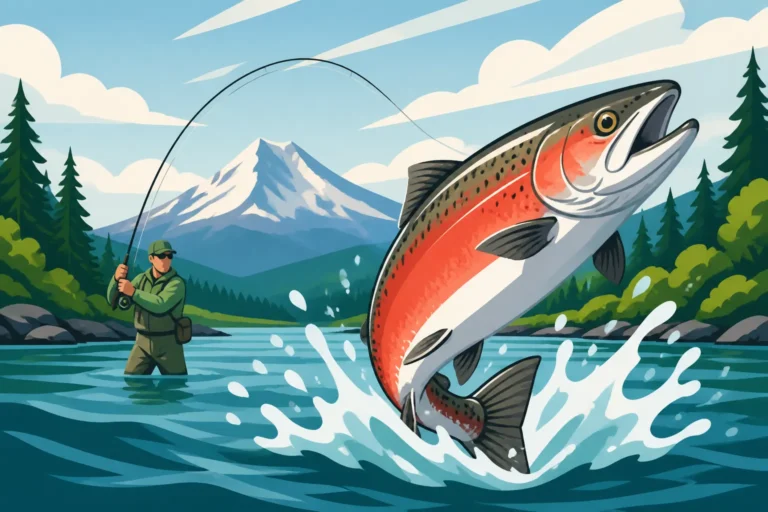
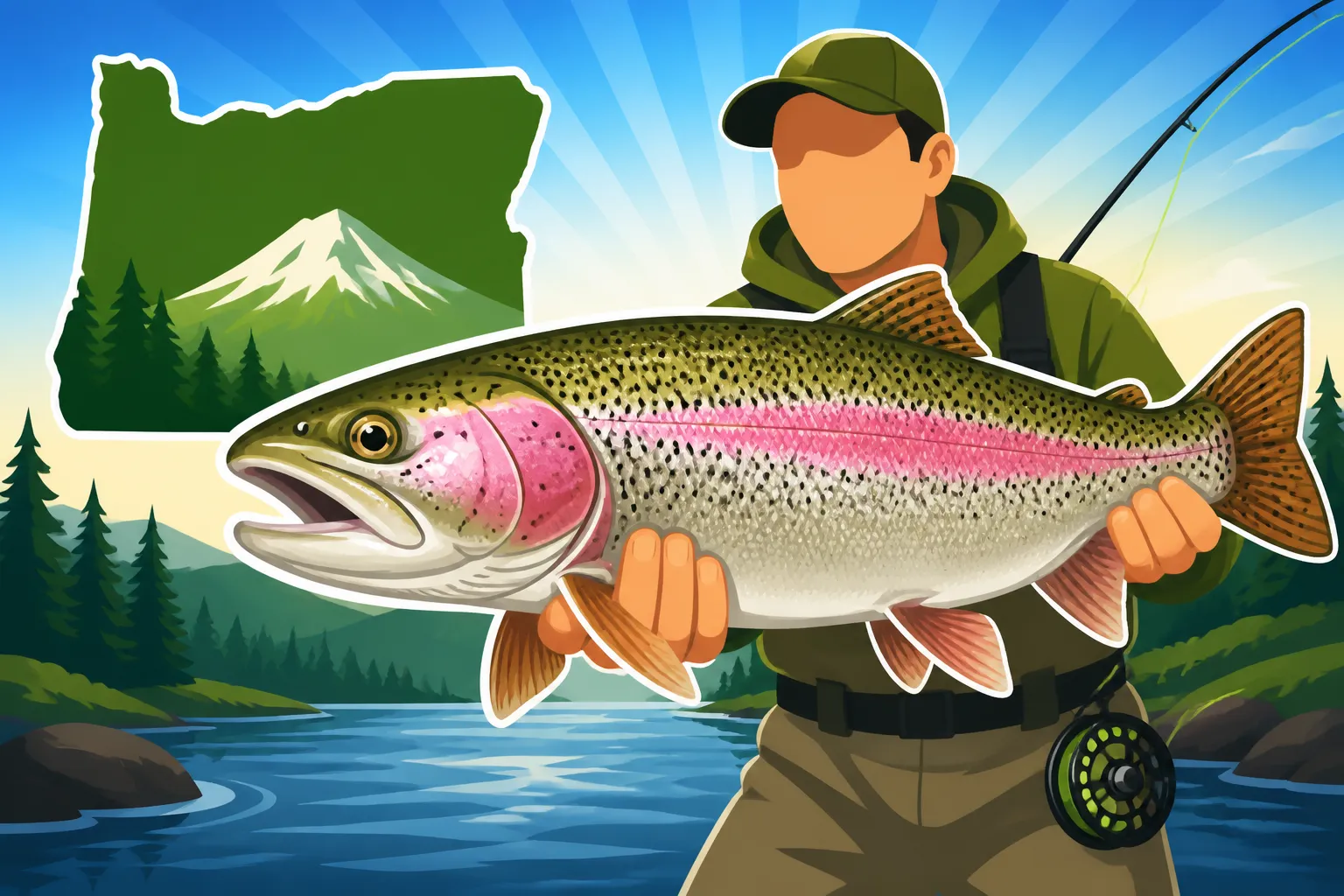
For those who dream of catching the biggest of the big, the Oregon state record for rainbow trout is a mark of true angling prowess. This isn't just about luck; it's a testament to patience, skill, and being in the right place at the right time with the right gear. The official Oregon state record rainbow trout weighed in at an astounding 28 pounds, 4 ounces. This colossal fish was caught in the Klamath River, near the city of Klamath Falls, a region renowned for its prolific trout fisheries.
Imagine the fight! A fish of that size would test the limits of any angler and their equipment. It speaks to the incredible potential of Oregon's waters to grow truly gargantuan trout, often fueled by rich food sources and pristine, cold habitats. This isn't your average pan-sized trout; this is a fish that likely spent many years growing and thriving in its environment, becoming a true apex predator in its aquatic world. The sheer size of such a catch inspires countless anglers to dedicate their time and effort to understanding these powerful fish and the waters they inhabit.
The pursuit of such a record isn't just about the weight; it's about the challenge, the experience, and the deep connection to nature. Anglers often spend years honing their skills, studying water conditions, and researching prime locations, all in the hope of encountering such a magnificent creature. When a fish like the state record is landed, it's not just a personal triumph; it's a moment that captures the imagination of the entire angling community and underscores the exceptional quality of Oregon's freshwater resources.
Where Do These Trophy Rainbows Live?
While the state record came from the Klamath River, giant rainbow trout don't just appear anywhere. They require specific conditions to reach such immense sizes. Understanding these prime habitats is crucial for any angler hoping to land a trophy rainbow.
Identifying Prime Rainbow Trout Habitats
Trophy rainbow trout typically thrive in environments that offer a consistent supply of cold, oxygenated water, abundant food sources, and plenty of cover from predators and harsh conditions. Large lakes and reservoirs with deep, cool sections are often prime candidates, as they provide ample space for fish to grow without excessive angling pressure or competition. These bodies of water often support diverse invertebrate populations, like various aquatic insects, as well as smaller baitfish, which provide the rich diet necessary for a rainbow trout to pack on significant weight. Rivers and larger streams with deep pools, strong currents that bring food, and complex underwater structures like logjams or rock formations can also hold significant trout. Look for areas where feeder creeks bring in nutrients or where water temperatures remain stable even during warmer months.
Consider the example of Oregon's high-mountain lakes in the Cascades or larger reservoirs in Central and Eastern Oregon. These often fit the bill perfectly. They tend to have deep, clear, cold water, and many are stocked regularly, while others have self-sustaining wild populations. The sheer volume of water in some of these larger lakes allows trout to grow slowly and steadily, avoiding over-harvesting in their early years. Areas with a strong insect hatch presence or a healthy population of kokanee salmon (which trout often prey upon) can be particularly productive.
Key Oregon Regions for Larger Trout
Beyond the Klamath River, several regions in Oregon are well-known for producing larger-than-average rainbow trout, if not necessarily state records on a regular basis. Central Oregon, for instance, boasts iconic waters like the Deschutes River and reservoirs such as Crane Prairie Reservoir and Lake Billy Chinook. While the Deschutes is more famous for its steelhead, certain sections hold resident rainbow trout that can grow quite large. Crane Prairie and Lake Billy Chinook, with their immense food bases, are celebrated for their trophy rainbow and brown trout populations. You might find some serious contenders in these waters, and they offer a different kind of angling challenge compared to coastal rivers.
Further east, waters like the Owyhee River and various reservoirs in that drier part of the state can also surprise anglers with their big rainbows. These less-pressured waters, often requiring a bit more effort to access, can hide some true gems. The sheer size of many of these waterways and the natural abundance of food allow trout to reach impressive sizes. When exploring new areas, researching the specific fish populations and local regulations for those waters is key. Checking resources like the Oregon Department of Fish and Wildlife (ODFW) website for stocking reports and angler success stories can also point you in the right direction. For more general information on fishing locations, you can check out guides like Best Lakes to Fish in Oregon or Central Oregon Fishing Spots.
Strategies for Targeting Giant Rainbows
Catching a state record is a rare event, but consistently hooking large rainbow trout is achievable with the right approach. It’s all about understanding the fish, their environment, and employing effective techniques.
Essential Gear for Big Trout
When you're targeting big, powerful rainbow trout, your everyday ultralight panfish rod simply won't cut it. You need gear that can handle the fight and the potential weight. A medium-action spinning rod, typically in the 7 to 8-foot range, paired with a reliable spinning reel spooled with 8 to 12-pound test monofilament or fluorocarbon line, is a good starting point. Many experienced anglers prefer fluorocarbon for its low visibility and abrasion resistance. If you're planning on fly fishing, a 6 to 8-weight fly rod with a matching reel and sinking line or a stout leader will give you the power to cast larger flies and subdue a strong fish. You'll want to ensure your knots are strong and your hooks are sharp – a dull hook can cost you a trophy. For those looking to upgrade their equipment, browsing the extensive selection of fishing rods, reels, and specialized lines on Amazon can be a great way to compare options and find exactly what you need.
Beyond the rod and reel, consider a good quality landing net with a rubberized mesh to protect the fish if you plan on catch and release. A digital scale, also easily found on Amazon, is essential for accurately weighing a potential record fish. Don't forget a pair of pliers or forceps for hook removal, especially with larger, toothier fish. Having a comfortable, well-stocked tackle box is also crucial, filled with a variety of lures and baits that can be adapted to different conditions.
Top Baits, Lures, and Techniques
Big rainbow trout are often opportunistic feeders, but they can also be selective. A varied approach often yields the best results.
- Baits: Natural baits like worms, salmon eggs, and even pieces of cured shrimp can be incredibly effective, especially in still water or slow-moving rivers. PowerBait, in its various forms (dough, nuggets), is a staple for many trout anglers, particularly in stocked lakes. When using bait, a light line and a small sinker, allowing the bait to drift naturally or sit subtly on the bottom, often works best.
- Lures: Spinners (like Rooster Tails or Mepps), spoons (such as Kastmasters or Little Cleos), and small crankbaits are excellent for covering water and imitating baitfish. These are particularly effective when trolling from a boat or casting from shore into deeper sections. Vary your retrieve speed and depth until you find what the fish are responding to.
- Fly Fishing: For those who prefer the art of the fly, streamers imitating baitfish or leeches can be incredibly productive for large rainbows. Nymph patterns that mimic aquatic insects are also vital, especially when fish are feeding sub-surface. Dry flies can work during hatches, but larger trout often feed deeper. Techniques include nymphing with strike indicators, swinging streamers, or even stripping large wet flies. Learning to read the water and understand insect hatches can significantly increase your success. Many excellent books on fly fishing techniques and fly patterns, which you can easily find on Amazon, can provide a wealth of knowledge.
| Method | Pros | Cons | Typical Gear/Bait |
|---|---|---|---|
| Trolling | Covers large areas, targets deep fish | Requires a boat, often specific equipment | Downriggers, flashers, lures, bait |
| Still Fishing | Simple, effective for bottom feeders | Less active, slower pace | PowerBait, worms, salmon eggs, bobbers |
| Drift Fishing | Natural presentation in rivers, streams | Requires current, knowledge of river seams | Worms, roe, jigs, buoyant lures, floats |
| Fly Fishing | Highly skilled, mimics natural food | Steeper learning curve, specialized gear | Dry flies, nymphs, streamers, floating/sinking lines |
| Casting Lures | Active, covers water, good for structure | Can be snaggy, requires retrieve skill | Spinners, spoons, crankbaits, jigs |
Reading the Water and Seasonal Considerations
Big rainbows don't just hang out anywhere. They'll be in areas where food is concentrated, where they feel safe, and where water conditions are optimal. Look for:
- Structure: Submerged logs, rock piles, ledges, and drop-offs provide cover and ambush points.
- Current Breaks: In rivers, these are spots where the current slows down, allowing fish to rest and wait for food. This includes eddies, seams where fast and slow water meet, and the calmer water behind large rocks.
- Temperature: Rainbows prefer cooler water. In summer, they'll often be found in deeper, cooler sections of lakes or in shaded, oxygenated river pools.
- Time of Day: Early mornings and late evenings often offer the best fishing, as fish are more active and less wary during lower light conditions. Overcast days can extend this feeding window.
- Seasons: While you can catch rainbows year-round in many Oregon waters, spring and fall often provide excellent opportunities as water temperatures are ideal, and fish are actively feeding. For specific season timing, it's always wise to consult resources like Oregon Trout Season Opening Day.
Beyond the Catch: Responsible Angling and Regulations
Catching a truly impressive rainbow trout is an unforgettable experience, but it comes with a responsibility to fish ethically and ensure the future of Oregon’s fisheries. Knowing the rules and practicing good stewardship are just as important as knowing how to cast.
Navigating Oregon's Trout Regulations
Before you even think about dropping a line, it is absolutely paramount to understand the current fishing regulations for the specific body of water you plan to fish. Oregon has a complex and dynamic set of rules that can vary significantly from one river or lake to another, and even within different sections of the same waterway. These regulations cover everything from daily bag limits and size restrictions to gear restrictions (e.g., fly fishing only, barbless hooks) and even specific open and closed seasons. A common pitfall for aspiring trophy hunters is assuming statewide rules apply everywhere. Always consult the official Oregon Sport Fishing Regulations booklet, which is available online through the ODFW website. This booklet is your bible, and ignoring it can lead to hefty fines and penalties, overshadowing any record-breaking ambition.
For example, while some lakes might allow a generous daily limit for hatchery trout, a nearby river might have strict catch-and-release rules for wild steelhead or resident rainbow trout, especially if they are a protected stock. Some high-mountain lakes might have unique size slot limits to protect growing fish populations. Additionally, remember that you’ll need a valid Oregon fishing license, and depending on what species you’re targeting, you might also need specific endorsements like the Oregon Combined Angling Tag Guide for salmon and steelhead. Always verify the rules right before your trip, as emergency closures or regulation changes can occur. For a deeper dive into the overall regulatory landscape, check out Oregon Fishing Regulations Explained.
What to Do When You Hook a Potential Record
Imagine the scenario: you're fighting a fish that feels impossibly heavy, and when you finally get it to the net, it looks like a monster. If you believe you’ve caught a potential state record rainbow trout, there are crucial steps you need to take immediately to ensure it can be officially recognized:
- Keep the Fish Alive (if possible and legal): If regulations allow retention, and you intend to keep it for a record, try to keep the fish in the water or in a livewell. This helps preserve its weight and condition.
- Verify Species: Be absolutely certain it's a rainbow trout. Misidentification can happen with similar species like cutthroat or brown trout, especially if they are hybrids.
- Find a Certified Scale: The fish must be weighed on a state-certified scale. This often means a commercial scale at a grocery store, bait shop, or marina that is regularly inspected for accuracy. Do NOT rely on personal scales for official records.
- Witnesses: Have at least one witness present during the weighing and identification process. Their signed statement will be required.
- Photos: Take clear, high-quality photographs of the fish, especially with a recognizable object for scale (like a ruler next to it, if possible, or another item to show its size).
- Contact ODFW: Notify the Oregon Department of Fish and Wildlife as soon as possible. They will guide you through the official application process, which usually involves submitting a detailed form, witness statements, and photos. They may also require a biological sample or even inspection of the fish itself for verification.
Failing to follow these steps precisely could disqualify your catch, no matter how large it is. It's a bittersweet lesson for many who've caught massive fish but didn't know the protocol.
Practicing Catch-and-Release for the Future
For many anglers, especially those targeting large trout, the goal isn't always to keep the fish. Catch-and-release is a vital practice for sustaining trophy fisheries and ensuring future generations can experience the thrill of catching big fish. If you plan to release a fish, particularly a large one or one that falls outside legal retention limits, mastering proper handling techniques is crucial.
- Minimize Fight Time: Bring the fish in as quickly as possible to reduce stress and exhaustion.
- Keep it Wet: Avoid removing the fish from the water entirely. If you must, do so for only a few seconds for a quick photo. Fish cannot breathe air, and prolonged exposure can damage their gills and protective slime layer.
- Wet Your Hands: Always wet your hands before touching the fish. Dry hands can remove the fish's protective slime coat, making it vulnerable to disease.
- Support the Fish: Support the fish horizontally, especially large ones, to protect its internal organs and spine. Never hold a fish vertically by the jaw or tail only.
- Use Barbless Hooks: Barbless hooks make removal much easier and cause less damage to the fish's mouth. You can also easily crimp down the barb on most hooks with pliers.
- Quick Release: Use forceps or pliers to quickly and gently remove the hook. If the hook is deeply embedded and removal would cause more harm, cut the line as close to the hook as possible.
- Revive the Fish: If the fish seems sluggish, hold it gently in the water, facing upstream in a current, or move it gently back and forth until it regains its strength and swims away on its own.
By adhering to these responsible angling practices, whether you’re chasing a record or just enjoying a day on the water, you contribute to the health and vitality of Oregon’s incredible trout fisheries. After all, the true legacy of a great angler isn't just about the fish they catch, but the waters they help preserve. For more detailed guidance, consider reading Oregon Catch-and-Release Rules.
Disclaimer
This article is for general informational purposes only and does not constitute professional advice. Laws, prices and regulations vary by location and change over time. Consult a qualified professional for guidance on your specific situation.