Can you keep a wild steelhead in Oregon?
Oh, the age-old question that can tie even the most experienced angler in knots! Understanding whether you can keep a wild steelhead in Oregon is one of those crucial regulations that often trips people up, leading to a lot of head-scratching and, frankly, anxiety for those who want to do the right thing. It's not always as simple as "yes" or "no," because while the general answer leans heavily one way, the nuances can be tricky. This guide is here to untangle those complexities, explain why these rules exist, and give you the clear, actionable information you need to fish responsibly for steelhead in Oregon.
Understanding Wild Steelhead in Oregon's Waters
Before we dive into the nitty-gritty of regulations, it’s really important to understand what a "wild steelhead" actually is and why they hold such a special place in Oregon's fishing landscape. They're not just any fish; they represent a vital part of our natural heritage and ecological balance.
What Makes a Steelhead "Wild"?
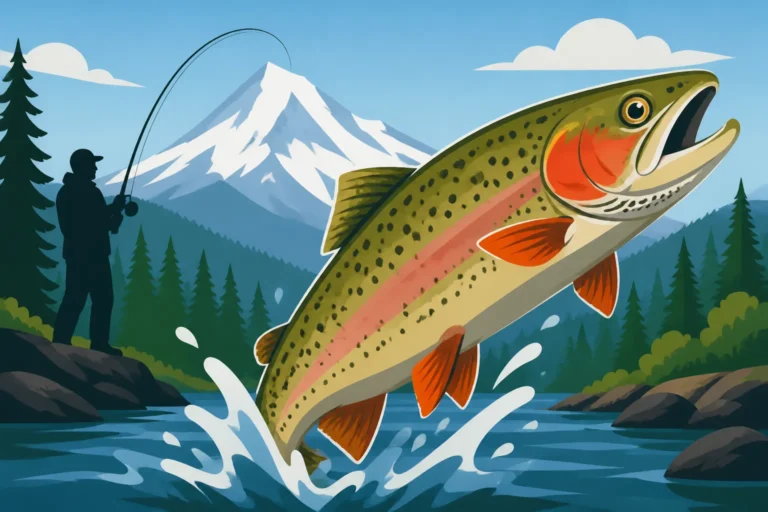
When we talk about a "wild steelhead," we're referring to a steelhead that was born and reared in its natural freshwater habitat, typically a river or stream, and then migrated to the ocean before returning to spawn. They haven't been raised in a hatchery environment. The most common way to distinguish a wild steelhead from a hatchery-reared one is by checking for an adipose fin.
Hatchery steelhead in Oregon are almost universally "fin-clipped," meaning a small, fleshy fin located on their back between the dorsal fin and the tail (the adipose fin) is removed when they are juveniles. This is a deliberate, widespread practice to help anglers and fisheries managers easily identify them. A wild steelhead, having never been through a hatchery program, will almost always have its adipose fin intact. This tiny piece of anatomy becomes incredibly important when you're out on the water, as it's your primary visual cue. It’s also important to note that sometimes a wild fish might have a damaged fin from a predator or other injury, but typically, a clean, complete adipose fin indicates a wild fish.
The Importance of Conservation for Wild Steelhead
Wild steelhead populations face a lot of challenges, from habitat loss and degradation to historical overfishing and the impacts of climate change. Their numbers have seen significant declines in many river systems across the Pacific Northwest. Because they are often genetically distinct and adapted to their specific native rivers, their survival is crucial for the long-term health and biodiversity of these ecosystems.
These fish are powerful symbols of wild rivers, making epic migrations that are truly awe-inspiring. They contribute to the ecosystem's health by bringing marine nutrients upstream when they spawn and by serving as prey for other wildlife. Protecting wild steelhead is not just about having more fish to catch; it's about preserving an entire natural system. That's why strict regulations are put in place – to give these populations the best possible chance to recover and thrive. Understanding their vulnerability helps us appreciate why the rules around keeping them are so stringent.
Oregon's Regulations on Keeping Wild Steelhead
Navigating fishing regulations can feel like trying to solve a puzzle with missing pieces sometimes, but when it comes to wild steelhead in Oregon, there's a pretty clear guiding principle: conservation comes first. This means most anglers are expected to release these precious fish.
The General Rule: Catch and Release is Key
Let’s get right to the heart of the matter: in most, if not all, situations across Oregon, you cannot legally keep a wild steelhead. The general, overarching rule is that wild steelhead must be immediately released unharmed. This isn't just a suggestion; it's a critical regulation designed to protect and rebuild dwindling wild stocks. Think of it as a hard and fast rule that has very few, if any, exceptions.
The Oregon Department of Fish and Wildlife (ODFW) implements this rule to ensure that as many wild steelhead as possible make it to their spawning grounds to reproduce, thereby contributing to the future generations of these magnificent fish. Hatchery programs are designed to supplement fishing opportunities, but it's the wild fish that carry the genetic diversity and resilience essential for the species' long-term survival. So, when you hook into a beautiful, chrome-bright wild steelhead, your job as a responsible angler is to admire it, take a quick photo if you like, and then gently send it back to continue its journey.
For more detailed information, you'll definitely want to consult the Oregon Fishing Regulations Explained booklet directly, as it contains all the specifics for each river basin. You'll often find specific sections detailing "steelhead angling rules" that emphasize immediate release of unclipped fish.
Identifying a Wild Steelhead for Release
Since keeping a wild steelhead is generally prohibited, being able to accurately identify one is paramount. This isn't just about following the rules; it's about being a conscientious steward of our fisheries.
The key identifier, as mentioned, is the adipose fin. When you catch a steelhead, the first thing you need to do, after ensuring the fish is handled carefully, is to look for this small, fleshy fin between its dorsal fin (the main fin on its back) and its tail fin (caudal fin).
- If the adipose fin is present and intact: This is a wild steelhead. It must be released immediately and carefully.
- If the adipose fin is clearly clipped (missing): This is a hatchery steelhead. Depending on the specific regulations for that particular river, zone, and time of year, you may be allowed to retain it. Always check the current regulations for bag limits and size restrictions before deciding to keep a hatchery fish.
It’s crucial to minimize the time the fish is out of the water. Handle it gently with wet hands, or better yet, use a rubber-mesh net and release it without even removing it from the water if possible. Carry needle-nose pliers or a hook removal tool to quickly and efficiently unhook the fish, especially if you're using barbless hooks, which are highly recommended (and often required in certain areas for steelhead fishing). You can find excellent, fish-friendly tools on sites like Amazon that make quick releases a breeze, helping to reduce stress on the fish. Remember, a wild steelhead that you accidentally injure or stress too much might not survive, even if released. So, the quicker and gentler the release, the better its chances of making it to the spawning grounds.
Exceptions and Specific Waterway Rules
While the general directive for wild steelhead in Oregon is firmly "catch and release," I know many anglers wonder if there are ever exceptions. Fishing regulations are incredibly dynamic and can sometimes be hyper-specific to certain locations or management objectives.
Are There Any Times You Can Keep a Wild Steelhead?
Here's the honest truth: it is exceedingly rare for Oregon to allow retention of wild steelhead. If such an exception were to exist, it would be tied to extremely specific, highly localized circumstances and would be clearly outlined in the official Oregon Department of Fish and Wildlife (ODFW) regulations. These aren't the kind of rules that are quietly slipped into the middle of a paragraph; they are usually announced with significant public notification due to their sensitive nature.
Such exceptions might arise in situations where a specific wild population is deemed overly abundant in a particular stream, or if there's an unusual management objective. However, this is not a common occurrence. The default assumption you should always operate under is that all wild steelhead must be released. If you ever hear whispers or rumors of an exception, your immediate action should be to consult the absolute latest ODFW regulation booklet or their website to confirm. Do not rely on hearsay or old information when it comes to something as critical as wild steelhead retention. These fish are too important to risk.
Why Checking Current Regulations is Non-Negotiable
This brings us to one of the most vital pieces of advice for any angler in Oregon: always, always check the current year's fishing regulations. The rules aren't static; they can and do change based on fish run sizes, habitat conditions, scientific assessments, and management goals. What was true last year, or even last month, might not be true today.
Imagine planning a trip to the Deschutes River Fishing Guide for summer steelhead, only to find out the rules for adipose-clipped fish have changed, or that a specific section of the river has gone to an even more restrictive catch-and-release-only rule for all steelhead. Or perhaps you're on the coast, exploring new waters mentioned in the Oregon Coast Fishing Spots guide, and don't realize that the local coastal river you're on has unique rules for winter steelhead that differ from the statewide standard.
You can access the most up-to-date information directly from the Oregon Department of Fish and Wildlife (ODFW) website or by picking up a physical copy of the sport fishing regulations booklet from a license vendor. Familiarize yourself not just with the statewide rules, but also with the specific regulations for the river, lake, or bay you plan to fish. Pay close attention to sections on Oregon Fishing Season Dates and Limits, Oregon Daily Bag Limits Explained, and any special regulations for particular species like steelhead. Ignorance of the law is not an excuse, and game wardens are there to enforce these rules to protect our fisheries.
The Impact of Accidental Retention and Penalties
Even with the best intentions, sometimes things go wrong. Maybe the fish was deeply hooked, or you made an honest mistake in identification. It’s important to know what to do in these situations and understand the potential repercussions.
What Happens if You Accidentally Keep a Wild Steelhead?
Let’s be realistic: sometimes a fish gets deeply hooked, or in the excitement of the moment, a fin clip might be misidentified, or perhaps the fish is so stressed it doesn't look like it will survive release. If you realize, after the fact, that you've kept a wild steelhead, or if a wild steelhead you've caught appears to be mortally wounded, you are still in violation of the regulations if retention is prohibited.
The most ethical course of action, if retention is prohibited and the fish is still viable, is immediate and careful release. If the fish is clearly dead or beyond recovery, leaving it on the bank or discarding it would still be considered waste and could lead to further violations. In such an unfortunate situation, the best (though still not ideal) course of action might be to contact ODFW law enforcement immediately to report the incident and seek guidance. This demonstrates responsibility, even in an unfortunate circumstance. However, the primary goal should always be to prevent this scenario through careful angling practices, using appropriate gear like barbless hooks, and swift, gentle handling.
Consequences of Violating Wild Steelhead Regulations
Fishing regulations aren't just suggestions; they are laws, and violating them, especially those pertaining to protected species like wild steelhead, can carry significant consequences. This isn't to scare you, but to impress upon you the seriousness of these rules.
If a game warden finds you in possession of a wild steelhead in an area or during a time when it's prohibited, you could face severe penalties. These can include:
- Fines: These can be substantial, often ranging from hundreds to thousands of dollars depending on the severity of the violation and any prior offenses.
- Loss of Fishing Privileges: You could have your fishing license suspended or even permanently revoked. This means no more fishing in Oregon for a period, which is a tough pill to swallow for passionate anglers.
- Confiscation of Gear: Your fishing equipment, including rods, reels, and even your boat, could be seized.
- Criminal Charges: In serious cases, particularly repeat offenses or intentional poaching, violations can escalate to misdemeanor or even felony charges.
The folks in law enforcement, like those mentioned in Can a game warden check your fishing license in Oregon?, are dedicated professionals who work tirelessly to protect our natural resources. They take these violations very seriously because they understand the immense effort and resources that go into conserving these populations. It's far better to err on the side of caution, release an unclipped fish, and ensure you're always up-to-date on the current Oregon Fishing Regulations Explained than to face these kinds of penalties.
When fishing, it’s not just about the thrill of the catch; it’s about respecting the fish, the habitat, and the rules put in place for their protection. By understanding and adhering to the wild steelhead regulations, we all play a part in ensuring these incredible fish continue to grace Oregon's rivers for generations to come.
Here's a quick reference table to help differentiate between wild and hatchery steelhead:
| Feature | Wild Steelhead | Hatchery Steelhead |
|---|---|---|
| Adipose Fin | Present and intact | Missing (clipped) |
| Origin | Born and reared in natural river/stream | Born and reared in a hatchery |
| Appearance | Often more vibrant, defined markings, streamlined | Can vary, sometimes show signs of hatchery life |
| Retention Rule | Generally, must be immediately released | May be retained depending on specific regulations |
| Conservation | High priority due to genetic value & vulnerability | Released for sport, or retained within limits |
Disclaimer
This article is for general informational purposes only and does not constitute professional advice. Laws, prices and regulations vary by location and change over time. Consult a qualified professional for guidance on your specific situation.