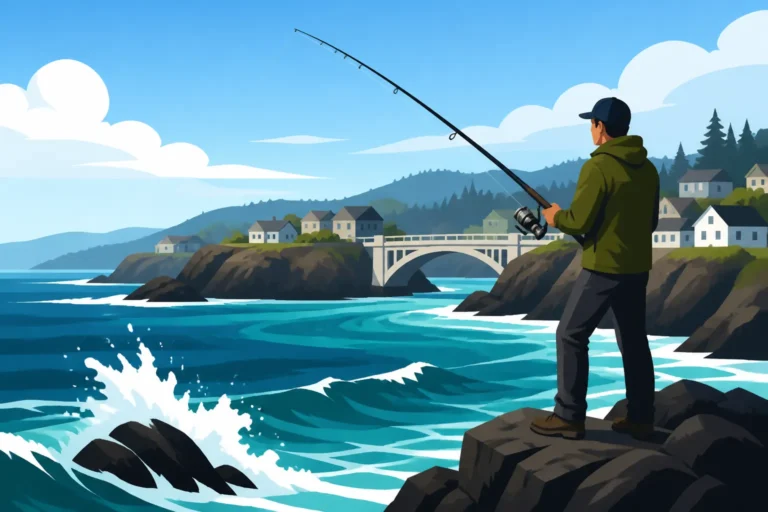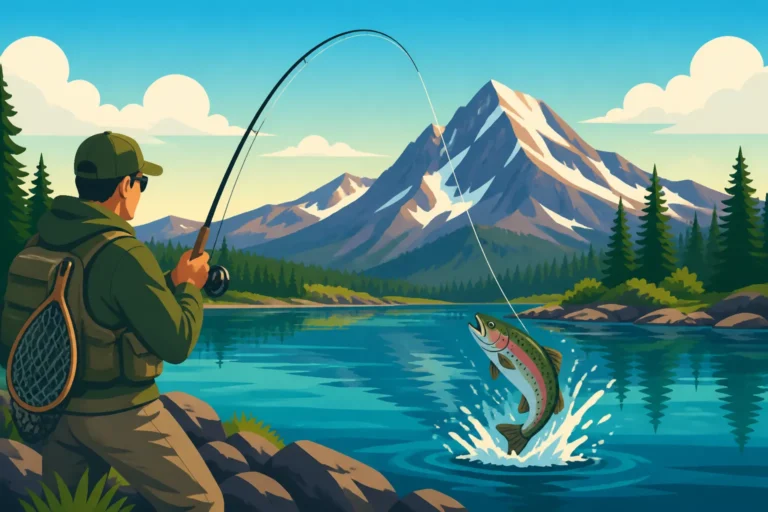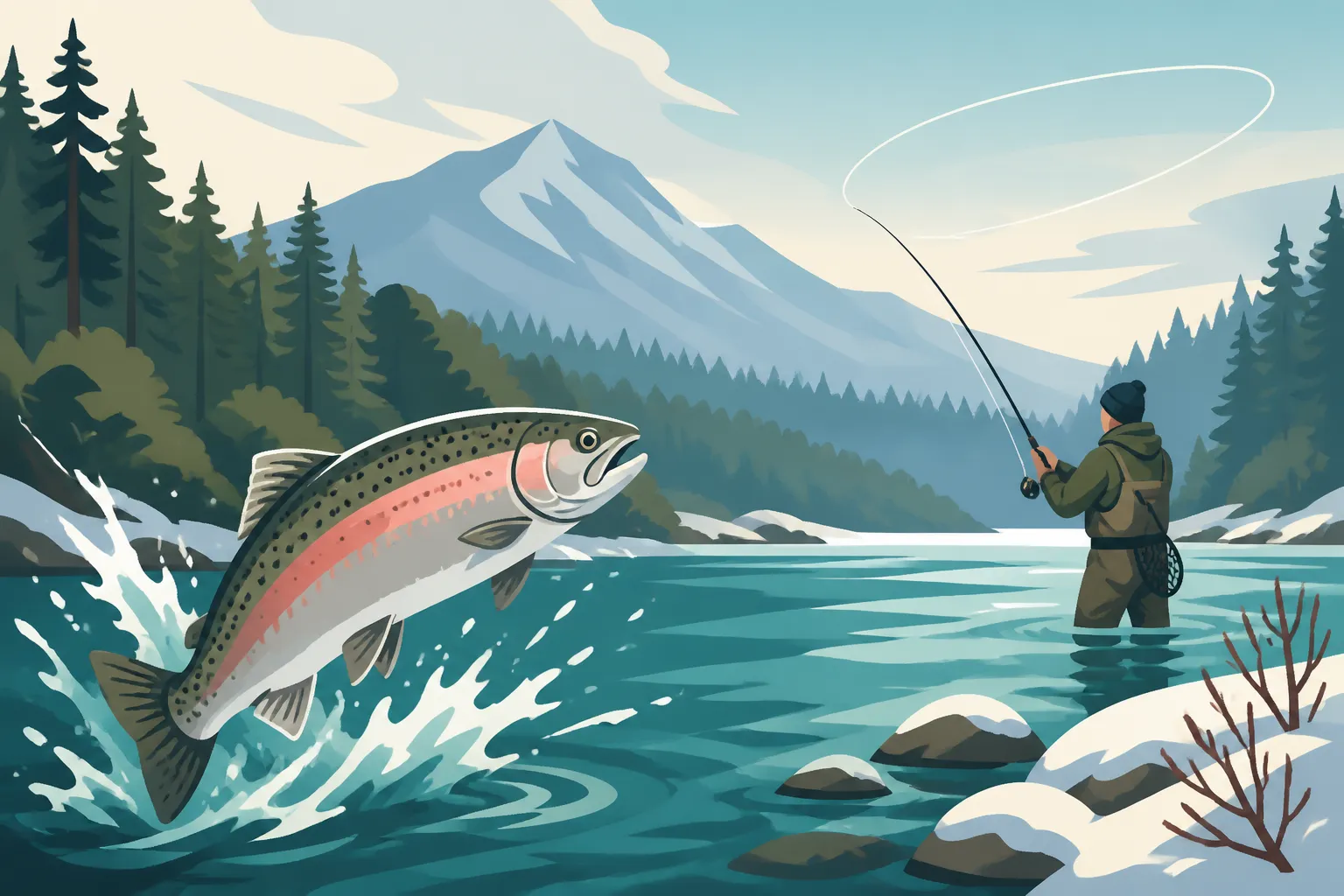
Wilson River fishing spots for winter steelhead
Navigating the ever-changing conditions of the Wilson River in pursuit of winter steelhead can be incredibly frustrating. One day the water might be perfect, and the next it's blown out and unfishable, leaving anglers feeling lost on where to even begin. It's a common dilemma for even seasoned anglers: how do you consistently find those elusive chrome beauties when everything feels like it's working against you? This comprehensive guide will illuminate the prime Wilson River fishing spots, tackle the best techniques, and equip you with the knowledge to conquer the challenges of winter steelhead angling.
Understanding Wilson River Winter Steelhead Dynamics
The Wilson River, nestled in the Coast Range, is a legendary destination for winter steelhead. It’s a beautiful, wild river that demands respect and a keen understanding of its nuances. Unlike summer steelhead, winter runs tend to be more spread out throughout the system, and their movements are heavily dictated by weather patterns and river conditions.
The Timing of the Run
Winter steelhead on the Wilson River typically begin to show up in late November and can run all the way through March, sometimes even into April, depending on the year. The early part of the season, from December into January, often sees the first push of fish. These early arrivals are usually the bigger, brighter chrome hens and bucks, fresh from the ocean. They tend to move quickly through the lower river, eager to reach their spawning grounds further upstream. You might find them paused in deeper pools or behind structure after a high water event.
As the season progresses into February and March, the bulk of the run arrives. This is often when the river sees its highest angler pressure. Fish are more widely distributed throughout the system, and you'll find them in both the lower, middle, and upper stretches. This mid-to-late season can be fantastic if you hit it right after a freshet (a rise in river level due to rain or snowmelt), as new fish push in. Keep an eye on the Winter Steelhead Run Timing in Oregon to get a broader perspective on how these fish move across different coastal rivers.
Impact of Weather and Water Levels
The Wilson River is a classic rain-fed coastal stream, meaning its flow and clarity are directly tied to rainfall. This is both its greatest blessing and its biggest challenge. A fresh rain can bring in a surge of new fish, but too much rain can blow the river out, turning it into an unfishable chocolate milk torrent. Conversely, long stretches of dry weather can drop the river to low, clear conditions, making fish spooky and hard to entice.
Monitoring the river's flow and clarity is paramount to success. Ideal conditions usually involve the river dropping and clearing after a rain event. This "fall and clear" period, often described as having about 2-4 feet of visibility, is when fish are most active and willing to bite. When the river is high and dirty, fish will hug the banks and seek out calmer seams and eddies. In low, clear water, they'll retreat to deeper pools and require a much stealthier approach, often favoring smaller presentations and lighter line. Understanding How River Flow Affects Steelhead Fishing is key to choosing your spots wisely.
Key Fishing Spots on the Wilson River for Winter Steelhead
The Wilson River offers a diverse range of water types, from broad, sweeping runs to tight, rocky pockets. Knowing where to focus your efforts based on current conditions can make all the difference.
Lower River Productive Zones
The lower reaches of the Wilson River, generally from the tidewater stretch near Tillamook Bay up to the area around the Jordan Creek Hatchery, are often the first to see fresh winter steelhead. These sections are typically wider and have a slower current compared to the upper river, making them accessible even when the river is running a bit high.
- Hwy 101 Bridge and Tidewater: Just upstream from Tillamook, where the river transitions from brackish tidewater, can be excellent for early-season fish on the push. Anglers here often focus on deeper channels and current breaks. This area is easily accessible and can be productive for boat anglers. When the river is high and off-color, fish will stack up in the deeper, slower water here before committing to moving upstream.
- Lee's Camp Area: Upriver from the tidewater, the stretches around Lee's Camp offer a mix of gravel bars, moderate runs, and some deeper slots. It's a popular access point with several pull-outs along Highway 6. When the river is at a medium flow, these runs are perfect for drift fishing or bobber and jig techniques, allowing you to cover water effectively. Fish tend to hold in the softer water behind structure or in the deeper seams as they migrate.
- Jordan Creek Hatchery: The hatchery itself, and the water immediately downstream, is a known magnet for returning hatchery steelhead. While the fish here can sometimes be concentrated, they can also be pressured. However, it's an undeniable hotspot, especially during peak season. Anglers typically target the pools and runs directly below the hatchery outfall. Remember to be mindful of specific regulations around hatchery areas, which can sometimes differ from general river rules.
Mid-River Hotspots
As you move further upstream, the Wilson River typically narrows, the gradient increases, and you encounter more classic steelhead holding water: defined pools, riffles, and boulder gardens. This mid-river section is often where a large portion of the steelhead spend time resting and feeding before moving to spawning grounds.
- Sollie Smith Bridge to Mills Bridge: This stretch encompasses some iconic Wilson River water. It's characterized by long, beautiful runs, deep pockets, and plenty of woody debris. Access points and pull-offs along Highway 6 offer bank access, but a drift boat or pontoon boat can be highly effective here for covering significant water. Look for fish holding behind large rocks, submerged logs, or in the tail-outs of deeper pools. This area shines in moderate to low-clear conditions, where fish might be more visible but also more wary.
- Alder Creek: A significant tributary, Alder Creek, enters the Wilson in the mid-section. The confluence area and the water immediately downstream can be a very productive spot. New fish pushing upstream will often pause here, especially after a fresh rain. Look for subtle current breaks and seams where the two water flows meet. This spot can be good for both drift fishing and casting spinners or spoons.
- Hwy 6 Pullouts Near Devine Road: Throughout the mid-river section, there are numerous unmarked pullouts along Highway 6 that provide access to excellent runs and pools. It pays to explore these, as you might find less pressured water. These areas often feature a mix of gravel, rock, and occasional log jams that create perfect holding water. Pay attention to changes in current speed and depth, as steelhead love to sit on the edge of fast water, conserving energy while waiting for food.
Upper River and Tributary Access
The upper Wilson River, generally above Mills Bridge, becomes steeper and more intimate, with smaller pools and tighter runs. While these areas are often targeted later in the season by fish that have moved far upstream, they can also hold fresh fish during consistent high water.
- Wilson River Campsites (Tillamook State Forest): Various Forest Service campgrounds and pull-offs in the upper river provide access. These areas offer a different experience, often with fewer anglers and more pristine surroundings. The water here is typically smaller and requires a more delicate approach, especially when clear. Small jigs, flies, or light drift setups can be very effective in these tighter quarters.
- Tributary Mouths (e.g., North Fork Wilson): While the mainstem is the primary focus, the mouths of significant tributaries like the North Fork Wilson River can be productive, especially during periods of heavy rain that bring in new fish or when fish are staging to enter the tribs to spawn. Always check specific regulations for fishing in or near tributary mouths, as rules can vary. For a deeper understanding of the various rules, consult the Oregon Fishing Regulations Explained.
| Wilson River Section | Ideal Water Conditions | Primary Techniques | Target Species | Notes on Access & Strategy |
|---|---|---|---|---|
| Lower River (Hwy 101 Bridge to Jordan Creek Hatchery) | High, off-color to medium flows | Bobber & Jig, Drift Fishing, Trolling (tidewater) | Early Winter Steelhead | Easy access, higher boat traffic, good for fresh fish pushing in. Fish deeper seams and current breaks. Consider a guide from FishingBooker for boat trips here. |
| Mid-River (Sollie Smith Bridge to Mills Bridge) | Medium to low-clear flows | Drift Fishing, Side-drifting, Casting Spinners/Spoons | Mid-Season Winter Steelhead | Mix of bank and boat access. Focus on classic runs, deep pools, and structure. Stealth is increasingly important in clearer water. |
| Upper River (Above Mills Bridge to Headwaters) | Low-clear to medium flows | Fly Fishing, Small Jigs, Light Drift Fishing | Late Winter Steelhead, Spawners | More intimate water, less pressure, requires more hiking for access. Stealth and delicate presentations are crucial. Check for redds (spawning beds) and avoid disturbing them. |
Essential Techniques and Gear for Wilson River Steelhead
Successful winter steelhead fishing on the Wilson River often boils down to selecting the right technique for the prevailing conditions and having the appropriate gear. It’s not about brute force, but finesse and adaptability.
Drift Fishing and Bobber Dogging
These are arguably the most popular and effective methods on the Wilson River, especially in the mid- to lower sections during moderate to high flows.
- Drift Fishing: This involves presenting your bait or lure (often a Cheater, yarn, a cured prawn, or a small cluster of roe) naturally along the river bottom, bouncing just above it. The goal is to imitate a piece of food drifting downstream. This requires sensitive gear – a medium-heavy spinning or casting rod (8-10 feet), a quality reel spooled with 12-20 lb monofilament or braid with a fluorocarbon leader, and enough lead (pencil lead or slinky weights) to get your offering down to the fish without dragging. You want to feel every subtle tap. The key is finding the right weight to get your presentation into the strike zone without getting hung up constantly.
- Bobber Dogging: A variation of drift fishing, popular with boat anglers, but also adaptable for bank fishing. This technique uses a buoyant float (often a large "dogging" float) and a heavy weight (slinky or lead) to suspend your bait or lure (jigs, beads, or bait) just off the bottom. The rig is allowed to "dog" or slowly drift downriver, presenting the offering vertically. This is exceptionally effective in deep, swift runs and allows for precise depth control. It's less prone to snags than traditional drift fishing and provides excellent bite detection. You might consider checking out guides on FishingBooker who specialize in this technique, as they often have custom setups perfect for the Wilson.
Spinner and Spoon Presentations
When steelhead are aggressive or the water has a little color, spinners and spoons can be incredibly effective. These lures create flash and vibration that can trigger a reaction strike.
- Spinners: Sizes #3 and #4 are standard for winter steelhead on the Wilson. Popular choices include Blue Fox Vibrax, Rooster Tail, or Mepps Aglia. Colors vary, but bright options like chartreuse, orange, or hot pink work well in off-color water, while more natural silver, gold, or black can be deadly in clearer conditions. Cast across and slightly upstream, retrieving just fast enough to make the blade spin. Steelhead often hit on the swing or as the spinner pauses at the end of the drift.
- Spoons: Spoons like a Koho or a Lil' Cleo are also excellent. They have a wobbling action that can imitate an injured baitfish. Silver, brass, or painted patterns (e.g., green scale, blue/silver) are common. Cast upstream, allowing the spoon to sink and wobble as it drifts down. Retrieve with an erratic twitch-and-pause action. These lures are particularly effective in larger pools and broad runs where fish have more room to chase. For a broader look at what might work, see our Oregon Bait and Lure Guide.
Fly Fishing Approaches
While the Wilson isn't exclusively a fly-fishing river, it offers fantastic opportunities for the dedicated fly angler, especially in the clearer water of the mid and upper sections.
- Spey and Switch Rods: These longer, two-handed rods are ideal for casting heavy sink tips and large flies across broad runs, eliminating the need for extensive back-casting. Skagit lines are preferred for their ability to turn over heavy intruders or weighted leeches. The "swing" technique, where the fly swings across the current, is a classic and highly effective method.
- Single-Handed Rods with Nymphing: For those preferring a single-handed rod, nymphing with an indicator can be productive, especially in seams and pockets. Weighted stonefly imitations, caddis nymphs, or small steelhead "bombs" are go-to patterns. Focus on getting a drag-free drift. Even a simple 7 or 8-weight fly rod with a good fly reel is sufficient.
- Fly Selection: Winter steelhead flies tend to be larger and more colorful than trout flies. Popular patterns include Intruder variations (often with bright contrasting colors), large leeches (e.g., "Macks Canyon"), or weighted "Comet" or "Boss" flies. In clearer water, sometimes a more subdued pattern like an unweighted Prawn or Hoh Bo Spey can be incredibly effective. For those keen to try, finding a local guide via FishingBooker who specializes in fly fishing on the Wilson can provide invaluable insights into current patterns and techniques.
Navigating Regulations and River Conditions
Being prepared isn't just about having the right gear; it's also about understanding the rules and staying informed about the river itself.
Understanding Wilson River Specific Regulations
Oregon has a complex set of fishing regulations that can vary greatly by river, species, and even time of year. The Wilson River is no exception. Before every trip, it's absolutely critical to consult the current Oregon Sport Fishing Regulations booklet, available online through the Oregon Department of Fish and Wildlife (ODFW) website.
Key things to pay attention to for winter steelhead on the Wilson include:
- Bag Limits and Size Limits: These dictate how many steelhead you can keep per day and per season, and if there are any minimum or maximum lengths. For example, often only hatchery steelhead (those with a missing adipose fin, indicating they were fin-clipped) can be retained. Wild steelhead are typically catch-and-release only. This is a crucial distinction to avoid penalties; always know Oregon Catch-and-Release Rules for Wild Steelhead.
- Gear Restrictions: Certain sections of the river, or even certain times of the year, might have restrictions on gear type (e.g., fly fishing only, bait restrictions, barbless hooks). Always check if barbless hooks are required, which is common for steelhead.
- Season Dates: While winter steelhead generally run for several months, specific openings and closures can occur, especially for certain species or in particular river sections. Our guide on Oregon Fishing Season Dates and Limits offers a general overview, but always verify for the Wilson.
- License Requirements: Of course, you'll need a valid Oregon fishing license. Ensure you have the correct angling license and any necessary endorsements. Our Oregon Fishing License Guide can help clarify these requirements.
Familiarize yourself with specific markers on the river that delineate regulation changes, such as bridges or tributary mouths. Ignorance of the law is no excuse, and wardens regularly patrol the Wilson River.
Checking Real-Time River Flows and Clarity
The single most important factor for planning a successful winter steelhead trip on the Wilson is knowing the current river conditions. This is where real-time data becomes your best friend.
- USGS Water Guages: The U.S. Geological Survey (USGS) maintains real-time stream gauges, including one on the Wilson River. This data provides flow rates (cubic feet per second, or CFS) and gauge height. Over time, you'll learn what CFS levels correspond to ideal fishing conditions, high-and-dirty water, or low-and-clear scenarios. Many experienced anglers track these gauges religiously.
- Local Fishing Reports: Check local tackle shops in Tillamook or Forest Grove, online forums, and dedicated fishing websites for recent reports. These often provide invaluable anecdotal information on clarity, water temperature, and what's biting. However, always take reports with a grain of salt, as conditions can change rapidly.
- Weather Forecasts: Heavy rain in the forecast often means the river will rise and potentially blow out a day or two later. Conversely, a stable, dry forecast after a period of rain is a good indicator of falling and clearing water, which is often prime time. Remember to dress in layers and prepare for all types of Pacific Northwest winter weather – rain, wind, and cold are common companions on the Wilson.
By meticulously monitoring these factors, you can make informed decisions about when and where to fish, significantly increasing your chances of finding those magnificent Wilson River winter steelhead.
Disclaimer
Fishing conditions and regulations in Oregon can change rapidly due to environmental factors and management decisions. Always consult the official Oregon Department of Fish and Wildlife (ODFW) regulations website or booklet before heading out to ensure you have the most current information. This guide is for informational purposes only and does not constitute legal advice.