Oregon catch-and-release rules for wild steelhead
Navigating the intricate world of Oregon fishing regulations, especially when it comes to iconic species like steelhead, can feel like trying to untangle a reel full of fishing line after a big snag. There's often a lot of confusion, particularly around what you can and can't keep, and the rules for wild fish versus hatchery fish are a common point of frustration. This guide is here to cut through that complexity, offering a clear, comprehensive breakdown of Oregon's catch-and-release rules specifically for wild steelhead, ensuring you're fishing responsibly and legally.
Understanding Oregon's Approach to Wild Steelhead
It's no secret that steelhead fishing in Oregon is a passionate pursuit for many, but the health of these incredible fish populations is always at the forefront of regulation. The state takes a very protective stance on its wild steelhead, and for good reason. They are an irreplaceable part of Oregon's natural heritage and critical to healthy river ecosystems.
Why Wild Steelhead Are Different
When we talk about wild steelhead, we're referring to fish that have completed their entire life cycle without human intervention in a hatchery. These are the descendants of generations of fish that have naturally adapted to their specific river systems, making them incredibly resilient and genetically diverse. Their survival is essential for the long-term health of the species. Unlike hatchery steelhead, which are raised in controlled environments and released to supplement angling opportunities, wild steelhead represent the untouched, native populations.
Many of Oregon's rivers, especially the coastal rivers, are home to these precious wild populations. Hatchery programs exist, and those fish are marked (usually with a missing adipose fin), but the wild stock is the cornerstone of the species' future. The protective measures aren't just about ensuring there are fish to catch; they're about preserving the very essence of what makes these fish so special and vital to the environment. The distinction between wild and hatchery is paramount, influencing everything from daily limits to specific gear requirements in certain waters.
The Fundamental Catch-and-Release Mandate
Here's the golden rule, the absolute bedrock principle when you encounter a wild steelhead in Oregon: they must be released unharmed. This isn't a suggestion or a guideline; it's a non-negotiable regulation. The Oregon Department of Fish and Wildlife (ODFW) has implemented this mandate across almost all waters where wild steelhead are present. The only exceptions are extremely rare and highly publicized, usually in areas where conservation efforts are specifically targeting removal due to unique ecological circumstances, which anglers would be explicitly informed about.
The primary identifier for a wild steelhead is the presence of an adipose fin – that small, fleshy fin on the back between the dorsal fin and the tail. Hatchery steelhead, on the other hand, are typically "adipose fin-clipped," meaning this fin has been removed, usually when they are very young. This fin clip is the universal signal that a fish is of hatchery origin and therefore eligible for retention, provided it meets other regulations like size limits and bag limits. If you see an adipose fin, that fish is wild, and it needs to go back into the water as quickly and carefully as possible. This rule is a cornerstone of Oregon's efforts to protect and rebuild wild steelhead populations, ensuring that these incredible fish have the best chance to spawn and continue their life cycle. If you ever have questions about the specific rules for a river you're fishing, always consult the current year's Oregon Fishing Regulations Explained.
Specific Rules and Gear for Responsible Release
It's not enough to just know that you have to release wild steelhead; you also need to know how to do it properly. The goal of catch-and-release isn't just to let the fish go, but to ensure its survival after it swims away. This involves understanding identification, using the right gear, and employing best practices.
Identifying a Wild Steelhead
Correct identification is the first and most crucial step. As mentioned, the adipose fin is your primary clue.
- Wild Steelhead: Possess a fully intact adipose fin. It's a small, soft fin located just forward of the tail fin on the top of the fish.
- Hatchery Steelhead: Will have their adipose fin clipped off, leaving a smooth area.
Sometimes, a fin clip might not be perfectly clean, or a wild fish might have a naturally damaged fin. If you're ever in doubt, err on the side of caution and treat the fish as wild. It's better to release a hatchery fish you could have kept than to illegally retain a wild fish. Beyond the fin clip, you might also notice differences in coloration and fin condition. Wild steelhead often have more vibrant, natural coloring, and their fins might be more perfect and unfrayed compared to some hatchery fish that can show signs of crowded rearing conditions. Knowing How to Tell a Wild Steelhead from a Hatchery Steelhead is an invaluable skill for any angler.
Essential Catch-and-Release Practices
Once you've hooked a fish you suspect is wild, or if you're fishing in a "wild-only" area, your actions immediately post-hookup become vital. Your primary objective is to minimize stress and physical harm to the fish.
-
Use Barbless Hooks: In many Oregon waters, particularly those with strong wild steelhead runs or during certain seasons, barbless hooks are mandatory for steelhead fishing. Even where not mandatory, using barbless hooks is a best practice for catch-and-release fishing. They cause significantly less damage and are much easier to remove quickly. You can find a good selection of barbless hooks or tools to crimp barbs on your current hooks on platforms like Amazon. Always check the specific regulations for the river or section you're fishing, as Oregon Barbless Hook Requirements can vary.
-
Minimize Fight Time: While the thrill of a long fight is undeniable, it's exhausting for the fish. Use appropriate tackle that allows you to land the fish relatively quickly without overtly stressing it.
-
Keep the Fish Wet: This is perhaps the most critical rule. A fish's slime coat is its natural defense against infection. Removing the fish from the water, even for a quick photo, can strip away this protective layer and cause gill damage if it flops around. If you must handle the fish, wet your hands thoroughly before touching it. Consider an in-water release, using specialized tools if possible.
-
Proper Handling and Unhooking:
- Wet Hands Only: Never handle a fish with dry hands, gloves, or a rag.
- Support the Fish: If you need to lift it for a quick unhooking, support its body horizontally, ideally cradling it gently with both hands, especially under the belly and tail. Avoid holding it vertically by the jaw or tail, which can damage internal organs and its spine.
- Use Tools: Invest in a good pair of long-nosed pliers or hemostats (forceps). These are essential for quickly and safely removing hooks, especially when the hook is deeply set. Quality tools are readily available, and you can easily find options on Amazon that will last you many seasons.
-
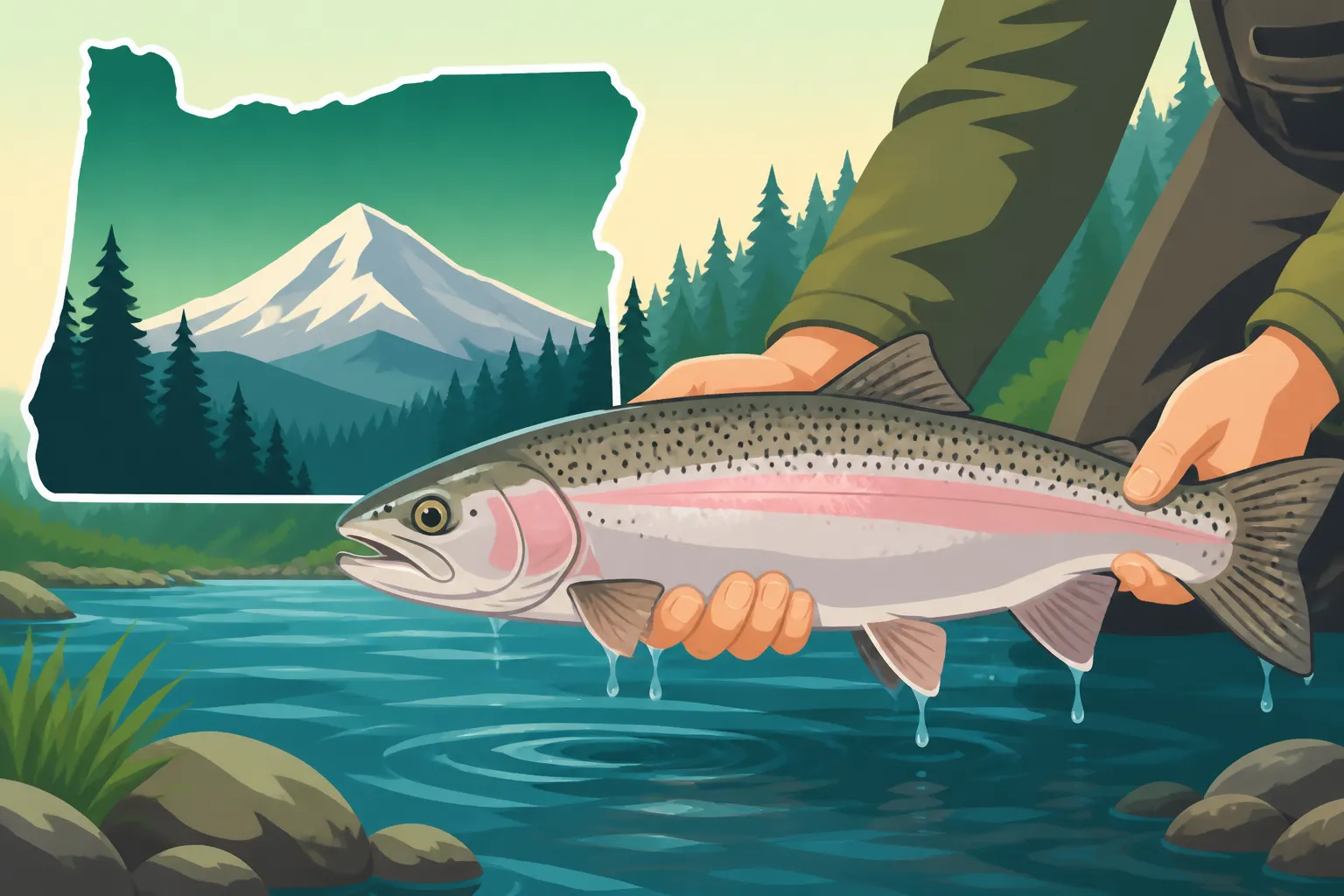
Reviving the Fish: After unhooking, gently hold the fish in the water, facing upstream into a gentle current. This allows water to flow over its gills, helping it to breathe. Don't force it to swim away; support it until it can hold itself upright and actively tries to swim out of your hands. Sometimes this takes a minute or two, especially after a long fight. Be patient.
Following these practices not only ensures compliance with Oregon Catch-and-Release Rules but also gives that wild steelhead the best possible chance of survival, allowing it to continue its journey and contribute to future generations.
| Catch-and-Release Best Practices for Wild Steelhead |
|---|
| Rule |
| Identify Fin-Clip |
| Use Barbless Hooks |
| Minimize Handling |
| Keep Fish in Water |
| Wet Hands Only |
| Use Unhooking Tools |
| Support Horizontally |
| Revive Gently |
Penalties and Conservation for Non-Compliance
It's one thing to accidentally keep a wild fish out of ignorance, but that doesn't absolve an angler from the consequences. Oregon takes its fishing regulations very seriously, particularly when it comes to protected species like wild steelhead. The rules are in place not to make your life harder, but to ensure the sustainability of these incredible fish for everyone, for generations to come.
Consequences of Keeping a Wild Steelhead
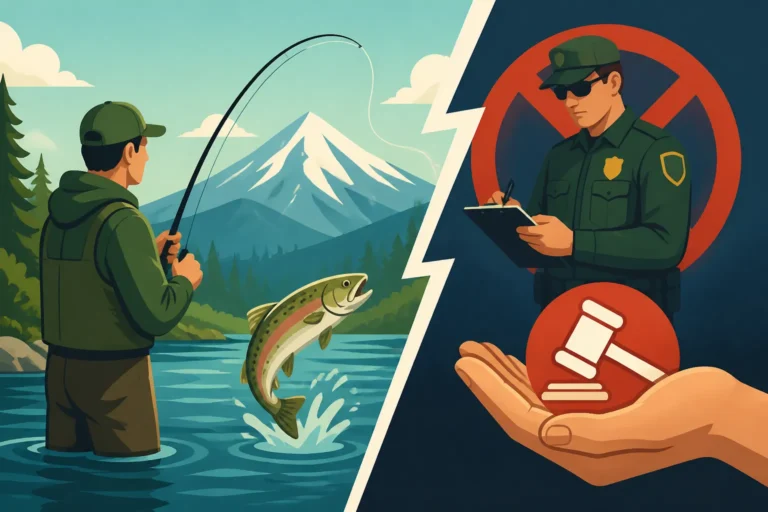
Getting caught keeping a wild steelhead, whether by accident or intent, can lead to some pretty significant penalties. Oregon State Police (OSP) fish and wildlife troopers are out on the rivers and bays, actively enforcing these rules, and they are well-versed in identifying violations.
- Fines: Expect a substantial fine. The specific amount can vary depending on the severity of the violation, whether it's a first offense, and the specific regulations for that body of water. These fines are often several hundred dollars, and that's just the initial hit.
- Restitution: Beyond the fine, you might also be required to pay restitution for the value of the fish. Wild fish, being a public trust resource, have an assigned value, and you could be on the hook for that.
- Loss of Fishing Privileges: This is often one of the hardest penalties for avid anglers. Violations can lead to the suspension or revocation of your fishing license, not just in Oregon, but potentially in other states through interstate compacts. This means no more fishing for a period of time, which can be truly heartbreaking.
- Confiscation of Gear: In some cases, your fishing gear – rods, reels, even your boat – could be confiscated, especially in repeated or egregious violations.
- Court Appearances: A violation isn't always just a ticket; it can lead to a mandatory court appearance, adding legal fees and significant time commitment to the ordeal.
Think about it: that single fish you might have accidentally kept could end up costing you thousands of dollars, your gear, and your ability to enjoy the sport you love. It's a steep price, which is why understanding the Oregon Fishing Violations and Penalties is so critical. The best way to avoid these headaches is to be absolutely certain of your identification and always prioritize the well-being of the fish. If in doubt, let it go.
Contributing to Steelhead Conservation
Beyond simply following the rules, every angler has a role to play in the broader conservation effort. Fishing isn't just about catching fish; it's about being a steward of our natural resources.
- Educate Yourself: Continuously review the latest Oregon Fishing Season Dates and Limits and regulation booklets. They change annually, and sometimes even mid-season due to emergency closures or updates. You can find current updates on the ODFW website.
- Report Violations: If you witness someone breaking the rules, particularly regarding the illegal retention of wild fish, report it to the Oregon State Police. This isn't "snitching"; it's protecting a shared resource.
- Support Conservation Efforts: Many non-profit organizations are dedicated to steelhead habitat restoration and conservation in Oregon, like the Native Fish Society or local Trout Unlimited chapters. A small donation or volunteer effort can make a big difference.
- Advocate for Habitat: Healthy fish populations rely on healthy habitats. Advocate for policies that protect water quality, ensure adequate stream flows, and support responsible land use practices in watersheds.
- Practice Low-Impact Angling: Beyond catch-and-release, consider your impact on the environment. Pack out all trash, avoid disturbing spawning beds, and respect private property.
By understanding and adhering to Oregon's catch-and-release rules for wild steelhead, you're not just avoiding penalties; you're actively participating in the conservation of one of Oregon's most iconic and vulnerable fish. It’s a small price to pay for the privilege of pursuing these magnificent creatures in some of the most beautiful natural settings you could ever hope to experience. Being an informed, ethical angler ensures that these incredible fishing opportunities will continue for generations to come.
Disclaimer
The information provided in this guide is intended for general informational purposes only and may not reflect the most current regulations. Fishing regulations in Oregon are subject to change by the Oregon Department of Fish and Wildlife (ODFW). It is the angler's responsibility to consult the latest official ODFW fishing regulations booklet and any emergency closures or updates before fishing. Failure to do so may result in penalties.