Largemouth Bass in Oregon
Oregon is often heralded as a salmon and steelhead paradise, and for good reason—those magnificent fish certainly offer incredible angling experiences. However, if you're overlooking the state's vibrant warmwater fisheries, you're missing out on some truly explosive action. This comprehensive guide is here to introduce you to the exciting world of largemouth bass fishing in Oregon, from understanding their habits to mastering the techniques that will put these feisty fighters in your net.
The Allure of Largemouth Bass Fishing in Oregon
When most people picture fishing in Oregon, their minds immediately go to the mighty Columbia River for Chinook salmon or a pristine coastal river teeming with winter steelhead. And while those iconic fisheries are undeniably fantastic, they often overshadow another incredible angling opportunity that's often right in our backyard: largemouth bass. These aggressive, hard-fighting fish offer a completely different kind of challenge and thrill, and they're more abundant and accessible than many anglers realize.
Why Largemouth are a Hidden Gem in the Beaver State
It's easy to get caught up in the "glamor species" of Oregon. The pursuit of a chrome bright salmon or a powerful steelhead often dictates where we focus our fishing efforts and resources. But this tunnel vision means a lot of anglers completely miss out on the fantastic warmwater fishing that Oregon has to offer. Largemouth bass thrive in many of our lakes, ponds, and slower-moving river sections, and they provide a fishing experience that's both exhilarating and incredibly rewarding. They're not just a consolation prize; they're a legitimate target that can test your skills and provide unforgettable moments on the water.
What makes largemouth bass so special in Oregon is their sheer availability. While prime salmon and steelhead runs can be seasonal and localized, good bass fishing can often be found much closer to urban centers, in smaller, less-pressured waters. This accessibility makes them perfect for a quick evening trip after work or a relaxed weekend outing with the family. You don't always need a specialized drift boat or a long drive to find productive bass water; sometimes, a quiet pond or a slow section of a local reservoir is all it takes to hook into a bucketmouth. It's a fantastic alternative when the rivers are blown out or the salmon aren't running.
The Thrill of the Fight and What Makes Them Unique
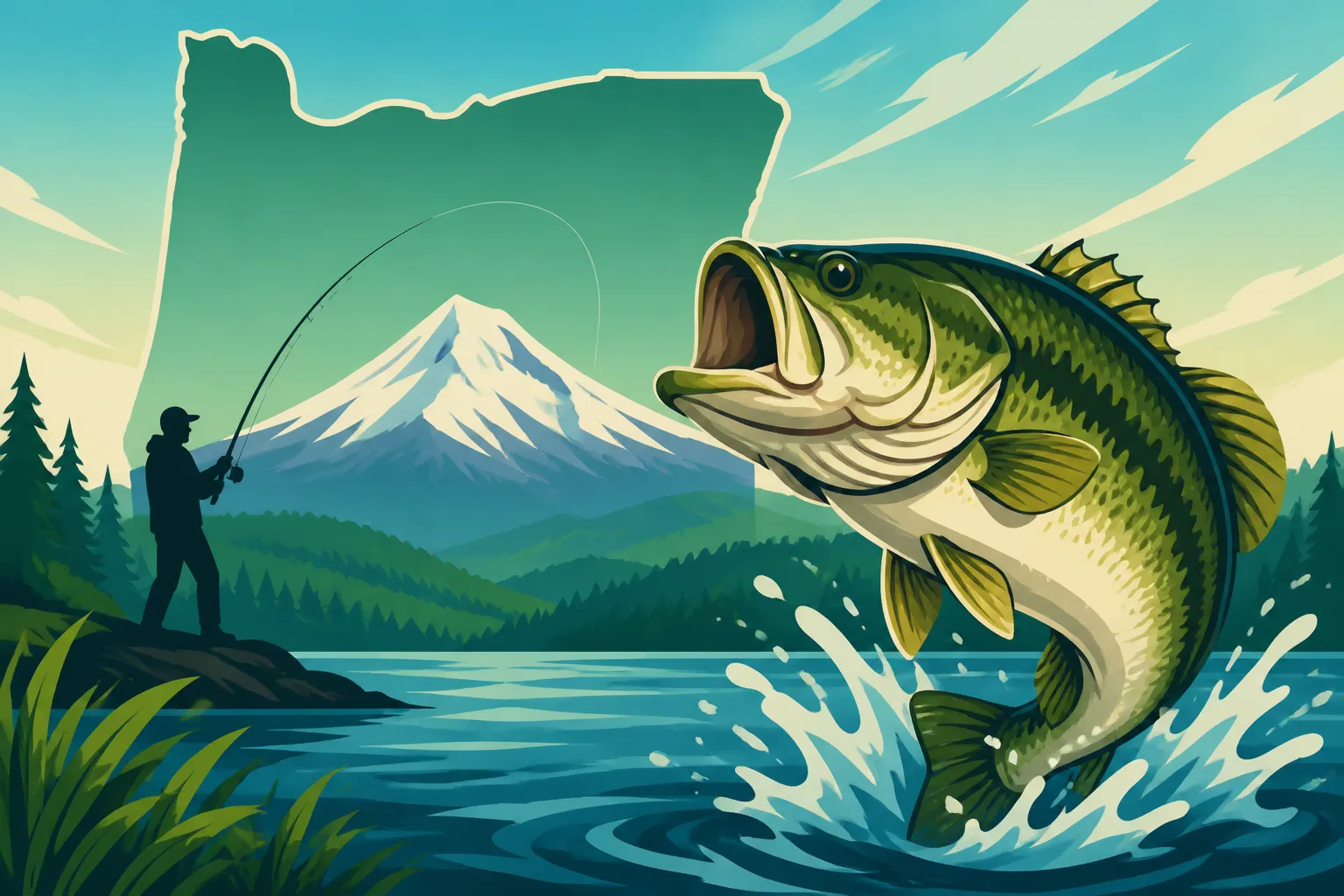
If you've never felt the explosive strike of a largemouth bass, you're in for a treat. Unlike the powerful, sustained runs of a salmon or steelhead, a largemouth strike is often a sudden, violent ambush. They'll smash a topwater lure with incredible force, creating a heart-stopping splash that gets your adrenaline pumping immediately. Once hooked, they're known for their acrobatic jumps, head shakes, and powerful dives into cover, all designed to throw the hook. It's a high-energy fight that requires quick reflexes and solid technique, making every catch feel like a personal victory.
What truly sets largemouth bass apart is their personality and intelligence. These aren't mindless biters; they're cunning predators that learn quickly. You might throw a lure into a promising spot, only to have a bass inspect it and decide against striking. Understanding their behavior, their preferred habitats, and how they react to different presentations is a constant puzzle that keeps bass fishing endlessly engaging. Every cast feels like a strategic move, and successfully outsmarting a wary largemouth is incredibly satisfying. They demand your full attention and offer a truly interactive angling experience. If you're looking to broaden your horizons beyond traditional salmon and steelhead pursuits, diving into the world of Oregon Bass Fishing Guide will open up a whole new realm of excitement.
Prime Largemouth Bass Habitats Across Oregon
Oregon's diverse landscape means that largemouth bass can be found in a surprising variety of waters, from the lush valleys of the west to the high deserts of the east. Each region offers its own unique bass fishing opportunities, often with different types of cover and structure that dictate how you approach the fishery. Knowing where to look is the first step to consistently finding these elusive green fish.
Western Oregon's Productive Waters
For many anglers living in or near the populated Willamette Valley, excellent largemouth bass fishing is often just a short drive away. These waters tend to be reservoirs, smaller lakes, and a plethora of private ponds that dot the landscape. One of the most popular and productive spots is Henry Hagg Lake fish species list near Forest Grove. This large reservoir is well-known for its healthy populations of largemouth, especially in its warmer coves and around the abundant submerged timber and weed lines. Anglers often find success targeting the brushy shoreline and deeper drop-offs here.
Another fantastic option is Fern Ridge Reservoir near Eugene. This sprawling, shallow reservoir warms up beautifully in the spring and summer, creating ideal conditions for largemouth to thrive. It's known for its extensive weed beds and submerged stumps, which offer perfect ambush points for bass. While many people associate Fern Ridge with Fern Ridge Reservoir crappie fishing, the bass fishery is equally strong and often less crowded. Beyond these larger bodies of water, countless smaller ponds, gravel pits, and oxbow lakes throughout the Willamette Valley hold impressive numbers of largemouth. These can be goldmines for bank anglers or those with kayaks and float tubes, offering intimate and productive fishing experiences that are often overlooked.
Eastern and Southern Oregon's Bass Strongholds
Don't let the cooler, mountainous reputation of Central and Eastern Oregon fool you; there are some exceptional largemouth bass fisheries found east of the Cascades as well. The warmer, drier climate in these regions often translates to lakes and reservoirs that sustain excellent warmwater fish populations. Prineville Reservoir, located in Central Oregon, is a prime example. While it’s renowned for its smallmouth bass, particularly around its rocky points and canyon walls, it also harbors a healthy population of largemouth in its shallower, brushier coves and flats. Targeting these areas with topwater lures and soft plastics can yield some fantastic results.
Further south, the waters surrounding cities like Roseburg and Grants Pass, particularly along the Umpqua River system, offer some excellent opportunities. While the main Umpqua is famous for its steelhead and salmon, many of its warmer tributaries and backwater sloughs, as well as nearby lakes, provide prime largemouth habitat. Tenmile Lakes, on the southern Oregon coast near Reedsport, is another legendary bass fishery. These connected lakes are vast and feature extensive submerged vegetation, lily pads, and timber, making them a true bass angler's paradise. The sheer size and diversity of cover here mean that anglers can employ a wide range of techniques to target largemouth throughout the year. The consistent warm water temperatures in these regions allow for extended periods of active bass fishing, providing ample opportunities for anglers to hone their skills.
Essential Gear and Tackle for Oregon Largemouth
Getting set up with the right gear can make all the difference when targeting largemouth bass. These powerful fish demand tackle that can handle their aggressive strikes and strong runs, especially when they dive for cover. While you don't need to break the bank to start, investing in quality equipment tailored for bass fishing will significantly improve your success and enjoyment. Having a diverse selection of rods, reels, and lures allows you to adapt to changing conditions and target bass in different types of cover.
Rods, Reels, and Line Choices
For largemouth bass, having a couple of different rod setups is ideal. A medium-heavy to heavy power baitcasting rod, typically 6'6" to 7'6" in length with a fast action, is your workhorse. This type of rod provides the backbone needed to cast heavier lures, set the hook firmly, and pull bass out of thick cover. Pair this with a baitcasting reel that has a good gear ratio (around 7.1:1 or higher is versatile) for quick retrieves and taking up slack. For lighter lures, finesse techniques, or open-water applications, a medium to medium-heavy spinning rod (again, with a fast action) and a matching spinning reel is incredibly useful. You'll want a reel with a smooth drag system to handle those unexpected surges.
When it comes to fishing line, each type has its advantages for bass. Fluorocarbon line is a favorite for its low visibility, excellent sensitivity, and abrasion resistance, making it perfect for feeling subtle bites and fishing around structure. You might use 12-20 lb test for general bass fishing. Braided line, with its incredible strength and zero stretch, is ideal for fishing in heavy cover like lily pads or submerged brush, where you need to muscle fish out. A 30-65 lb braid is common. For topwater lures, some anglers still prefer monofilament for its buoyancy and stretch, which can help absorb the shock of a violent strike. You can find a vast array of options for all these lines, rods, and reels on platforms like Amazon, allowing you to compare brands and find exactly what suits your fishing style and budget.
Lures and Baits That Get Bites
The world of bass lures is vast and exciting, with something for every situation and angler preference. Topwater lures like hollow-body frogs, poppers, and walking baits (often called "Spooks") create incredible surface action and are responsible for some of the most exciting strikes in all of fishing. They work best in calm conditions, especially during early mornings or late evenings. Soft plastics are incredibly versatile and a staple for any bass angler. Senko-style worms, creature baits, flukes, and curly-tail grubs can be rigged in countless ways, such as Texas-rigged for weedless fishing, wacky-rigged for a subtle shimmy, or on a jig head. These are fantastic for targeting bass that are hiding in cover or are less active.
Crankbaits and spinnerbaits are excellent for covering water and triggering reaction strikes. Crankbaits come in various diving depths and retrieve styles, mimicking baitfish, while spinnerbaits flash and vibrate, attracting bass from a distance. Jigs, often tipped with a soft plastic trailer, are superb for probing heavy cover, especially around submerged wood or rock piles. The subtle presentation of a jig can entice even the most cautious bass. Having a good selection of these lure types in various colors and sizes will ensure you're prepared for whatever the bass demand. Amazon is a great resource to explore different brands and types of lures, allowing you to stock up on the essentials and experiment with new presentations. When you're looking for guidance on what to use, check out our Oregon Bait and Lure Guide for more detailed recommendations.
Effective Techniques for Landing Oregon Largemouth
Catching largemouth bass isn't just about having the right gear; it's about understanding their behavior, knowing where to cast, and presenting your lure effectively. These fish are predators, and learning to think like one will dramatically improve your success rate. Patience, observation, and adaptability are key virtues for any serious bass angler.
Reading the Water and Targeting Structure
One of the most crucial skills in bass fishing is "reading the water" – understanding where bass are likely to be hiding based on the visible and invisible features of their environment. Largemouth bass are ambush predators, meaning they love to hide in or near structure and cover, waiting for unsuspecting prey to swim by. Look for submerged timber, fallen trees, brush piles, docks, lily pads, and dense weed lines. These spots provide both concealment and shade, which bass appreciate, especially on sunny days. Rocky points, drop-offs, and channel swings also concentrate baitfish and, consequently, bass.
The presence of baitfish is another strong indicator. If you see schools of minnows flickering on the surface or hear splashes, chances are bass are nearby. Seasonal patterns also heavily influence where bass will be. In the spring, they'll move into shallower, warmer coves for spawning. In the heat of summer, they often retreat to deeper, cooler water or seek out dense overhead cover. During fall, they might be found chasing baitfish in open water as they gorge before winter. In winter, they'll usually hold deep and become less active. Knowing these patterns will help you narrow down your search and maximize your time on the water.
Mastering Key Presentations
Once you've identified a promising piece of cover or structure, the next step is to present your lure effectively. Different situations call for different techniques. "Flipping and pitching" are crucial for targeting bass in dense cover. These short, accurate casts allow you to drop a weedless lure (like a Texas-rigged soft plastic or a jig) silently into tight spots where bass are likely holding. It's a precise technique that requires practice but can be incredibly rewarding when you pull a big bass out of heavy brush.
For covering larger areas of water, simple casting and retrieving with crankbaits, spinnerbaits, or even swimbaits can be highly effective. Experiment with different retrieve speeds and pauses to see what triggers a strike. For more finicky bass, finesse techniques often shine. Wacky rigging a soft plastic worm allows it to fall slowly and enticingly, while a drop-shot rig keeps a bait suspended directly in the strike zone. Remember, sometimes the most subtle presentation is what's needed to convince a wary bass to bite. Persistence and willingness to switch up your lures and techniques are what separate good bass anglers from great ones. If you're new to fishing in Oregon and want to learn more, our guide on Oregon Fishing Techniques for Beginners can provide a great starting point for various species.
Conservation and Regulations for Largemouth Bass
As with any fishery, understanding and adhering to local regulations is paramount for ensuring the health and sustainability of Oregon's largemouth bass populations. While bass might not have the same stringent regulations as some of our more sensitive salmon and steelhead species, respecting the rules and practicing ethical angling ensures that future generations can enjoy the same fantastic fishing experiences we do today.
Understanding Oregon's Bass Regulations
Unlike some states where largemouth bass are managed with very specific size and bag limits, Oregon's regulations for warmwater species like largemouth can be a bit more flexible, often encouraging harvest in certain areas to manage populations and reduce predation on native species. However, it's absolutely crucial to always consult the most current Oregon Department of Fish and Wildlife (ODFW) sport fishing regulations before you head out. These regulations are subject to change and can vary by body of water, so what applies at Henry Hagg Lake might be different from Fern Ridge Reservoir or a specific river section.
Generally, for largemouth bass, you'll often find a daily bag limit, and sometimes a size restriction – for instance, "no more than X fish over Y inches" or "only X fish may be kept between Y and Z inches." It's less common to have a blanket "catch-and-release only" rule for largemouth compared to, say, wild steelhead. Always carry a measuring tape and be familiar with the rules for the specific water you're fishing. Being informed is not only a legal requirement but also a responsible part of being an angler. For a full breakdown of the statewide rules, refer to Oregon Fishing Regulations Explained.
Practicing Catch and Release and Ethical Angling
While some bass might be harvested, many anglers choose to practice catch and release, especially for larger, older "trophy" bass. These big fish are valuable breeding stock and contribute significantly to the health of the fishery. If you are releasing bass, proper handling is critical to ensure their survival. Minimize the time the fish is out of the water. Handle them gently, supporting their body weight horizontally, and avoid holding them vertically by the jaw, which can damage their internal organs. If you need to remove the hook, use needle-nose pliers or a de-hooking tool.
Using barbless hooks can greatly facilitate quicker, less damaging releases, especially for active fish that might swallow a lure deeper. If a fish is deeply hooked, it's often best to cut the line as close to the hook as possible rather than trying to dig out the hook, which can cause more harm. Beyond handling, ethical angling also means being a good steward of the environment. Pack out all your trash, avoid disturbing sensitive habitats, and be respectful of other anglers and private property. By following these guidelines, we contribute to healthy fisheries and enjoyable experiences for everyone. Our detailed guide on Oregon Catch-and-Release Rules offers more specific advice on handling various species responsibly.
Best Times and Seasons for Oregon Largemouth
Just like any fish, largemouth bass behavior is heavily influenced by the seasons and water temperature. Knowing when and where to find them throughout the year can significantly boost your catch rates. While Oregon offers year-round opportunities for bass, some seasons definitely stand out as prime time for explosive action, while others require a more finessed approach.
Spring and Summer: Peak Action
Spring in Oregon, as water temperatures begin to rise, signals the start of prime largemouth bass fishing. This season can be broken down into three key phases: pre-spawn, spawn, and post-spawn. During the pre-spawn, typically late March through May, bass move from their deeper wintering grounds into shallower coves and flats, actively feeding to build energy for spawning. They are often aggressive during this time, making it excellent for throwing spinnerbaits, crankbaits, and jigs. As water temperatures hit the mid-50s to low 60s Fahrenheit, bass move onto beds to spawn, usually from May into early June depending on the region. During the spawn, some anglers sight-fish for bass guarding nests, but many prefer to let them breed undisturbed.
Summer, from June through August, brings the most consistent and often explosive largemouth action. The warm water temperatures make bass incredibly active and aggressive. Early mornings and late evenings are often the best times, especially for topwater lures. Imagine a still summer morning, casting a frog over lily pads, and watching a huge bass erupt through the vegetation – that's summer bass fishing in Oregon! During the hotter parts of the day, bass will seek shade and cooler water, often retreating to deeper cover like submerged timber, docks, or thick weed beds. Flipping jigs and Texas-rigged plastics into these shaded sanctuaries can be highly effective. For general insights into seasonal fishing, check out Best Time of Year to Fish in Oregon.
Fall and Winter: The Finesse Game
As autumn arrives in Oregon, typically September through November, water temperatures begin to cool, and largemouth bass enter what's known as their "fall feeding frenzy." They instinctively know winter is coming and will actively chase down baitfish to bulk up. This can be a fantastic time for throwing reaction baits like crankbaits, spinnerbaits, and even large swimbaits in open water or along prominent points and humps where baitfish congregate. Bass might be found both shallow and deep during this transition period, so being versatile with your presentations is key.
Winter in Oregon, from December through February, sees largemouth bass become much less active. They typically move to deeper water, often suspending over structure or hunkering down in the thickest cover available. Their metabolism slows, and they feed much less frequently. This is when finesse techniques truly shine. Slow-rolling jigs, drop-shotting small soft plastics, or patiently working blade baits and spoons in deep water can still produce bites. The strikes will often be subtle "thumps" rather than violent grabs, so sensitivity in your rod and line is paramount. While winter bass fishing requires more patience and a different approach, it can still yield some surprisingly large fish for those willing to brave the colder conditions.
| Lure Type | Best Conditions / Habitat | Ideal Season | Notes |
|---|---|---|---|
| Topwater Frogs/Poppers | Over lily pads, heavy mats, calm water | Summer, Late Spring | Exciting visual strikes, great for heavy cover. |
| Senko Worms | Around docks, sparse cover, open water | All Seasons | Versatile, subtle, can be wacky or Texas rigged. |
| Crankbaits | Open water, drop-offs, covering water | Spring, Fall | Mimics baitfish, good for active fish; various dive depths. |
| Spinnerbaits | Weed lines, submerged timber, murky water | Spring, Fall | Flash and vibration attract fish, good in wind. |
| Jigs | Heavy cover (wood, rocks), deep water | All Seasons | Excellent for probing structure, often tipped with a trailer. |
| Creature Baits | Flipping/pitching into dense vegetation | Spring, Summer | Mimics crawfish or baitfish, weedless presentation. |
Disclaimer
This article is for general informational purposes only and does not constitute professional advice. Laws, prices and regulations vary by location and change over time. Consult a qualified professional for guidance on your specific situation.