Cutthroat Trout in Oregon
It's incredibly frustrating when you're trying to understand the nuances of a specific fish species, especially one as diverse and elusive as the cutthroat trout in our beautiful state of Oregon. There are so many conflicting ideas about where to find them, what they eat, and even how many different kinds there are! This comprehensive guide is here to untangle all that confusion, providing clear, in-depth information on Oregon's cutthroat trout, helping you confidently pursue these native beauties.
Understanding Oregon's Cutthroat Trout: A Diverse Native
When we talk about cutthroat trout in Oregon, we're not just talking about one simple fish. Oh no, it's far more interesting than that! Oregon is home to several distinct subspecies of cutthroat, each adapted to different environments, from the salty estuaries of the coast to the high, clear streams of the Cascades and even some unique desert basins. These fish are true natives, an integral part of our state's aquatic ecosystems, and understanding their individual characteristics is key to appreciating and successfully pursuing them. Their name, of course, comes from those distinctive red or orange slashes under their jaw, a little splash of color that makes them instantly recognizable. But beyond that, each type has its own story, its own preferred haunts, and its own subtle beauty.
Coastal Cutthroat: The Saltwater Wanderers
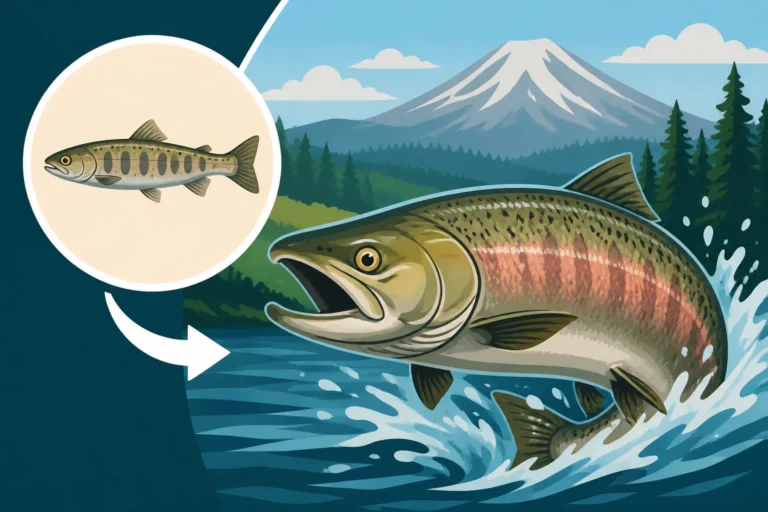
The coastal cutthroat trout, often referred to as sea-run cutthroat, are probably the most well-known type you'll encounter along Oregon's expansive coastline. These aren't your typical freshwater fish; they're anadromous, meaning they spend part of their lives in saltwater before returning to freshwater to spawn, much like salmon or steelhead. This makes them incredibly adaptable and a truly exciting species to target. You'll find them in nearly every coastal river and tributary, especially in the tidal reaches and lower river sections, as well as cruising the bays and estuaries. They might not get as large as some of their salmonid cousins, but what they lack in size, they make up for in fight and tenacity. They're opportunistic feeders, transitioning their diet as they move between saline and freshwater environments, munching on everything from aquatic insects to small baitfish. Learning Where do sea-run cutthroat trout come from is fascinating, as their migratory patterns dictate much of their behavior and where you'll find them throughout the year.
When these coastal cutthroat are in their freshwater phases, they often exhibit a more brassy, sometimes even golden, coloration, with pronounced spots. But when they've spent time in the salt, they can become much more silver, almost mimicking a small steelhead, with their spots fading slightly, though the distinctive red slash remains. They are remarkably resilient fish, often spawning multiple times over their lifespan, unlike salmon which typically spawn once and die. This resilience makes them a valuable and sustainable fishery, provided we treat them with respect and practice responsible angling. Their ability to thrive in varied conditions, from the churning ocean to the quiet river pools, showcases their incredible evolutionary success.
Westslope Cutthroat: High Mountain Gems
Venturing away from the coast and heading east into Oregon's mountain ranges, particularly the Cascades and the Blues, you'll encounter the westslope cutthroat trout. These are purely freshwater dwellers, preferring the cold, clear, oxygen-rich waters of high-elevation streams, rivers, and mountain lakes. Unlike their coastal cousins, they don't make migrations to the ocean. Instead, their lives are dictated by the rhythms of the mountain environment—snowmelt, summer droughts, and the freezing temperatures of winter. They are typically smaller than coastal cutthroat, often reaching lengths that are a delight on a lightweight fly rod, but their vibrant colors and pristine habitats make them a truly rewarding catch. These fish are often found in very scenic, remote locations, making the journey to find them part of the adventure.
Westslope cutthroat are characterized by their somewhat more muted, yet still beautiful, coloration, often a greenish-yellow or even olive-bronze on their backs, fading to a lighter belly, with smaller, more numerous spots concentrated towards their tail. The red slashes under their jaws are typically quite bright and distinct. They are extremely sensitive to water quality and temperature, thriving in environments that are relatively undisturbed. Their diet consists primarily of aquatic and terrestrial insects, making them a prime target for fly anglers. Exploring various high mountain lakes and streams can reveal pockets of healthy westslope populations, offering a unique angling experience away from the hustle and bustle. For those interested in the broader family, understanding Oregon Trout Species Guide can help distinguish them from other trout in these high-country waters.
Lahontan Cutthroat: A Rare Inland Species
While not as widespread as the other two, Oregon is also home to populations of Lahontan cutthroat trout, primarily found in the southeastern part of the state, within the Lahontan basin. This is a truly unique and often threatened subspecies, adapted to the harsh, alkaline, and often warmer waters of desert lakes and tributaries. They are the largest of the cutthroat subspecies and historically grew to immense sizes in places like Pyramid Lake in Nevada. In Oregon, you'll find them in more specific, isolated systems, often representing a relic population from ancient Lake Lahontan. Pursuing these fish often involves specific regulations and a deeper understanding of their conservation status.
Lahontan cutthroat are generally silvery with large, irregular spots and the characteristic red slashes. Their size can vary greatly depending on their specific environment, but they possess a robust, powerful build. Because their habitats are often fragile and their populations can be sensitive, angling for Lahontan cutthroat often comes with strict catch-and-release rules and sometimes even special permits. It's a privilege to fish for these ancient survivors, and it comes with the responsibility of respecting their environment and adhering to all local guidelines. They represent a fascinating piece of Oregon's natural history and are a testament to the adaptability of cutthroat trout as a whole. Always check the latest Oregon Fishing Regulations Explained before heading out to these sensitive areas.
Where to Find Cutthroat Trout in Oregon: Your Angler's Map
So, now that you know a bit about the different kinds of cutthroat trout in Oregon, the burning question is: where do you actually find them? Oregon is a vast and varied state, offering an incredible diversity of fishing experiences. Whether you're drawn to the roar of the ocean, the tranquility of a high-alpine lake, or the quiet solitude of a desert stream, there's a cutthroat population waiting to be discovered. Knowing the general regions and specific types of water to target will dramatically increase your chances of success and help you plan an unforgettable angling adventure.
Coastal Rivers and Estuaries
If you're after those feisty sea-run coastal cutthroat, your best bet is to focus on Oregon's numerous coastal rivers and their estuaries. Nearly every river flowing into the Pacific Ocean hosts a population of these anadromous fish. Think of systems like the Nestucca, Wilson, Alsea, Umpqua, and Rogue Rivers. These rivers offer prime habitat, especially in their lower and middle sections. The estuaries, where freshwater mixes with saltwater, are critical feeding grounds for cutthroat entering and leaving the ocean. You'll often find them lurking around structure like fallen trees, undercut banks, and gravel bars, waiting to ambush baitfish or insects. The tidal influence plays a huge role here; fishing during incoming or outgoing tides can concentrate fish in certain areas.
Many anglers find great success targeting cutthroat from the bank, wading shallow sections, or using small boats or kayaks to navigate the estuaries. Places like Yaquina Bay and Tillamook Bay are fantastic for cutthroat, particularly around the many small feeder creeks and marshy areas. The key is to look for those transition zones where food sources are abundant and the fish feel secure. Early mornings and late evenings, especially on overcast days, tend to be the most productive times. Remember, these fish are constantly moving, so a bit of exploration and observation goes a long way. Checking out Best Rivers to Fish in Oregon can give you an idea of which coastal systems are most renowned for their overall fishing, including cutthroat.
High Cascade Lakes and Streams
For the westslope cutthroat, you'll need to pack your hiking boots and head for higher ground. The Cascade Range, with its countless lakes and intricate network of streams, is a treasure trove for these beautiful fish. Popular areas include the Deschutes National Forest, the Three Sisters Wilderness, and even parts of the Willamette National Forest. Lakes like Waldo Lake (though it's incredibly clear, making fishing a challenge sometimes), and numerous smaller, unnamed alpine lakes accessible by trail, are prime westslope territory. These fish thrive in cold, clean water, so look for waters fed by snowmelt or clear springs. Many of these high-country gems are only accessible during the warmer months, typically from late spring through early fall, once the snow has melted.
Rivers and streams like the Upper Deschutes, Crooked River (in its higher reaches), and the McKenzie River's tributaries also hold good populations. When targeting these fish in streams, focus on classic trout water: riffles, runs, pools, and especially around logjams and boulders that provide cover and ambush points. In lakes, look for drop-offs, submerged timber, and areas where feeder creeks enter, bringing in food. A good topographic map and some research into accessible trails can reveal some incredible, less-pressured fishing opportunities. For a broader overview of such destinations, take a peek at Best Lakes to Fish in Oregon.
Eastern Oregon's Unique Basins
The search for Lahontan cutthroat takes you to a very different landscape: the high desert country of southeastern Oregon. This region, part of the Great Basin, has a unique hydrological system with numerous playas, alkaline lakes, and intermittent streams. While not as abundant as the other two subspecies, Lahontan cutthroat persist in specific areas. Identifying these specific locations often requires more detailed research with the Oregon Department of Fish and Wildlife (ODFW) or local angling resources, as their populations are often managed with conservation in mind. Places like the Chewaucan River system or certain isolated lakes and reservoirs might hold populations.
Fishing in these environments presents its own set of challenges, from extreme weather to remote access. However, the opportunity to connect with a truly rare and resilient fish species in a stunning, stark landscape is incredibly rewarding. It's often a testament to nature's ability to adapt and survive against the odds. When planning a trip to these areas, always prioritize minimal impact angling and strict adherence to regulations. This might also be a good place to look for specialized gear, potentially from online retailers like Amazon, that can handle both the rugged landscape and the specific fishing techniques required for these unique waters.
Essential Gear and Techniques for Cutthroat Trout: Get Ready to Cast
Now that we know where to find these incredible fish, let's talk about how to catch them. Cutthroat trout are generally aggressive and opportunistic feeders, which makes them a fantastic target for a variety of angling methods. However, matching your gear and technique to the specific environment and the type of cutthroat you're pursuing will significantly boost your success. Whether you're a seasoned fly angler or prefer the simplicity of spin fishing, there's a rewarding way to connect with Oregon's cutthroat. Having the right tools, and knowing how to use them, is half the battle.
Fly Fishing for Cutthroat
Fly fishing is arguably one of the most rewarding ways to target cutthroat, particularly the westslope and coastal varieties in their freshwater phases. These trout are often eager to rise to a dry fly or chase a well-presented nymph or streamer. For most cutthroat applications, a lightweight fly rod—think a 3-weight to 5-weight, 7.5 to 9 feet long—is ideal. This setup provides the sensitivity to detect subtle takes and the finesse to present smaller flies. A floating line is standard for most dry fly and nymphing situations, though a sinking tip can be useful for streamers or deeper nymph rigs in larger rivers or lakes.
When it comes to fly selection, cutthroat are rarely picky. For coastal cutthroat in rivers and estuaries, attractor patterns like Woolly Buggers, Clouser Minnows, and other baitfish imitations work wonders, especially if they are actively feeding on small fish. When they are keying in on insects, standard trout patterns like Caddis, Mayflies, and Stoneflies in various stages (nymphs, emergers, dries) are effective. For westslope cutthroat in mountain streams, terrestrial patterns like ant, beetle, or grasshopper imitations can be deadly during warmer months, along with classic dry flies such as Parachute Adams or Elk Hair Caddis. Nymphing with patterns like Prince Nymphs, Hare's Ears, and Pheasant Tails is also consistently productive. Many anglers find great deals on fly tying materials and pre-tied flies on Amazon, helping them stock their fly boxes for any situation. Mastering How to Fly Fish in Oregon will certainly elevate your cutthroat game.
Spin Fishing and Bait Tactics
If fly fishing isn't your style, or if you're fishing in conditions where spin gear is more effective (like windy days on a large lake or when fishing deeper holes in rivers), spin fishing is an excellent choice for cutthroat. A light to ultra-light spinning rod, around 6 to 7 feet long, paired with a small spinning reel spooled with 4-6 pound test line, is perfect. This setup allows for accurate casting of light lures and provides a sporting fight with these energetic fish.
Small spinners (like Rooster Tails or Mepps), spoons (such as Kastmasters or Little Cleos), and small jerkbaits or soft plastics can all be incredibly effective. For coastal cutthroat, spoons and spinners mimicking baitfish are often hot tickets. When targeting westslope cutthroat in lakes, casting small spoons or even trolling tiny plugs can yield great results. Bait fishing can also be very productive, especially with worms, crickets, or salmon eggs. When using bait, a light leader and a small hook (#8 or #10) under a small bobber or with minimal weight allows for a natural presentation. Remember to check local regulations, as some areas may have restrictions on bait use. Knowing Best Bait for Oregon Trout Fishing can be a real game-changer.
Reading the Water for Cutthroat Success
No matter your chosen method, the ability to "read the water" is paramount when fishing for cutthroat trout. These fish, like all trout, are masters of efficiency. They'll position themselves in places where they can expend minimal energy while having easy access to food and cover. In rivers and streams, look for current seams, where fast water meets slow water; this is a classic ambush point. Undercut banks, submerged logs, and large boulders provide excellent cover from predators and strong currents. Deeper pools, especially those with structure, can hold larger fish.
In lakes, focus on areas with visible structure: weed beds, rock piles, drop-offs, and points. If there are feeder creeks, fish around their mouths, as these areas often concentrate food. For sea-run cutthroat in estuaries, look for areas with current, particularly during tide changes, and concentrate your efforts around docks, pilings, and marsh edges where baitfish congregate. Observe the water for signs of feeding activity—a rising fish, a splash—and pay attention to insect hatches. Sometimes, the most important piece of gear is a good pair of polarized sunglasses, allowing you to see through the glare and spot potential holding water.
Conservation and Responsible Angling: Protecting Our Cutthroat
The thrill of catching a beautiful cutthroat trout in Oregon is truly unmatched. But with that joy comes a deep responsibility to ensure these native fish thrive for generations to come. Oregon's cutthroat populations, while generally healthy in many areas, face pressures from habitat loss, changing environmental conditions, and angling pressure. Practicing responsible angling isn't just a suggestion; it's a vital part of being a good steward of our natural resources. By understanding and adhering to regulations, practicing careful catch-and-release, and supporting conservation efforts, we can all play a part in protecting these iconic fish.
Oregon's Cutthroat Regulations
Navigating fishing regulations can sometimes feel like deciphering an ancient text, but it's absolutely crucial, especially when dealing with native species like cutthroat trout. Oregon's regulations for cutthroat can vary significantly depending on the specific water body, the subspecies, and even the time of year. For instance, some waters might have strict catch-and-release rules for all cutthroat, while others allow for retention with specific size and bag limits. The Oregon Department of Fish and Wildlife (ODFW) publishes a detailed regulation booklet annually, which is your go-to resource. You can often pick up a copy at most sporting goods stores or download it from the ODFW website.
Pay close attention to daily bag limits and possession limits, as these often differ. For example, Oregon Daily Bag Limits Explained will show that a river might allow you to keep a certain number of trout, but there could be specific restrictions on cutthroat size or a requirement that all wild cutthroat be released. Always be aware of any special gear restrictions, such as barbless hooks only, or bait prohibitions in certain waters, particularly those designated as "fly-fishing only." Ignorance of the law is never an excuse, and game wardens are out there protecting these resources. Always confirm the regulations for your specific fishing location before you even wet a line.
The Importance of Catch-and-Release
Even where retention is allowed, practicing catch-and-release for cutthroat trout, especially wild populations, is highly encouraged. These native fish often play a critical role in their ecosystems, and allowing them to spawn multiple times helps maintain healthy population numbers. Oregon Catch-and-Release Rules provide general guidelines for ethical release, but here are some specific tips to maximize a fish's survival:
- Minimize handling: Try to keep the fish in the water as much as possible. If you must lift it, do so gently, supporting its belly.
- Wet hands: Always wet your hands before touching a fish to protect its delicate slime coat, which is its primary defense against disease.
- Barbless hooks: Crimp down your barbs! Barbless hooks make removal much quicker and cause less damage to the fish's mouth. You can even find barbless hooks in bulk on Amazon for easy re-rigging.
- Quick release: Don't prolong the fight or keep the fish out of water for hero shots. Get it back in the water as quickly and gently as possible.
- Revive tired fish: If a fish looks sluggish, hold it upright in a gentle current until it can swim away under its own power. Don't push it forward or backward, just let the water flow over its gills.
By treating every fish with care, you're not just ensuring its survival; you're also ensuring future generations of anglers can experience the same joy you do.
Supporting Cutthroat Conservation
Beyond individual angling practices, supporting broader conservation efforts is key to the long-term health of Oregon's cutthroat trout. This can take many forms, from advocating for healthy watersheds to participating in volunteer habitat restoration projects. Organizations dedicated to cold-water conservation, like Trout Unlimited or local watershed councils, are often doing critical work to protect and restore cutthroat habitats. These efforts might include removing barriers to fish migration, restoring riparian vegetation, or improving water quality.
Even something as simple as purchasing your Oregon Fishing License Guide or combined angling tags contributes to conservation, as a portion of those funds often goes directly to ODFW programs that manage and protect fish populations and their habitats. Educating yourself and others about the unique value of native cutthroat, and respecting the diverse ecosystems they inhabit, ensures that these beautiful, resilient fish will continue to grace Oregon's waters for many years to come.
Disclaimer
This article is for general informational purposes only and does not constitute professional advice. Laws, prices and regulations vary by location and change over time. Consult a qualified professional for guidance on your specific situation.