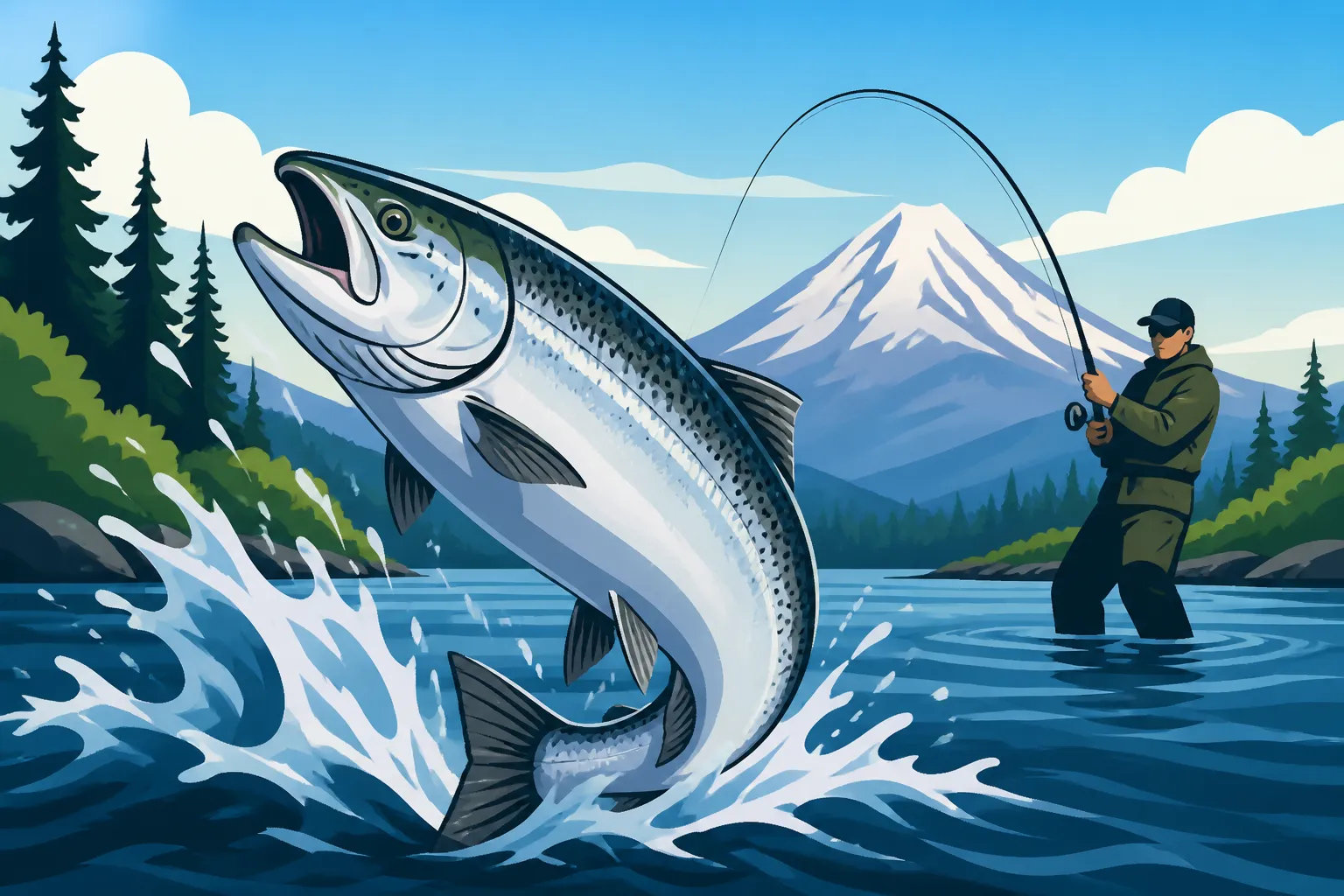
Chinook Salmon in Oregon
For many anglers, the pursuit of Chinook salmon in Oregon isn't just a hobby; it's an obsession, a deep connection to the wild rivers and the majestic Pacific. But let's be honest, figuring out the ins and outs of fishing for these incredible fish—from understanding their diverse runs to navigating complex regulations—can feel like trying to solve a puzzle with half the pieces missing. This guide is here to untangle that complexity, providing you with a thorough understanding of Chinook salmon in Oregon, helping you confidently plan your next fishing adventure.
The Majestic Chinook Salmon: An Oregon Icon
There’s a reason Chinook salmon, often called "Kings" or "Springers," hold such a revered status among anglers in Oregon. These aren't just any fish; they're giants of the salmon world, embodying strength, beauty, and an incredible journey from freshwater to saltwater and back again. Their sheer size and fighting prowess make them a bucket-list catch for many, and their return to our rivers each year is a true spectacle of nature.
What Makes Chinook Special?
When you hook into a Chinook, you're not just fighting a fish; you're battling a powerhouse of muscle and instinct. These fish are known for their explosive runs, their deep dives, and their sheer unwillingness to give up. It's a fight that can test your tackle, your patience, and your angling skill like few other species can. Beyond their formidable fight, Chinook are also celebrated for their rich, firm, and flavorful meat, making them a highly sought-after prize for the dinner table. They're not just food, though; they're an integral part of Oregon's ecosystem and cultural heritage, a symbol of the wild spirit of the Pacific Northwest.
Their impressive size is another defining characteristic. While many salmon species are sizable, Chinook are consistently the largest, with adults commonly weighing 20-30 pounds, and some absolute monsters tipping the scales at over 50 pounds. Imagine the thrill of reeling in a fish that's longer than your arm and heavier than your dog! It’s this combination of raw power, delicious flesh, and impressive stature that elevates the Chinook to such a special place in the hearts of Oregon anglers.
Life Cycle of an Oregon Chinook
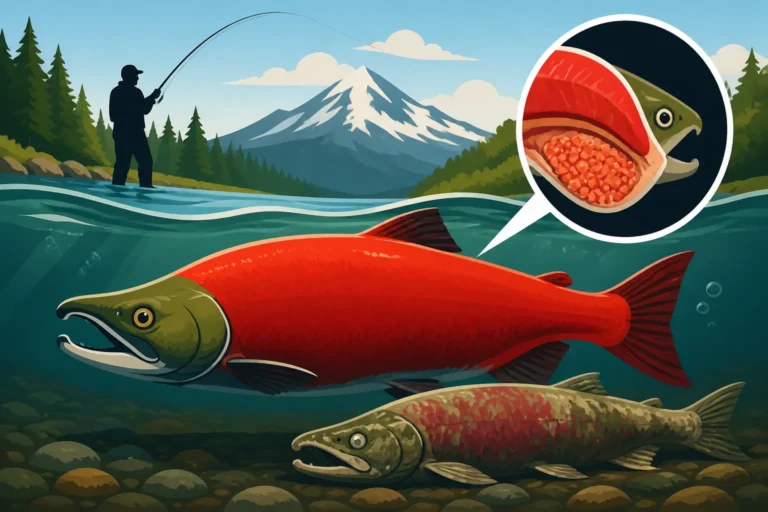
The life cycle of a Chinook salmon is nothing short of epic, a testament to nature's enduring power and resilience. It all begins in the cold, clear gravel beds of Oregon's rivers and streams, where females painstakingly create "redds" – nests in the riverbed – to lay their eggs. These eggs hatch into tiny alevin, then fry, which spend varying amounts of time in freshwater, often just a few months to a year, growing and preparing for the massive journey ahead.
Once ready, these young salmon, now called smolts, begin their downstream migration, navigating the currents and overcoming obstacles to reach the vast expanse of the Pacific Ocean. This transition from freshwater to saltwater is a critical phase, requiring incredible physiological changes. Out in the ocean, they spend several years, typically three to five, growing rapidly on a rich diet of baitfish. They travel thousands of miles, building the strength and size that make them such incredible adversaries for anglers. Then, guided by an innate, almost magical sense of navigation, they return to their natal rivers to spawn, completing the cycle. This incredible journey, often against powerful currents and numerous predators, is why we hold them in such high esteem.
Understanding Oregon's Chinook Runs: Spring vs. Fall
In Oregon, Chinook salmon typically make two distinct runs upriver: the Spring Chinook and the Fall Chinook. While both are the same species, they differ significantly in their timing, appearance, and even their behavior, offering unique angling opportunities throughout the year. Understanding these differences is crucial for any serious salmon angler in the state.
Spring Chinook: The Prized Silver
Spring Chinook, affectionately known as "Springers," are often considered the holy grail of Oregon salmon fishing. These fish are prized for their incredibly firm, rich, and often bright red-orange flesh, which is a direct result of their physiological state. Unlike their fall counterparts, Springers enter freshwater rivers incredibly fat and energetic, carrying all the reserves they'll need for their long journey upstream to spawn later in the year. They stop feeding once they enter the rivers, relying solely on these stored fats, which contributes to their superior culinary quality and fighting spirit.
The timing of the Spring Chinook run can vary slightly by river system, but generally, these fish begin entering Oregon's major rivers, like the Willamette River Fishing Guide and the Columbia River and its tributaries, as early as February, with peak numbers often seen in April and May. They are strong, powerful swimmers, pushing hard against the current, making them a true test of an angler's skill. Finding them often involves targeting deep holes, current seams, and transition areas where they can rest during their arduous upstream migration. Anglers often meticulously plan their trips around these runs, knowing that a fresh Springer is one of the most coveted catches in the state.
Fall Chinook: Abundance and Opportunity
While Springers might be the culinary darlings, Fall Chinook offer a different kind of thrill: sheer numbers and often explosive action. These fish, sometimes called "Tules" or "Upriver Brights" depending on the stock, typically begin their migration later in the year, usually starting in August and continuing through September and October. They enter the rivers closer to their spawning time, and while still incredibly powerful, they may have slightly less fat content than Springers, though their flesh remains delicious.
The sheer volume of Fall Chinook, particularly in the lower Columbia River during events like the Buoy 10 Fishing Guide season, can be staggering. This run provides incredible opportunities for both boat and bank anglers. They are often aggressive biters, especially in tidewater and lower river sections, as they still retain some feeding instincts before fully transitioning to their spawning phase. Coastal rivers, bays, and estuaries also see substantial runs of Fall Chinook, offering fantastic opportunities for anglers targeting these powerful fish closer to the ocean. The hustle and bustle around the peak of the fall run, with boats and bank anglers lining the rivers, is a vibrant and exciting time to be out fishing in Oregon.
Ocean Chinook: The Feeder Fish
Before they ever enter the rivers, Chinook salmon spend a significant portion of their lives in the vast expanse of the Pacific Ocean, growing and fattening up. These are the "feeder" fish, actively pursuing prey like anchovies, herring, and squid, which fuels their incredible growth. While in the ocean, they are widely distributed, ranging from Alaska down to California, but many will eventually return to Oregon's rivers. Ocean Chinook fishing is a completely different ballgame from river fishing, focusing on offshore trolling techniques.
Anglers targeting ocean Chinook are often looking for actively feeding fish in specific temperature breaks or bait concentrations. This type of fishing requires specialized boats, electronics to find bait and fish, and robust trolling gear. The fish caught offshore are usually bright, chrome-plated, and in peak condition, having not yet begun their freshwater transition. They are incredibly strong fighters in the open ocean, often making long, screaming runs that will test the drag on your reel. For those who love the challenge of deep-sea angling, pursuing these magnificent ocean-dwelling Chinook can be an incredibly rewarding experience, offering a chance to intercept them before they ever turn their noses towards freshwater.
| Feature | Spring Chinook (Springers) | Fall Chinook (Tules / Upriver Brights) |
|---|---|---|
| Run Timing | February – May (peak April/May) | August – October (peak August/September) |
| Entry Condition | Very fat, high energy, enter rivers months before spawning | Good condition, enter rivers closer to spawning |
| Flesh Quality | Highly prized, firm, rich, bright red-orange (superior) | Excellent, firm, good color (slightly less fat than Springers) |
| Fight | Extremely powerful, long runs, tenacious | Very powerful, aggressive, strong runs |
| Typical Locations | Upper Columbia, Willamette, tributary systems | Lower Columbia (Buoy 10), coastal rivers & bays |
| Feeding in River | Generally stop feeding once in freshwater | May still bite aggressively in lower river/tidewater |
| Angler Popularity | Extremely high, highly coveted | High, offers abundant opportunities |
Where to Find Chinook Salmon in Oregon
Oregon is blessed with an abundance of rivers and coastal waters that host robust Chinook salmon runs. Knowing where to go and when to be there is half the battle in successfully pursuing these magnificent fish. Different systems favor different runs, and even within a single river, specific sections can be far more productive than others.
Columbia River Basin Hotspots
The Columbia River Basin is undeniably the heavyweight champion when it comes to Chinook salmon fishing in Oregon. This massive river system, and its numerous tributaries, sees millions of salmon return each year, providing opportunities for both spring and fall runs. For Fall Chinook, the lower Columbia, particularly around the famous Buoy 10 Fishing Guide area near Astoria, is legendary. Here, at the mouth of the river, anglers from all over descend in August and September to intercept massive schools of salmon staging before their upstream migration. It's a high-stakes, high-reward fishery that can offer incredible action. Further upstream, as the fish continue their journey, areas around Tongue Point, Cathlamet, and Kalama also become prime spots.
For Spring Chinook, the Columbia is still a major player, especially in its middle and upper stretches, but many of these prized fish peel off into tributaries like the Willamette River. The Willamette, especially around the Portland and Oregon City areas, becomes a hub of activity during the spring. Anglers target specific holes, current breaks, and confluence points where Springers tend to hold. Places like Meldrum Bar, around Oregon City Falls, and various boat ramps along the lower Willamette are classic spots. It’s not just the main stem; several other Columbia tributaries, like the Cowlitz and Lewis (on the Washington side, but influencing Oregon fishing), also see strong Springer returns. Always consult the Columbia River Fishing Guide for specific details.
Coastal Rivers and Bays
While the Columbia River often gets the most fanfare, Oregon's rugged coast is home to numerous rivers and bays that host fantastic Chinook runs, particularly for Fall Chinook. These smaller, more intimate systems offer a different angling experience, often requiring different techniques and a keen understanding of local river conditions. Bays like Tillamook Bay, Yaquina Bay, and Coos Bay become incredibly active during the fall, as ocean-bright Chinook stage in the tidal waters before pushing into the rivers. Trolling in these bays, often with plug-cut herring or large spinners, is a highly effective method.
Further up these coastal rivers, such as the Nehalem River, Trask River, Wilson River, Alsea River, and the Umpqua River, anglers pursue Chinook with a variety of techniques, from drift fishing to plunking. These rivers often have distinct characteristics that influence where salmon hold and how they can be effectively targeted. For instance, the Rogue River in Southern Oregon is another iconic Chinook fishery, famous for its summer and fall Chinook runs, attracting anglers who use everything from conventional gear to fly fishing. The beauty of the coastal rivers is that they offer a chance to connect with these fish in a truly wild and stunning setting, often surrounded by lush forests and dramatic landscapes.
Understanding Access Points and Prime Holding Lies
Successful Chinook fishing isn't just about picking the right river; it's about understanding the specific spots within that river where fish are likely to be. Chinook, especially as they move upstream, will seek out specific "holding lies" – areas where they can rest, conserve energy, and feel secure. These often include deep pools, slow-moving current seams, eddies behind large rocks or logs, and the confluence of tributaries. Anywhere there's a break in the current or a sudden change in depth is a potential holding spot.
Access to these prime spots can come in many forms. Public boat ramps are essential for river and bay anglers, providing the means to get on the water and cover significant stretches. Bank anglers rely on public access points, parks, and designated fishing areas. Walking the riverbank and observing the water for signs of fish or other anglers can also reveal productive spots. Additionally, understanding river structure, such as where gravel bars give way to deeper channels or where submerged timber creates cover, is key. Many anglers spend years learning the nuances of their favorite river, building a mental map of where the Chinook are likely to be found at different water levels and times of the season.
Key Techniques for Catching Oregon Chinook
Catching Chinook salmon in Oregon is rarely a matter of luck; it's a skill honed by understanding the fish, the environment, and the techniques that consistently produce results. From the vast ocean to the intimate river systems, different approaches are needed to entice these powerful predators.
Trolling for Ocean and River Mouth Chinook
Trolling is perhaps the most common and effective method for targeting Chinook salmon, especially in the ocean, large bays, and wide river sections like the lower Columbia. The idea is simple: drag baits or lures behind a moving boat, covering a lot of water until you find actively feeding or migrating fish. In the ocean, this often involves using downriggers to get your gear down to specific depths, as Chinook can be found anywhere from the surface to over 100 feet deep. Flashers or dodgers are frequently used in front of the bait or lure to attract attention, mimicking schooling baitfish.
For bait, plug-cut herring or anchovies are king. The way these baits are cut makes them spin in the water, creating an irresistible wounded-fish presentation. Lures like spoons, hoochies, and diving plugs are also highly effective. When you're out there, having a good selection of quality trolling gear is essential. You can find excellent options for flashers, leader material, and specialized trolling spoons on Amazon, making it easy to stock up before your trip. Pay attention to boat speed, depth, and color patterns, as Chinook can be finicky. In river mouths and bays, trolling often focuses on shallower depths and specific tidal currents where fish are staging.
Drift Fishing and Plunking in Rivers
Once Chinook enter the narrower confines of a river, drift fishing and plunking become go-to techniques, particularly for bank anglers and those in smaller boats. Drift fishing involves presenting a bait or lure naturally along the river bottom, allowing the current to carry it into potential holding lies. This typically involves a lead weight (like a Slinky weight or pencil lead) attached to a leader with a bait or lure. Cured salmon roe (eggs) is a perennial favorite bait, often fished with a small cluster of eggs on a hook, sometimes sweetened with a scent. Spin-n-Glos, small yarnies, or Cheaters can also be used to add color and flotation. The key is to maintain bottom contact without snagging, letting your gear "drift" at the same speed as the current.
Plunking, on the other hand, is a more static technique, often employed by bank anglers in high-current areas, such as the main channels of the Columbia or Willamette. It involves casting a heavy lead weight (sometimes several ounces) with a large Spin-n-Glo or bait rig, allowing it to "plunk" to the bottom and hold in place. The current then causes the lure or bait to vibrate and attract fish that are migrating upstream. While less active than drift fishing, plunking can be incredibly effective when large numbers of fish are moving through a bottleneck. Both techniques require patience and a good understanding of river currents and where fish are likely to stack up. You'll find a wide array of specialized weights, hooks, and scent additives for both drift fishing and plunking available for purchase on Amazon.
Back-Trolling and Back-Bouncing
For anglers targeting Chinook from a boat in river settings, back-trolling and back-bouncing are incredibly effective methods that allow for precise presentation in current. Back-trolling involves using the boat's motor (often a kicker motor) to slowly move the boat downstream, slightly slower than the current, allowing your baits or lures to drift naturally into the faces of upstream-facing salmon. This technique is particularly deadly for Spring Chinook holding in deeper holes and along current seams. Plugs, like Kwikfish or Wiggle Warts, often wrapped with sardine or tuna, are incredibly popular for back-trolling. The vibration of these plugs can really trigger an aggressive strike from a holding salmon.
Back-bouncing is a variation that allows for even more precise bottom contact, often used in shallower to moderate depths with stronger currents. Here, a heavy lead weight (usually a cannonball or pyramid sinker) is tied to a dropper, with a leader extending to a bait (like salmon eggs or a prawn) or a small lure (such as a Spin-n-Glo). The angler "bounces" the weight off the bottom, just barely touching it, as the boat slowly backs downstream. This keeps the bait directly in the strike zone where salmon are holding, making it an excellent technique for covering specific pieces of holding water. Both methods require good boat control and a feel for the bottom, but mastering them can significantly increase your success rates when chasing river-run Chinook.
Oregon Chinook Regulations and Conservation
Fishing for Chinook salmon in Oregon is not just about technique; it's deeply intertwined with understanding and adhering to the regulations designed to protect these vital fish populations. These rules are put in place by the Oregon Department of Fish and Wildlife (ODFW) to ensure sustainable fisheries for future generations. Ignoring them can lead to hefty fines and loss of fishing privileges.
Licensing and Endorsements
The first step to legally fish for Chinook in Oregon is to obtain the proper licenses and endorsements. Every angler aged 12 and older generally needs an Oregon Fishing License Guide, which serves as your basic permit. Beyond the general license, Chinook salmon fishing often requires additional tags or endorsements, depending on where and what you're fishing for. For most salmon fishing, especially in areas like the Columbia River and its tributaries, you'll need an Oregon Combined Angling Tag Guide. This tag covers your ability to retain salmon, steelhead, and sturgeon.
If you plan to fish for salmon in the ocean beyond the mouth of a bay, an Oregon Ocean Endorsement is also typically required. These various licensing components help fund conservation efforts and monitor angler effort. It's easy to get confused with all the different requirements, so always make sure you've purchased everything you need before heading out. You can purchase your license and any necessary endorsements online through the ODFW website or at various licensed vendors, and it's always a good idea to keep a printed copy or a digital version on your phone as proof.
Understanding Bag Limits and Size Restrictions
Oregon's fishing regulations for Chinook salmon are highly specific and can vary significantly by river, zone, and even time of year. These variations are crucial for managing different salmon runs and protecting sensitive populations. The Oregon Daily Bag Limits Explained will detail how many Chinook you can keep in a single day, and often, how many you can possess in total. For example, the daily bag limit for Chinook might be two adult salmon in one river, but only one in another, or it might change from spring to fall.
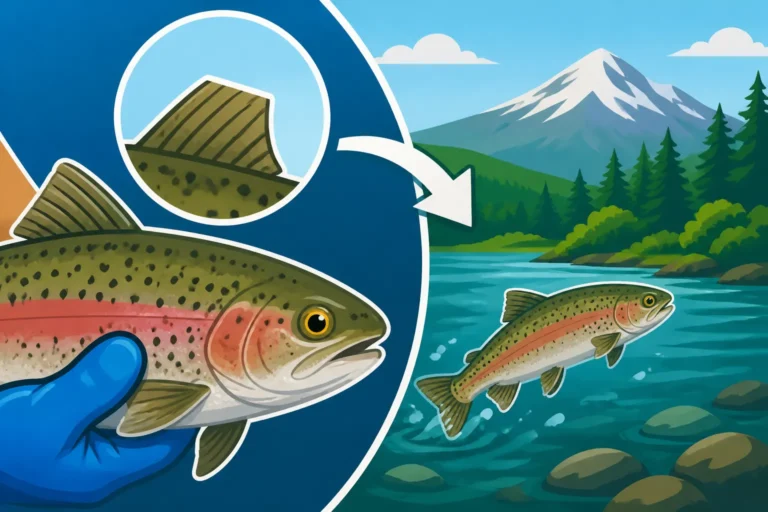
Furthermore, there are often minimum size restrictions, meaning any Chinook caught below a certain length must be immediately released unharmed. These size limits ensure that younger fish have a chance to mature and contribute to spawning. It's also critical to distinguish between wild and hatchery fish, as retention rules often differ. Hatchery fish are typically identified by a missing adipose fin (a small fleshy fin on their back), a result of fin-clipping. Wild fish, with their adipose fin intact, are often required to be released due to conservation concerns. Always check the most current Oregon Fishing Regulations Explained booklet or online summary, as rules can change frequently due to run forecasts or in-season adjustments. It's your responsibility as an angler to know the rules before you cast a line.
Hatchery vs. Wild Chinook and Fin-Clipping
The distinction between hatchery-reared and wild Chinook salmon is a cornerstone of Oregon's salmon management strategy. Hatchery programs are vital for supplementing fish populations, providing angling opportunities, and often for mitigating impacts on wild stocks. To differentiate between these two, hatchery-reared Chinook are typically "fin-clipped" – meaning their adipose fin is surgically removed as juveniles before they are released. This simple, visible mark allows anglers and enforcement officers to easily identify them.
The primary reason for this distinction is conservation. Wild Chinook populations face numerous challenges, including habitat loss, hydropower impacts, and environmental changes. By requiring the release of wild, unclipped Chinook in many fisheries, ODFW aims to protect and rebuild these crucial natural spawning stocks. Anglers are generally encouraged, and often legally required, to only retain fin-clipped hatchery Chinook. This means being able to quickly and accurately identify your catch is paramount. If you catch a wild Chinook (one with an intact adipose fin), it must be released immediately and carefully, with minimal handling. Understanding these rules is not just about compliance; it's about being a responsible steward of Oregon's precious salmon resources and supporting the long-term health of our fisheries. For more information, consult the Oregon Catch Record Card Requirements and Oregon Salmon and Steelhead Tag Requirements.
Preparing and Enjoying Your Chinook Catch
Landing a magnificent Oregon Chinook is an accomplishment. But the journey doesn't end when the fish is in the boat or on the bank. Proper handling, cleaning, and storage are critical to preserving the quality of your catch, ensuring that your hard-earned salmon tastes as incredible as it was to catch.
Handling Your Catch Responsibly
The moment a Chinook comes aboard, responsible handling is key to maintaining its premium quality. Many experienced anglers prioritize dispatching the fish quickly and humanely. A swift blow to the head or a technique called "brain spiking" can quickly render the fish unconscious, minimizing stress and preventing the release of lactic acid into the muscle tissue, which can negatively impact flavor.
Immediately after, bleeding the fish is paramount. This involves cutting the gills or severing an artery near the tail, allowing the blood to drain completely. Bleeding removes impurities and greatly improves the taste and texture of the meat. After bleeding, the fish should be placed on ice as quickly as possible. A cooler filled with a generous amount of ice is essential; simply tossing it in a warm fish box won't cut it. Keeping the fish cold slows bacterial growth and enzyme activity, preserving that fresh, ocean-caught flavor. Some anglers even prefer to keep their fish in an ice slurry (ice water) in the cooler for rapid chilling. Think of it as preparing a gourmet meal from the very beginning—every step counts!
Filleting and Storage Tips
Once you're off the water, the next crucial step is proper filleting and preparation for storage. A sharp, flexible fillet knife (you can find a great selection of high-quality fillet knives and sharpening tools on Amazon) is your best friend here. While there are many ways to fillet a salmon, the goal is to remove as much clean meat as possible, free of bones and skin if desired. Start by making a cut behind the gills, then run your knife along the backbone, peeling away the fillet. Once you have your fillets, rinse them lightly under cold water to remove any lingering scales or blood, then pat them thoroughly dry with paper towels. Excess moisture is the enemy of good storage.
For short-term storage (a day or two), place the dry fillets in a single layer on a plate, cover with plastic wrap, and refrigerate. For longer-term preservation, vacuum sealing is by far the superior method. It removes air, preventing freezer burn and extending the shelf life of your salmon for months. If you don't have a vacuum sealer, wrap individual portions tightly in plastic wrap, then aluminum foil, and place them in freezer bags. Clearly label each package with the date and type of fish. Properly stored Chinook salmon will retain its magnificent flavor and texture, allowing you to enjoy your harvest long after your fishing trip.
Culinary Delights: Recipes and Cooking Methods
The best part about catching an Oregon Chinook (besides the fight!) is savoring its rich, flavorful meat. Chinook salmon is incredibly versatile and lends itself beautifully to a wide array of cooking methods. For many, a simple preparation that highlights the fish's natural flavors is best. Grilling or baking fillets with just a squeeze of lemon, a sprinkle of salt and pepper, and a pat of butter is a classic, unbeatable choice. The high fat content of Chinook helps keep it moist and flaky.
For a more adventurous approach, consider smoking your Chinook. Smoked salmon, whether hot-smoked for a flaky texture or cold-smoked for a lox-like consistency, is a delicacy. You can also pan-sear it for a crispy skin, poach it for a delicate, moist texture, or even cube it for delicious salmon tacos or curries. Don't forget the belly meat—it's often the richest and most flavorful part, excellent for grilling or making salmon bacon. Experiment with different marinades, rubs, and sauces to discover your favorite ways to enjoy this incredible fish. Sharing your catch with family and friends, prepared to perfection, is truly the ultimate reward for your efforts on the water.
Disclaimer
This article is for general informational purposes only and does not constitute professional advice. Laws, prices and regulations vary by location and change over time. Consult a qualified professional for guidance on your specific situation.