Is razor clamming open year round in Oregon?
It's a common dream for many who visit Oregon's stunning coastline: the idea of simply walking out onto the beach, bucket in hand, and digging up a feast of razor clams any time the mood strikes. The reality, unfortunately, is a bit more complex, and often, more frustrating. While the spirit of adventure might tell you the ocean is always open for business, razor clamming in Oregon is definitely not open year-round, and navigating the ever-changing rules can feel like trying to catch a greased clam itself! This guide will break down exactly why the seasons fluctuate, what factors dictate closures, and how you can stay informed so your next clamming trip is a success, not a disappointment.
The Reality of Oregon's Razor Clam Seasons: It's Not Year-Round!
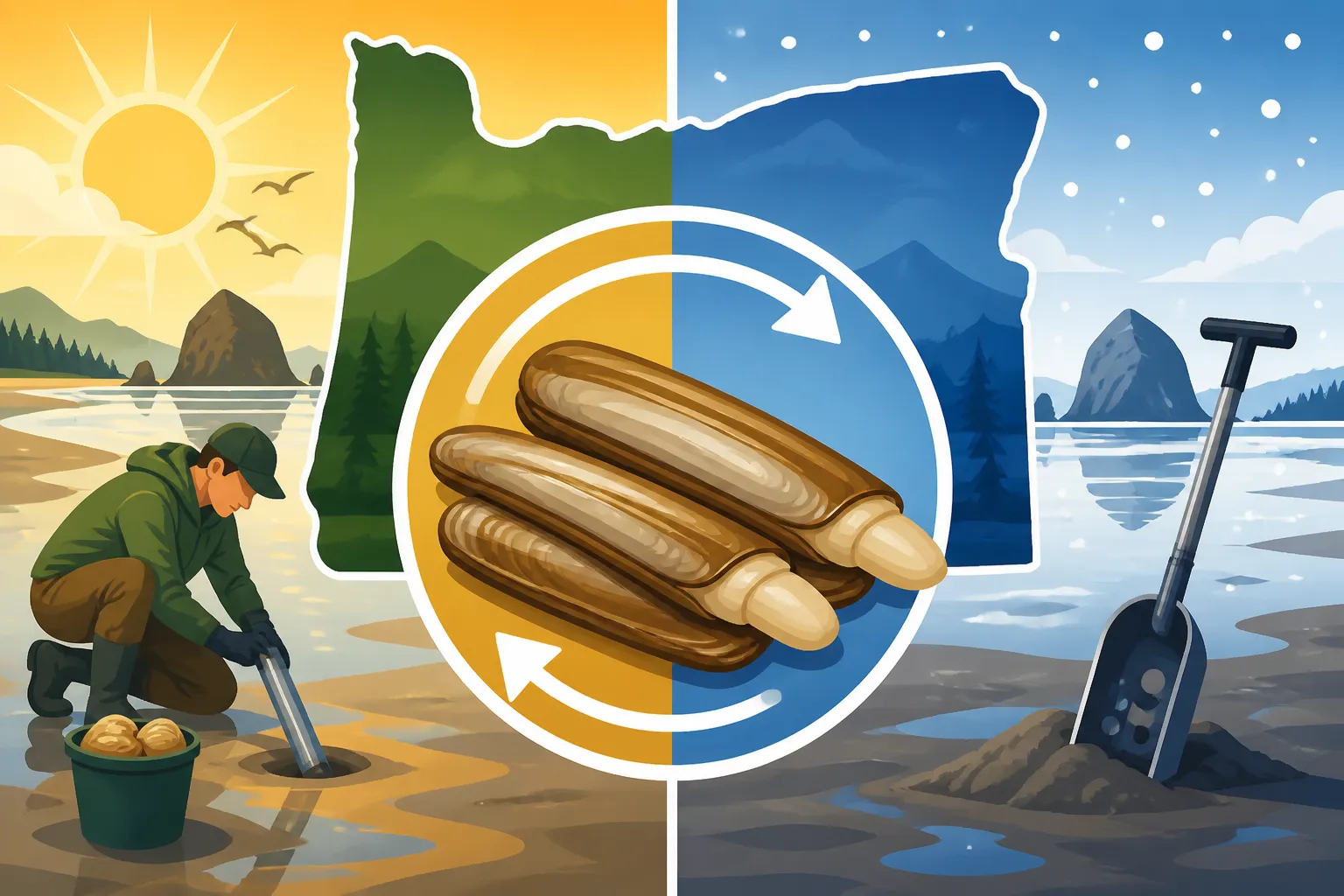
Let's get right to it: no, razor clamming is not open year-round in Oregon. This might come as a surprise if you're picturing endless stretches of beach just waiting for your shovel, but the truth is, the seasons are highly dynamic and subject to frequent changes. There are very good, scientifically-backed reasons for this, primarily concerning public health and the long-term sustainability of the clam populations.
The Elusive Nature of Razor Clam Openings
Unlike some other recreational activities that follow predictable annual calendars, razor clam openings are much more fluid. You can't just mark your calendar months in advance and assume a specific date will be open. Clamming is an activity where flexibility and checking current conditions are your absolute best friends. Imagine planning a whole weekend getaway to the coast, driving for hours, only to arrive and find the "CLOSED" sign prominently displayed for razor clams. It's a real bummer, and it happens to anglers and clam diggers all the time. This isn't because the state wants to make things difficult; it's a direct result of vital conservation efforts and stringent public health monitoring. These closures are put in place to protect the clam beds from overharvesting and, even more critically, to protect you from consuming potentially toxic shellfish. If you're looking for a general overview of what else is regulated, our Oregon Fishing Season Dates and Limits article provides a broader picture.
Oregon's coastline stretches for hundreds of miles, and it's important to understand that not all areas are treated equally when it comes to razor clams. The highly productive Clatsop Beach, for instance (the 18-mile stretch from the Columbia River south to Tillamook Head), is managed very differently from beaches south of Tillamook Head. These distinctions are crucial because a closure on one part of the coast doesn't necessarily mean the entire state is shut down, and vice-versa. Always remember that when a season is open, there are specific harvest regulations to follow, just like with fish. Our detailed Oregon Fishing Regulations Explained guide can help clarify many of these rules.
Seasonal Tendencies and Geographic Hotspots
While a year-round open season is a myth, there are definitely seasonal tendencies and specific geographic hotspots for razor clamming in Oregon. Knowing these can help you target your efforts more effectively, even if you still need to verify current conditions right before you go.
The most famous razor clamming ground in Oregon is undoubtedly Clatsop Beach. This area is known for its dense razor clam populations, but it also faces specific conservation closures to ensure the species can reproduce successfully. Typically, Clatsop Beach will see conservation closures during the spring and early summer months (roughly March through June or July), which is the primary spawning season for razor clams. During this time, state agencies want to give the clams a chance to do their thing without interruption, safeguarding future populations. However, if conditions allow and populations are robust, Clatsop Beach might open up for razor clamming later in the fall and winter, after spawning has concluded.
For areas south of Tillamook Head, the situation is almost entirely dictated by marine biotoxin levels. These areas don't typically experience the same conservation closures as Clatsop Beach, but they are highly susceptible to biotoxin accumulation, which can cause them to open and close sporadically throughout the year. Sometimes, you might find a stretch of beach around Newport or Florence open for a few weeks, then closed again. This means that if you're planning a trip to one of these southern spots, checking the latest public health advisories is your absolute top priority. Knowing these distinctions is key to a successful trip, and getting an Oregon Shellfish License is the first step regardless of where you go.
Why the Closures? Understanding Biotoxins and Conservation Efforts
It's easy to get frustrated when you arrive at the coast, shovel in hand, only to find razor clamming closed. But behind every closure notice are dedicated scientists and resource managers working hard to protect both the natural environment and public health. Understanding why these closures occur can help shift that frustration into appreciation for the work being done.
The Silent Threat of Marine Biotoxins: Domoic Acid and PSP
The primary reason for many unexpected razor clam closures is the presence of marine biotoxins. These aren't man-made pollutants but naturally occurring toxins produced by microscopic algae in the ocean. When these algae "bloom" (often called a red tide, though they aren't always red), shellfish like clams, mussels, and oysters, which are filter feeders, can accumulate these toxins in their tissues. Consuming shellfish contaminated with these biotoxins can lead to serious illness.
The two main concerns for shellfish harvesters in Oregon are:
- Domoic Acid (Amnesic Shellfish Poisoning, ASP): This toxin can cause gastrointestinal distress, and in severe cases, neurological symptoms, including memory loss (hence "amnesic"). It's produced by certain diatoms.
- Paralytic Shellfish Poisoning (PSP): This is perhaps the more feared toxin. PSP can cause numbness, tingling, paralysis, and in extreme cases, respiratory failure and death. It's produced by dinoflagellates.
The Oregon Department of Fish and Wildlife (ODFW) and the Oregon Department of Agriculture (ODA) work tirelessly to monitor shellfish along the entire coast. They regularly collect samples and test them for biotoxin levels. If the levels exceed safety thresholds, they issue immediate closure notices. It's a bummer to plan a trip to a beautiful Oregon Coast Fishing Spots and find your clamming plans dashed, but these measures are absolutely non-negotiable for your safety. Ignoring these warnings and harvesting shellfish from closed areas can not only be dangerous for your health but also lead to significant penalties, as outlined in guides like Oregon Fishing Violations and Penalties.
Protecting Future Generations: Conservation Closures
Beyond the critical public health concerns, razor clamming is also managed through conservation closures to ensure the long-term health and viability of the clam populations. These are typically implemented by ODFW. The most notable example, as mentioned, is the regular spring/early summer closure for razor clams on Clatsop Beach.
Why this specific closure? Razor clams have a distinct spawning season during these months. By closing the beach to harvesting, ODFW aims to minimize disturbance to the spawning clams and allow them to reproduce successfully. This management strategy helps ensure that there will be healthy populations of razor clams for future generations to enjoy. It's a balancing act: allowing recreational harvest while protecting the resource. These conservation efforts often go hand-in-hand with daily bag limits and size restrictions when seasons are open, which you can learn more about in our article on Oregon Daily Bag Limits Explained. These biological closures are just as important as biotoxin closures, though for different reasons – one protects the species, the other protects the consumer.
Your Toolkit for Successful (and Safe) Clamming: Staying Informed
Given the variable nature of razor clamming seasons in Oregon, the single most important tool you have isn't a shovel or a clam gun – it's information. Knowing how and where to check for current conditions will save you immense frustration and potentially keep you safe.
Checking Before You Go: Essential Resources
You absolutely, positively must check the current regulations and safety advisories before you head out to the coast for any shellfish harvesting, including razor clams. Never assume that just because it was open last week, or even yesterday, it's open today. Here are the most reliable resources:
- Oregon Department of Fish and Wildlife (ODFW) Shellfish Page: This is your go-to for conservation-related openings and closures, including specific management zones like Clatsop Beach. They often have interactive maps and detailed announcements.
- Oregon Department of Agriculture (ODA) Shellfish Safety Information Line/Website: This is the critical source for biotoxin-related closures. They run a dedicated hotline that is updated frequently, often daily, with the latest testing results and advisories for all types of shellfish across the entire coast. This information is paramount for your health.
Make it a habit: before you even pack your bags, make those checks. Think of it like buying your fishing license; you wouldn't head out without it, and you shouldn't head out for clams without checking the conditions. Speaking of licenses, remember to secure your Oregon Fishing License Guide which covers shellfish too! While you're making your pre-trip checks, you might also be reviewing your gear. Have you considered a new clam shovel or a reliable pair of waders? You can find a wide selection of clamming essentials on Amazon, from sturdy clam guns to waterproof bags.
What to Look For: Interpreting Closure Notices
When you consult the official sources, pay close attention to the details of the advisories. They are very specific for a reason:
- Species Specificity: A closure might apply to razor clams but not bay clams or mussels. Or it might be for all shellfish. Read carefully!
- Geographic Specificity: Closures are often for particular areas. For example, a closure might be announced for "Clatsop Beach only" or "all beaches south of Cape Lookout." Don't assume an opening in one bay means the entire coast is good to go. The Oregon Fishing Zones Explained article highlights how different areas can have different rules.
- Reason for Closure: Notices typically state whether the closure is due to "marine biotoxins" (public health) or "conservation" (resource management). This helps you understand the underlying issue.
To give you an idea of the types of closures and who to check, here's a quick reference table:
| Reason for Closure | Primary Impact | Typical Area Affected | Key Agency to Check |
|---|---|---|---|
| Marine Biotoxins | Public Health & Safety | Can be entire coast, or specific stretches/bays | ODA Shellfish Safety |
| Conservation/Spawning | Population Sustainability | Often specific areas (e.g., Clatsop Beach for razor clams) | ODFW Shellfish |
Keeping these distinctions clear will help you interpret the information correctly and plan your trip safely and effectively. It's truly the best way to avoid disappointment and ensure a healthy harvest, if and when the season is open. Even for beginner clam diggers, understanding these nuances is crucial for enjoying the bounty of the Oregon coast responsibly. Our Oregon Fishing Techniques for Beginners guide also emphasizes the importance of knowing local rules.
Gearing Up and Getting Ready for Razor Clams
So, the good news comes in: razor clamming is open in your chosen area! Fantastic! Now it's time to gather your gear and get ready for the hunt. Having the right equipment and knowing a few tricks can make all the difference between a successful outing and a soggy, empty-handed trip.
Essential Clamming Equipment
Just like you wouldn't go out for a serious fishing trip without your rod and tackle box, you shouldn't head to the beach for razor clams unprepared. The right tools will make the experience much more enjoyable and productive.
First and foremost, you'll need a clam gun or a clam shovel. A clam gun is a cylindrical tube, usually made of PVC or metal, that you push into the sand around the clam's "show" (the dimple or donut hole it leaves on the surface) to extract it. Many clam diggers swear by them for razor clams because they allow for quick extraction without damaging the fragile shells. A good clam gun can be an invaluable tool, and you can find a variety of durable options available on Amazon. If a shovel is more your style, make sure it's a long-handled, narrow-bladed shovel designed for clamming, not a garden spade.
Next, you'll need a way to carry your clams. A mesh clam bag is ideal. Why mesh? Because clams are living creatures, and they need to breathe. A mesh bag allows water to drain and air to circulate, keeping your clams fresh until you can get them home. A plastic bucket, while convenient, can suffocate your clams if you leave them in standing water. Look for a sturdy mesh bag with a comfortable strap – again, Amazon is a great place to browse for these kinds of specific outdoor gear items.
Lastly, prepare for the elements. Razor clamming means getting wet, often standing in the chilly surf as the tide recedes. Waders or tall, waterproof rubber boots are non-negotiable. Waterproof gloves can also be a lifesaver, keeping your hands warm and protected from the sand and sharp clam shells. A headlamp or strong flashlight is also a must if you plan to dig at night, which is often when the best tides occur.
Tips for a Successful Razor Clam Hunt
Once you have your gear and the season is open, here are a few seasoned tips to help you fill your bag:
- Timing is Everything: Razor clamming is best during a minus tide, which exposes more of the beach. Check a local tide chart for the lowest tides of the day. Often, the best tides for razor clams occur in the early morning or late evening, or even at night. For general seasonal advice, our Best Time of Year to Fish in Oregon can offer broader context.
- Look for "Shows": As the surf recedes, razor clams leave a tell-tale sign on the wet sand – a small dimple, a donut-shaped hole, or sometimes a slight bulge. This is called a "show." Learn to spot them quickly!
- Dig Fast and Decisively: Razor clams are incredibly fast burrowers. Once you spot a show, you need to act quickly. If using a clam gun, place it over the show and push down firmly while rocking it to get a good seal. Twist and pull to extract the sand and hopefully the clam. With a shovel, dig quickly and deeply a few inches in front of the show, creating a trench, then follow the clam down.
- Know Your Limits: Always, always, always be aware of the daily bag limits and any size restrictions. These are strictly enforced by ODFW to ensure sustainable harvesting. These limits are part of the broader Oregon Fishing Regulations Explained and apply to shellfish as well. It’s also wise to check for any special instructions on catch record cards for shellfish, similar to the Oregon Catch Record Card Requirements for salmon and steelhead.
- Stay Safe: The ocean can be unpredictable. Always be aware of incoming waves, especially sneaker waves. If you're clamming at night, a reliable headlamp is crucial, and it's always safer to go with a buddy. And before you head home, you can easily clean your shovel or clam gun with fresh water, and if you need any cleaning brushes or storage solutions for your gear, Amazon has a variety of helpful products.
Happy clamming when the conditions are right! Remember, patience and preparedness are your best allies in the pursuit of Oregon's delicious razor clams.
Disclaimer
This article is for general informational purposes only and does not constitute professional advice. Laws, prices and regulations vary by location and change over time. Consult a qualified professional for guidance on your specific situation.