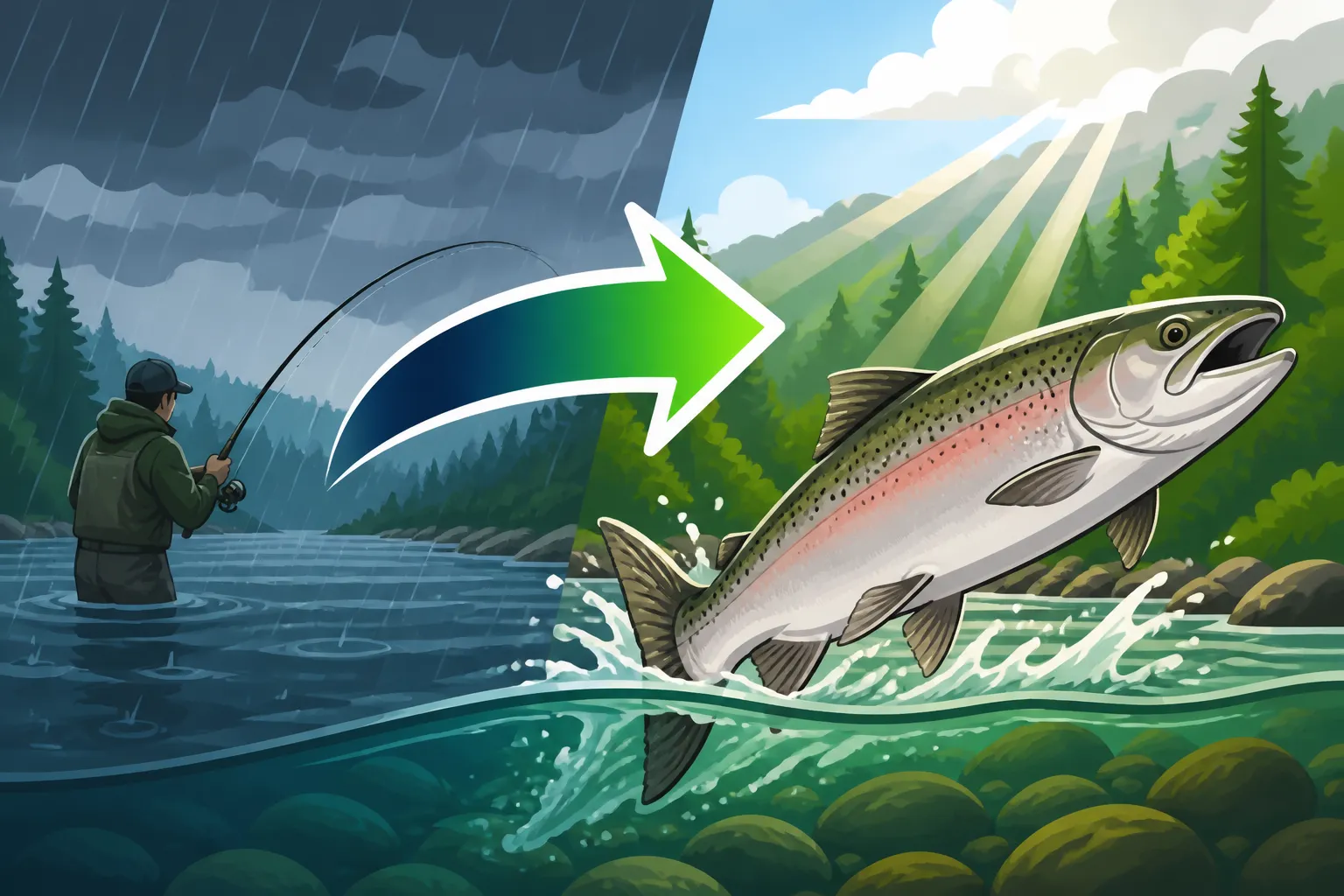
Does rain improve fall Chinook fishing?
It's a classic Oregon dilemma, isn't it? You've got your fall Chinook fishing trip planned, maybe to a favorite spot on the mighty Columbia or one of our gorgeous coastal rivers, and then you see the weather forecast: rain. A little voice in your head might be cheering, thinking "Finally, the rain will bring the fish in!" while another whispers, "Oh no, is this going to blow out the river?" It's a question many of us have wrestled with, and the truth is, the answer isn't a simple yes or no. Understanding how different types of rain interact with river systems and fish behavior is key to turning a potentially frustrating day into a successful one. This guide is here to help you navigate the nuances of rain and its impact on fall Chinook fishing, so you can adapt your strategy and make the most of those autumnal Oregon days.
Understanding Fall Chinook Behavior and River Dynamics
Before we dive into the wet stuff, let's set the stage with a quick recap of what makes fall Chinook tick and how our rivers typically behave. These are powerful fish, driven by ancient instincts, and their journey is inextricably linked to the environment around them.
The Fall Chinook Run: Timing and Migratory Triggers
Fall Chinook salmon, often called "Kings" for their impressive size and fighting spirit, undertake incredible migrations from the ocean back to their natal rivers to spawn. In Oregon, this run typically kicks off in late summer and peaks through the fall, generally from September into November, though exact timing can vary by river system. The fish hold in estuaries and lower river sections, waiting for just the right conditions to push upstream.
What triggers this final push? A lot of factors, but river flow and temperature are huge. As the summer heat fades and nights grow longer, water temperatures in the rivers begin to cool. This cooling signals to the salmon that it's time to start moving. But often, it's the first significant rains of fall that provide that extra kick. A good shot of rain can increase river flows, which makes it easier for these large fish to navigate shallow sections, bypass obstacles, and generally feel more secure moving upriver. Think of it as a natural green light for their journey. Without adequate flow, many fish might stack up in lower river sections or wait in the ocean, becoming hesitant to enter. You can find more details on these timings in our guide, Fall Chinook Season Timing on the Columbia.
River Conditions: Clarity, Flow, and Temperature
Our Oregon rivers are dynamic systems, constantly changing based on weather patterns, snowmelt, and the surrounding landscape. For fall Chinook, three key conditions—clarity, flow, and temperature—are paramount.
- Clarity: Salmon, like many fish, rely on their vision to some extent, especially when they're actively holding or moving through different stretches of water. Extremely clear water can make them skittish and more aware of predators (like us anglers!). Overly murky water, on the other hand, can make it hard for them to find your presentation, reducing strike visibility. The "sweet spot" is often a slight stain or tint to the water, which provides a bit of cover for the fish without completely obscuring your offerings.
- Flow: This is where rain really comes into play. Low, slow flows can concentrate fish but also make them more lethargic or hesitant to move. Increased flow from rain can be a boon, invigorating fish and prompting them to move upstream with renewed vigor. However, too much flow can make a river unfishable, creating dangerous currents and pushing fish into unexpected holding lies. Understanding How river flow affects steelhead fishing can give you insights applicable to salmon as well.
- Temperature: Fall Chinook prefer cooler water, generally in the 50-60 degree Fahrenheit range. Early fall rains can be crucial for dropping water temperatures that might still be a bit too warm after a long, dry summer. If the water is too warm, fish can become stressed and less active. However, a sudden, significant drop in temperature from a cold rain can also put fish off the bite temporarily. It's a delicate balance.
Experienced anglers know that checking river gauges and temperature readings before heading out is as important as checking the weather. These factors dictate where the fish will be and how they'll be behaving, regardless of whether it's raining or not.
How Rain Impacts River Conditions and Fish Activity
Now, let's get to the heart of the matter: how does rain actually affect fall Chinook fishing? It's not as simple as "rain equals good fishing." The type of rain, its intensity, duration, and what the river was like before the rain, all play a role.
The Immediate Effects of Light vs. Heavy Rain
Imagine standing on the bank of the Willamette River.
-
Light, Steady Rain or Drizzle: This is often the ideal scenario many anglers dream of. A gentle, persistent rain can be fantastic. It does a few things:
- Breaks the surface tension: This can make fish feel more secure, less exposed to overhead predators, and encourages them to move into shallower or more exposed areas.
- Adds a slight stain to the water: Often, a light rain will introduce just enough turbidity to provide camouflage for the fish, making them bolder and less likely to shy away from your line or presence.
- Increases oxygen: Rain naturally oxygenates the water, which can invigorate fish and make them more active and willing to bite.
- Adds a touch of fresh water: This can be a significant draw for anadromous fish like salmon, signaling a fresh influx from upstream and encouraging their migration.
- Drives away fair-weather anglers: This is a selfish, but real, bonus! Fewer people on the water often means less pressure on the fish.
For these reasons, a light, steady rain can absolutely improve fall Chinook fishing, especially if it's been dry and sunny for a while.
-
Heavy, Intense Downpour: This is where the "oh no" feeling often comes from. A torrential downpour, especially after a dry spell, can quickly turn a productive river into a muddy, raging torrent.
- Blows out the river: Rapidly rising water levels, often accompanied by heavy sediment runoff, can turn the water into chocolate milk, severely reducing visibility for both fish and anglers.
- Creates dangerous currents: Extremely high flows can make boating treacherous and bank fishing impossible or unsafe.
- Pushes fish into hiding: Chinook will often tuck into eddies, slower seams, or behind structure to escape the main current, making them harder to locate. Their instinct isn't to fight the deluge, but to find cover.
- Sudden temperature drops: A very cold downpour can shock the system, temporarily making fish lethargic.
In these situations, fishing immediately during or right after a heavy downpour is often unproductive and sometimes dangerous. You might need to change your approach drastically or even postpone your trip.
The "Sweet Spot" After a Rain Event
While fishing during a heavy rain can be challenging, the period after a rain event is often where the magic happens, especially if it wasn't an extreme blowout. This is the "sweet spot" that savvy anglers eagerly anticipate.
Once the main deluge passes, and the river begins to drop and clear, often returning to a nice "green" or "steelhead green" tint, that's your window. The river might still be a bit higher than normal, but the violent currents have subsided, and visibility has improved. The fish that were pushed into holding lies are now ready to move again, and the fresh water and oxygen levels have them feeling feisty.
This post-rain period can last anywhere from a few hours to a few days, depending on the river's size and the intensity of the rain. On larger systems like the Columbia, it might take longer for conditions to stabilize. On smaller coastal streams, the window can be shorter. This is when fall Chinook are often at their most aggressive, having been energized by the fresh water and eager to continue their upstream migration. Many of the best days for salmon fishing occur during these prime conditions.
When Rain Can Actually Hinder Fishing
It's not all sunshine and roses (or rain and salmon). There are definitely times when rain, rather than helping, can make fishing tougher.
- Extended Heavy Rain: If it rains heavily for days on end, or if a series of storms roll through, the river might never fully drop and clear into that ideal "sweet spot." It just stays high, fast, and muddy. In these prolonged conditions, fish can become hunkered down, or worse, they might blast through a river section quickly, making them hard to intercept.
- Cold Rain on Already Cold Water: In late fall, when river temperatures are already quite low, a heavy, cold rain can drop them further, potentially pushing the water into a temperature range that makes salmon less active and less willing to strike.
- Localized Storms: Sometimes, a heavy storm in a small tributary or upper watershed can blow out just a specific section of a larger river, while other parts remain fishable. If you're not aware of this, you might head to a blown-out spot unknowingly. Always check local conditions and river reports.
- Dangerous Conditions: Above all, safety first. Heavy rain, high winds, and rapidly rising rivers can create extremely dangerous conditions, especially for boaters. Always assess the risks before heading out. Sometimes, the best fishing day is the one you postpone for your own well-being. Getting the right gear for these conditions, like a good quality waterproof jacket and pants, is essential. Many anglers find durable, affordable options on Amazon for their foul-weather clothing needs.
Adapting Your Approach: Fishing Strategies for Rainy Weather
So, the rain is falling or has recently fallen. What do you do? This is where adjusting your tactics can make all the difference between a memorable day and a frustrating one.
Lure and Bait Selection in Off-Color Water
When the water clarity is reduced due to rain, you need to make your offerings more visible and appealing to the salmon. Think about what will stand out in murky conditions.
- Color is King: Bright, contrasting colors become paramount. Instead of subtle natural tones, reach for chartreuse, hot pink, orange, or even combinations like "fire tiger" (bright green/yellow with orange stripes). These colors are highly visible in low light and turbid water. Flashy metallic colors like brass or nickel can also catch what little light is available.
- Scent is Crucial: When visibility is poor, salmon rely more heavily on their sense of smell. This is the time to really lean into scent. Use heavily scented baits like cured roe, shrimp, or sardines. If you're using artificial lures, add scent to them. Commercial scents that imitate herring, anise, or krill can be very effective. You can find a wide array of these scents and colored lures on Amazon, often with detailed reviews from other anglers.
- Vibration and Noise: Lures that create a strong vibration or noise can also help fish locate your presentation in murky water. Spinners with large blades, wobbling plugs, or even rattles inserted into soft plastics can draw attention. Think about how a fish might "feel" your lure rather than just seeing it.
- Bait Size: Sometimes, a slightly larger profile bait or lure can be more easily detected by salmon in off-color water. Don't be afraid to size up slightly if your usual offerings aren't getting noticed.
Remember, salmon are looking for a meal or reacting to a challenge. Make it as easy as possible for them to find your bait or lure amidst the disturbed river.
Presentation Techniques for Higher Flows
Increased water flow changes where salmon hold and how they react to presentations. You'll need to adjust your techniques to get your offering in the strike zone effectively.
- Heavier Lead, Deeper Presentation: With stronger currents, you'll need more weight to get your bait or lure down to the fish. If you're drift fishing, don't be shy about increasing your lead. The goal is to tick bottom without dragging excessively. For bobber fishing, heavier floats and lead can help keep your bait in the feeding lane. Many anglers keep a variety of lead weights and sinkers in their tackle box, easily replenished through retailers like Amazon.
- Focus on Seams and Eddies: Fall Chinook will often tuck out of the main current in higher flows. Look for current seams where fast water meets slow, behind large rocks, submerged logs, or in eddies. These are prime holding spots where fish can rest and ambush food. Your goal is to swing your bait or lure through these calmer zones.
- Slower Retrieve, Longer Soaks: In murky, faster water, fish have less time to react. A slower retrieve for plugs or spinners can give them a better chance to hone in on your offering. For drift fishing or bobber fishing, allow your bait to "soak" in productive areas for longer.
- Target Different Depths: Don't assume fish are all on the bottom. Sometimes, with higher water, they might suspend a bit higher in the water column. Experiment with different depths until you find where they are holding.
- Back-Trolling Plugs: If you're boat fishing, back-trolling plugs can be incredibly effective in higher flows. The boat's movement allows you to control the depth and speed of your plugs precisely, keeping them in the strike zone for extended periods as you slowly work downstream.
- Consider Plunking: In very high, off-color water where other techniques are difficult, plunking can be a surprisingly effective method, especially on larger rivers. This involves casting a heavy lead and a stationary bait or lure (often with a "spin-n-glo" or diver) into the current and letting the fish come to it. It's a waiting game, but it can pay off when fish are simply moving upriver and not actively feeding in a specific spot.
Essential Gear for Staying Comfortable and Productive
Let's be real, fishing in the rain isn't much fun if you're soaked and miserable. The right gear is absolutely essential for staying comfortable and focused.
- High-Quality Rain Gear: This is non-negotiable for Oregon fall fishing. Invest in a truly waterproof, breathable rain jacket and pants. Look for features like sealed seams, adjustable cuffs, and a good hood that stays put. Being dry makes a huge difference in your endurance and enjoyment. Many anglers swear by brands like Grundéns, Frogg Toggs, or Simms, but there are also fantastic value options available on Amazon.
- Waterproof Footwear: Whether it's sturdy waterproof boots or waders, keep your feet dry! Cold, wet feet are a quick path to misery. Neoprene waders can provide excellent insulation against cold water.
- Layering: Dress in layers under your rain gear. This allows you to adjust to changing temperatures throughout the day. Moisture-wicking base layers, a fleece mid-layer, and your waterproof outer shell are a great combination. Avoid cotton, which absorbs moisture and stays cold.
- Gloves and Hat: A waterproof hat with a brim will keep rain out of your eyes, and warm, waterproof gloves are crucial for maintaining dexterity and comfort, especially when handling cold fish or wet lines.
- Headlamp: Shorter days in the fall mean you might be starting before dawn or fishing into dusk. A good headlamp is invaluable, especially if you're rigging up in low light or navigating slippery banks.
- Backup Gear: Always bring a dry set of clothes for the ride home, stored in a waterproof bag. A towel is also a lifesaver. A thermos with a hot drink can also boost morale on a chilly, wet day.
- Rod and Reel Protection: While most modern fishing gear is designed to withstand the elements, a quick wipe-down at the end of the day is always a good idea. Consider a waterproof tackle box or bag to protect your expensive lures and electronics.
Being prepared for the elements isn't just about comfort; it's about being able to focus on the fishing and staying out longer, increasing your chances of success.
Reading the Forecast and River Reports
Okay, you're geared up, you understand the fish, and you've got your strategies. Now, how do you put it all together to pick the best rainy day to fish? It's all about information gathering.
Interpreting Weather Patterns for Optimal Timing
The local weather forecast is your first line of defense, but don't just look at whether it's going to rain. Look deeper.
- Rain Intensity and Duration: Is it a light, scattered shower or a multi-day atmospheric river event? A good forecast will often specify rainfall amounts. Small amounts (e.g., less than half an inch) might be just what the river needs. Heavy amounts (e.g., several inches over 24 hours) are more likely to blow things out.
- Temperature Trends: Is the rain bringing a cold front, or is it merely dampening an otherwise mild day? Pay attention to how the air temperature will affect the water temperature.
- Preceding Conditions: Has it been dry for weeks? Then even a moderate rain could have a significant positive impact. If rivers are already running high from previous rains, even a light rain could tip them over the edge into unfishable conditions.
- Frontal Systems: Pay attention to how weather fronts are moving through. Often, fishing can be excellent just before a major cold front hits, as fish feed aggressively. Once the front is directly overhead or passing, conditions can become difficult.
- Wind: Rain often comes with wind, which can make fishing incredibly challenging, especially for casting, boat control, and comfort. A calm, rainy day is generally preferable to a windy, rainy one.
Don't just look at today's forecast; look at the next 24-48 hours and beyond. This will help you anticipate the "sweet spot" for river conditions and plan your trip accordingly.
Utilizing Online Resources for Real-time Data
Gone are the days when you had to drive to the river to check conditions. We have an incredible amount of real-time data at our fingertips, and smart anglers use it constantly.
- USGS Streamflow Gauges: These are invaluable. The United States Geological Survey (USGS) maintains thousands of streamflow gauges across the country, including all major Oregon rivers. These gauges provide real-time data on river height (stage), flow rates (cubic feet per second, or CFS), and often water temperature. Learning to interpret these graphs – looking for rising, falling, or stable trends – is a crucial skill. A rapidly rising gauge usually means a blown-out river, but a slowly dropping or stable gauge after a rise can indicate prime conditions.
- Oregon Department of Fish and Wildlife (ODFW) Resources: ODFW's website is a treasure trove of information. They often post updates on river conditions, fish counts (especially important for fall Chinook), and sometimes even specific fishing reports. They also provide the official Oregon Fishing Regulations Explained and Oregon Fishing Season Dates and Limits.
- Local Fishing Forums and Social Media Groups: Many regional fishing communities have active online forums or Facebook groups where local anglers share real-time reports on river conditions, water clarity, and recent catches. While you should always take these with a grain of salt (some folks like to exaggerate or mislead), they can provide valuable insights, especially when cross-referenced with official data.
- Guide and Tackle Shop Reports: Local fishing guides and tackle shop owners are often the best sources of up-to-the-minute information. They are on the water or talking to people who are. A quick phone call can save you a lot of wasted time and gas. They can also advise on specific gear that's working, and you can stock up on those recommendations right there.
- Weather Apps with Radar: Modern weather apps provide detailed radar views, allowing you to track rain cells, see their intensity, and predict when the heaviest precipitation will hit (or pass). This is key for timing your outing.
By combining detailed weather forecasts with real-time river data, you can make informed decisions about whether the rain is a friend or foe to your fall Chinook fishing plans. It’s about being strategic and understanding the rhythm of the river, not just reacting to a forecast. Sometimes, the best move is to wait a day, and sometimes, it's to grab your gear and head out there knowing you might just hit that perfect window.
| Rain Type/Condition | Impact on River Flow | Impact on Water Clarity | Impact on Fall Chinook Activity | Recommended Strategy |
|---|---|---|---|---|
| Light, Steady Rain | Slight increase, stable | Slight stain, good visibility | Increased activity, migration | Fish actively, bright colors, scent |
| Moderate Rain (over 6-12 hrs) | Moderate increase, rising | Increased turbidity, murky | Good migration, seeking seams | Heavier lead, strong scent, vibration |
| Heavy, Intense Downpour | Rapid increase, significant rise | Very murky, "chocolate milk" | Hunkered down, hard to find | Postpone or focus on very slow water, extreme scent |
| Post-Rain (Dropping/Clearing) | Slowly decreasing, stable | Improving, "green" tint | Very active, strong bite | Prime fishing, varied techniques, scent |
| Prolonged Heavy Rain | Consistently high, fast | Consistently murky | Dispersed, lethargic, difficult | Seek alternative spots or wait it out |
| Cold Rain (late fall) | Variable | Variable | Reduced activity, sluggish | Slow presentations, natural colors, patience |
Disclaimer
This article is for general informational purposes only and does not constitute professional advice. Laws, prices and regulations vary by location and change over time. Consult a qualified professional for guidance on your specific situation.